
What Is Sale Pending

What Is Sale Pending: A Detailed Look At The Homebuying Process
When you start searching for a new place to live, the real estate landscape can feel like a maze of unfamiliar terminology. Among the most common phrases you will encounter while scrolling through online listings is “sale pending.” For many people deep in the homebuying process, this status creates instant uncertainty. Does it mean the home is officially sold? Is there still a chance to make an offer? Understanding the difference between various listing statuses is crucial for navigating the market with confidence.
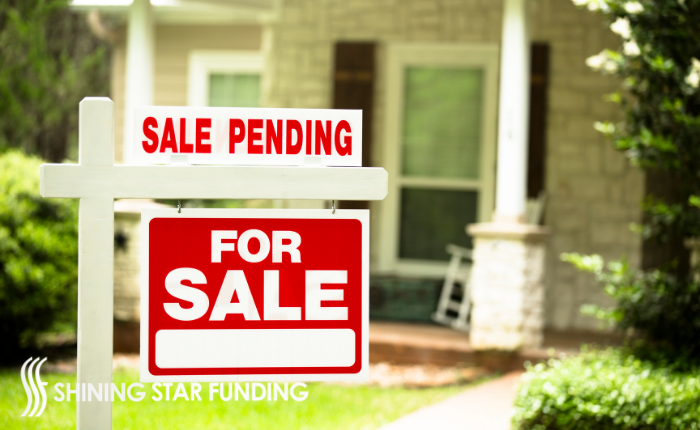
In simple terms, a sale pending status indicates that the seller has accepted a buyer’s offer and both parties have signed a purchase agreement. However, the transaction is not yet finalized. It is a transitional phase where the home is moving toward the finish line—closing day—but has not yet crossed it. While it signifies that a contract is firmly in place, it does not mean the house is 100% off the market in every single scenario, though for the vast majority of cases, it effectively means the property is spoken for.
Why Understanding Statuses Matters
Throughout the homebuying process, you will see a variety of labels attached to properties. Knowing how to interpret these signals can save you time and help you manage your expectations. Here is a breakdown of why these terms differ:
- Active: The property is available, and the seller is looking for offers.
- Under Contract: The seller has accepted an offer, but there are still active contingencies that must be satisfied before the sale can move forward.
- Sale Pending: Most or all contingencies have been satisfied, and the deal is moving toward final closing.
- Sold: The transaction is complete, the money has changed hands, and the title has been transferred.
What Happens During The Pending Phase?
Once a listing moves to pending, the transaction enters its final stretch. At this point, the buyer and seller are effectively committed to one another. During the homebuying process, this phase is dedicated to wrapping up the administrative and financial requirements needed to finalize the deal. Common activities during this time include:
- Finalizing Financing: The buyer’s lender is performing the final underwriting steps to ensure the funds are ready to be disbursed.
- Title Search and Insurance: Professionals ensure there are no legal claims, liens, or disputes against the property that could complicate the transfer of ownership.
- Final Walkthrough: The buyer visits the property one last time to verify its condition and ensure that any agreed-upon repairs have been completed.
- Preparing Closing Documents: The escrow or title company is organizing the mountain of paperwork that both the buyer and seller will need to sign to make the transfer official.
Because the heavy lifting—such as inspections and negotiations—has typically been completed before a home reaches the pending status, the likelihood of the deal falling apart is much lower than when a home is simply “under contract.”
Can A Pending Sale Fall Through?
Even though “pending” is a strong indicator of a successful sale, it is not a guarantee. It is possible, though rare, for a pending deal to collapse. If a deal does fall through, the home will often be re-listed as active. Common reasons for this include:
- Financing Issues: The buyer may experience a last-minute change in their financial situation, such as a job loss or an increase in debt, which leads to their loan being denied.
- Low Appraisal: If the home is appraised for less than the agreed-upon purchase price, the buyer and seller may be unable to bridge the resulting gap, leading one party to walk away.
- Title Issues: Unexpected legal hurdles discovered during the title search might prove too difficult or expensive to resolve within the closing timeline.
- Buyer’s Cold Feet: While legally binding, sometimes a buyer may choose to forfeit their earnest money rather than proceed with a purchase they no longer feel comfortable with.
Strategic Advice For Buyers And Investors
If you are in the middle of the homebuying process and find a property you love that is marked as pending, do not immediately walk away. While you should not plan your entire search around a property that is already under contract, you can still take strategic steps:
- Ask Your Agent to Check In: Have your real estate agent contact the listing agent. Sometimes, they can get a sense of how “solid” the pending deal is.
- Express Your Interest: Let the listing agent know you are a serious backup. If the current deal has any issues, being at the front of the line can make a world of difference.
- Keep Your Finances Ready: If you are hoping to swoop in as a backup, ensure your own pre-approval is solid and you are ready to make a clean, strong offer if the home hits the market again.
- Stay Disciplined: It is tempting to get stuck on a home you have seen online, but continue your search for other active properties. Do not let one pending listing stall your progress toward your goal.

For investors or asset-rich individuals, these status updates are just one piece of the puzzle. Market conditions often dictate how quickly homes move from active to sold, and understanding these statuses helps you act quickly when the right opportunity arrives.

Frequently Asked Questions
s “Sale Pending” the same as “Sold”?
No. “Sold” means the deed has been transferred and the money has been paid. “Sale pending” means a deal is in progress, but the transaction is not finalized.
Can I still view a pending home?
Generally, no. Once a home is pending, most sellers stop hosting showings. However, you can always ask your agent to inquire, especially if the listing indicates the seller is “taking backups.”
How long does a home stay in pending status?
This typically ranges from a few days to several weeks. It depends largely on how quickly the lender can process the loan and how complex the title work is for the specific property.
Should I make a backup offer on a pending home?
You can certainly express interest. Whether the seller will formally accept a backup offer depends on their specific situation and local market practices. It never hurts to have your agent make your interest known.
- Navigating the real estate market takes patience and a clear understanding of the rules of the road. By recognizing what sale pending means and how it fits into the homebuying process, you can move forward with clarity, focus on the right opportunities, and stay prepared for when your dream home is truly ready for you to make it your own.
FAQ's
It is understandably frustrating, but it is a common hurdle. If a deal falls through during the homebuying process, you should immediately consult with your agent to understand why the deal failed. Use the experience to strengthen your financial documentation or adjust your search criteria so you are better prepared for your next offer.
If the deal falls through for any of the reasons mentioned above—such as financing issues or an inspection dispute—the seller will re-list the property. In these instances, the status will shift from pending back to active, and the seller will resume the search for a new buyer.
Yes, it is usually best to move on. While there is a small chance the deal could fail, pinning your hopes on a pending property can stall your progress in the homebuying process. It is better to treat the home as “off the market” and continue your search for active listings.
The duration varies based on the complexity of the loan and local requirements. On average, a home might stay in pending status for 30 to 45 days, though it can close faster or take longer depending on the lender’s underwriting speed and the title work required.
In most cases, sellers stop allowing showings once a property is pending because they have committed to a buyer. However, if the listing specifies that the seller is “taking backup offers,” they might allow an occasional viewing for serious, pre-approved buyers.
Even at the pending stage, a deal can collapse. Common reasons include the buyer’s loan being denied at the last minute, the home failing to appraise for the agreed-upon price, or the discovery of significant issues during the final walkthrough.
Contingent: The seller has accepted an offer, but there are still active conditions (contingencies) that must be met, such as the buyer’s home inspection or financing approval.
Pending: Usually, these contingencies have already been satisfied. The deal is nearing the finish line, and the parties are waiting for the final administrative tasks, like title transfer and funding, to be completed.
Generally, no. Once a home is pending, the seller is typically no longer accepting new offers. However, in some cases, you can ask your agent to submit a “backup offer.” If the current deal falls through, you would be next in line to proceed.
No. A “sold” status means the transaction is complete, the deed has been transferred to the buyer, and the money has changed hands. A “pending” home is still in the final stages of the homebuying process, moving toward the closing date.
A “pending” status indicates that the seller has accepted an offer and both parties have signed a formal purchase agreement. While the sale is not yet finalized, the property is effectively off the market because a binding contract is in place.

527 Sycamore Valley Rd W, Danville, CA 94526
Toll Free Call : (866) 280-0020
For informational purposes only. No guarantee of accuracy is expressed or implied. Programs shown may not include all options or pricing structures. Rates, terms, programs and underwriting policies subject to change without notice. This is not an offer to extend credit or a commitment to lend. All loans subject to underwriting approval. Some products may not be available in all states and restrictions may apply. Equal Housing Opportunity.
Interactive calculators are self-help tools. Results received from this calculator are designed for comparative and illustrative purposes only, and accuracy is not guaranteed. Shining Star Funding is not responsible for any errors, omissions, or misrepresentations. This calculator does not have the ability to pre-qualify you for any loan program or promotion. Qualification for loan programs may require additional information such as credit scores and cash reserves which is not gathered in this calculator. Information such as interest rates and pricing are subject to change at any time and without notice. Additional fees such as HOA dues are not included in calculations. All information such as interest rates, taxes, insurance, PMI payments, etc. are estimates and should be used for comparison only. Shining Star Funding does not guarantee any of the information obtained by this calculator.
Privacy Policy | Accessibility Statement | Term of Use | NMLS Consumer Access
CMG Mortgage, Inc. dba Shining Star Funding, NMLS ID# 1820 (www.nmlsconsumeraccess.org, www.cmghomeloans.com), Equal Housing Opportunity. Licensed by the Department of Financial Protection and Innovation (DFPI) under the California Residential Mortgage Lending Act No. 4150025. To verify our complete list of state licenses, please visit www.cmgfi.com/corporate/licensing