
what is an open house
Understanding the Open House: Your Guide to Navigating Property Viewings
When you start your journey into the world of real estate, you will inevitably encounter the term open house. For many prospective buyers, this is often the very first step in the property search, providing a low-pressure environment to explore potential homes. Whether you are a first-time homebuyer, a retiree looking to downsize, or an investor scouting for your next opportunity, understanding how these events function is a vital part of the homebuying process.
An open house is essentially a scheduled window of time—usually lasting between one and three hours—where a property listed for sale is opened to the public. Unlike a private showing, which requires an appointment, an open house allows anyone interested in the property to walk through freely. These events are typically hosted by the listing agent, who is there to answer questions, highlight the home’s features, and gather information from potential buyers.
How Do Open Houses Work?
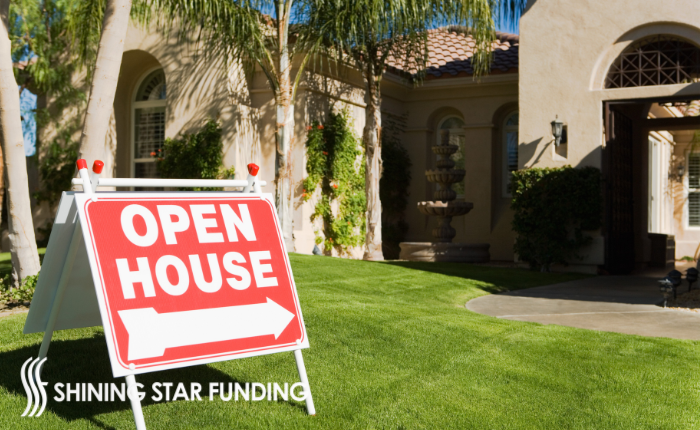
The mechanics of an open house are designed for convenience and efficiency. When a seller and their agent decide to host one, they will typically market it across various platforms, including real estate websites and social media. You might see signage in the neighborhood directing traffic to the property on the day of the event.
Upon arrival, you are usually greeted by the listing agent at the door. They may ask you to sign in, which serves as a security measure for the seller and a way for the agent to follow up with interested parties later. Once inside, you have the freedom to explore the home at your own pace. This is a great opportunity to check the layout, assess the condition of the property, and get a feel for the neighborhood. It is also the perfect time to ask the agent specific questions about the home, such as recent upgrades, property taxes, or the history of the house.
It is important to remember that the agent hosting the open house represents the seller. While they are a great source of information, their primary goal is to secure the best possible deal for their client. As part of the homebuying process, you should always keep your own needs and budget in mind while viewing the property.

Preparing for an Open House
If you are a buyer, preparing for an open house can make your visit much more productive. Instead of wandering through randomly, treat it as a deliberate step in your search. Here are a few ways to prepare:
- Research the listing online: Check the square footage, number of bedrooms, and recent photos before you go. This helps you determine if the home truly fits your needs.
- Check the comps: Look at what similar homes in the area have sold for recently. This gives you a better sense of value.
- Get pre-approved: Walking into an open house with a pre-approval letter shows that you are a serious buyer, which can be an advantage in a competitive market.
- Dress appropriately: While you do not need to be formal, looking neat and respectful shows that you are serious about potentially making an offer.
- Bring a partner or a list of questions: Having a second set of eyes or a written list of things to check ensures you do not miss important details.
The Pros and Cons of Open Houses
Like any aspect of the homebuying process, open houses have both advantages and drawbacks. Weighing these can help you decide how much time to invest in attending them.
The Benefits
- Convenience: You can visit multiple homes in a single weekend without having to schedule individual, lengthy appointments.
- Low Pressure: Because these events are open to everyone, you can browse without the immediate intensity of a one-on-one showing.
- Direct Information: You get the chance to speak directly with the listing agent, who often has deep knowledge of the home’s history and the seller’s expectations.
- Insight into Competition: Seeing how many other people are looking at the same home can give you a clear, real-time indicator of how competitive that specific property might be.
The Drawbacks
- Crowds: Popular listings can become quite crowded, making it difficult to get a good look at the space or have a private conversation with the agent.
- Not Always Representative: A home is often professionally staged for an open house, which can occasionally mask issues or give a false sense of how the space functions in daily life.
- Mixed Audience: Not everyone at an open house is a serious buyer; some may just be curious neighbors, which can sometimes create a chaotic environment.
- Limited Time: Because you are on a schedule, you might feel rushed if you want to perform a more thorough inspection of the property.
Ultimately, an open house is just one tool in the vast toolkit of the homebuying process. Whether you find your dream home during a casual Sunday visit or decide to request a private, more detailed tour later, these events remain a cornerstone of the real estate experience. By approaching them with a plan and a clear understanding of your goals, you can turn a simple walkthrough into a significant step toward owning your next home.
FAQ's
No, they do not guarantee a sale. While they are an effective marketing tool to generate interest, many serious offers come from private, pre-scheduled showings. Think of an open house as the first step in the marketing process, not a final guarantee of a transaction.
Sellers work to make the home look its best through staging—decluttering, deep cleaning, and removing personal items (like family photos) so buyers can envision themselves living there. Curb appeal is also a priority, as the exterior is the first thing a buyer sees.
Generally, no. Remember that the listing agent represents the seller. While you should be polite and engaged, avoid disclosing your maximum budget, how much you love the house, or your timeline. Keep your cards close to your chest to maintain your negotiating power later.
Focus on information that isn’t obvious from a quick walkthrough. Good questions include:
How long has the home been on the market?
Are there any known issues with the foundation, roof, or major systems?
Why are the sellers moving?
Have there been any offers yet?
What is the neighborhood like in terms of noise and amenities?
It is highly recommended! While you can certainly attend an open house alone, your agent can provide objective advice, help you analyze the property’s value, and identify potential issues that you might overlook. If you do go alone, let the listing agent know you are already represented by a professional.
The main drawbacks are crowds and distractions. Popular homes can get very busy, making it difficult to inspect the property thoroughly or have a meaningful conversation with the agent. Additionally, because the home is often professionally staged, it may look different than it would in day-to-day life.
The biggest advantages are convenience and low pressure. You don’t need to coordinate with your own agent to book a private showing, and you can browse the home freely without feeling like you are “on stage.” It is also a great way to gauge market interest—if the open house is packed, you know the competition for that home will likely be high.
Before you go, research the property listing online to understand the basics like square footage, school district, and recent price changes. Have a list of questions ready for the agent, and consider bringing a notebook or taking photos (always ask for permission first) to help you remember details later.
For buyers, an open house is a convenient, low-pressure way to explore a property. You simply arrive during the advertised hours, often sign in at the door, and then tour the home at your own pace. It is an excellent opportunity to gauge the layout, get a feel for the neighborhood, and ask the listing agent questions directly.
An open house is designed to maximize exposure for a property. By inviting the general public to view the home during a specific window, the listing agent can showcase the property to multiple potential buyers simultaneously. This often generates buzz, encourages competition, and can lead to faster offers.

527 Sycamore Valley Rd W, Danville, CA 94526
Toll Free Call : (866) 280-0020
For informational purposes only. No guarantee of accuracy is expressed or implied. Programs shown may not include all options or pricing structures. Rates, terms, programs and underwriting policies subject to change without notice. This is not an offer to extend credit or a commitment to lend. All loans subject to underwriting approval. Some products may not be available in all states and restrictions may apply. Equal Housing Opportunity.
Interactive calculators are self-help tools. Results received from this calculator are designed for comparative and illustrative purposes only, and accuracy is not guaranteed. Shining Star Funding is not responsible for any errors, omissions, or misrepresentations. This calculator does not have the ability to pre-qualify you for any loan program or promotion. Qualification for loan programs may require additional information such as credit scores and cash reserves which is not gathered in this calculator. Information such as interest rates and pricing are subject to change at any time and without notice. Additional fees such as HOA dues are not included in calculations. All information such as interest rates, taxes, insurance, PMI payments, etc. are estimates and should be used for comparison only. Shining Star Funding does not guarantee any of the information obtained by this calculator.
Privacy Policy | Accessibility Statement | Term of Use | NMLS Consumer Access
CMG Mortgage, Inc. dba Shining Star Funding, NMLS ID# 1820 (www.nmlsconsumeraccess.org, www.cmghomeloans.com), Equal Housing Opportunity. Licensed by the Department of Financial Protection and Innovation (DFPI) under the California Residential Mortgage Lending Act No. 4150025. To verify our complete list of state licenses, please visit www.cmgfi.com/corporate/licensing