
What Is An Apartment
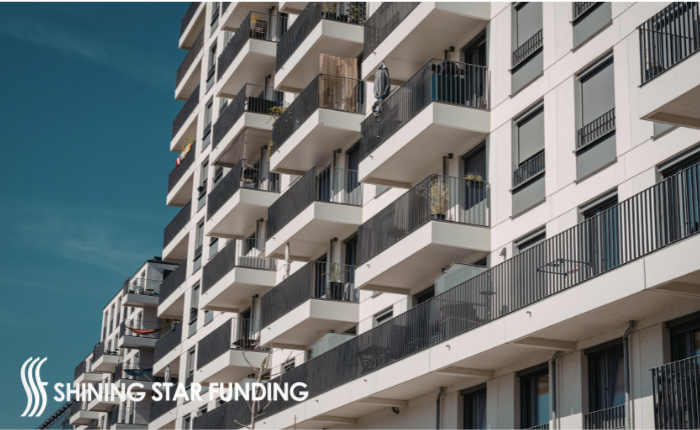
Decoding the Urban Dwelling: What is an Apartment in Today’s Market?
The journey toward finding the perfect place to live often begins with a fundamental question: what is an apartment? While the term might seem straightforward, the modern real estate landscape has transformed this simple dwelling into a diverse array of living options. From towering luxury high-rises to charming converted houses, the concept of a self-contained living space within a larger building is a cornerstone of global habitation. For those currently navigating the homebuying process, understanding the nuances of these properties is essential, whether you are looking to rent for a season or invest for a lifetime.
Choosing where to hang your hat is one of the most significant decisions an individual can make. For first-time homebuyers, an apartment often represents the most accessible entry point into high-demand urban centers. For retirees, it offers a low-maintenance lifestyle that frees them from the chores of yard work and exterior upkeep. Even for asset-rich individuals seeking for real estate investments, the multi-unit structure provides a scalable way to build wealth. As we peel back the layers of the contemporary apartment house, we find a complex ecosystem of legalities, amenities, and community dynamics that define the urban experience.
The Core Definition: What is an Apartment?
At its most basic level, when someone asks what is an apartment, the answer is a residential unit that occupies only part of a building, generally on a single story. These units are self-contained, meaning they possess their own kitchen, bathroom, and sleeping quarters. However, they share common areas such as hallways, lobbies, and sometimes structural walls or ceilings with other residents. This shared nature is what distinguishes an apartment from a detached single-family home.
In the context of the homebuying process, it is important to distinguish between “apartment” as a physical structure and “apartment” as an ownership model. In many regions, the term specifically refers to a unit that is rented from a landlord or a management company. However, in major metropolitan hubs, you might find an apartment house where the units are owned individually as condominiums or cooperatives. Regardless of the ownership structure, the physical reality remains the same: a private sanctuary within a collective environment.

How Does Renting an Apartment Work?
For many, renting is the first step toward long-term homeownership. Understanding how does renting an apartment work is vital for anyone looking to establish a credit history or save for a future down payment. The process typically begins with an application where a landlord evaluates your financial stability. This is particularly relevant for self employed home buyers, who may need to provide extra documentation such as tax returns or bank statements to prove their income is sufficient to cover the monthly costs.
Once approved, the relationship is governed by a lease agreement. This legal contract outlines the monthly rent, the duration of the stay, and the rules of the building. Typically, you will be required to pay a security deposit and the first month’s rent upfront. While you don’t own the walls, you do gain a set of rights, including the right to a habitable environment and the right to privacy. Renting provides the flexibility to explore different neighborhoods before making a permanent commitment in the homebuying process.
The Evolution of the Apartment House
The history of the apartment house is a fascinating reflection of human urbanization. Centuries ago, multi-family dwellings were often crowded tenements. Today, they are architectural marvels. We can categorize these buildings based on their scale and the lifestyle they offer:
- Garden Apartments: Usually low-rise buildings surrounded by green space, popular in suburban areas for families and retirees.
- Mid-rise and High-rise: Found in city centers, these offer vertical living with views and often include elevators and concierge services.
- Walk-ups: Smaller buildings, often older, that lack elevators but provide historic charm and lower price points.
- Micro-apartments: A trend in high-density cities for those who prioritize location over square footage.
Comparison: Apartment vs. Other Multi-Family Units
When you are in the middle of the homebuying process, you will likely encounter various terms that seem interchangeable with “apartment.” Here is a breakdown of the differences to help you navigate your search.
| Feature | Apartment (Rental) | Condominium | Townhouse |
|---|---|---|---|
| Ownership | Owned by a landlord/corporation. | Owned by the individual resident. | Owned by the individual (includes land). |
| Maintenance | Handled by the landlord. | Individual handles interior; HOA handles exterior. | Owner handles most; some shared via HOA. |
| Flexibility | High; easy to move at lease end. | Medium; requires a sale to move. | Medium; feels more like a house. |
| Investment Potential | None for the resident. | High; value can appreciate over time. | High; includes land value. |
The Benefits of Apartment Living
Why do so many people choose an apartment house over a traditional house? The reasons are often practical and financial. For retirees, the “lock and leave” capability is a major draw. You can travel for months without worrying about the grass growing too long or a pipe bursting without someone noticing. For real estate investors, a multi-unit apartment house offers the benefit of diversified income; if one tenant moves out, the other units still provide cash flow.

Amenities are another significant factor. Modern buildings often feature fitness centers, rooftop lounges, swimming pools, and co-working spaces. These shared luxuries allow residents to enjoy a lifestyle that might be prohibitively expensive to maintain in a private single-family home. Furthermore, living in close proximity to others fosters a sense of community and security that many find comforting.
Common Challenges and Considerations
While asking what is an apartment often leads to a list of benefits, there are challenges to consider. The most common complaint in an apartment house is noise. With neighbors above, below, and beside you, soundproofing—or the lack thereof—can impact your quality of life. There is also the issue of limited space. You likely won’t have a private garage or a large backyard for gardening.
For those interested in how does renting an apartment work, you must also be aware of rent increases. Unlike a fixed-rate mortgage, rent can go up every time your lease is renewed. This unpredictability is why many renters eventually transition into the homebuying process to secure a fixed monthly payment and start building equity.
Tips for Choosing the Right Apartment
Whether you are renting or buying a unit in an apartment house, keep these tips in mind to ensure a successful experience:
- Evaluate the Location: Is it close to transit, work, and grocery stores? In urban living, your neighborhood is essentially your extended living room.
- Check the Management: Research reviews of the property management company. A poorly maintained building can lead to significant stress.
- Understand the Fees: Beyond rent or mortgage, are there pet fees, parking fees, or HOA dues?
- Visit at Different Times: See the building at night and during the day to check for noise levels and safety.
- Look for Storage: Modern apartments can be small. Check for closets, bike rooms, or available storage lockers.
Apartments as a Strategic Investment
For asset-rich individuals seeking for real estate investments, the apartment house is a premier asset class. Unlike single-family homes, which are valued based on comparable sales, large apartment buildings are valued based on the income they generate. This allows investors to “force appreciation” by improving the building, raising rents, and managing expenses more efficiently.
Even for a self employed home buyer, purchasing a duplex or a small apartment building where you live in one unit and rent the other can be a brilliant way to enter the market. This “house hacking” strategy allows the tenant’s rent to pay a portion of your mortgage, significantly reducing your personal living expenses while you build long-term wealth.

Summary: Is an Apartment Right for You?
At the end of the day, understanding what is an apartment is about understanding your own priorities. If you value mobility, amenities, and a maintenance-free lifestyle, then an apartment house might be your ideal home. If you are starting your journey in the homebuying process, don’t overlook the potential of these units to serve as either a comfortable home or a powerful investment vehicle.
From the first steps of learning how does renting an apartment work to the final signature on a purchase agreement, the apartment remains a vital and vibrant part of the housing market. By weighing the pros and cons and doing your due diligence, you can find a space that not only provides shelter but also supports your financial and lifestyle goals for years to come.
FAQ's
Absolutely. Learning how does renting an apartment work teaches you about budgeting, utility management, and community rules. For many, the equity built in a purchased apartment serves as the foundational “stepping stone” to buying a larger detached home later in the homebuying process.
Always inspect the “common elements.” Check the condition of the lobby, the security of the entrances, and the noise levels between floors. Understanding what is an apartment also means understanding that your quality of life is partially dependent on the behavior of your neighbors and the quality of the building management.
Retirees often choose apartments for the “lock-and-leave” lifestyle, where maintenance is handled by others. For real estate investors, an apartment house represents a scalable asset; owning a multi-unit building allows you to collect rent from multiple tenants, diversifying your income stream.
Beyond rent or a mortgage, you must account for “hidden” costs. In a rental, this might include pet rent or parking fees. If you own the unit, you will pay monthly Homeowners Association (HOA) or maintenance fees to cover the upkeep of the shared apartment house infrastructure.
For many first-time homebuyers and self-employed home buyers, purchasing a unit in a co-op or condo building is a strategic move. It is often more affordable than a detached house and allows you to build equity in a high-demand urban area where land is scarce.
Yes. As you explore what is an apartment, you will encounter various styles:
Studio: A single room that serves as the living, dining, and bedroom.
Loft: Large, open-concept spaces, often converted from industrial buildings.
Penthouse: A luxury unit located on the highest floor of a high-rise.
Garden Apartment: A unit located on the ground floor with direct access to a lawn or courtyard.
An apartment house is a multi-family residential building. Unlike a single-family home, which sits on its own lot, an apartment is part of a collective. This means you forgo a private yard in exchange for shared amenities like fitness centers, pools, or rooftop decks, which are managed by the building owner or an association.
Understanding how does renting an apartment work is often the first step toward future homeownership. A tenant signs a lease agreement with the property owner, providing a security deposit and monthly rent in exchange for the right to live in the unit. This allows for flexibility while you save for a down payment.
The difference is usually in ownership rather than architecture. In an apartment house, the entire building is often owned by a single entity (like a corporation or landlord) and units are leased to residents. A condominium is a structure where individual units are owned by the residents, though they still share common areas.
When asking what is an apartment, it is defined as a self-contained residential unit that occupies only part of a larger building. Physically, it includes its own kitchen, bathroom, and sleeping area, but it shares common structural elements—like a roof, hallways, and elevators—with other units in the same apartment house.

527 Sycamore Valley Rd W, Danville, CA 94526
Toll Free Call : (866) 280-0020
For informational purposes only. No guarantee of accuracy is expressed or implied. Programs shown may not include all options or pricing structures. Rates, terms, programs and underwriting policies subject to change without notice. This is not an offer to extend credit or a commitment to lend. All loans subject to underwriting approval. Some products may not be available in all states and restrictions may apply. Equal Housing Opportunity.
Interactive calculators are self-help tools. Results received from this calculator are designed for comparative and illustrative purposes only, and accuracy is not guaranteed. Shining Star Funding is not responsible for any errors, omissions, or misrepresentations. This calculator does not have the ability to pre-qualify you for any loan program or promotion. Qualification for loan programs may require additional information such as credit scores and cash reserves which is not gathered in this calculator. Information such as interest rates and pricing are subject to change at any time and without notice. Additional fees such as HOA dues are not included in calculations. All information such as interest rates, taxes, insurance, PMI payments, etc. are estimates and should be used for comparison only. Shining Star Funding does not guarantee any of the information obtained by this calculator.
Privacy Policy | Accessibility Statement | Term of Use | NMLS Consumer Access
CMG Mortgage, Inc. dba Shining Star Funding, NMLS ID# 1820 (www.nmlsconsumeraccess.org, www.cmghomeloans.com), Equal Housing Opportunity. Licensed by the Department of Financial Protection and Innovation (DFPI) under the California Residential Mortgage Lending Act No. 4150025. To verify our complete list of state licenses, please visit www.cmgfi.com/corporate/licensing