
What Is a Victorian Style House
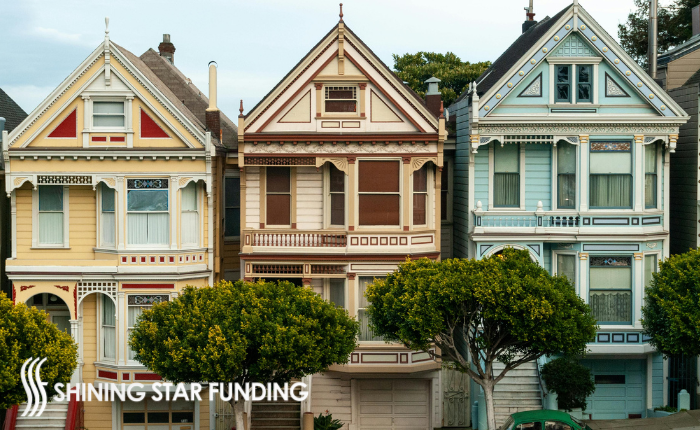
Unlocking the Charm: What Is a Victorian Style House?
When you start your homebuying process, few architectural styles capture the imagination quite like the Victorian home. Often recognized for their intricate details, tall silhouettes, and undeniable curb appeal, these houses are more than just historical artifacts—they are enduring symbols of craftsmanship. Whether you are a first-time buyer drawn to their unique character or an investor recognizing the value of period properties, understanding what defines this iconic style is essential to your search.
At its core, a Victorian style house refers to any residence built during the reign of Queen Victoria of the United Kingdom, which spanned from 1837 to 1901. In the United States, the term is broadly used to describe several architectural movements that flourished during the late 19th century, blending eclectic influences into designs that range from the whimsical to the stately.
Identifying the Signature Features
One of the most exciting parts of the homebuying process is spotting the distinct architectural language that defines these structures. While they vary significantly in size—from grand mansions to narrow rowhouses—they generally share a common set of aesthetic priorities.
- Asymmetrical Designs: Unlike the rigid symmetry of earlier styles like the Georgian, Victorian homes often feature complex, irregular floor plans with wings, bays, and varied projections.
- Steeply Pitched Roofs: You will frequently see multiple gables, dormers, and sometimes even mansard roofs, giving these homes a distinct vertical presence.
- Ornate Decorative Trim: Often called “gingerbread,” the intricate woodwork on porches, eaves, and gable ends is a hallmark of the era, made possible by advancements in machine-cutting during the Industrial Revolution.
- Bay and Turreted Windows: These features add character and capture light, often creating cozy nooks inside that remain highly sought after by modern homeowners.
- Tall, Narrow Windows: As glass production became more efficient, architects embraced the ability to install taller windows, which help the interiors feel airy despite the often compartmentalized floor plans.
- Stained Glass: Frequently found in transoms or entryways, these artistic touches add a layer of sophistication and color.

A Closer Look at Popular Victorian Sub-Styles
Because the Victorian era lasted over 60 years, it encompasses several distinct sub-styles. Knowing these can help you better articulate what you are looking for as you navigate the homebuying process:
| Style | Key Identifying Features |
|---|---|
| Queen Anne | The most iconic “dollhouse” look, featuring wrap-around porches, turrets, and textured shingles. |
| Italianate | Known for wide, overhanging eaves supported by decorative brackets and tall, arched windows. |
| Second Empire | Defined by the dramatic, multi-sided mansard roof which allows for extra living space on the top floor. |
| Gothic Revival | Inspired by medieval churches, these feature pointed gables, decorative bargeboards, and a vertical emphasis. |
| Folk Victorian | A simpler, more accessible version of the style, often found in rural areas with less intricate, machine-cut trim. |
Considerations for Modern Living
For those currently in the homebuying process, it is important to balance your appreciation for history with the realities of 21st-century living. Victorian homes often come with a few unique considerations:
- Layouts: These homes were built in an era that prized distinct, specialized rooms—like formal parlors and servant passages—rather than the open-concept floor plans popular today.
- Maintenance: Because of their age, these structures require diligent care. Pay close attention to original woodwork, roof integrity, and older plumbing or electrical systems during your inspections.
- Renovation Potential: Many buyers find that the “small room” layout is a perfect opportunity for creative renovations, such as opening up the rear of the house for a modern kitchen while keeping the ornate, historical front rooms intact.
Ultimately, these homes offer a sense of permanence and artistry that is difficult to replicate in modern construction. When you fall in love with a Victorian, you are not just buying a house; you are becoming a steward of a piece of architectural history. With the right team of professionals to guide your inspection and renovation plans, a Victorian can be a rewarding, character-filled place to call home.
FAQ's
Victorian homes offer a sense of permanence, artistry, and character that is difficult to replicate in modern construction. Because they are historical assets, they often retain their value well and are highly sought after by buyers who appreciate craftsmanship. With proper maintenance and modernization, a Victorian can be a rewarding and timeless place to call home.
Victorian architecture is prominent in many inner-city neighborhoods in the UK, but in the United States, you can find pockets of these homes in many historic districts. San Francisco’s famous “Painted Ladies” are iconic, but you will also find significant concentrations in cities like Louisville, Atlanta, Brooklyn, and Eureka, California.
Historically, they were not designed with modern insulation standards in mind. However, many features—like high ceilings and tall windows—were originally intended to encourage natural ventilation. If you buy a Victorian, you may need to invest in upgrades like modern insulation, double-paned storm windows, or high-efficiency HVAC systems to improve energy performance.
Victorian homes were built during a time that prized privacy and distinct functional spaces. You may find formal parlors, small galley kitchens, and separate dining rooms rather than the large, open-concept spaces popular today. Many buyers choose to renovate the rear of these homes to create modern, open living zones while keeping the historic front rooms intact.
Victorian homes are historic, and age-related maintenance is a key part of the homebuying process. Key areas to inspect include:
Foundation and framing: Check for bowed walls or sagging joists.
Roof integrity: Ensure the complex rooflines are properly flashed and maintained to prevent water ingress.
Electrical and plumbing: Many older homes have been updated over time, but verify that wiring (such as knob-and-tube) and pipes have been brought up to modern safety standards.
Exterior woodwork: Look for signs of rot in the decorative trim and porch supports.
During the Victorian era, advancements in the paint industry made a wider variety of colors available and affordable. It became fashionable to use multi-colored schemes to highlight the home’s intricate architectural reliefs, trim, and woodwork. This contrast helps define the “Painted Lady” aesthetic common in many historic districts.
Interiors of Victorian homes often reflect the era’s focus on formality and craftsmanship. You will commonly find:
High ceilings: Often 10 feet or higher, creating a sense of grandeur.
Elaborate woodwork: Intricate crown moldings, wainscoting, and carved staircases.
Ornate fireplaces: Often made of carved wood, marble, or stone, serving as focal points in multiple rooms.
Stained glass: Frequently used in transoms, entryways, or bay windows to create colorful lighting.
Compartmentalized rooms: Unlike modern open-concept floor plans, Victorian homes often have distinct, specialized rooms.
Because the era spanned over 60 years, there are several distinct sub-styles. Some of the most recognizable include:
Queen Anne: The “quintessential” Victorian with turrets, wrap-around porches, and stained glass.
Italianate: Inspired by Italian villas, featuring low-pitched roofs, wide eaves with decorative brackets, and tall, narrow windows.
Second Empire: Distinguished by a dramatic, multi-sided mansard roof.
Gothic Revival: Characterized by pointed arches, steep gables, and decorative bargeboards.
Folk Victorian: A simpler, more modest version of the style often found in rural areas with less elaborate trim.
Victorian homes are often described as “dollhouse-like” due to their ornate and complex designs. Common features include:
Steeply pitched roofs: Often with multiple gables and dormers.
Asymmetrical facades: Unlike earlier, symmetrical styles, Victorian homes often feature complex, irregular floor plans.
Ornate trim: Frequently called “gingerbread,” this includes intricate woodwork on porches, eaves, and gable ends.
Towers and turrets: Used to add visual interest and height.
Wrap-around porches: Large, covered porches with decorative railings and columns.
A Victorian style house refers to any residence built during the reign of Queen Victoria of the United Kingdom, which spanned from 1837 to 1901. In the United States, the term is broadly used to describe several architectural movements that flourished during the late 19th century, blending eclectic influences into designs that range from the whimsical to the stately.

527 Sycamore Valley Rd W, Danville, CA 94526
Toll Free Call : (866) 280-0020
For informational purposes only. No guarantee of accuracy is expressed or implied. Programs shown may not include all options or pricing structures. Rates, terms, programs and underwriting policies subject to change without notice. This is not an offer to extend credit or a commitment to lend. All loans subject to underwriting approval. Some products may not be available in all states and restrictions may apply. Equal Housing Opportunity.
Interactive calculators are self-help tools. Results received from this calculator are designed for comparative and illustrative purposes only, and accuracy is not guaranteed. Shining Star Funding is not responsible for any errors, omissions, or misrepresentations. This calculator does not have the ability to pre-qualify you for any loan program or promotion. Qualification for loan programs may require additional information such as credit scores and cash reserves which is not gathered in this calculator. Information such as interest rates and pricing are subject to change at any time and without notice. Additional fees such as HOA dues are not included in calculations. All information such as interest rates, taxes, insurance, PMI payments, etc. are estimates and should be used for comparison only. Shining Star Funding does not guarantee any of the information obtained by this calculator.
Privacy Policy | Accessibility Statement | Term of Use | NMLS Consumer Access
CMG Mortgage, Inc. dba Shining Star Funding, NMLS ID# 1820 (www.nmlsconsumeraccess.org, www.cmghomeloans.com), Equal Housing Opportunity. Licensed by the Department of Financial Protection and Innovation (DFPI) under the California Residential Mortgage Lending Act No. 4150025. To verify our complete list of state licenses, please visit www.cmgfi.com/corporate/licensing