
What is a Ranch Home
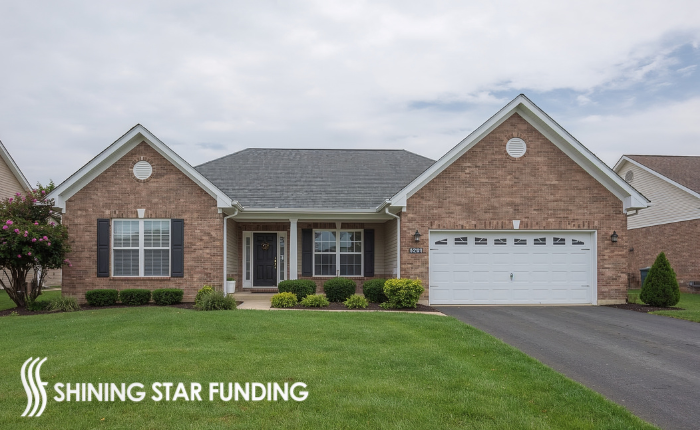
What is a Ranch Home? Understanding the Timeless Appeal of Single-Story Living
Architecture often tells a story about the era in which it was born, and few stories are as distinctly American as that of the ranch house. As you navigate the complexities of the modern homebuying process, you will likely encounter these sprawling, single-story residences in almost every suburban neighborhood across the country. Known for their low-slung profiles and seamless integration with the outdoors, ranch homes have moved from a post-war necessity to a premium choice for diverse demographics in 2026. Whether you are looking for a starter home or a final retirement destination, the ranch style offers a unique blend of functionality and mid-century charm that remains difficult to replicate in modern multi-story builds.
For the first-time homebuyer, the ranch represents an accessible entry point into property ownership without the vertical challenges of older colonial or Victorian styles. For retirees and asset-rich individuals, it provides the ultimate “forever home” layout, eliminating the need for stairs and future-proofing the living space for aging in place. Even real estate investors find ranch homes particularly attractive due to their broad appeal and generally simpler maintenance requirements. Understanding exactly what defines this style is essential for anyone looking to make an informed decision in today’s competitive real estate market.
What is a Ranch Home? Defining the Architectural Blueprint
At its core, a ranch home is a residential architectural style characterized by its single-story layout and long, horizontal footprint. Born in the 1930s in California and inspired by the sprawling haciendas of the Spanish Colonial era, the ranch style exploded in popularity during the 1950s and 60s. The primary philosophy behind the ranch home is simplicity and connection. It was designed to prioritize an open-concept flow and easy access to the backyard, reflecting a shift in American culture toward informal, outdoor-oriented living.
In 2026, the definition of a ranch home remains anchored in its structural DNA: a low-pitched roof with deep eaves, large windows that invite natural light, and a floor plan that often takes the shape of a simple rectangle, an “L,” or a “U.” While modern versions may incorporate high-end materials like smart-glass or sustainable composite siding, the fundamental lack of a second floor is what truly defines the category. For self-employed home buyers who often need to balance residential comfort with a dedicated home office, the horizontal spread of a ranch home provides the perfect opportunity to create distinct zones for work and rest without the acoustic interference often found between floors in vertical homes.

The Essential Characteristics of a Ranch House
Identifying a ranch home in the wild is relatively easy once you know what to look for. While there are several sub-types, most share a common set of features that distinguish them from other single-story options like bungalows or cottages. These elements are key factors to consider during the homebuying process as they impact both the aesthetic and the functional value of the property.
- Single-Story Living: The most obvious trait. All living spaces, bedrooms, and bathrooms are on the main level. While some ranch homes feature finished basements, the core “ranch” definition implies that stairs are not a daily requirement.
- Horizontal Emphasis: Ranch homes are built wide, not tall. They typically feature long, low rooflines with wide overhanging eaves that protect the home from the elements.
- Open Concept Interiors: Unlike the compartmentalized rooms of early 20th-century homes, ranch houses pioneered the “great room” concept, where the kitchen, dining, and living areas flow together.
- Sliding Glass Doors: A hallmark of the style is the “indoor-outdoor” connection. Large glass sliders typically lead from the living area directly to a patio or porch.
- Attached Garages: Ranch homes were among the first to integrate the garage as a primary part of the home’s facade, reflecting the rise of car culture in mid-century America.
Comparing Ranch Sub-Types: Finding Your Perfect Fit
Not all ranch homes are created equal. As the style evolved, several variations emerged to accommodate different lot sizes and regional preferences. For investors and buyers, knowing these sub-types can help in narrowing down searches within the homebuying process.
| Ranch Type | Defining Features | Ideal For |
|---|---|---|
| California Ranch | L-shaped or U-shaped; deep connection to the backyard; usually slab-on-grade. | Entertaining and mild climates. |
| Suburban Ranch | The classic 1950s “tract” home; rectangular; simple, efficient layout. | First-time homebuyers and families. |
| Split-Level Ranch | Features three levels of living separated by half-flights of stairs. | Maximizing space on smaller suburban lots. |
| Raised Ranch | The entrance is between two floors; a finished basement acts as a lower living level. | Self-employed buyers needing a private lower-level office. |
| Storybook Ranch | Features whimsical exterior details like decorative shutters, stone accents, and varied rooflines. | Buyers seeking character over mid-century minimalism. |
The Strategic Advantages of Ranch Home Ownership
Why is the ranch home enjoying such a massive resurgence in 2026? It comes down to a fundamental shift in how we view the utility of a home. For many, the ranch represents the ultimate “efficient” dwelling. Because heat and air conditioning don’t have to travel between floors, these homes can be exceptionally energy-efficient when properly insulated. For retirees, the lack of stairs is a safety and accessibility feature that can’t be overstated, often saving them from a forced move later in life.

Asset-rich individuals often look to ranch homes as high-potential renovation projects. Because of their simple structural lines, they are relatively easy to expand or modernize. Adding a master suite or a vaulted “sunroom” is much more straightforward on a horizontal footprint than it is on a multi-story home. For real estate investors, ranch homes often command a higher price per square foot because of their universal appeal across all age groups, ensuring a broader pool of potential buyers or renters in the future.

Potential Drawbacks to Consider
Despite their many perks, ranch homes aren’t for everyone. The most significant challenge is the “footprint-to-lot” ratio. Because ranch homes spread out horizontally, they require a much larger lot than a two-story home with the same total square footage. In high-density urban areas, this can make ranch homes prohibitively expensive or simply unavailable. Additionally, some buyers find the “low ceilings” of older mid-century ranch homes to be a bit claustrophobic compared to the soaring foyers of modern colonials.
Privacy can also be an issue. On a single level, all bedrooms are essentially at eye-level with the street or the backyard. While landscaping and fencing can mitigate this, it is a factor that some participants in the homebuying process find off-putting. Finally, because the roof and the foundation are the two largest surface areas of the home, maintenance costs for these specific items can be higher for a ranch than for a taller, narrower home of the same size.
Is a Ranch Home Right for You?
Deciding on a ranch home is a move toward a specific kind of lifestyle. It is a choice that favors convenience, flow, and a lack of barriers. If you are a first-time homebuyer looking for a manageable project, or a retiree looking for a graceful way to age in place, the ranch style is almost impossible to beat. It offers a level of flexibility that vertical homes simply cannot provide, allowing for a seamless transition between different stages of life.
In the 2026 market, the ranch home has proven itself to be much more than a vintage relic; it is a timeless architectural solution that addresses the modern need for accessibility and efficiency. As you continue your search, pay close attention to the “bones” of the ranch houses you tour. With a little vision, these horizontal masterpieces can be transformed into high-tech, eco-friendly sanctuaries that will hold their value for decades to come. Would you like me to help you compare the average maintenance costs of a ranch home versus a two-story home in your target region to help you finalize your budget?
FAQ's
In 2026, ranch homes have excellent resale value. Because they appeal to the two largest buying demographics—Millennials starting families (easy supervision of toddlers) and Baby Boomers downsizing—there is always a high demand. Their “timeless” nature and ease of remodeling make them a very safe investment in the homebuying process.
In a two-story home, the bedrooms are usually tucked away upstairs, providing a clear boundary between “public” and “private” space. In a ranch, every room is on the ground floor. This means bedrooms may be closer to the noisy kitchen or visible from the street if windows are left uncovered. Many 2026 buyers solve this by looking for “split-wing” ranch layouts, where the primary suite is on the opposite side of the house from the other bedrooms.
Pros: Because they are single-story, they are easier to heat and cool evenly; you don’t have the “hot upstairs/cold downstairs” problem found in many colonials.
Cons: Because they have more exterior wall and roof surface area relative to their interior volume, they can lose heat faster in extreme winters if they aren’t properly insulated.
Ranch homes are generally easier and safer to maintain. Because the roof is low, cleaning gutters or repairing shingles rarely requires a massive, dangerous ladder. Painting the exterior or washing second-story windows is a DIY-friendly task on a ranch, whereas a two-story home almost always requires professional equipment.
It depends on the region. In the Midwest and Northeast, many ranch homes are built over full basements, which effectively doubles the home’s square footage. In warmer climates like California or the Southwest, they are more commonly built on concrete slabs. For buyers, a ranch with a finished basement offers the “best of both worlds”—single-story living with extra space for a gym or home office.
Per square foot, yes. Ranch homes are often more expensive to build and buy because they require a larger foundation and more roofing material for the same amount of living space. Additionally, because they “sprawl” outward, they require a larger lot, which can drive up the land cost in congested 2026 suburban markets.
The absence of stairs is the primary draw for retirees and those with mobility issues. Having the primary bedroom, laundry, and kitchen all on one level reduces the risk of falls and ensures that the homeowner won’t be “forced out” of their house due to health changes later in life.
Not all ranches are simple rectangles. In 2026, you’ll encounter several variations:
California Ranch: The original L- or U-shaped design meant to blend with nature.
Suburban Ranch: A more compact, symmetrical version of the California style.
Raised Ranch (Split-Entry): Two levels of living space where the front door opens to a landing with stairs leading both up and down.
Split-Level Ranch: Features three staggered levels of living space connected by half-flights of stairs.
Storybook Ranch: A ranch with more ornate, “fairytale” details like gabled roofs and decorative trim.
While designs vary, most ranch homes share these core traits:
Single-Story Layout: No stairs between the main living areas and bedrooms.
Horizontal Orientation: The house spreads out across the lot rather than up.
Open Floor Plan: The kitchen, dining, and living areas often flow together without walls.
Sliding Glass Doors: Designed to provide easy access to a backyard patio or deck.
Large Windows: Often featuring a large “picture window” at the front to let in natural light.
A ranch home is a domestic architectural style characterized by its single-story, low-to-the-ground profile. It typically features an open-concept interior, a long horizontal footprint, and a low-pitched roof with wide overhanging eaves. Often called a “rambler” or “rancher,” the style originated in the American West and was designed to prioritize informal, indoor-outdoor living.

527 Sycamore Valley Rd W, Danville, CA 94526
Toll Free Call : (866) 280-0020
For informational purposes only. No guarantee of accuracy is expressed or implied. Programs shown may not include all options or pricing structures. Rates, terms, programs and underwriting policies subject to change without notice. This is not an offer to extend credit or a commitment to lend. All loans subject to underwriting approval. Some products may not be available in all states and restrictions may apply. Equal Housing Opportunity.
Interactive calculators are self-help tools. Results received from this calculator are designed for comparative and illustrative purposes only, and accuracy is not guaranteed. Shining Star Funding is not responsible for any errors, omissions, or misrepresentations. This calculator does not have the ability to pre-qualify you for any loan program or promotion. Qualification for loan programs may require additional information such as credit scores and cash reserves which is not gathered in this calculator. Information such as interest rates and pricing are subject to change at any time and without notice. Additional fees such as HOA dues are not included in calculations. All information such as interest rates, taxes, insurance, PMI payments, etc. are estimates and should be used for comparison only. Shining Star Funding does not guarantee any of the information obtained by this calculator.
Privacy Policy | Accessibility Statement | Term of Use | NMLS Consumer Access
CMG Mortgage, Inc. dba Shining Star Funding, NMLS ID# 1820 (www.nmlsconsumeraccess.org, www.cmghomeloans.com), Equal Housing Opportunity. Licensed by the Department of Financial Protection and Innovation (DFPI) under the California Residential Mortgage Lending Act No. 4150025. To verify our complete list of state licenses, please visit www.cmgfi.com/corporate/licensing