
What Is A Patio Home
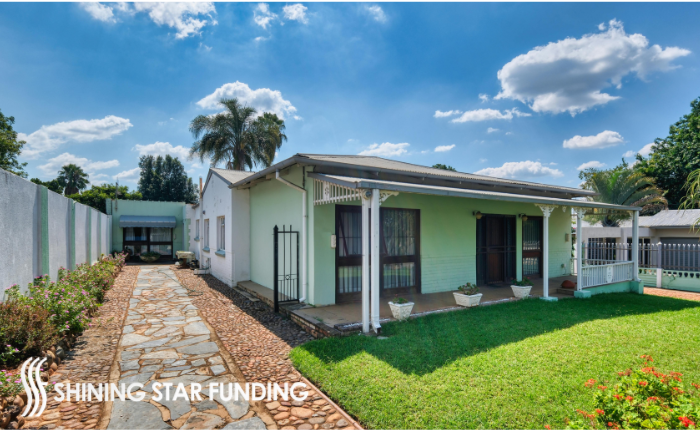
What is a Patio Home? Discover the Perfect Blend of Privacy and Low-Maintenance Living
Navigating the various housing styles available today can feel like a daunting task, especially when you are deep in the homebuying process. From sprawling suburban estates to compact urban lofts, the options are vast. However, Patio Home is a specific type of dwelling that has been gaining immense popularity among those who value a balance of independence and ease. Despite the name suggesting a house that is simply a large porch, the reality of this architectural style is far more nuanced and strategically designed for modern living.
For individuals preparing for their next move, understanding the specific terminology of real estate is a crucial part of the homebuying process. Whether you are a first-time homebuyer looking for a manageable entry into property ownership or a retiree seeking to downsize without sacrificing the feeling of a detached residence, the patio home offers a unique value proposition. Even self employed home buyers and asset-rich individuals seeking for real estate investments find these properties attractive due to their consistent demand and streamlined maintenance requirements. By exploring what makes these homes distinct, you can better determine if this lifestyle aligns with your long-term goals.
What is the Definition of a Patio Home?
If you have ever asked yourself “what is the definition of a patio home,” you aren’t alone. In the real estate industry, a patio home—sometimes called a carriage house or a garden home—is typically a single-family dwelling that is built on a small lot with a focus on a “zero-lot-line” layout. This means that at least one side of the house is built very close to or directly on the edge of the property line. The defining characteristic is not necessarily a literal patio, but rather the fact that the home is usually a single-story or 1.5-story structure with a small, manageable footprint.
A patio home is designed to offer the privacy of a detached house while minimizing the labor-intensive yard work associated with traditional suburban lots. They are often clustered together in planned communities where an association handles the majority of the exterior upkeep. Within the context of the homebuying process, these properties represent a “middle ground” for those who want the autonomy of owning their own walls and roof without the burden of a massive lawn to mow or extensive landscaping to maintain.

Key Characteristics of a Patio House
When you step into a patio house, you will notice several architectural cues that set it apart from a standard colonial or ranch-style home. These features are meticulously planned to maximize space and accessibility, making them highly desirable for a wide range of demographics.
- Single-Story Living: Most patio homes are designed with the primary living spaces, including the master bedroom, on the ground floor. This “no-stairs” approach is a significant draw for retirees and individuals with mobility concerns.
- Compact Footprint: These homes generally share a wall with a neighbor or sit very close together. While they are detached or semi-detached, they prioritize indoor-outdoor flow over large front or back yards.
- Shared Exterior Maintenance: Most patio home communities are part of a Homeowners Association (HOA). For a monthly fee, the association typically takes care of snow removal, lawn care, and sometimes even roof repairs and exterior painting.
- Focus on Private Outdoor Space: While the yard might be small, a patio house usually features a private courtyard, screened-in porch, or—true to its name—a well-designed patio that serves as an extension of the living room.
Patio Home vs Townhome: Clearing the Confusion
One of the most frequent points of confusion for those in the homebuying process is the patio home vs townhome comparison. While they may look similar from a distance, the legal and structural differences are significant. A townhome is typically a multi-story structure where at least two units share a common “party wall.” In a townhouse, you own the land underneath your unit, but you are physically attached to your neighbors on one or both sides.
In contrast, the difference townhome vs. patio homes often comes down to the number of levels and the shared walls. A patio home is usually detached or joined only by a small storage area or fence. Most importantly, a patio home is characterized by its low-profile, single-story design, whereas townhomes almost always feature two or three levels. For real estate investors, understanding this distinction is vital, as the “no-stairs” nature of the patio home often commands a higher resale value among the aging “silver tsunami” demographic.
The Benefits of Choosing a Patio Lifestyle
Why are so many buyers specifically searching for a patio home? The answer lies in the shift toward “lifestyle-first” real estate. For the modern professional or the active retiree, time is the most valuable currency. By eliminating hours spent on property maintenance, owners can focus on travel, hobbies, or business. For asset-rich individuals seeking for real estate investments, these homes offer a “set it and forget it” quality that makes them excellent high-end rental properties.

Common Questions About Patio Homes
| Question | The Reality |
|---|---|
| Are patio homes and condos the same? | No. In a condo, you own the "airspace" inside the unit. In a patio home, you generally own the structure and the land it sits on. |
| Is a patio home always one story? | Usually, yes. Some may have a "loft" space or a bonus room upstairs, but the primary master suite is always on the main level. |
| Do they have high HOA fees? | Fees can be higher than traditional neighborhoods because they include more services like roof replacement and total lawn care. |
| Are they good for families? | While they can work for small families, they are primarily marketed toward couples, single professionals, and seniors due to the smaller yards. |
Analyzing the Investment Potential
From an analytical perspective, the patio home is a resilient asset class. Because they cater to the “downsizing” trend, they often maintain their value even when the broader market for large luxury estates cools. For first-time homebuyers, they offer a way to get into a “detached-style” home at a price point that is often more accessible than a large-lot suburban house. However, it is essential to factor in the HOA fees when calculating your monthly budget. These fees are a permanent part of the homebuying process and can increase over time, affecting your long-term cash flow.
Who Should Buy a Patio Home?
This housing style isn’t for everyone, but for the right buyer, it is a perfect match. If you are a self employed home buyer who travels frequently for work, the “lock and leave” security of an HOA-maintained community is invaluable. If you are a retiree who wants to stay in a house rather than an apartment but can no longer manage a steep driveway or a massive garden, the patio home provides the dignity of independent living with the safety of a managed community
Summary of Differences
To help you visualize the choice, remember that the difference townhome vs. patio homes is essentially a choice between vertical and horizontal living. The townhome utilizes height to provide space, while the patio home utilizes a clever, single-level layout. If your goal in the homebuying process is to avoid stairs and minimize yard work while still having your own four walls, the patio home is the winner. If you need more square footage and don’t mind several flights of stairs, the townhome might be the better fit.

Conclusion: A Smart Move for Your Future
Understanding “what is the definition of a patio home” is more than just a trivia exercise; it is a way to refine your search for the perfect property. By recognizing the unique zero-lot-line design and the focus on main-level living, you can see why these homes are a staple of the modern suburban landscape. Whether you call it a patio house, a garden home, or a villa, the underlying concept remains the same: high-quality living with minimal physical labor.
As you continue your journey through the real estate market, keep these distinctions in mind. The homebuying process is about finding a space that supports your life, not one that dictates your schedule. For the right buyer, the patio home offers the ultimate freedom—the privacy of a single-family home paired with the convenience of a managed community. Take the time to visit a few models, walk the courtyards, and see for yourself why this architectural style has become a favorite for those who want the best of both worlds.
FAQ's
If you are buying new construction, you may have some say in the interior finishes. However, because these homes are part of a cohesive community, the HOA usually has strict rules about exterior modifications. You likely won’t be able to change the paint color or add a fence without explicit approval.
In 2026, patio homes are seeing strong appreciation. As the population ages, the demand for single-story, low-maintenance living is skyrocketing. Because they are often located in gated or “lifestyle” communities with amenities like clubhouses and trails, they remain highly desirable assets for real estate investors.
Typically, no. Most patio homes are built on a concrete slab to maintain their low profile and easy accessibility. However, in some northern climates, you might find “ranch-style” patio homes with full basements, though the primary living space, including the master suite, will always be on the main floor.
Yes, and they can be higher than standard neighborhood fees because they cover more services. When preparing to buy, it is vital to review the HOA documents to see exactly what is included and how much the monthly fee will impact your debt-to-income ratio.
One of the biggest draws of patio homes is the “low-maintenance” promise. Usually, the Homeowners Association (HOA) handles all landscaping, snow removal, and sometimes even exterior roof and siding maintenance. This makes them ideal for anyone who wants the benefits of homeownership without the “weekend warrior” chores.
No. While many are built in pairs (duplexes) or clusters of four, you can find detached patio homes. The “cluster” design is simply a way for developers to fit more units into a community while still offering the privacy of a single-family residence.
These homes are a favorite among:
Retirees: The single-level living is perfect for aging in place.
Asset-Rich Individuals: Those who want a high-end “lock-and-leave” lifestyle for travel.
First-Time Homebuyers: They offer a more affordable entry point into desirable neighborhoods compared to large estates.
Self-Employed Home Buyers: Professionals who want the privacy of a home without the time-consuming burden of yard work.
Not quite, though they share similarities:
Vs. Townhome: Townhomes are typically at least two stories and share side walls. Patio homes are usually single-story and may be detached or attached.
Vs. Condo: In a condo, you own the interior “airspace.” With a patio home, you generally own the structure and the small lot it sits on, though an HOA typically manages the exterior maintenance.
While most do feature a prominent outdoor living space, the name actually refers to the “footprint” of the house rather than the outdoor feature itself. In the homebuying process, you’ll find that the “patio” in the name signifies that the home is built close to the ground, usually on a slab, making it easily accessible without many stairs.
A patio home, sometimes called a “carriage home” or “cluster home,” is a single-family dwelling that is typically built with a very small lot and is often attached to other units. The defining characteristic is its size and height—most patio homes are capped at one or one-and-a-half stories. They are designed to maximize living space on a minimal footprint.

527 Sycamore Valley Rd W, Danville, CA 94526
Toll Free Call : (866) 280-0020
For informational purposes only. No guarantee of accuracy is expressed or implied. Programs shown may not include all options or pricing structures. Rates, terms, programs and underwriting policies subject to change without notice. This is not an offer to extend credit or a commitment to lend. All loans subject to underwriting approval. Some products may not be available in all states and restrictions may apply. Equal Housing Opportunity.
Interactive calculators are self-help tools. Results received from this calculator are designed for comparative and illustrative purposes only, and accuracy is not guaranteed. Shining Star Funding is not responsible for any errors, omissions, or misrepresentations. This calculator does not have the ability to pre-qualify you for any loan program or promotion. Qualification for loan programs may require additional information such as credit scores and cash reserves which is not gathered in this calculator. Information such as interest rates and pricing are subject to change at any time and without notice. Additional fees such as HOA dues are not included in calculations. All information such as interest rates, taxes, insurance, PMI payments, etc. are estimates and should be used for comparison only. Shining Star Funding does not guarantee any of the information obtained by this calculator.
Privacy Policy | Accessibility Statement | Term of Use | NMLS Consumer Access
CMG Mortgage, Inc. dba Shining Star Funding, NMLS ID# 1820 (www.nmlsconsumeraccess.org, www.cmghomeloans.com), Equal Housing Opportunity. Licensed by the Department of Financial Protection and Innovation (DFPI) under the California Residential Mortgage Lending Act No. 4150025. To verify our complete list of state licenses, please visit www.cmgfi.com/corporate/licensing