
What Is a Cottage Style Home
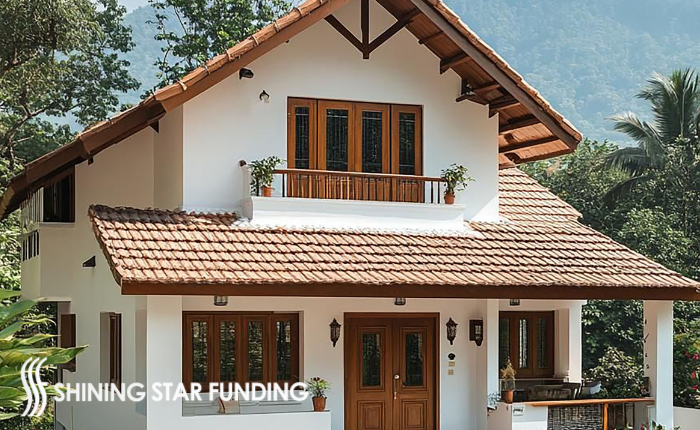
What Is a Cottage Style Home? A Timeless Architectural Guide
There is a certain undeniable magic associated with the word cottage. It evokes images of cozy evenings by a fireplace, blooming perennial gardens, and a sense of warmth that feels inherently welcoming. For many, finding a home that feels like a sanctuary is the ultimate goal of the homebuying process. But beyond the storybook aesthetic, what actually defines a cottage style home? Understanding the architectural DNA and historical context of these structures is key for anyone looking to invest in a property that balances charm with enduring value.
At its core, a cottage style home is characterized by a modest, often informal design that prioritizes human-scale comfort over grandiose proportions. While origins vary—from medieval English rural dwellings to 19th-century American vacation retreats—the defining features remain remarkably consistent: a sense of intimacy, detailed craftsmanship, and a seamless connection to the outdoors.
Defining the Architectural Identity
When you start your search, identifying a true cottage requires looking past the landscaping. These homes are defined by specific elements that have evolved over centuries. To better visualize these components, consider the following structural breakdown:
- Steeply Pitched Roofs: Cottages often feature high roof slopes, sometimes with cross-gables, which historically helped shed rain and snow in northern climates.
- Cozy Front Porches: A hallmark of the style, the porch serves as an extension of the living space, inviting community and relaxation.
- Natural Materials: Exterior finishes typically include wood siding, brick, stone, or even stucco, emphasizing a connection to the environment.
- Small-Pane Windows: You will often find windows divided into multiple small panes, which contribute to that quaint, historic aesthetic.
- Asymmetrical Facades: Unlike formal colonial or neoclassical architecture, cottage designs often embrace a more organic, asymmetrical layout.
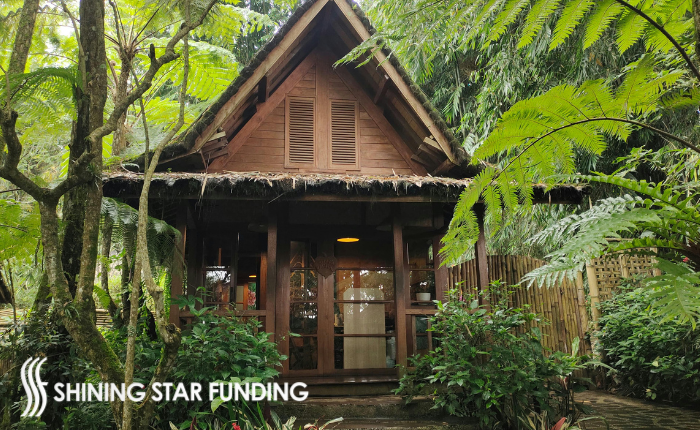
The Evolution of the Cottage
The history of the cottage is a fascinating study of necessity turning into a preferred lifestyle. Originally, the term described a small rural house for farmers. As urbanization increased in the 19th century, wealthy individuals sought an escape from the city, leading to the creation of the cottage ornée—or ornamental cottage. These were designed to look like simple, rural dwellings but were often luxurious in their interior finishings.
In the United States, the style evolved into the English Cottage or Storybook style during the early 20th century. Designers began incorporating irregular rooflines, arched doorways, and textured materials to create homes that looked like they were plucked directly from a fairy tale. Today, for those navigating the homebuying process, these homes represent a blend of historical character and manageable square footage, making them highly desirable for retirees and young professionals alike.
Why Investors and Homebuyers Choose Cottages
It is not just the aesthetic that draws buyers to these homes; it is the versatility of the investment. For real estate investors, a well-maintained cottage can be a goldmine. Their charm makes them excellent candidates for short-term vacation rentals or high-demand long-term leases. For retirees, the smaller footprint is often much easier to maintain than a sprawling suburban mansion, offering a lifestyle shift toward quality over quantity.
When you are in the middle of the homebuying process, comparing a cottage to other architectural styles can reveal differences in long-term maintenance and appeal:
| Feature | Cottage Style | Modern/Contemporary |
|---|---|---|
| Vibe | Warm, cozy, historic | Sleek, open, minimalist |
| Space | Efficient, smaller rooms | Open concept, large volume |
| Exterior | Textured, varied, organic | Clean lines, glass, steel |
| Landscape | Cottage garden, lush | Structured, xeriscape, minimal |
Modern Interpretations
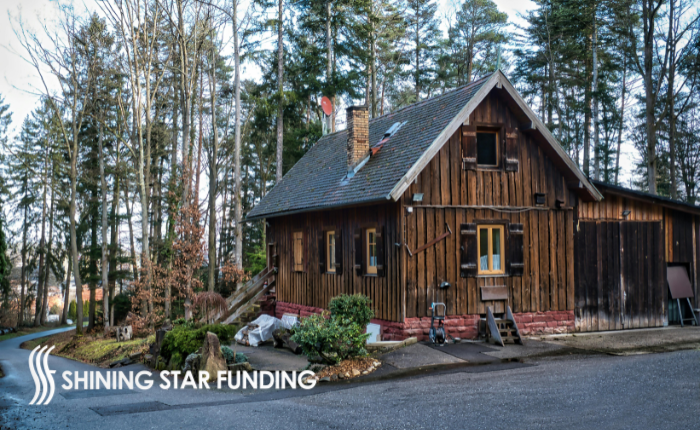
The cottage style continues to adapt. Modern designers are blending the classic, cozy elements of traditional cottages with modern energy efficiency and open floor plans. This evolution is particularly important for self-employed home buyers or individuals seeking a property that functions well for both working from home and hosting small gatherings. You might find a home with a historic exterior, such as board-and-batten siding and a stone chimney, housing a bright, open-plan kitchen and updated infrastructure.
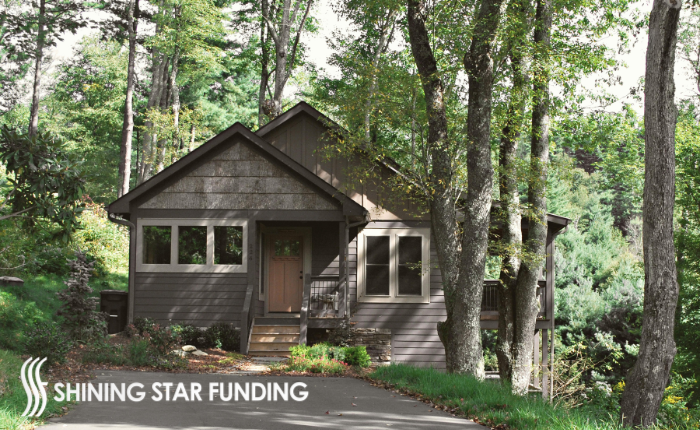
Key Considerations for Prospective Owners
Because these homes are often older, there are specific factors you should keep in mind:
- Foundation Integrity: Older cottages may have basements or crawl spaces that require inspection for moisture issues.
- Roof Maintenance: The complexity of multi-pitched roofs means that roofing repairs can sometimes be more involved than on simpler structures.
- Insulation and Systems: Older cottages may need updates to electrical, plumbing, and insulation to meet modern standards for comfort and cost-efficiency.
- Character Preservation: If you are looking at a historic home, check if it falls under any preservation ordinances that might restrict how you can modify the exterior.
Despite these considerations, the enduring appeal of the cottage remains steadfast. It is a home style that feels less like a product of mass production and more like a work of art. Whether you are looking for a weekend retreat or a permanent place to settle down, the cottage offers a unique blend of human-scale architecture and timeless beauty that continues to captivate the real estate market.
As you continue your search, remember that every property is unique. While the classic features—such as dormer windows and welcoming entryways—provide a foundation for identification, the true value of a cottage lies in its ability to offer a peaceful, cozy environment that feels inherently like home.
FAQ's
It refers to both! While the architecture defines the exterior, “cottage-style” interior design focuses on comfort and nostalgia. Think cozy nooks, open shelving with mismatched dishes, layered textiles, and vintage or antique furniture. You can achieve this aesthetic in many types of homes, even if you don’t live in a literal cottage!
If your dream cottage is in a rural or remote area, don’t forget to test the practicalities. Check mobile signal strength and available internet speeds. Also, spend time in the neighborhood at different times of day to ensure the “peace and quiet” you expect is actually what you get, and verify the proximity of essential services like grocery stores and doctors.
Traditional cottages were designed to be functional, but they were not built with modern energy efficiency in mind. While their compact size helps reduce heating and cooling costs, older models may lack modern insulation. It is important to review the Energy Performance Certificate (EPC) before buying to see what realistic upgrades are needed.
Often, yes. Features like thatched roofs, original stonework, or bespoke joinery can be costly and time-consuming to maintain. You should budget 1%–3% of the purchase price annually for ongoing repairs and be prepared for potential higher insurance premiums if the cottage is classified as “non-standard construction.
In many cases, yes. Older cottages—especially those in historic or conservation districts—may be “listed” or legally protected. This means you might need special permission from the local authority to alter the exterior, change window types, or build an extension. Always check local bylaws before making an offer if you plan to renovate.
Older cottages can have unique challenges. Always hire a building surveyor experienced with older properties to check for damp, subsidence, woodworm in beams, or issues with original foundations. You should also have the electrical, plumbing, and insulation systems inspected, as these may need updates to meet modern efficiency standards.
Yes, they can be excellent investments. Their charm and “cozy” appeal often make them highly desirable for short-term vacation rentals or as boutique long-term rentals. However, you must carefully evaluate the maintenance costs, as older cottages may require more frequent updates than modern builds.
There are several variations, including:
- English Cottage: Known for steeply pitched roofs, casement windows, and stone or brick construction.
Coastal Cottage: Common in areas like Cape Cod, featuring broad front porches and weather-resistant siding.
French Country Cottage: Features stucco or stone facades, clay tile roofs, and rustic elegance.
Craftsman Cottage: Borrowing from the Arts and Crafts movement, these often feature exposed rafters, tapered columns, and built-in furniture.
Generally, yes. While definitions vary, most cottage-style homes are designed to be compact and cozy, rarely exceeding 2,000 square feet. This smaller footprint is a core part of the style’s appeal, promoting “simpler living” and reducing the time and money spent on maintenance compared to larger estates.
Cottage-style homes typically feature a smaller footprint (often 1,000–2,000 square feet), steeply pitched gable roofs, asymmetrical facades, and charming details like bay windows or dormers. They often incorporate natural materials such as stone, brick, or wood siding and prioritize a warm, inviting entry.

527 Sycamore Valley Rd W, Danville, CA 94526
Toll Free Call : (866) 280-0020
For informational purposes only. No guarantee of accuracy is expressed or implied. Programs shown may not include all options or pricing structures. Rates, terms, programs and underwriting policies subject to change without notice. This is not an offer to extend credit or a commitment to lend. All loans subject to underwriting approval. Some products may not be available in all states and restrictions may apply. Equal Housing Opportunity.
Interactive calculators are self-help tools. Results received from this calculator are designed for comparative and illustrative purposes only, and accuracy is not guaranteed. Shining Star Funding is not responsible for any errors, omissions, or misrepresentations. This calculator does not have the ability to pre-qualify you for any loan program or promotion. Qualification for loan programs may require additional information such as credit scores and cash reserves which is not gathered in this calculator. Information such as interest rates and pricing are subject to change at any time and without notice. Additional fees such as HOA dues are not included in calculations. All information such as interest rates, taxes, insurance, PMI payments, etc. are estimates and should be used for comparison only. Shining Star Funding does not guarantee any of the information obtained by this calculator.
Privacy Policy | Accessibility Statement | Term of Use | NMLS Consumer Access
CMG Mortgage, Inc. dba Shining Star Funding, NMLS ID# 1820 (www.nmlsconsumeraccess.org, www.cmghomeloans.com), Equal Housing Opportunity. Licensed by the Department of Financial Protection and Innovation (DFPI) under the California Residential Mortgage Lending Act No. 4150025. To verify our complete list of state licenses, please visit www.cmgfi.com/corporate/licensing