
Undeveloped Land
The Blank Canvas: Mastering the Potential of Undeveloped Land
The journey toward property ownership often begins with a finished structure, but for those with a vision for the future, the most rewarding path starts with a patch of earth. For decades, the concept of homeownership has been synonymous with buying existing houses, yet a growing movement of pioneers is looking toward the horizon of the Great Outdoors. Whether you are a young professional dreaming of a custom-built retreat, a self employed home buyer seeking a location for a home-based business, or a retiree looking to secure a quiet corner of the world, the acquisition of raw acreage offers a unique set of opportunities. Stepping away from the suburban cookie-cutter model allows for a deeper connection to the environment and a level of creative control that no renovation can match.
However, the transition from a dirt lot to a finished residence is a marathon, not a sprint. It requires a sophisticated understanding of logistics, finance, and legal boundaries. Real estate investors and asset-rich individuals seeking for real estate investments often view acreage as a long-term play, a hedge against inflation, and a way to control their destiny. But before you break ground, you must understand the complexities of what lies beneath and above the surface. Navigating the world of unbuilt property is about more than just a view; it is about infrastructure, zoning, and the patience to see a project through from the first survey to the final shingle.
What is Undeveloped Land?
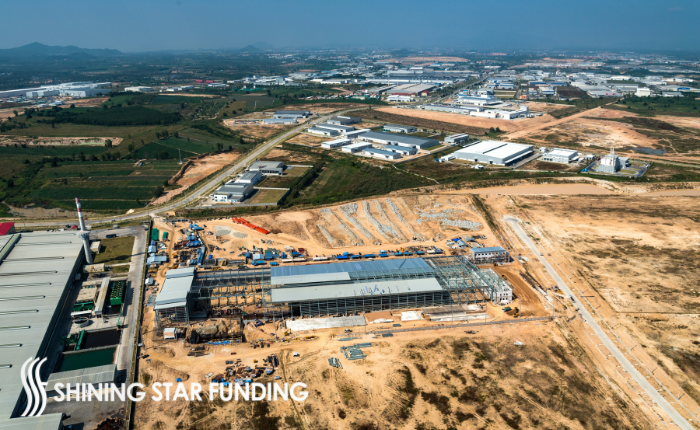
Undeveloped land, often referred to as raw land, is a parcel of property that lacks basic infrastructure and utilities. It hasn’t been prepared for building; there are no roads, sewers, water lines, or electrical connections. Unlike “improved land,” which might have been graded or have utility hookups waiting at the curb, raw land is in its natural state. Its characteristics can vary wildly, ranging from dense forests and rocky terrain to flat prairies or wetlands. In the eyes of the homeownership market, this is the most fundamental form of real estate.
Common uses for raw land go beyond just residential development. Many people buy vacant land for agricultural purposes, such as farming or ranching. Others use it for recreation, like hunting, camping, or off-roading. Some investors purchase parcels as a “buy and hold” strategy, waiting for urban sprawl to increase the property’s value. Regardless of the intent, investing in land requires a different mindset than buying a finished home. You are buying potential, and with that potential comes the responsibility of bringing the property to life.

What are the Pros of Buying Undeveloped Land?
For those asking is buying land a good investment, the advantages are often tied to the long-term freedom it provides. Here are some of the primary benefits:
- Flexibility and Customization: You aren’t limited by someone else’s floor plan. You can position your home to maximize natural light, preserve specific trees, or ensure the best possible views. This level of personalization is the ultimate dream for many in the pursuit of homeownership.
- Lower Purchase Price: Pound for pound, raw land is significantly cheaper to buy than developed property. This lower barrier to entry allows you to secure a larger acreage than you could afford if it already had a house on it.
- Low Maintenance Costs: Until you begin building, your “upkeep” is minimal. You don’t have a roof to fix, a furnace to service, or an aging plumbing system. Your primary expenses are property taxes and perhaps basic brush clearing.
- Less Competition: Most buyers want a move-in-ready home. By looking for land, you are operating in a market with fewer competitors, which can lead to better negotiation opportunities.
- Potential Return on Investment: If you buy in a path of future development, the appreciation can be massive. This is why investing in land is a favorite strategy for those with a decades-long financial horizon.
What are the Cons of Buying Undeveloped Land?
While the allure is strong, the challenges are equally significant. Transitioning from a buyer to an owner of a functional home involves several hurdles:
- Lack of Infrastructure: You are responsible for bringing in everything. This includes drilling a well, installing a septic system, and paying the utility company to run lines to your site. This is often where the most significant land buying tips focus: don’t underestimate the cost of the basics.
- Financing Difficulties: Lenders view raw land as a higher risk because there is no building to serve as collateral. You will often face higher interest rates and requirements for larger down payments—sometimes as high as 50%.
- Zoning and Permitting Challenges: Just because you own the dirt doesn’t mean you can do whatever you want with it. Zoning laws might prohibit residential use, or environmental regulations might protect certain areas of your lot from any construction.
- Permitting Costs and Easements: Getting the legal right to build involves various fees. Additionally, you may find that utility companies or neighbors have easements, giving them the legal right to cross your property or run lines through it.
- Time: Building from scratch takes much longer than a traditional purchase. It can take months just to get the necessary approvals before a single foundation is poured.
Costs Associated with Developing Raw Land
When planning your budget, the purchase price is only the beginning. One of the most critical questions to answer is: how much does it cost to develop land? The answer varies by region, but you must account for several major categories. Site preparation involves clearing trees, leveling the ground, and building a driveway. Utility installation can range from a few thousand dollars to tens of thousands depending on the distance from the nearest connection point. Impact fees and building permits also add to the tally. For many, these “invisible” costs can equal or exceed the initial price of the land itself. Careful financial planning is a hallmark of successful homeownership in the raw land sector.

Financing Options for Undeveloped Land
Since standard mortgages don’t apply to dirt, you’ll need to explore alternative routes. Raw land loans are specialized products with shorter terms and higher rates. Seller financing is a common alternative, where the person selling the land acts as the bank, often with more flexible terms than a traditional institution. There are also government programs, such as USDA loans, that can sometimes be used for land if you intend to build a primary residence in a rural area. For asset-rich individuals seeking for real estate investments, using a home equity loan from an existing property to buy vacant land is a popular strategy to secure a low interest rate.
How to Buy and Finance Undeveloped Land
Success in this arena is built on a foundation of due diligence. Follow these steps to ensure your investment is sound:
- Do Research and Due Diligence: Check the zoning laws and future development plans for the area. Is there a highway planned for the backyard? Are there restrictions on the type of structure you can build?
- Conduct a Land Survey and Environmental Tests: A survey defines the exact boundaries of what you are buying. Environmental tests, such as a “perc test,” determine if the soil can support a septic system. Without a passing perc test, you might not be able to build at all.
- Apply for a Land Loan: Gather your documents and be prepared for a rigorous application process. You will need a clear plan for how you intend to use the land to satisfy the lender’s risk assessment.
- Understand Legal Considerations: Review the title for any liens, encumbrances, or easements. Working with a real estate attorney is highly recommended to ensure the “bundle of rights” you are buying is intact.
Analysis of Land Development Costs
| Expense Category | Estimated Cost Range | Priority Level |
|---|---|---|
| Land Survey | $500 – $2,500 | Essential |
| Soil/Perc Testing | $1,000 – $3,000 | Critical for building |
| Utility Hookups (Water/Electric) | $5,000 – $30,000+ | High |
| Septic System Installation | $5,000 – $15,000 | Essential for Rural |
| Driveway/Access Road | $2,000 – $10,000 | Moderate |

Summary: Is Investing in Land Right for You?
The decision to buy vacant land is a commitment to a vision. It is not the easiest path to homeownership, but it is often the most personal. By following professional land buying tips and conducting thorough research, you can mitigate the risks and capitalize on the rewards. Whether your goal is a quiet retreat for retirement or a strategic move in a growing market, undeveloped land remains one of the few ways to truly build a legacy from the ground up. Take your time, calculate your costs, and remember that every great estate started as a simple piece of earth.
FAQ's
Buying land is best for those with a long-term vision and extra capital. If you need a place to live within the next six months, raw land is likely not for you. However, if you want to build a bespoke home and are willing to navigate the permitting and construction process, it can offer a high return on investment and a truly unique living experience.
Never buy land “sight unseen.” You should:
Conduct an environmental test: Ensure there is no soil contamination or protected wetlands.
Verify zoning: Confirm the land is zoned for “residential” use.
Check for “legal access”: Ensure the land isn’t “landlocked” (surrounded by other private property with no road access).
Raw Land Loans: Offered by specialized lenders or local credit unions.
Seller Financing: The current owner acts as the “bank,” allowing you to make payments directly to them.
Government Programs: The USDA offers “Section 523” and “524” loans for low-to-moderate-income families looking to develop land in rural areas.
Lenders view land loans as higher risk because there is no “house” to serve as collateral if you stop paying. If you default, the bank is left with a plot of dirt that is harder to sell than a home. Because of this, land loans typically require higher down payments (often 30% to 50%) and carry higher interest rates.
The purchase price is just the beginning. You must also budget for:
Land Survey: To mark legal boundaries ($500–$2,000+).
Perc Test: To see if the soil can support a septic system.
Utility Hookups: Bringing in electricity or digging a well (can cost tens of thousands).
Permitting Fees: Impact fees and building permits required by the county.
An easement is a legal right for someone else to use a portion of your land for a specific purpose. For example, a utility company may have an easement to run power lines across your lot, or a neighbor may have a “right of way” to drive across your property to reach theirs. These can limit where you are allowed to build your home.
The primary challenge is the lack of infrastructure. Bringing in water, power, and sewage systems can be incredibly expensive. Additionally, you may face strict zoning and permitting hurdles that dictate exactly what can be built, potentially stalling your timeline for years.
Customization: You have total control over the home’s design and placement.
Lower Price Point: Raw land is significantly cheaper to purchase than land with a structure.
Low Maintenance: Without a building, there are no pipes to burst or roofs to leak; your only major cost is usually property taxes.
Low Competition: Most homebuyers are looking for move-in-ready houses, leaving more inventory for land buyers.
While many buyers purchase land to build a primary residence, other common uses include:
Investment: Holding the land as it appreciates in value to sell later.
Recreation: Using the space for camping, hunting, or off-roading.
Agriculture: Utilizing the soil for small-scale farming or livestock.
Undeveloped land, often called “raw land,” is a plot of earth that has not been improved by human structures. Its primary characteristics include a lack of utilities (no electricity, water, or sewer), no paved roads, and no existing buildings. It is essentially a “blank canvas” for future development.

527 Sycamore Valley Rd W, Danville, CA 94526
Toll Free Call : (866) 280-0020
For informational purposes only. No guarantee of accuracy is expressed or implied. Programs shown may not include all options or pricing structures. Rates, terms, programs and underwriting policies subject to change without notice. This is not an offer to extend credit or a commitment to lend. All loans subject to underwriting approval. Some products may not be available in all states and restrictions may apply. Equal Housing Opportunity.
Interactive calculators are self-help tools. Results received from this calculator are designed for comparative and illustrative purposes only, and accuracy is not guaranteed. Shining Star Funding is not responsible for any errors, omissions, or misrepresentations. This calculator does not have the ability to pre-qualify you for any loan program or promotion. Qualification for loan programs may require additional information such as credit scores and cash reserves which is not gathered in this calculator. Information such as interest rates and pricing are subject to change at any time and without notice. Additional fees such as HOA dues are not included in calculations. All information such as interest rates, taxes, insurance, PMI payments, etc. are estimates and should be used for comparison only. Shining Star Funding does not guarantee any of the information obtained by this calculator.
Privacy Policy | Accessibility Statement | Term of Use | NMLS Consumer Access
CMG Mortgage, Inc. dba Shining Star Funding, NMLS ID# 1820 (www.nmlsconsumeraccess.org, www.cmghomeloans.com), Equal Housing Opportunity. Licensed by the Department of Financial Protection and Innovation (DFPI) under the California Residential Mortgage Lending Act No. 4150025. To verify our complete list of state licenses, please visit www.cmgfi.com/corporate/licensing