
Townhouse
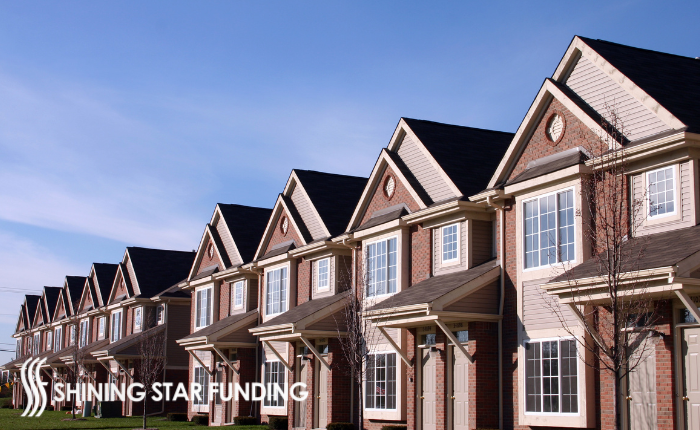
Townhouse vs. Single-Family Home: Navigating Your Path to Homeownership in 2026
The journey toward property acquisition has shifted significantly as we move through 2026. Buyers today are balancing a desire for personal space with the practicalities of rising urban density and a focus on sustainable living. Within the broad category of homeownership, the debate often centers on two primary contenders: the modern townhouse and the classic single-family home. While one offers a streamlined, community-oriented lifestyle, the other promises the ultimate in privacy and autonomy. Deciding which path to take requires a deep dive into the structural, financial, and lifestyle differences that define these two popular housing types.
For many entering the market now—including self-employed professionals and first-time buyers—the choice is less about tradition and more about “fit.” A townhouse might offer an affordable entry point in a high-demand urban center, while a single-family home serves as a long-term sanctuary with room to grow. As interest rates stabilize and new design trends prioritize efficiency, understanding the nuances of homeownership in these specific formats is essential. This exploration will help clarify the pros and cons of each, ensuring that the property you choose aligns with both your current budget and your future goals.
What are the main differences between a town house and a single-family home?
At its core, the distinction between a townhouse and a single-family home is rooted in architectural structure and land usage. A townhouse is an “attached” dwelling, meaning it shares at least one wall with a neighboring unit. These homes are typically multi-storied and arranged in a row or a cluster. In contrast, a single-family home is a “detached” structure that stands alone on its own plot of land, with no shared walls and a clear perimeter of space around the entire building.
Ownership also carries different legal weight in each scenario. When you buy a single-family home, you generally own the entire structure and the land it sits on, giving you full control over the yard, the exterior, and the footprint. Townhouse owners also typically own the land beneath their specific unit, but they share “common areas”—such as parking lots, parks, or community pools—with their neighbors. This shared ownership usually necessitates a Homeowners Association (HOA), which manages the collective property but also imposes rules that can limit your freedom to customize the exterior of your home.

Comparing townhomes and single-family houses: A Quick Look
| Feature | Townhouse | Single-Family Home |
|---|---|---|
| Physical Structure | Attached (shared walls) | Detached (freestanding) |
| Average Price (2026) | Lower (Approx. 15-20% less) | Higher (Market premium) |
| Maintenance | Low (HOA often handles exterior) | High (Owner handles everything) |
| Privacy | Moderate (Shared walls/common areas) | High (Private yard/buffer zone) |
| Land Ownership | Small private lot + shared areas | Full private parcel |
Pros and cons of buying a town house
For those looking for a “lock-and-leave” lifestyle, the townhouse is often the gold standard. One of the primary benefits is affordability. In 2026, the median price for a townhouse remains significantly lower than that of a detached home, making it a viable option for those who want to live in prime locations near city centers. Furthermore, the presence of an HOA means that much of the exterior maintenance—such as lawn care, snow removal, and roof repairs—is handled by professionals, freeing up your weekends for travel or work.
However, the townhouse lifestyle comes with trade-offs. The most notable con is the limited privacy. Sharing a wall means you may occasionally hear your neighbors, and your private outdoor space is usually limited to a small patio or balcony. Additionally, monthly HOA fees are a mandatory expense that can increase over time. These fees cover amenities like gyms or pools, but for some, the rules governing everything from paint colors to pet sizes can feel overly restrictive, especially for those who value total autonomy in their homeownership journey.
Pros and cons of buying a traditional home
The single-family home remains the quintessential dream for many, largely due to the freedom it provides. The most significant “pro” is the control you have over your environment. Want to paint your house bright blue, install a massive garden, or build an ADU (Accessory Dwelling Unit) for extra income? In a detached home, these decisions are yours to make. There is also the benefit of space; you’ll typically have a larger yard for children or pets to roam, and the lack of shared walls ensures a much quieter living experience.

On the flip side, the drawbacks are mostly financial and labor-related. Traditional homes are more expensive to purchase and require a larger down payment. Once you move in, you are the “chief maintenance officer.” If the roof leaks or the furnace fails, the responsibility and the cost fall entirely on your shoulders. Utility bills are also typically higher, as you don’t have the shared insulation benefit of an attached neighbor. For busy professionals or retirees, the constant cycle of mowing, weeding, and painting can become a significant drain on time and energy.
Should you buy a townhome or a single-family home?
Making the right choice depends on where you are in life and what you value most. If you are a first-time homebuyer or a busy professional who prioritizes a short commute and community amenities over a big backyard, a townhouse is likely your best bet. It provides a more accessible entry into the market and a predictable maintenance schedule. Retirees also frequently favor townhomes as they downsize, trading the “work” of a large property for the ease of an association-managed community.
If you have a growing family, value solitude, or see your home as a long-term “project” that you want to customize, the single-family home is the winner. While the upfront costs are higher, detached homes historically appreciate faster than townhouses because you own more land—an asset that only becomes more valuable as urban sprawl continues. Ultimately, the best choice is the one that allows you to enjoy the benefits of homeownership without feeling “house-rich but time-poor.” Analyze your daily routine, your 5-year plan, and your comfort level with DIY repairs before signing on the dotted line.
FAQ's
Rarely. Most townhouse communities require a uniform appearance to maintain the neighborhood’s aesthetic and property values. Any changes to the exterior—like changing windows, adding a deck, or even hanging certain types of curtains—usually require approval from the HOA board. In a single-family home, unless you are in a restricted subdivision, you generally have the freedom to make your home look exactly how you want.
In 2026, nearly 1 in 5 new homes being built is a townhouse, specifically to help first-time buyers enter the market. If your priority is affordability and convenience, a townhouse is often the better “starter home.” It allows you to build equity without the overwhelming maintenance of a detached house. If you value privacy and long-term growth and have the budget for a larger down payment, stretching for a single-family home may be worth it.
Both are solid paths to homeownership, but they serve different investment goals. A single-family home is often a better long-term equity play because land value drives appreciation. However, townhouses can be excellent rental properties for investors because the HOA manages the exterior, reducing the “landlord stress” of maintaining a yard or roof from afar. In high-demand urban areas, townhouses often appreciate just as fast as detached homes due to scarcity.
Usually, the single-family home is preferred due to the private, fenced yard and more interior square footage. However, modern 2026 townhouse developments are increasingly being built with “family-friendly” designs, including small private courtyards and proximity to community playgrounds. If you have an active large dog, the lack of a private yard in a townhouse might be a dealbreaker.
The primary downside is full responsibility. If the roof leaks or the HVAC fails, you are the one who has to find a contractor and pay the bill. You also have to spend your weekends on yard work and exterior upkeep, which can be time-consuming and expensive. For a single-family home, experts in 2026 recommend setting aside 1% of the home’s value annually just for maintenance, which can be a significant addition to your budget.
The single-family home is the gold standard for privacy and freedom. With no shared walls and a private yard, you have a significant buffer between you and your neighbors. You also have the freedom to customize and expand—whether that’s adding an extra bedroom, painting the house a bold color, or installing a private pool. Historically, detached homes also appreciate faster (roughly 2-3% more annually) because they include a larger portion of private land.
The main “cons” are limited privacy and less autonomy. Sharing walls means you are more likely to hear your neighbors (and they can hear you). You also have less private outdoor space, usually limited to a small patio or balcony. Furthermore, you must follow strict HOA rules regarding everything from the color of your front door to where you park your car, which can be frustrating for those who want total control over their property.
For many entering the homeownership market, the biggest “pro” is low-maintenance living. Because the HOA typically handles roof repairs, siding, snow removal, and landscaping, it is a “lock-and-leave” lifestyle perfect for busy professionals or retirees. Additionally, townhouse communities often feature shared amenities you might not afford on your own, such as a community pool, fitness center, or gated security.
Generally, townhouses are the more affordable entry point. In 2026, the national median price for a townhouse is roughly $365,000, compared to over $434,000 for a single-family home—a gap of about 16%. However, while the purchase price is lower, townhouses often come with monthly HOA fees (typically ranging from $200 to $400) that cover exterior maintenance and amenities. Single-family homes have higher upfront costs and taxes but allow you to control exactly when and how much you spend on repairs.
The most significant difference is the physical structure. A townhouse is an “attached” home, meaning it shares one or two walls with neighboring units, often in a row or cluster. A single-family home is “detached,” standing alone on its own plot of land with no shared walls. In terms of homeownership, buying a single-family home usually gives you full control over the land and the exterior, while townhouse owners often share the responsibility (and rules) for exterior maintenance and common areas through a Homeowners Association (HOA).

527 Sycamore Valley Rd W, Danville, CA 94526
Toll Free Call : (866) 280-0020
For informational purposes only. No guarantee of accuracy is expressed or implied. Programs shown may not include all options or pricing structures. Rates, terms, programs and underwriting policies subject to change without notice. This is not an offer to extend credit or a commitment to lend. All loans subject to underwriting approval. Some products may not be available in all states and restrictions may apply. Equal Housing Opportunity.
Interactive calculators are self-help tools. Results received from this calculator are designed for comparative and illustrative purposes only, and accuracy is not guaranteed. Shining Star Funding is not responsible for any errors, omissions, or misrepresentations. This calculator does not have the ability to pre-qualify you for any loan program or promotion. Qualification for loan programs may require additional information such as credit scores and cash reserves which is not gathered in this calculator. Information such as interest rates and pricing are subject to change at any time and without notice. Additional fees such as HOA dues are not included in calculations. All information such as interest rates, taxes, insurance, PMI payments, etc. are estimates and should be used for comparison only. Shining Star Funding does not guarantee any of the information obtained by this calculator.
Privacy Policy | Accessibility Statement | Term of Use | NMLS Consumer Access
CMG Mortgage, Inc. dba Shining Star Funding, NMLS ID# 1820 (www.nmlsconsumeraccess.org, www.cmghomeloans.com), Equal Housing Opportunity. Licensed by the Department of Financial Protection and Innovation (DFPI) under the California Residential Mortgage Lending Act No. 4150025. To verify our complete list of state licenses, please visit www.cmgfi.com/corporate/licensing