
Smart Home
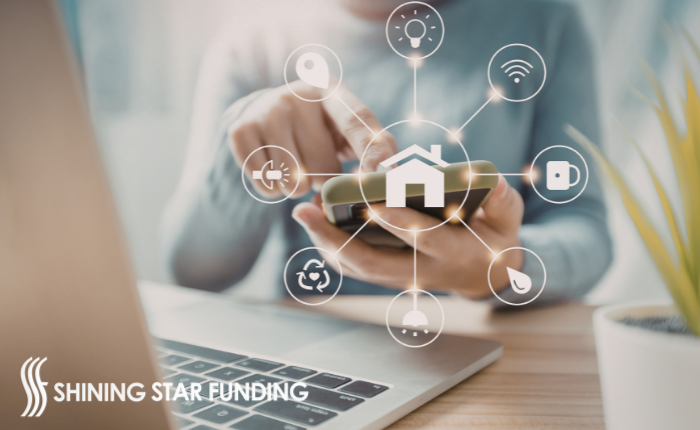
The Future Of Living: What Is A Smart Home And How It Enhances Homeownership
Imagine walking through your front door after a long day to find your preferred lighting set to a warm glow, your favorite music playing softly, and the thermostat adjusted to your perfect temperature—all without having touched a single switch. This is not science fiction; it is the reality of living in a smart home. As modern technology continues to integrate into our daily routines, more people are embracing the concept of the connected dwelling to streamline their lives and improve their property’s overall efficiency.
For those currently engaged in the journey of homeownership, understanding how these systems work is more than just a tech-enthusiast’s hobby; it is a way to protect your investment, lower your recurring costs, and elevate your quality of life. Whether you are a first-time buyer looking to future-proof your residence, an investor seeking to attract high-quality tenants, or an asset-rich homeowner aiming to integrate cutting-edge luxury, smart home technology is a fundamental component of the modern living experience.
What Is A Smart House?
A smart home is a residential property equipped with internet-connected devices that allow for the remote monitoring and management of appliances and systems. At its core, a smart home functions through a network of devices that can communicate with each other, with the internet, and with you. Through a smartphone, tablet, or voice assistant, you can control everything from your front door locks to your irrigation system, regardless of whether you are in the living room or on the other side of the world.
To operate effectively, these homes rely on three basic pillars:
- A central connection: Usually a robust Wi-Fi router that serves as the nexus for your data.
- Intelligent control: A central hub, often a smart speaker or dedicated console, that allows you to route commands to your various devices.
- Automation: The software and apps that let you schedule tasks, set triggers, and manage your environment effortlessly.

Common Smart Home Features
The versatility of smart technology means that you can start small with a single device or go all-in with a comprehensive system. Here are some of the most popular and impactful features that homeowners are installing today:
| Feature | Primary Function |
|---|---|
| Smart Thermostats | Learns your temperature preferences and adjusts automatically to save energy while you are away. |
| Smart Lighting | Allows for dimming, color changes, and scheduling to enhance ambiance and security. |
| Smart Security Systems | Integrates cameras, video doorbells, and motion sensors for real-time monitoring and peace of mind. |
| Smart Locks | Provides keyless entry and allows you to grant temporary access to guests or service providers. |
| Smart Appliances | Covers everything from fridges that track inventory to washers that notify your phone when a cycle is complete. |
These features are designed to integrate seamlessly, often through voice assistants or centralized mobile apps, giving you complete oversight of your property with simple commands.
Benefits Of Smart Home Devices
The appeal of connected technology extends far beyond convenience. For those invested in homeownership, these devices offer tangible, long-term rewards:
- Energy Efficiency: By using smart thermostats and lighting, you significantly reduce waste. These systems ensure that energy-consuming features operate only when necessary, which can lead to noticeable reductions in your monthly utility bills.
- Enhanced Security: Real-time alerts from cameras and doorbell monitors provide an unmatched level of oversight. Being able to see who is at your door or receive an alert if a window sensor is triggered can deter potential intruders and provide essential peace of mind.
- Convenience and Customization: Technology should simplify your life. Automating routine tasks—like locking doors at night, adjusting the temperature, or managing your kitchen—frees up time and mental energy for what matters most.
- Accessibility: For elderly residents or those with limited mobility, voice-controlled systems make managing a home environment much safer and more independent, allowing them to remain in their homes longer.
- Increased Property Value: As connected technology becomes standard in new construction, homes with pre-integrated systems often attract higher interest from buyers who value modern, move-in-ready features.
Steps To Build Your Own Connected Environment
If you are ready to explore the possibilities, remember that building a connected ecosystem is a journey, not a sprint. Follow these steps to get started without getting overwhelmed:
- Upgrade Your Network: Before buying devices, ensure you have a strong, reliable Wi-Fi signal throughout your property. A mesh router system can eliminate “dead zones” and ensure all your tech stays connected.
- Start With One Problem: Do not buy everything at once. Identify one pain point—such as high heating bills or front-door security—and purchase a device to solve that specific issue first.
- Choose a Compatible Ecosystem: Most devices work best when they belong to the same platform (like Amazon Alexa, Google Home, or Apple HomeKit). Choosing one platform helps ensure your devices play nicely together.
- Prioritize Security: Always change default passwords, use multi-factor authentication where available, and keep your software updated to ensure your digital environment remains protected.

Embracing this technology is not just about having the latest gadgets; it is about creating a living space that works for you. By taking control of your home’s systems, you turn a passive dwelling into an active participant in your life, providing security, comfort, and financial efficiency for years to come.
FAQ's
It depends on the device. Some devices are “cloud-dependent” and will stop working if the internet drops. Others connect via local protocols (like Zigbee or Z-Wave) and can continue to operate and communicate with each other even without an active internet connection, provided the local hub remains powered.
They certainly can. Smart thermostats are the standout performers here; by adjusting the temperature automatically when you leave the house and learning your heating/cooling patterns, they can significantly reduce wasted energy compared to traditional manual thermostats.
Yes, it can. As connected living becomes more standard in new construction, many buyers—especially younger generations and those seeking high-end finishes—view pre-integrated smart systems as a desirable, “move-in-ready” luxury that can make your home stand out in a competitive market.
Like any internet-connected device, smart homes carry some cybersecurity risk. You can protect yourself by always changing default passwords to unique, complex ones, enabling multi-factor authentication whenever possible, and keeping all device software/firmware updated to the latest versions.
This depends on your router and the size of your home. If you have many devices, you might experience “dead zones.” Many homeowners upgrade to a mesh Wi-Fi system, which places multiple access points throughout the house to ensure that every smart device maintains a stable, high-speed connection.
Absolutely not. The beauty of smart home technology in homeownership is that it is modular. You can start small—perhaps with just a single smart light bulb or a smart plug—and gradually add more devices as you become comfortable with the technology and identify the features you actually use.
The biggest benefits include increased energy efficiency (lower utility bills), enhanced security (real-time alerts and monitoring), greater convenience through automation, and improved accessibility for those with limited mobility.
Smart Thermostats: They learn your schedule and adjust the temperature automatically to save energy.
Video Doorbells: They let you see and speak to visitors at your door from your phone.
Smart Lighting: You can dim lights, set schedules, or change colors for ambiance.
Smart Locks: They allow for keyless entry and the ability to grant temporary access to guests.
Most devices connect via your home’s Wi-Fi network. Many of them also communicate with a central “hub” (often a smart speaker or a dedicated console) that acts as the traffic controller, allowing you to manage all your connected gadgets through a single app or voice command.
A smart home is a residential property equipped with internet-connected devices that allow you to monitor, control, and automate your home’s systems. These devices communicate with each other and with you via a smartphone, tablet, or voice assistant, enabling you to manage everything from lights and locks to heating and cooling remotely.

527 Sycamore Valley Rd W, Danville, CA 94526
Toll Free Call : (866) 280-0020
For informational purposes only. No guarantee of accuracy is expressed or implied. Programs shown may not include all options or pricing structures. Rates, terms, programs and underwriting policies subject to change without notice. This is not an offer to extend credit or a commitment to lend. All loans subject to underwriting approval. Some products may not be available in all states and restrictions may apply. Equal Housing Opportunity.
Interactive calculators are self-help tools. Results received from this calculator are designed for comparative and illustrative purposes only, and accuracy is not guaranteed. Shining Star Funding is not responsible for any errors, omissions, or misrepresentations. This calculator does not have the ability to pre-qualify you for any loan program or promotion. Qualification for loan programs may require additional information such as credit scores and cash reserves which is not gathered in this calculator. Information such as interest rates and pricing are subject to change at any time and without notice. Additional fees such as HOA dues are not included in calculations. All information such as interest rates, taxes, insurance, PMI payments, etc. are estimates and should be used for comparison only. Shining Star Funding does not guarantee any of the information obtained by this calculator.
Privacy Policy | Accessibility Statement | Term of Use | NMLS Consumer Access
CMG Mortgage, Inc. dba Shining Star Funding, NMLS ID# 1820 (www.nmlsconsumeraccess.org, www.cmghomeloans.com), Equal Housing Opportunity. Licensed by the Department of Financial Protection and Innovation (DFPI) under the California Residential Mortgage Lending Act No. 4150025. To verify our complete list of state licenses, please visit www.cmgfi.com/corporate/licensing