
Single Wide vs. Double Wide
Finding Your Floor Plan: The Ultimate Comparison of Single Wide vs. Double Wide Homes
The landscape of the American dream is evolving. For many, the traditional path of site-built homeownership has been met with a more flexible, modern alternative: the manufactured home. In 2026, the quality and sophistication of factory-built housing have reached a turning point, making it a highly attractive option for everyone from first-time homebuyers to retirees looking to downsize. As you move through the phase of preparing to buy, one of the first and most critical forks in the road is deciding between a single-wide and a double-wide model. This choice impacts everything from your initial budget to your long-term property value.
Choosing between these two formats is not just a matter of “bigger is better.” It is a calculated decision based on your lifestyle, your lot size, and your financial strategy. Whether you are a self-employed home buyer seeking a low-overhead live-work space, or an asset-rich individual seeking for real estate investments, understanding the structural and economic nuances of these homes is vital. By diving into the specific characteristics, costs, and future trends of manufactured housing, you can ensure that your move is a smart step forward in your journey of preparing to buy.
What’s a Single-Wide Manufactured Home?
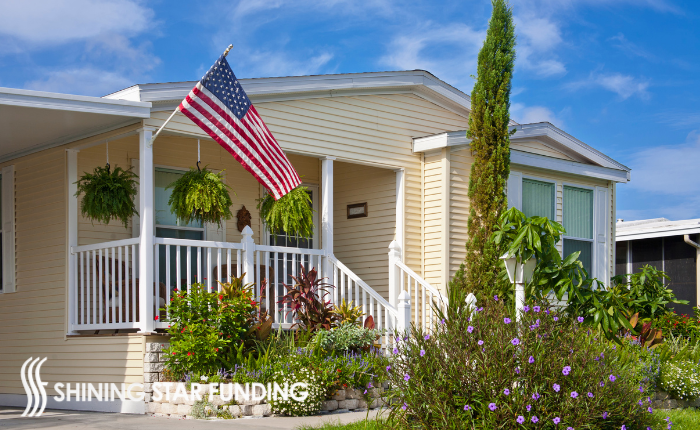
A single-wide manufactured home is a complete residential unit built entirely in a factory and transported to its final site as one continuous section. Historically, these were what people meant when they said “mobile home,” but since the HUD Code was established in 1976, they have transformed into high-quality, permanent residences. By definition, a single-wide is long and relatively narrow, designed to fit on a single semi-trailer for efficient transport.
These homes typically measure between 12 and 18 feet in width and can stretch from 40 to 80 feet in length. Because they are delivered in one piece, the “setup” phase of the preparing to buy process is significantly shorter. For many first-time buyers or couples without children, the compact nature of a single-wide offers a model of efficiency, providing 500 to 1,300 square feet of livable space that is easy to maintain and affordable to heat and cool.
What’s a Double-Wide Manufactured Home?
A double-wide manufactured home is constructed in two separate sections at the factory. These two “halves” are transported individually to the home site, where they are meticulously joined together on a foundation. This construction method allows for a much wider footprint, typically ranging from 20 to 36 feet across. The resulting space—averaging 1,000 to 2,300 square feet—more closely resembles the layout of a traditional site-built house.
Double-wide models are a favorite for larger families or multi-generational households because they allow for features that single-wides often lack, such as dedicated dining rooms, spacious kitchens with islands, and larger master suites. For real estate investors, the double-wide is often the preferred choice because its traditional aesthetic tends to appeal to a broader segment of the resale market, often holding its value more robustly over time.
What’s the Difference Between Single-Wide and Double-Wide Mobile Homes?
The primary difference between the two lies in their transport and assembly. A single-wide is a “plug-and-play” asset; once it arrives, it simply needs to be leveled and connected to utilities. A double-wide requires a “marriage” of the two sections, which involves complex on-site work to ensure the roofline, flooring, and electrical systems transition seamlessly across the center seam.
Beyond the physical connection, the differences extend to the interior feel. Because single-wides are restricted by highway transport widths, they often have a more “linear” feel, with rooms arranged in a row. Double-wides, however, can have an open-concept living area that spans the width of both sections, creating a sense of volume and “flow” that is difficult to achieve in a single-section unit.
Single-Wide Homes vs. Double-Wide Homes: Key Characteristics
| Feature | Single-Wide Home | Double-Wide Home |
|---|---|---|
| Average Square Footage | 500 – 1,300 sq. ft. | 1,000 – 2,300+ sq. ft. |
| Typical Width | 12 – 18 feet | 20 – 36 feet |
| Standard Bedrooms | 1 – 2 Bedrooms | 3+ Bedrooms |
| Transport Style | Single Unit (One Truck) | Two Sections (Two Trucks) |
| Estimated 2026 Price | $60,000 – $100,000 | $100,000 – $200,000+ |
| On-Site Installation | Quick (1–3 Days) | Complex (1–2 Weeks) |
Single-Wide Mobile Homes vs. Double-Wide Mobile Homes: Pros and Cons
Every housing choice involves a trade-off. Depending on your financial goals—whether you’re looking for the lowest monthly payment or the highest potential resale—each model has distinct advantages.
The Single-Wide Advantage
- Cost-Effectiveness: They are significantly cheaper to purchase and transport. For a buyer on a strict budget, this is often the most accessible entry point into the market.
- Mobility: If you plan to move the home in the future, a single-wide is much easier and cheaper to relocate as it remains one self-contained unit.
- Lower Maintenance: Smaller footprints mean fewer windows to clean, less roof to maintain, and lower property taxes in most jurisdictions.

The Double-Wide Advantage
- Traditional Aesthetic: Once installed on a permanent foundation with siding and skirting, it is often difficult to distinguish a double-wide from a site-built home.
- Better Resale Value: Data shows that double-wides tend to appreciate more like traditional real estate, especially when titled as “real property” on owned land.
- Customization: These models offer more architectural depth, including vaulted ceilings, stone fireplaces, and wrap-around porches that can be added on-site.
The Future of Single-Wide and Double-Wide Homes
As we look toward the remainder of 2026 and beyond, the manufactured home industry is undergoing a “green revolution.” New 2026 standards have made high-performance insulation, triple-glazed windows, and smart-home integration the baseline rather than an upgrade. We are seeing a shift toward “industrialized construction,” where 90% of the home is finished in a climate-controlled factory, ensuring a level of quality control that traditional construction sites can’t match.
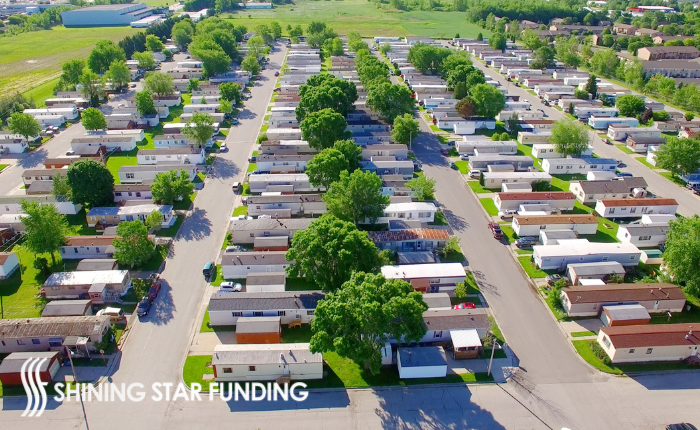
For individuals seeking for real estate investments, the future of these homes lies in “Manufactured Housing Communities” (MHCs). These communities are moving away from the old “park” model and toward high-end, amenity-rich neighborhoods with dog parks, fitness centers, and community gardens. As land prices continue to rise, the efficiency of single-wides and the comfort of double-wides are providing the essential solution to the modern housing affordability crisis.
Conclusion: Choosing Your Path
The decision between a single-wide and a double-wide is a personal one that requires balancing your current needs with your future aspirations. If you are a minimalist, a retiree looking for simplicity, or a first-time buyer prioritizing speed and low cost, the single-wide is a brilliant choice. If you have a growing family, desire more “house-like” features, or are focused on the highest possible resale value, the double-wide is the strategic move. By understanding these differences now, you can enter the market with confidence and clarity.
FAQ's
The industry is moving toward “CrossMod” homes—manufactured homes that include features like permanent foundations, garages, and pitched roofs. While single-wides remain the king of affordability, double-wides are becoming the standard for families looking for a permanent, high-value alternative to traditional construction.
Both are built to HUD Code standards, which regulate strength, fire resistance, and energy efficiency. However, because double-wides are wider and heavier, they often feel more stable. Both types must be properly anchored to a foundation to ensure safety during high winds.
Yes. Many municipalities and Homeowners Associations (HOAs) have “minimum square footage” requirements. In many areas, double-wides are permitted on private lots where single-wides are banned. Always check your local zoning office before purchasing land for your home.
Technically, no. These homes are engineered and built as complete units in a factory. You cannot simply “attach” another section to a single-wide that wasn’t designed for it. If you think you’ll need more space in 5 years, it is usually cheaper to buy a double-wide now than to try and trade in a single-wide later.
Pros: Feels like a traditional home, more customization options (like porches or garages), and higher appreciation potential.
Cons: Much higher initial cost, more expensive to transport/setup, and higher maintenance and heating/cooling costs.
Pros: Lower purchase price, lower utility bills due to smaller square footage, and easier to transport if you ever move.
Cons: Narrower rooms, less storage, and potentially lower resale value. Some mobile home parks have strict age or size requirements that may limit where you can place an older single-wide.
Yes. While both can be financed, lenders often view double-wides more favorably because they are perceived to hold their value better. Single-wides are sometimes classified as personal property (like a vehicle) rather than real estate, which may require a “chattel loan” rather than a traditional mortgage.
Beyond just width, the internal layout is the biggest differentiator.
Single-wides usually have a “railroad” layout where rooms are lined up one after another.
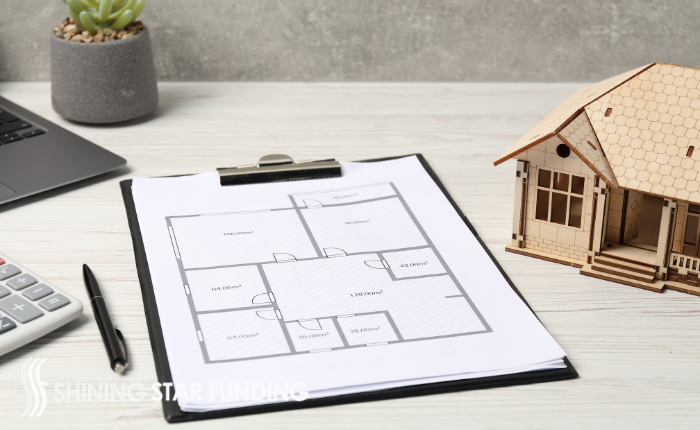
Double-wides offer “open concept” floor plans, allowing for separate dining rooms, large kitchen islands, and more hallway space.
A double-wide is essentially two single-wide units joined together on-site to create one larger residence. They are usually 20 to 36 feet wide and significantly shorter in appearance than single-wides, often mimicking the look and layout of a traditional site-built home.
A single-wide is a home built in a factory and delivered to a site in one single, long section. They are typically 14 to 18 feet wide and 66 to 80 feet long. Because they are compact, they are often the most affordable entry point into homeownership.

527 Sycamore Valley Rd W, Danville, CA 94526
Toll Free Call : (866) 280-0020
For informational purposes only. No guarantee of accuracy is expressed or implied. Programs shown may not include all options or pricing structures. Rates, terms, programs and underwriting policies subject to change without notice. This is not an offer to extend credit or a commitment to lend. All loans subject to underwriting approval. Some products may not be available in all states and restrictions may apply. Equal Housing Opportunity.
Interactive calculators are self-help tools. Results received from this calculator are designed for comparative and illustrative purposes only, and accuracy is not guaranteed. Shining Star Funding is not responsible for any errors, omissions, or misrepresentations. This calculator does not have the ability to pre-qualify you for any loan program or promotion. Qualification for loan programs may require additional information such as credit scores and cash reserves which is not gathered in this calculator. Information such as interest rates and pricing are subject to change at any time and without notice. Additional fees such as HOA dues are not included in calculations. All information such as interest rates, taxes, insurance, PMI payments, etc. are estimates and should be used for comparison only. Shining Star Funding does not guarantee any of the information obtained by this calculator.
Privacy Policy | Accessibility Statement | Term of Use | NMLS Consumer Access
CMG Mortgage, Inc. dba Shining Star Funding, NMLS ID# 1820 (www.nmlsconsumeraccess.org, www.cmghomeloans.com), Equal Housing Opportunity. Licensed by the Department of Financial Protection and Innovation (DFPI) under the California Residential Mortgage Lending Act No. 4150025. To verify our complete list of state licenses, please visit www.cmgfi.com/corporate/licensing