
Probate Sale

The Essential Guide to a Probate Sale: Unlocking Opportunity in the Real Estate Market
The journey toward homeownership often feels like a standard path of searching, bidding, and closing. However, every so often, a unique opportunity appears on the horizon that operates by a completely different set of rules. This is the world of the probate sale. While most homes are sold by living owners ready to move on to their next chapter, a probate property enters the market as part of a legal process to settle the affairs of someone who has passed away. For those who understand how these transactions work, they can offer a pathway to securing a home with significant built-in equity.
In the 2026 real estate landscape, where inventory remains tight and buyers are more strategic than ever, exploring unconventional avenues is a hallmark of a savvy investor or a patient first-time buyer. Whether you are a self-employed home buyer looking for a project to increase your net worth or a retiree seeking a classic home in an established neighborhood, the probate sale represents a specialized niche. This analytical exploration will break down the complexities of the probate process, helping you determine if this unique route to owning property aligns with your financial goals.
What is a probate sale in real estate?
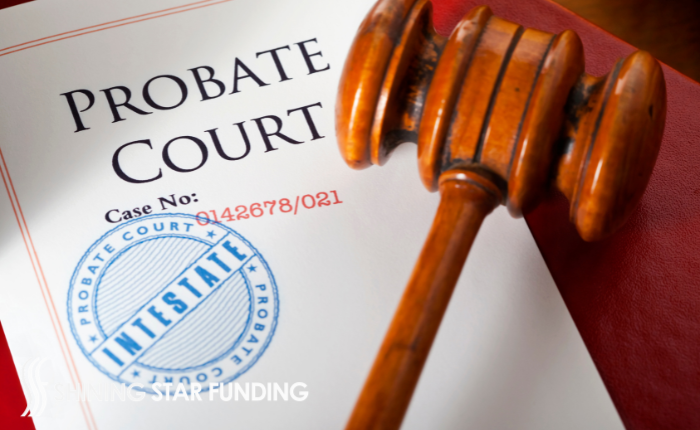
A probate sale occurs when a homeowner passes away without a living trust or clear instructions for the immediate transfer of their property. In these instances, the state’s probate court takes over the supervision of the estate to ensure that all of the deceased’s debts are paid and the remaining assets are distributed fairly to heirs and beneficiaries. Because real estate is often the most valuable asset in an estate, the court may authorize a sale to liquidate the property’s value into cash.
This is a critical concept in the realm of homeownership because it shifts the “seller” role from an individual to an “estate representative,” such as an executor (named in a will) or an administrator (appointed by the court). The court acts as a silent partner in the deal, providing oversight to ensure the home is sold at a fair market price to satisfy creditors and protect the interests of the heirs. For the buyer, this means the transaction isn’t just a private contract; it is a court-sanctioned legal proceeding.
How do probate home sales work?
The mechanics of a probate sale follow a structured, multi-step process that ensures transparency. Once a personal representative is appointed by the court, they typically hire a real estate agent—often one specializing in probate—to list and market the home. Here is the general flow of the transaction:
- Valuation and Listing: The property is professionally appraised. In many states, the court requires the home to sell for at least 90 percent of its appraised value.
- Accepting an Offer: A buyer submits an offer, which the executor accepts. However, unlike a traditional sale, this acceptance is “subject to court confirmation.”
- The Petition for Sale: The executor petitions the court to approve the sale. During this time, heirs are notified and given a chance to object.
- The Court Hearing and Overbid Process: In some jurisdictions, a court hearing is held where other interested parties can “overbid” the original buyer. This is effectively an 11th-hour auction to ensure the estate gets the highest possible price.
- Closing: Once the court confirms the sale, the buyer proceeds to a standard closing process, usually within 30 to 45 days.
How are probate sales different from regular home sales?
For someone used to the fast-paced homebuying process, a probate sale can feel like moving through honey. The primary difference is the **timeline**. A regular sale can close in 30 days; a probate sale often takes six months to a year, depending on court schedules and potential disputes among heirs.
Another major difference lies in **disclosures**. In a standard transaction, the seller must disclose every known defect, from a leaky faucet to a cracked foundation. In a probate sale, the executor—who likely never lived in the home—is often exempt from most of these disclosure requirements. This means the buyer must rely much more heavily on their own professional inspections. Furthermore, probate homes are almost universally sold “as-is,” meaning the estate will not make repairs or give credits for a faulty roof or an outdated electrical system. This “buyer beware” environment is why investors and asset-rich individuals often find the most success here, as they have the capital to handle the unexpected.
How to Buy Probate Real Estate: A Strategic Blueprint
If you are a first-time homebuyer or an investor ready to dive in, buying a probate property requires a specific approach. Here is how to navigate the waters:
- Work with a Specialized Agent: Look for a Realtor with a Certified Probate Real Estate Specialist (CPRES) designation. They understand the court forms and the specific timelines required.
- Secure Your Financing Early: Because probate sales can be competitive in court, having a rock-solid pre-approval or proof of funds is essential. You may also need a cashier’s check for a 10 percent deposit ready at the time of the hearing.
- Conduct Exhaustive Inspections: Since the estate won’t fix anything, you must know exactly what you are buying. Bring in a general inspector, a plumber, and an electrician to get a full picture of the “as-is” condition.
- Stay Patient and Flexible: Do not plan your move-in date until the court has issued the final order. Delays are the rule, not the exception, in probate.

Pros and cons of buying through a probate sale
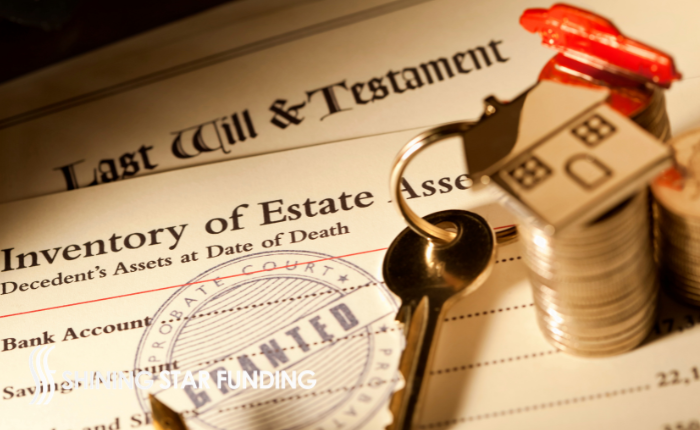
The probate market is a balance of risk and reward. Understanding these trade-offs is vital for anyone focused on the long-term success of their homeownership journey.
| The Pros (The Opportunity) | The Cons (The Risks) |
|---|---|
| Potential for below-market pricing, often 10% to 30% lower. | Extremely long timelines that can stretch to over a year. |
| Less competition from average buyers who fear the court process. | Sold “as-is” with limited disclosures and no repairs from the seller. |
| Opportunity to add significant value through renovation. | Risk of being outbid in court at the very last minute. |
| Transparent, court-supervised process prevents “shady” dealings. | High upfront deposit requirements (often 10% in a cashier’s check). |
Is buying a probate home the right option for you?
The suitability of a probate sale depends on your current life stage and financial flexibility. If you are a first-time homebuyer who needs to move out of an apartment by next month, a probate sale is almost certainly the wrong choice. The uncertainty of the closing date makes it a poor fit for those with strict timelines.
However, if you are a real estate investor or a self-employed home buyer with a separate place to live, the probate market is a goldmine. It allows you to use your patience as a bargaining chip to secure a property at a price that leaves room for a profitable flip or a high-equity rental. Similarly, for retirees who are downsizing and have the luxury of time, a probate sale can provide a way to get a larger, higher-quality home in a premium neighborhood for a price they could not otherwise afford.
Is there a way to avoid probate?
While buying a probate home is an opportunity, *being* the person whose home goes to probate is often a financial burden for your heirs. Most homeowners want to avoid the delays and costs of the court system. In 2026, the most effective tool for avoiding probate is a **Revocable Living Trust**. By placing your home in a trust, the property passes directly to your beneficiaries upon your death, bypassing the court entirely.
Other methods include “Joint Tenancy with Right of Survivorship,” where a spouse automatically inherits the home, or a “Transfer on Death (TOD) Deed,” which is available in many states. For those in the middle of their homeownership journey, setting up these protections now ensures that your legacy remains a gift to your family rather than a legal project for the courts.
Final Thoughts on the Probate Path
The probate sale is a fascinating corner of the real estate world where law and finance collide. It requires a unique blend of diligence, patience, and professional guidance. While the hurdles are higher than a traditional sale, the potential rewards for the right buyer are substantial. By entering this market with a clear understanding of the “as-is” nature and the court’s role, you can turn a complex legal situation into a successful real estate acquisition.
Real estate is rarely a one-size-fits-all endeavor. The most successful homeowners are those who remain open to the variety of ways a deed can change hands. If you are ready to play the long game, the probate market might just be the place where you find your next great investment. Stay informed, stay patient, and let the process work in your favor.
FAQ's
Yes, and most experts recommend it to save your family the stress. You can bypass probate by:
Living Trusts: Placing your home in a revocable living trust.
Joint Tenancy: Owning the home with a “Right of Survivorship.”
TOD Deeds: Using a “Transfer on Death” deed (available in many states) that automatically moves the title to your beneficiary the moment you pass away.
This is a common hurdle in homeownership transfers. If the heirs disagree on the sale price or whether to sell at all, the court acts as the tie-breaker. The executor has the legal authority to sign the papers, but the judge ensures that the final sale price is high enough that no heir is unfairly “shortchanged.”
It depends on your flexibility. If you are a first-time buyer who needs to move in by a specific date to start a job, probate is likely too unpredictable. However, if you are a real estate investor or a “value hunter” with a place to live in the meantime, the savings and unique inventory can be well worth the wait.
The qualifying process for the buyer is the same as any other loan, but the property must pass the lender’s appraisal. Because many probate homes have neglected maintenance, a standard mortgage might be difficult if there are safety issues. You may need a renovation loan, such as an FHA 203(k), to cover both the purchase and the repairs.
The “As-Is” Factor: You generally cannot ask the estate to fix a leaky roof or a broken HVAC. You buy the house exactly as it stands.
Higher Deposits: Some states require a 10% non-refundable deposit at the time of the offer.
Overbid Risks: In some jurisdictions (like California), even after your offer is accepted, other buyers can show up at the court hearing and “outbid” you in an auction-style format.
Lower Competition: Many buyers are scared off by the long wait times and legal jargon.
Potential Value: While the court ensures a fair price, these homes are often dated and “as-is,” allowing you to build sweat equity.
Unique Inventory: You can often find historic homes in established neighborhoods that haven’t changed hands in 50 years.
Probate homes aren’t always labeled on standard apps like Zillow. To find them, you can:
Search Local Newspapers: Look for “Notice of Sale” legal advertisements.
Visit the Courthouse: Check the probate court’s weekly filings and auction schedules.
Work with Specialists: Hire a real estate agent who is a “Certified Probate Expert” (CPE).
The biggest difference is oversight. In a regular sale, you negotiate directly with the owner. In a probate sale:
|
The process begins with the court appointing an “executor” (if there is a will) or an “administrator” (if there isn’t) to manage the estate. This representative hires a real estate agent to list the home. Once a buyer makes an offer and the estate accepts it, the sale often moves to a court hearing where a judge must officially confirm the price and terms to protect the interests of the heirs.
A probate sale occurs when a property owner passes away without a specific will for the home or leaves behind debts that exceed their liquid assets. The “probate” process is the court-supervised legal procedure used to pay off the deceased person’s debts and distribute the remaining property to their heirs. When the estate needs cash to settle these obligations, the court orders the sale of the home.

527 Sycamore Valley Rd W, Danville, CA 94526
Toll Free Call : (866) 280-0020
For informational purposes only. No guarantee of accuracy is expressed or implied. Programs shown may not include all options or pricing structures. Rates, terms, programs and underwriting policies subject to change without notice. This is not an offer to extend credit or a commitment to lend. All loans subject to underwriting approval. Some products may not be available in all states and restrictions may apply. Equal Housing Opportunity.
Interactive calculators are self-help tools. Results received from this calculator are designed for comparative and illustrative purposes only, and accuracy is not guaranteed. Shining Star Funding is not responsible for any errors, omissions, or misrepresentations. This calculator does not have the ability to pre-qualify you for any loan program or promotion. Qualification for loan programs may require additional information such as credit scores and cash reserves which is not gathered in this calculator. Information such as interest rates and pricing are subject to change at any time and without notice. Additional fees such as HOA dues are not included in calculations. All information such as interest rates, taxes, insurance, PMI payments, etc. are estimates and should be used for comparison only. Shining Star Funding does not guarantee any of the information obtained by this calculator.
Privacy Policy | Accessibility Statement | Term of Use | NMLS Consumer Access
CMG Mortgage, Inc. dba Shining Star Funding, NMLS ID# 1820 (www.nmlsconsumeraccess.org, www.cmghomeloans.com), Equal Housing Opportunity. Licensed by the Department of Financial Protection and Innovation (DFPI) under the California Residential Mortgage Lending Act No. 4150025. To verify our complete list of state licenses, please visit www.cmgfi.com/corporate/licensing