
Most Expensive Home Maintenance Costs

The Price of Upkeep: A Deep Dive into the Most Expensive Home Maintenance Costs in 2026
Owning a property is a cornerstone of financial stability, but as any seasoned participant in homeownership will tell you, the purchase price is only the beginning of the story. Once the keys are handed over, the focus shifts from acquisition to preservation. In the landscape of 2026, the home maintenance journey has become increasingly complex, with rising material costs and a shortage of skilled labor fundamentally changing how we budget for our dwellings. Whether you are a first-time homebuyer or a real estate investor managing a multi-unit portfolio, understanding the true cost of maintenance is essential for long-term fiscal health.
For self employed home buyers and asset-rich individuals, a home is often one of the largest items on the balance sheet. Neglecting small issues today can lead to the most expensive home repairs tomorrow, effectively eroding the equity you have worked so hard to build. From the roof over your head to the systems hidden behind your walls, staying proactive is the only way to ensure your investment remains an asset rather than a liability. In this analytical look at residential upkeep, we will break down why prices are climbing and which specific tasks are most likely to impact your bottom line.
Why are home maintenance costs increasing?
As we navigate 2026, homeowners are feeling the pinch of what many economists call “maintenance inflation.” Several factors have converged to drive up the cost of maintenance across the United States. First, the global supply chain for building materials—ranging from asphalt shingles to specialized HVAC components—has remained sensitive to geopolitical shifts, keeping prices well above pre-2020 levels. Second, there is a significant “trade gap.” As older contractors retire, fewer young professionals are entering specialized fields like roofing and plumbing, leading to higher labor rates for those who remain.
Furthermore, the physical environment is changing. Increased frequency of extreme weather events means that external structures, such as siding and gutters, are under more stress than in previous decades. For those involved in homeownership, this means that “routine” checks are required more frequently, and the materials needed for those checks are simply more expensive to source and install.
Which home maintenance costs have increased the most?
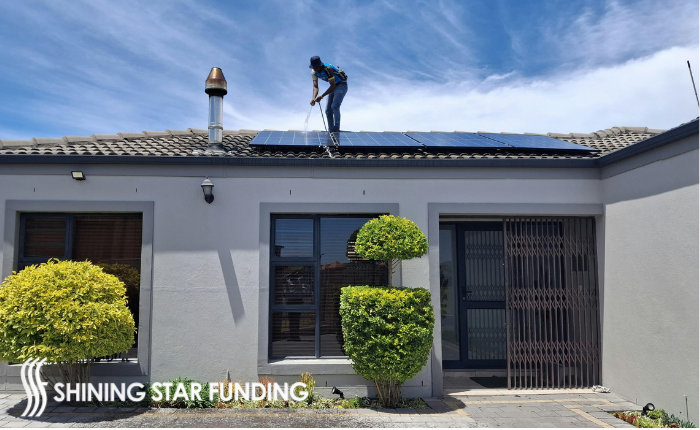
While almost everything has seen a price hike, specialized services that require high-climb equipment or specific certifications have seen the sharpest increases. Specifically, exterior services like home maintenance for roofing and tree care have jumped by nearly 15% to 20% in the last two years alone. This is largely due to rising insurance premiums for contractors and the high cost of fuel for the heavy machinery required to perform these tasks safely.
Most expensive home maintenance costs: A 2026 Listicle
To help you prioritize your budget, here are the top eight home maintenance tasks that command the highest prices in today’s market, ranked by their impact on your annual cash flow.
- House Cleaning: While often viewed as a luxury, professional deep cleaning is essential for preserving flooring, cabinetry, and air quality. In 2026, a comprehensive professional cleaning for a 2,500-square-foot home can range from $300 to $600 per visit, depending on the level of detail.
- Roof Repair/Maintenance: Your roof is your home’s first line of defense. Standard maintenance, including shingle replacement and flashing inspection, is vital. However, if ignored, it quickly turns into one of the most expensive home repairs, with full replacements often exceeding $15,000 to $25,000.
- Tree Trimming/Removal: As trees age, they can become hazards to your structure and power lines. Professional arborists now charge significant premiums for removal, often ranging from $1,000 to $3,000 per large tree, especially if they are in close proximity to the home.
- Lawn Mowing and Landscaping: Curb appeal is the primary driver of homeownership value. Regular lawn care, including fertilization and irrigation maintenance, can cost a homeowner anywhere from $150 to $400 per month during the growing season.
- Window Cleaning: Professional window cleaning for multi-story homes requires specialized safety equipment. For asset-rich individuals with large estates, this annual or bi-annual task can easily cost $500 to $900.
- Water Heater Repair/Maintenance: Flushing your tank and checking the anode rod can extend the life of your heater. In 2026, a professional service call typically costs between $200 and $400, a small price compared to the $2,500 cost of a sudden unit failure.
- Gutter Cleaning: Clogged gutters lead to foundation damage and basement leaks. Because of the risk involved in ladder work, professional cleaning services now average $250 to $500 per visit for a standard two-story home.
- Deck Staining and Sealing: To prevent wood rot in outdoor living spaces, decks must be sealed every two to three years. Depending on the size of the deck and the quality of the stain, this project can cost between $1,500 and $3,500.
How much should you spend on home maintenance?
Determining a specific number for your cost of maintenance can be difficult, as it depends on the age and condition of the property. However, two primary financial “rules of thumb” are widely accepted by real estate experts in 2026:
- The 1% Rule: You should set aside at least 1% of your home’s total purchase price every year for upkeep. For a $500,000 home, that means budgeting $5,000 annually.
- The Square Footage Rule: Alternatively, some homeowners prefer to budget $1 per square foot of living space per year. A 2,500-square-foot home would require a $2,500 annual reserve.

| System | Maintenance Frequency | Estimated Annual Cost |
|---|---|---|
| HVAC Systems | Every 6 Months | $300 – $500 |
| Roof/Gutters | Once a Year | $400 – $800 |
| Plumbing/Water Heater | Once a Year | $200 – $400 |
| Exterior Painting/Sealing | Every 5-7 Years | $1,000 (Amortized) |

How to pay for home repairs and renovations
When you are faced with the most expensive home repairs, such as a foundation shift or a complete electrical overhaul, your “rainy day” fund might not be enough. In these cases, savvy participants in homeownership look toward their equity for solutions. There are several ways to finance these necessary costs:
- Home Equity Line of Credit (HELOC): This acts as a revolving credit line using your home as collateral. It is ideal for ongoing home maintenance projects where the costs are spread out over time.
- Home Equity Loan: A lump-sum loan with a fixed interest rate, perfect for a specific, large-scale repair like a roof replacement.
- Cash-Out Refinance: For those looking to do major renovations alongside repairs, this allows you to replace your current mortgage with a larger one, taking the difference in cash.
- Personal Loans: If you haven’t built up enough equity yet, a personal loan can provide quick funding, though often at a higher interest rate than equity-based options.
Real estate investors often utilize business lines of credit to handle these costs, ensuring that the cost of maintenance remains a tax-deductible business expense rather than a personal burden.
Conclusion: The Proactive Homeowner
In the final analysis, the most expensive house is the one that has been ignored. The most expensive home repairs are almost always the result of deferred home maintenance. By understanding the rising cost of maintenance in 2026 and setting aside a dedicated budget, you protect your home’s value and your own peace of mind.
Whether you are performing the work yourself or hiring the best local professionals, the goal of homeownership remains the same: to create a safe, stable, and appreciating asset. Stay vigilant, keep your gutters clear, and remember that every dollar spent on upkeep today is ten dollars saved on emergency repairs tomorrow. Your home is your sanctuary—invest in its health, and it will continue to provide security for your family for decades to come.
FAQ's
While “DIY” can save on labor, it’s risky for high-stakes tasks. First-time homebuyers often find success with DIY lawn mowing or window cleaning. However, for the most expensive home maintenance costs—like roofing, tree removal, or water heater repair—hiring a licensed professional is safer and often required to keep your home insurance policy and equipment warranties valid.
For self-employed home buyers or those with significant equity, a Home Equity Line of Credit (HELOC) or a Cash-Out Refinance are popular options because they offer lower interest rates than credit cards. Other alternatives include FHA Title 1 loans for essential repairs or personal home improvement loans, which provide a lump sum of cash without requiring your home as collateral.
The traditional advice for those in the homeownership phase is the 1% Rule: set aside 1% of your home’s total value each year for maintenance. However, for older homes or properties in harsh climates, experts now recommend the 3% Rule. If your home is worth $500,000, you should ideally have a “house emergency fund” of $5,000 to $15,000 ready for the year.
Absolutely. Exposure to UV rays and moisture will rot a wood deck within 10 years if left untreated. Professional staining and sealing every 2 to 3 years might cost $1,000, but building a new deck in 2026 can easily cost $15,000 to $30,000. Consistent sealing is a prime example of how small maintenance spends protect large capital assets.
Gutter cleaning should be a bi-annual expense (spring and fall) to prevent foundation erosion. Water heaters typically require an annual flush to remove sediment buildup. While these individual visits might only cost $150 to $300, neglecting them is a leading cause of the most expensive home maintenance costs, such as flooded basements or total system failures.
Tree work is a high-liability profession requiring specialized heavy equipment, climbing gear, and significant insurance coverage. For a real estate investor or a retiree, the cost of removing a single large oak near a structure can exceed $3,000. However, this is a vital part of homeownership, as one fallen limb during a storm can cause catastrophic damage to the roof and foundation.
Yes. For asset-rich individuals and those with high-end finishes, professional cleaning is preventative maintenance. Dust, grime, and improper care can permanently degrade expensive stone countertops, hardwood floors, and custom cabinetry. Regular professional deep cleaning extends the life of these interior materials, saving you tens of thousands in premature replacement costs.
While a single roof replacement is a massive one-time hit (often ranging from $10,000 to $40,000), the cumulative cost of exterior preservation—specifically roofing and foundation care—tends to be the most expensive. If you neglect smaller tasks like gutter cleaning or deck staining, the resulting structural damage can lead to repairs that far exceed the cost of a standard mortgage.
In the realm of homeownership, specialized labor-intensive trades have outpaced general inflation. Roofing and HVAC services have seen the steepest increases because they rely on both specialized metal components and highly certified labor. Additionally, outdoor services like professional tree removal have spiked due to increased fuel costs and rising insurance premiums for high-risk manual labor.
The surge in costs is driven by a “triple threat” in the current economy: a persistent shortage of skilled tradespeople (like plumbers and roofers), the rising cost of raw materials due to global supply chain shifts, and an aging national housing stock. As homes get older, they require more complex interventions, and with fewer professionals available to do the work, service premiums have reached all-time highs.

527 Sycamore Valley Rd W, Danville, CA 94526
Toll Free Call : (866) 280-0020
For informational purposes only. No guarantee of accuracy is expressed or implied. Programs shown may not include all options or pricing structures. Rates, terms, programs and underwriting policies subject to change without notice. This is not an offer to extend credit or a commitment to lend. All loans subject to underwriting approval. Some products may not be available in all states and restrictions may apply. Equal Housing Opportunity.
Interactive calculators are self-help tools. Results received from this calculator are designed for comparative and illustrative purposes only, and accuracy is not guaranteed. Shining Star Funding is not responsible for any errors, omissions, or misrepresentations. This calculator does not have the ability to pre-qualify you for any loan program or promotion. Qualification for loan programs may require additional information such as credit scores and cash reserves which is not gathered in this calculator. Information such as interest rates and pricing are subject to change at any time and without notice. Additional fees such as HOA dues are not included in calculations. All information such as interest rates, taxes, insurance, PMI payments, etc. are estimates and should be used for comparison only. Shining Star Funding does not guarantee any of the information obtained by this calculator.
Privacy Policy | Accessibility Statement | Term of Use | NMLS Consumer Access
CMG Mortgage, Inc. dba Shining Star Funding, NMLS ID# 1820 (www.nmlsconsumeraccess.org, www.cmghomeloans.com), Equal Housing Opportunity. Licensed by the Department of Financial Protection and Innovation (DFPI) under the California Residential Mortgage Lending Act No. 4150025. To verify our complete list of state licenses, please visit www.cmgfi.com/corporate/licensing