
Manufactured Home Cost
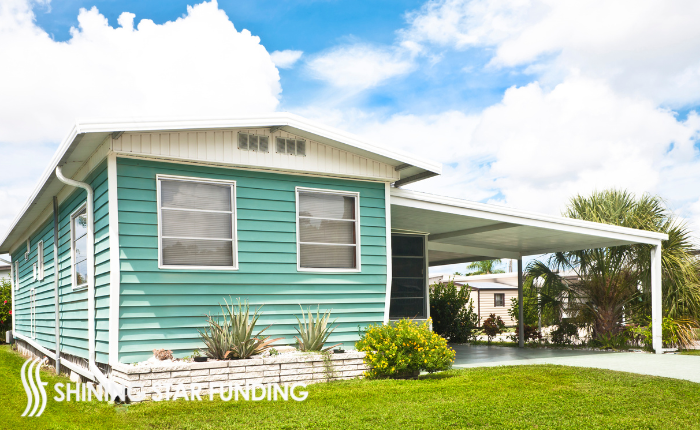
2026 Manufactured Home Cost Guide: Smart Budgeting for Modern Living
The journey toward homeownership has taken a significant turn as we navigate the economic landscape of 2026. With traditional site-built home prices reaching record levels, a growing number of people are looking toward the factory floor for a solution that balances quality with fiscal responsibility. The modern manufactured home is no longer the “mobile home” of the past; it is a high-tech, energy-efficient marvel that offers a realistic path to building equity. Whether you are a first-time homebuyer trying to break into a competitive market or an asset-rich individual looking for a strategic real estate investment, understanding the full scope of manufactured home costs is the first step in making a savvy move.
In today’s market, the appeal of these homes extends far beyond simple affordability. They represent a lifestyle choice for retirees seeking low-maintenance living and for self-employed home buyers who want to maximize their liquid capital. However, the sticker price you see at a dealership is rarely the final number you will pay. Navigating this sector of homeownership requires a keen eye for detail, from site preparation and utility hookups to the nuances of permanent foundation financing. This guide breaks down the essential financial components to help you budget with confidence and precision.
What Is a Manufactured Home?
To understand the cost, you must first understand the product. A manufactured home is a dwelling built entirely in a controlled factory environment according to the federal HUD Code (enacted June 15, 1976). This federal standard regulates everything from structural design and fire safety to energy efficiency and plumbing. Because they are built indoors, they are never exposed to the elements during construction, which often results in tighter seals and higher precision than traditional site-built homes.
One of the most important distinctions in the homeownership process is the difference between “manufactured” and “modular.” While both are built in factories, manufactured homes are constructed on a permanent steel chassis and must follow HUD standards. Modular homes are built to local or state codes and are usually set on a permanent foundation via a crane. In 2026, the lines are blurring as high-end manufactured homes now feature vaulted ceilings, quartz countertops, and smart-home integration, making them nearly indistinguishable from their site-built neighbors.

The Typical Costs of Manufactured Homes in 2026
As of early 2026, the pricing for manufactured homes reflects the broader inflationary trends in building materials, but they remain a massive bargain compared to traditional construction. While prices vary by region and manufacturer, here are the national averages for the “home only” price:
- Single-Wide Homes: These typically range from $60,000 to $90,000. They offer roughly 600 to 1,300 square feet and are ideal for individuals or couples.
- Double-Wide Homes: The most popular choice for families, these range from $110,000 to $160,000. They usually provide 1,500 to 2,200 square feet of living space.
- Multi-Section (Triple-Wide): For those seeking luxury or extra space, these can cost $160,000 to $220,000 or more, offering layouts that rival large single-family homes.
It is crucial to remember that these are base prices. The average cost per square foot for a manufactured home in 2026 is approximately $85–$90, compared to over $165 per square foot for site-built homes. This 50% savings is the primary engine driving the current surge in this sector of homeownership.
Contributing Factors to the Total Project Cost
The “base price” of a home is just the starting line. Several variables will determine your final out-the-door cost. Real estate investors and savvy buyers look at these four pillars of spending:
- Land Acquisition: Unless you are moving into a land-lease community, you will need to buy a plot. Land prices in 2026 vary wildly, from $10,000 for rural acreage to over $100,000 for suburban lots with existing road access.
- Site Preparation: Your land needs to be cleared, graded, and leveled. Expect to spend $4,000 to $11,000 just to get the ground ready for the delivery trucks.
- Customization and Upgrades: Upgrading to stainless steel appliances, premium siding, or energy-efficient “Energy Star” insulation packages can add 10% to 20% to the base price.
- Geography: Shipping a home is expensive. Most manufacturers charge between $5 and $15 per mile. If your dream lot is 300 miles from the factory, your delivery fee could easily exceed $10,000.
Hidden and Ongoing Costs to Budget For
Many first-time buyers are caught off guard by the secondary expenses required to make a home livable. In the realm of homeownership, these “soft costs” can add up quickly:
| Expense Category | Estimated 2026 Cost | Description |
|---|---|---|
| Permits & Zoning | $1,000 – $5,000 | Local building permits and impact fees. |
| Utility Connections | $5,000 – $15,000 | Hooking up to city water/sewer or installing a septic system. |
| Foundation/Skirting | $6,000 – $25,000 | Varies from basic piers to a full concrete slab. |
| Steps & Decks | $3,000 – $10,000 | Essential for entering the home once it is set on the foundation. |
Additionally, don’t forget ongoing costs like property taxes (if on owned land) or monthly lot rent (if in a community). Maintenance is generally lower for newer units, but setting aside 1% of the home’s value annually for repairs is a standard homeownership best practice.
Financing a Manufactured Home
Financing has improved significantly by 2026, though it still depends heavily on how the home is titled. If the home is on a permanent foundation and you own the land, it is usually classified as “real property,” making you eligible for traditional 30-year mortgages with rates starting around 6.5% to 7%.
If the home is on leased land (like a park), it is often considered “personal property” (chattel). In this case, you would use a “chattel loan.” These typically have shorter terms (15–20 years) and interest rates that are 2% to 3% higher than a standard mortgage. However, programs like FHA Title I and Title II, as well as VA and USDA options, have made it much easier for first-time homebuyers and retirees to find affordable terms with down payments as low as 3.5% or even 0% for eligible veterans.

Strategic Tips: How to Save on Manufactured Home Costs
Buying a manufactured home is an analytical exercise in value. To get the most for your money, consider these three cost-saving strategies:
- Buy Off-Lot Models: Dealerships often discount “display models” that have been sitting on their lot for a season. You can sometimes save $10,000 or more just by taking a floor plan that is already built.
- Standardize Your Finishes: Factory-installed upgrades are convenient but carry a premium. Consider sticking to the “standard” carpet or laminate and upgrading to luxury vinyl plank (LVP) yourself after move-in.
- Choose a Managed Community: If land prices in your area are astronomical, a land-lease community can drastically lower your upfront cost, allowing you to focus your budget on a higher-quality home unit rather than the dirt beneath it.
Conclusion: Investing in Your Future
The decision to purchase a manufactured home is a powerful move toward financial independence. By dramatically lowering your monthly housing overhead, you free up resources for travel, retirement, or further real estate investments. While the process involves more moving parts than simply buying an existing house, the reward is a brand-new, customized space that fits your lifestyle perfectly.
In 2026, the smart money is on efficiency and predictability. A manufactured home offers both, provided you do the legwork on the “hidden” costs of site setup and utility integration. As you move forward, remember that your home is the foundation of your wealth. Would you like me to help you find a list of HUD-approved manufacturers in your state to begin comparing floor plans and delivery timelines?
FAQ's
Historically, manufactured homes depreciated like cars. However, in 2026, homes on owned land with a permanent foundation are increasingly seen as “real property” that can appreciate alongside traditional homes. The key to value retention is land ownership and proper maintenance.
To keep your budget in check, consider these three 2026 strategies:
Buy a “Lot Model”: Dealers often discount the models already sitting on their sales lot to make room for new inventory.
Choose “Standard” Finishes: Opt for factory-standard flooring and lighting, then upgrade them yourself later using DIY methods.
Energy Star Certification: Investing in a high-efficiency model can save you 20–30% on monthly utility bills, paying for itself within a few years.
If your home is titled as personal property, you may pay a lower “annual registration fee” instead of property taxes, but your insurance rates may be higher. If titled as real property, you pay standard local property taxes but gain access to lower insurance premiums and traditional mortgage interest deductions.
Financing depends on whether the home is titled as Personal Property (Chattel) or Real Property:
Chattel Loans: Used if the home is on leased land. These have higher interest rates and shorter terms.
Mortgages (FHA/VA/Conventional): Available if the home is on a permanent foundation on land you own. In 2026, FHA Title II loans are a popular choice, with loan limits reaching up to $1,249,125 in high-cost areas.
About 38% of manufactured homes are placed in communities (parks). If you don’t own the land, you will pay monthly lot rent, which averages $350 – $800 in 2026. This rent typically covers trash and common area maintenance but often increases by 3–5% annually.
If you are placing a home on undeveloped land, hookups are a major budget item:
Electrical: $1,000 – $10,000 (depending on distance to the road).
Water/Sewer: $1,500 – $6,000 for city connections; $5,000 – $15,000 if you need a private well and septic system.
The base price usually excludes the “extras” required to make the home livable:
Delivery: Typically $5,000 to $13,000 depending on distance.
Site Prep: Land clearing and grading can cost $4,000 to $11,000.
Foundation: A basic pier-and-beam system starts at $1,000, while a full basement foundation can exceed $40,000.
Permits: Local impact and building fees can range from $500 to $5,000 depending on your county.
The three main drivers are size, layout, and manufacturer. A basic “Tru” model focus on affordability (roughly $55–$78/sq ft), while luxury brands like Deer Valley use residential-grade construction standards that push prices into the $100–$160+/sq ft range. Customizations like 9-foot ceilings, upgraded insulation, and quartz countertops will also increase the initial factory quote.
Prices vary based on size and regional demand, but the 2026 national averages are:
Single-wide: $60,000 – $90,000
Double-wide: $95,000 – $155,000
Multi-section/Triple-wide: $160,000 – $220,000+ On average, these homes cost roughly $87 per square foot, compared to over $165 per square foot for traditional site-built construction.
A manufactured home is a house built entirely in a controlled factory environment according to the federal HUD Code (established June 15, 1976). These homes are built on a permanent steel chassis and transported to the site in one or more sections. In 2026, modern manufactured homes are virtually indistinguishable from site-built homes, featuring gourmet kitchens, vaulted ceilings, and high-end finishes.

527 Sycamore Valley Rd W, Danville, CA 94526
Toll Free Call : (866) 280-0020
For informational purposes only. No guarantee of accuracy is expressed or implied. Programs shown may not include all options or pricing structures. Rates, terms, programs and underwriting policies subject to change without notice. This is not an offer to extend credit or a commitment to lend. All loans subject to underwriting approval. Some products may not be available in all states and restrictions may apply. Equal Housing Opportunity.
Interactive calculators are self-help tools. Results received from this calculator are designed for comparative and illustrative purposes only, and accuracy is not guaranteed. Shining Star Funding is not responsible for any errors, omissions, or misrepresentations. This calculator does not have the ability to pre-qualify you for any loan program or promotion. Qualification for loan programs may require additional information such as credit scores and cash reserves which is not gathered in this calculator. Information such as interest rates and pricing are subject to change at any time and without notice. Additional fees such as HOA dues are not included in calculations. All information such as interest rates, taxes, insurance, PMI payments, etc. are estimates and should be used for comparison only. Shining Star Funding does not guarantee any of the information obtained by this calculator.
Privacy Policy | Accessibility Statement | Term of Use | NMLS Consumer Access
CMG Mortgage, Inc. dba Shining Star Funding, NMLS ID# 1820 (www.nmlsconsumeraccess.org, www.cmghomeloans.com), Equal Housing Opportunity. Licensed by the Department of Financial Protection and Innovation (DFPI) under the California Residential Mortgage Lending Act No. 4150025. To verify our complete list of state licenses, please visit www.cmgfi.com/corporate/licensing