
How to Buy Land and Build a House
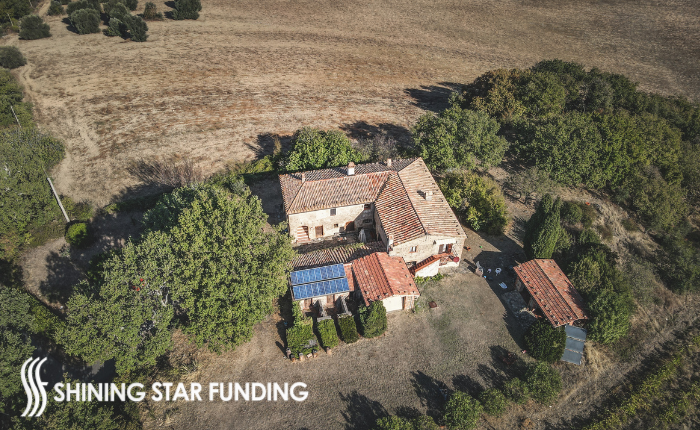
A Comprehensive Guide to Buying Land and Building a House
Embarking on the journey of creating a home from the ground up is a deeply personal and rewarding endeavor. For many, the dream of homeownership goes beyond purchasing an existing structure; it involves finding the perfect patch of earth and designing a space that perfectly aligns with one’s lifestyle, aesthetic, and functional requirements. While the process is undeniably complex, it offers unparalleled creative control. When you are in the phase of preparing to buy, understanding the mechanics of land acquisition and construction is the first step toward turning that vision into reality.
Is Buying Land to Build a House the Right Choice for Your Needs?
Before diving into property listings, it is vital to honestly assess whether building is the right move for your specific circumstances. There is no denying that constructing a home requires significantly more time, patience, and active management than buying a turnkey property. However, it offers advantages that resale homes cannot match.
Consider the following factors to determine if this path fits your long-term goals:
- Customization: If you have specific architectural desires, such as energy-efficient passive home designs or unique layouts that accommodate aging-in-place, building provides the ultimate flexibility.
- Location Control: You are not limited by existing inventory. If your dream is to live in a rural setting, a specific neighborhood, or a lot with a particular view, buying land is often the only way to secure that location.
- Maintenance and Quality: New construction generally adheres to the latest building codes, often leading to better energy efficiency and lower immediate maintenance costs compared to older homes.
- The Effort Factor: Be realistic about the process. It involves managing contractors, securing permits, and overseeing site preparation. If you prefer a move-in-ready solution, the rigors of construction may be overwhelming.
Evaluating these factors thoroughly while you are busy preparing to buy will save you from potential frustrations later. It is a balancing act between the desire for a custom space and the pragmatic realities of budget and timeline.

How to Buy Land and Build a House
The path from raw land to a finished residence is a marathon, not a sprint. To successfully navigate it, you should view the project in distinct, manageable phases.
Phase 1: Research and Budgeting
Before spending a single dollar on property, define your total budget. This must encompass not only the land price and construction costs but also hidden expenses such as site clearing, utility hookups (water, sewage, electricity, gas), permit fees, land surveys, and architectural designs. Researching your desired area is crucial, as costs for land preparation vary drastically depending on topography and local infrastructure.
Phase 2: Securing the Property
Working with a real estate agent who specializes in land transactions is highly recommended. They can help you identify lots that are build-ready versus those that are unimproved. Important considerations during this phase include:
- Zoning Laws: Verify that the land is zoned for residential use and understand any building height, setback, or architectural restrictions.
- Utility Access: Determine how close essential services are to the property line. Connecting a remote lot to the grid can be an expensive, multi-step process.
- Due Diligence: Conduct soil tests (often called perc tests), survey the boundaries, and check for easements or environmental protections that could limit your building footprint.
Phase 3: Financing the Build
Financing vacant land differs significantly from a standard mortgage. You may need a specialized land loan or a construction-to-permanent loan, which bundles the purchase of the land and the costs of construction into a single package. As you are preparing to buy, consult with financial professionals to understand your down payment requirements, which are often higher for land purchases than for existing homes.
Phase 4: Designing and Permitting
Once you own the land, the design process begins. You will need to hire an architect or work with a builder to draft blueprints that comply with local codes. After designs are finalized, you (or your contractor) must apply for a comprehensive set of permits, covering everything from grading and foundation to electrical and plumbing systems.
Phase 5: Construction
With permits in hand, construction commences. This phase typically includes site preparation, pouring the foundation, framing, installing mechanical systems (HVAC, plumbing, electrical), and finalizing interior and exterior finishes. Throughout this period, inspections are conducted at various milestones to ensure compliance with local regulations. Being prepared and keeping your communication lines open with your builder are essential components of this stage.
Conclusion
Buying land and building a house is a significant commitment of resources, time, and attention. It is a path suited for those who value customization, foresight, and the reward of seeing a personal vision come to life. By meticulously researching your options, assembling a trusted team of professionals, and ensuring your finances are aligned, you can navigate the complexities of this process effectively. Whether you are an experienced real estate investor or a first-time homeowner looking to build your dream sanctuary, this journey offers the rare opportunity to build a legacy that is truly your own.
FAQ's
Before making an offer, verify the status of water, sewage, electricity, gas, and internet access. There is a major difference between utilities being “in the area” versus “on the property.” Bringing essential services to a remote lot can be an incredibly expensive, multi-step process that significantly impacts your total construction budget.
Not all land is “fair game” for construction. You must check local zoning regulations to ensure the lot is zoned for residential use. You should also investigate potential obstacles like floodplains, protected wetlands, steep topography, or restrictive covenants that could severely limit where and what you can build.
The timeline varies based on your design phase, permit processing, and construction speed. While some projects move quickly, many new construction projects span 12 to 24 months from the moment you start preparing to buy the land until you move in. Delays in material sourcing, weather conditions, and permit approvals are common factors that can extend this timeline.
A percolation (or “perc”) test evaluates how well the soil absorbs liquid. If the property is not connected to a public sewer system, you will need to install a septic system. A failed perc test means the land may not support a traditional septic system, which could drastically limit your building options or increase costs.
Beyond the land price and the contract with your builder, you must budget for permit fees, architect/engineer fees, professional surveys, soil testing, and utility tap fees. It is also wise to set aside a significant contingency fund (often 10–20% of your total budget) to handle unexpected surprises, which are almost inevitable in new construction.
Financing a self-build project often involves a construction loan. These are short-term loans that provide funds for land acquisition, labor, permits, and materials, typically paid out in installments as the project progresses. Once the home is complete, the construction loan is usually converted into a permanent, long-term mortgage.
Many experts recommend consulting with a custom home builder before you finalize a land purchase. A builder can assess the buildability of the lot, identify potential hurdles, and help you understand how your planned home design fits with the site’s topography. This early consultation can prevent you from purchasing a lot that is too expensive or impossible to develop as you envision.
Site works include all the preparations necessary to make the land ready for a structure, such as clearing trees, grading the earth, constructing access roads, and installing septic or well systems. These costs vary wildly based on the land’s composition—rocky or sandy soil can increase these fees dramatically—and are often underestimated by first-time land buyers.
When you buy a house, you are purchasing an established structure where most due diligence is completed before the sale. When you buy land, the bulk of your due diligence—such as soil testing, utility access verification, and permitting—happens after you own it. Additionally, financing for land is often distinct from a standard mortgage, frequently requiring larger down payments and shorter loan terms.
Building a home is ideal if you value total creative control, want a specific location that isn’t available on the resale market, or require highly specialized design features. However, it requires significant time, active project management, and a higher tolerance for unpredictability compared to buying a move-in-ready property. If you prefer convenience and a fixed budget, an existing home might be a better fit for your preparing to buy phase.

527 Sycamore Valley Rd W, Danville, CA 94526
Toll Free Call : (866) 280-0020
For informational purposes only. No guarantee of accuracy is expressed or implied. Programs shown may not include all options or pricing structures. Rates, terms, programs and underwriting policies subject to change without notice. This is not an offer to extend credit or a commitment to lend. All loans subject to underwriting approval. Some products may not be available in all states and restrictions may apply. Equal Housing Opportunity.
Interactive calculators are self-help tools. Results received from this calculator are designed for comparative and illustrative purposes only, and accuracy is not guaranteed. Shining Star Funding is not responsible for any errors, omissions, or misrepresentations. This calculator does not have the ability to pre-qualify you for any loan program or promotion. Qualification for loan programs may require additional information such as credit scores and cash reserves which is not gathered in this calculator. Information such as interest rates and pricing are subject to change at any time and without notice. Additional fees such as HOA dues are not included in calculations. All information such as interest rates, taxes, insurance, PMI payments, etc. are estimates and should be used for comparison only. Shining Star Funding does not guarantee any of the information obtained by this calculator.
Privacy Policy | Accessibility Statement | Term of Use | NMLS Consumer Access
CMG Mortgage, Inc. dba Shining Star Funding, NMLS ID# 1820 (www.nmlsconsumeraccess.org, www.cmghomeloans.com), Equal Housing Opportunity. Licensed by the Department of Financial Protection and Innovation (DFPI) under the California Residential Mortgage Lending Act No. 4150025. To verify our complete list of state licenses, please visit www.cmgfi.com/corporate/licensing