
How Long To Keep Mortgage Statements
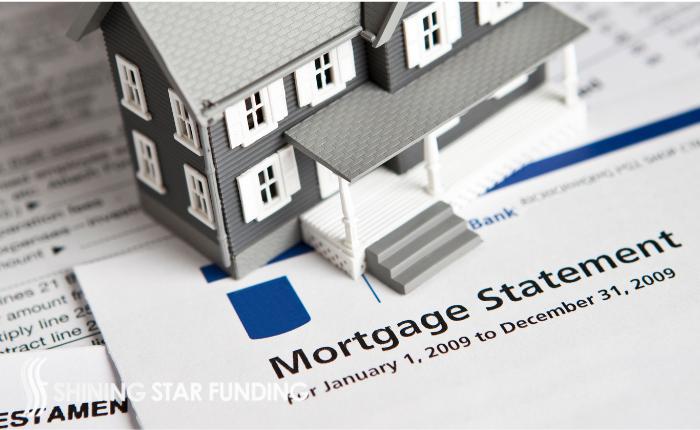
How Long to Keep Mortgage Statements: A Strategic Records Retention Strategy
Managing the paperwork trail that follows a real estate transaction can feel like a secondary job. For those in the phase of preparing to buy their next property or managing a current portfolio, the question of document retention is more than just a matter of filing cabinet space. It is about financial security, tax compliance, and maintaining a clean paper trail for future lenders. Whether you are a first-time homebuyer or an asset-rich individual seeking for real estate investments, knowing which papers to shred and which to save is a vital skill in modern property management.
The transition from a renter to a homeowner—or from a single-property owner to a real estate mogul—involves a significant amount of data. As you navigate the path of preparing to buy, you quickly realize that your past financial behavior is the primary metric used to judge your future reliability. Among the most frequent documents you will encounter is the monthly mortgage statement. Understanding its lifespan and its utility in your broader financial life is essential for maintaining a healthy relationship with your mortgage servicer and the IRS.
What are mortgage statements, and why do they matter?
A mortgage statement is a monthly document issued by your loan servicer that provides a detailed snapshot of your loan’s health. It isn’t just a bill; it is a communication tool. When you look at a mortgage statement example, you will typically see your current balance, the interest rate being applied, the breakdown of your last payment, and any funds held in your escrow account for taxes and insurance.
For self-employed home buyers or real estate investors, these statements are crucial for tracking the equity growth in a specific asset. They serve as the primary record of how much of your monthly mortgage payment receipt is going toward the principal versus interest. Furthermore, because these documents show the year-to-date interest paid, they are the foundation for calculating tax deductions. In many ways, the mortgage statement is the heartbeat of your property investment, providing a monthly pulse check on your financial progress.

How long should you keep mortgage documents?
The general rule for record retention is often dictated by the statutes of limitations for tax audits and legal disputes. However, mortgages have specific timelines that differ from standard credit card bills or utility receipts. When you are preparing to buy and looking back at your records, you should follow these specific timeframes:
- Monthly Statements: Keep these for one year. Once you receive your annual year-end statement (which summarizes all 12 months), you can generally discard the individual monthly papers.
- Annual Tax Statements: Keep these for at least seven years. This aligns with the IRS recommendations for tax-related documentation. If you are claiming a home office deduction or other property-related tax breaks, these are indispensable.
- Settlement and Closing Documents: Keep these for the entire life of the loan plus seven years after you sell the property. This includes the Closing Disclosure, the deed of trust, and the promissory note.
- Mortgage Interest Statements: Documents like a quicken loans mortgage interest statement or similar year-end forms should be kept for seven years to support your tax filings.
What mortgage documents can you safely discard?
Not every piece of mail from your lender is a keeper. To avoid drowning in paper, you can safely discard monthly solicitations, insurance marketing materials, and general newsletters from your servicer. Once you have verified that your newest mortgage statement reflects the correct information from the previous month, the older monthly statement becomes redundant if you have the annual summary.
However, before tossing anything, ensure that you have a mortgage payment receipt or a digital confirmation of each transaction. If you pay online, your bank statement also serves as a secondary receipt. When discarding any financial document, always use a cross-cut shredder. Mortgage records contain your account numbers, names, and property addresses, making them a goldmine for identity thieves if they are simply thrown in the trash.
Storage guidelines for different types of mortgage statements
In the digital age, “keeping” a document doesn’t have to mean physical clutter. For retirees or busy investors, a hybrid approach to storage is often the most efficient. Many servicers now provide a sample mortgage statement in PDF format through their online portals, which can be easily downloaded and archived.
| Document Type | Storage Format | Retention Period |
|---|---|---|
| Monthly Mortgage Statement | Digital (Cloud/Hard Drive) | 1 Year |
| Closing Disclosure | Physical (Fireproof Safe) | Life of Loan + 7 Years |
| Annual Tax Form (1098) | Digital + Physical Backup | 7 Years |
| Property Tax Receipts | Digital | 7 Years |
If you prefer digital storage, ensure you have a “3-2-1” backup strategy: three copies of your data, on two different media types, with one copy off-site (such as encrypted cloud storage). For physical documents, a fireproof and waterproof safe is the gold standard for protecting the original deed and closing papers.
When might you need old mortgage records?
It can be tempting to clear out the files the moment a loan is paid off, but there are several scenarios where an old mortgage statement or payment history is vital. If you decide to refinance or apply for a new loan, a future lender may want to see proof of consistent payments over a multi-year period. This is especially common for self-employed individuals who may need to provide extra “layering” of proof for their financial stability.

Another critical scenario is when you sell the property. To calculate your capital gains tax accurately, you need to know your “basis” in the home. This includes the original purchase price plus any improvements and certain closing costs. Old records help prove these figures to the IRS. Additionally, if there is ever a dispute regarding whether a mortgage lien was properly released, having your final mortgage payment receipt and the “Paid in Full” letter from the servicer is your ultimate protection.

The Role of Records in Future Planning
For those currently preparing to buy, the habit of meticulous record-keeping starts now. Lenders will often ask for the last two months of statements for all your current debts. If you have an existing mortgage, providing a clear, concise mortgage statement history shows that you are a low-risk borrower. For retirees or asset-rich individuals, these records are part of a broader estate plan, ensuring that heirs have a clear roadmap of the property’s financial history.
Even if you are looking at a sample mortgage statement just to familiarize yourself with the layout before your first purchase, remember that these documents are more than just numbers. They are the story of your path to ownership. By managing them with care, you protect your credit, your tax standing, and your peace of mind. Keeping your quicken loans mortgage interest statement and other tax documents organized ensures that when April rolls around, or when a new investment opportunity arises, you are ready to move quickly and confidently.
Ultimately, the goal of homeownership and real estate investment is to build wealth. That wealth is protected not just by the physical structure of the house, but by the integrity of the data that surrounds it. Whether you are storing your mortgage payment receipt in a digital folder or a physical file, the discipline you show in record-keeping is a reflection of the discipline that will lead you to long-term financial success in the real estate market.
FAQ's
Never just throw them in the trash. Mortgage statements contain your account number, name, address, and loan balance—prime targets for identity thieves. Always shred any mortgage-related document before disposing of it.
The “seven-year rule” is a safe benchmark for any document with tax implications (like interest statements used for deductions). Since the IRS can audit you for up to six years in some cases, keeping these records for seven years covers your bases.
This is the most important document you’ll ever get. Once you pay off your loan, your lender sends a document proving the debt is clear. Keep this permanently. It is your proof that the lender no longer has a lien on your property.
Yes. While not “statements,” you should keep receipts for major upgrades (like a new roof or kitchen remodel) alongside your mortgage documents. These receipts help increase your home’s “cost basis,” which can lower the capital gains tax you might owe when you sell the property.
You may need them in several scenarios:
Applying for a new loan: Lenders often want to see your most recent statements.
Tax Audits: The IRS may want proof of mortgage interest deductions.
Refinancing: To verify your current balance and escrow status.
Disputing Errors: If a lender claims you missed a payment from three years ago, your records are your only defense.
Digital: Save PDFs in a secure, encrypted cloud folder or a password-protected hard drive. Ensure the file names include the date (e.g.,
2026-04-Mortgage-Statement.pdf) for quick searching.Paper: Keep “forever” documents (the Deed and Closing Disclosure) in a fireproof safe or a bank safety deposit box.
You can usually discard marketing materials from your lender, pre-qualification letters that have expired, and old property flyers. Once a monthly statement has been reconciled with your annual statement, it is safe to toss—provided you have confirmed all payments were applied correctly.
Unlike monthly statements, your Closing Disclosure (CD), Note, and Deed of Trust should be kept for as long as you own the home, plus an additional seven years after you sell it. These are vital for tax purposes and to prove you have settled all debts when you eventually move.
For standard monthly statements, the general rule is to keep them for one year. Once you receive your annual year-end statement (which summarizes the entire year’s interest and taxes), you can typically shred the individual monthly ones. However, if you are planning to apply for a new mortgage soon, keep the last 12 months of statements readily available for lenders to review.
A mortgage statement is a monthly record from your lender showing your payment history, interest paid, and remaining principal. They matter because they serve as a paper trail for your largest financial asset. When preparing to buy your next home, these statements prove you have a history of on-time payments, which is crucial for securing a new loan.

527 Sycamore Valley Rd W, Danville, CA 94526
Toll Free Call : (866) 280-0020
For informational purposes only. No guarantee of accuracy is expressed or implied. Programs shown may not include all options or pricing structures. Rates, terms, programs and underwriting policies subject to change without notice. This is not an offer to extend credit or a commitment to lend. All loans subject to underwriting approval. Some products may not be available in all states and restrictions may apply. Equal Housing Opportunity.
Interactive calculators are self-help tools. Results received from this calculator are designed for comparative and illustrative purposes only, and accuracy is not guaranteed. Shining Star Funding is not responsible for any errors, omissions, or misrepresentations. This calculator does not have the ability to pre-qualify you for any loan program or promotion. Qualification for loan programs may require additional information such as credit scores and cash reserves which is not gathered in this calculator. Information such as interest rates and pricing are subject to change at any time and without notice. Additional fees such as HOA dues are not included in calculations. All information such as interest rates, taxes, insurance, PMI payments, etc. are estimates and should be used for comparison only. Shining Star Funding does not guarantee any of the information obtained by this calculator.
Privacy Policy | Accessibility Statement | Term of Use | NMLS Consumer Access
CMG Mortgage, Inc. dba Shining Star Funding, NMLS ID# 1820 (www.nmlsconsumeraccess.org, www.cmghomeloans.com), Equal Housing Opportunity. Licensed by the Department of Financial Protection and Innovation (DFPI) under the California Residential Mortgage Lending Act No. 4150025. To verify our complete list of state licenses, please visit www.cmgfi.com/corporate/licensing