
Home Title Theft

The Reality of Home Title Theft: Protecting Your Equity in a Digital Age
For decades, the concept of homeownership was built on physical security—sturdy locks, alarm systems, and high fences. But in 2026, the greatest threat to your property might not come through the front door, but through a fraudulent digital filing at your county recorder’s office. Home title theft, often called deed fraud, has evolved from a niche scam into a sophisticated operation targeting the most valuable asset of retirees, first-time homebuyers, and real estate investors alike. While you sleep soundly in your bed, a criminal can use your personal information to “steal” your home on paper, potentially siphoning away years of hard-earned equity before you even realize a crime has been committed.
As you navigate the responsibilities of homeownership, it is vital to understand that your property title is more than just a piece of paper; it is the legal proof of your net worth. For asset-rich individuals and self-employed home buyers who rely on their property as a financial anchor, the impact of title fraud can be devastating. However, while the headlines are alarming, the risk can be managed with the right analytical approach. By understanding the mechanics of how these criminals operate and the specific “red flags” to watch for, you can ensure that your home remains yours, both in the physical world and in the public record.
What is Home Title Theft?
Home title theft occurs when a scammer uses stolen personal information—often obtained through phishing, data breaches, or the dark web—to forge your signature on a property deed. Once the forged deed is notarized and filed with the county, the public record officially shows the scammer (or a shell company they control) as the owner of the property. This is a form of high-stakes identity theft specifically tailored to the real estate market.
Once they have “legal” control of the title, the thief’s goal is typically one of two things:
- Equity Stripping: They take out multiple home equity lines of credit (HELOCs) or second mortgages against the property, pocket the cash, and disappear, leaving you to deal with the foreclosure notices.
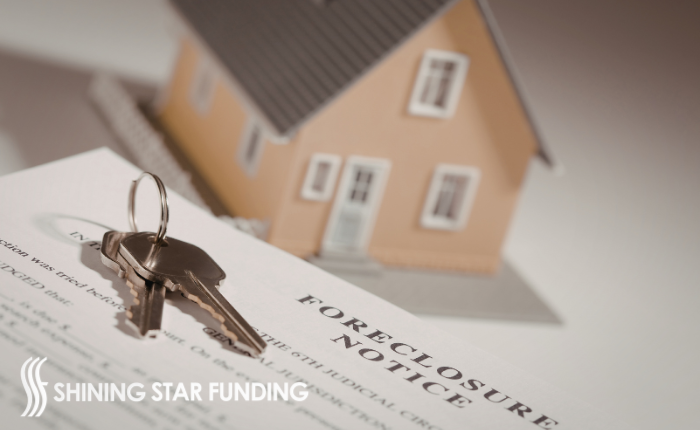
- Fraudulent Sale: They list the property for sale, often at a “too-good-to-be-true” price, and sell it to an unsuspecting buyer. This is particularly common with vacant land or second homes where the real owner isn’t present to notice the “For Sale” sign.
How Common is Home Title Theft?
The statistical reality of home title theft is often misunderstood. In late 2025 and early 2026, the FBI’s Internet Crime Complaint Center (IC3) reported that while real estate fraud complaints represent less than 1% of total identity theft cases, the financial losses are disproportionately high. Recent data indicates that approximately 1 in 118 mortgage applications show some indicators of fraud risk, with investment properties being targeted at even higher rates.
Despite what aggressive “title lock” advertisements might suggest, this remains a relatively rare crime compared to credit card fraud. However, for those who are targeted—specifically retirees with significant equity and owners of vacation rentals—the average loss exceeds $150,000 per incident. The 2026 trend shows that criminals are increasingly using AI-generated deepfake voices and sophisticated digital document forgery to bypass traditional notary checks, making it more important than ever to stay vigilant within the homeownership community.
Signs of Home Title Theft
The earlier you detect title fraud, the easier it is to reverse. Because the crime happens in the public record, the “symptoms” often appear in your mailbox or on your credit report. Watch for these red flags:
- Missing Mail: If your property tax bills, water bills, or mortgage statements suddenly stop arriving, a thief may have filed a change-of-address form to hide their activity.
- Unexpected Loan Documents: Receiving notices from a lender you don’t recognize about a loan application or a past-due payment is a critical warning sign.
- Unrecognized Credit Inquiries: New “hard pulls” on your credit report for mortgages or HELOCs that you didn’t authorize.
- Utility Issues: A sudden shut-off notice for a property you know you’ve paid for, or a notification that someone else has opened a utility account in their name at your address.
- Unsolicited Interest: Being contacted by “iBuyers” or real estate agents asking about a listing for your home that you never posted.
How to Prevent House Title Theft
Prevention in 2026 is about layering your defenses. There is no such thing as a “title lock” that physically prevents a deed from being filed, but you can make your property an unattractive target for scammers. Here is an educational breakdown of effective prevention steps:
| Strategy | Action Item | Why it Works |
|---|---|---|
| County Alerts | Sign up for “Property Fraud Alerts” with your County Recorder. | You get an automated email any time a document is filed against your parcel number. |
| Owner’s Title Insurance | Verify you have an “Enhanced” Owner’s Policy. | Unlike lender’s insurance, this protects you and often covers post-policy forgery. |
| Credit Freeze | Place a freeze on your credit reports at Equifax, Experian, and TransUnion. | Thieves cannot open new loans/mortgages in your name because lenders can’t pull your credit. |
| PII Protection | Shred all mortgage-related mail and use a VPN for financial transactions. | Reduces the “raw materials” (Social Security numbers, etc.) thieves need for identity theft. |


Reporting Home Title Theft
If you suspect you have fallen victim to this crime, you must act with extreme speed. Every day a fraudulent deed remains on the books is another day a thief can drain your equity. Your reporting process should follow these steps:
- Contact the County Recorder: Inform the clerk’s office immediately. While they cannot always “undo” the filing without a court order, they can flag the file and provide you with copies of the fraudulent documents.
- Notify Your Lender: If you have an existing mortgage, alert their fraud department. They have a vested interest in protecting the title since the house is their collateral.
- File a Police Report: Get a physical case number. You will need this to prove to lenders and credit bureaus that the activity was criminal and not just a “change of heart” on a sale.
- Report to the FBI: Use the IC3.gov portal. They track patterns of title theft across state lines and may be able to link your case to a larger criminal ring.
What to Do if You’re a Victim
Recovering from home title theft is a marathon, not a sprint. Once you’ve filed the initial reports, you need to transition into the “restoration” phase. This is where your commitment to the homeownership journey is tested. First, you must contact an experienced real estate attorney. In most cases, you will need to file a “Quiet Title” action—a lawsuit that asks a judge to officially declare the fraudulent deed void and restore your rightful ownership.
Simultaneously, you must work with the Federal Trade Commission (FTC) via IdentityTheft.gov to clear your name of any fraudulent debt. If you have an owner’s title insurance policy, contact your provider immediately. They may be required to provide you with legal counsel and cover the costs of the Quiet Title action. For retirees and asset-rich individuals, having this insurance can be the difference between a minor legal hurdle and a total financial wipeout. Keep a detailed log of every phone call, name, and case number you encounter during the recovery process.
Final Thoughts on Property Security
Home title theft is a frightening concept, but it doesn’t have to be a source of constant anxiety. By integrating simple habits into your routine—like checking your property records once a quarter and keeping your credit frozen—you can enjoy the benefits of homeownership without the fear of a paper-based takeover. In the evolving market of 2026, information is your best defense. Stay informed, stay proactive, and remember that your home is your sanctuary; keep it protected by being the most informed person in the room when it comes to your property’s legal status.
FAQ's
Restoring your title requires a legal process called a “Quiet Title Action.” Since a forged deed is legally “void” from the start, it never actually transferred ownership in the eyes of the law. However, you will need a real estate attorney to file the necessary paperwork to have the fraudulent deed removed from public records and to “quiet” any claims made by the scammer’s lenders.
Often, the victims are two-fold. The scammer might sell the home to an “innocent purchaser”—someone who thinks they are buying a legitimate “fixer-upper” at a discount. In 2026, most title companies have implemented AI-driven identity verification to catch these during escrow, but private “cash” sales without title insurance are where these thefts most often succeed.
If you discover a fraudulent deed has been filed, you must act within the first 24–48 hours:
File a Police Report: You need a case number to prove the crime to lenders and courts.
Contact the County Recorder: Alert them to the fraudulent filing immediately.
Report to the FTC: Use IdentityTheft.gov to create an official recovery plan.
Notify your Lender: If you have an existing mortgage, your lender has a vested interest in protecting the title and can assist with their fraud department.
Yes, but only if you have an Owner’s Title Insurance policy. If you purchased this when you bought your home, it often covers losses from forgery and fraud that occurred prior to your purchase. Some “enhanced” policies also cover certain types of post-policy forgery. Review your specific policy to see if “Deed Fraud” or “Post-Policy Forgery” is included.
It is important to distinguish between “Title Lock” services and actual insurance. Most “Title Lock” products are monitoring services, not insurance. They alert you after a document is filed, but they cannot physically “lock” the title or prevent a forgery. They also do not typically pay for the legal fees required to fix your title.
You don’t always need a paid service to protect yourself. Many counties now offer Free Property Fraud Alerts. You can sign up on your County Recorder’s website to receive an email or text notification whenever a document is recorded against your property’s address. Additionally, checking your own property records online once or twice a year is a highly effective, free habit.
You don’t need to be an expert to spot red flags. Be on the alert if:
You stop receiving your property tax bills or water bills (fraudsters often change the mailing address).
You receive mortgage statements or “past due” notices for a loan you never applied for.
You receive mail addressed to an unfamiliar person regarding your property.
Your credit report shows new, unauthorized inquiries from mortgage lenders.
Thieves typically look for the path of least resistance. Vulnerable properties include:
Vacant or seasonal homes: Properties where the owner isn’t present to notice suspicious mail or activity.
Rental properties: Especially those owned by out-of-state landlords.
Homes with no mortgage: If a home is owned “free and clear,” there is no lender monitoring the title for new liens.
Homes owned by seniors: Scammers often target older individuals through phishing or social engineering.
While it is a devastating crime, it remains relatively rare compared to other forms of fraud. In 2026, industry reports indicate that only a small percentage of real estate scams involve actual deed transfers; most involve “mortgage fraud” or “rental scams.” However, cases are most prevalent in major metropolitan areas and often target properties with high equity or those that are not actively monitored by the owner.
Home title theft (also known as deed fraud) occurs when a criminal steals your personal information to forge your signature on a property deed. They then file this fraudulent document with the county recorder’s office to “transfer” ownership of your home to themselves or a shell company. Once they appear as the owner on paper, they can take out home equity loans, open lines of credit, or even attempt to sell the home to an unsuspecting buyer.

527 Sycamore Valley Rd W, Danville, CA 94526
Toll Free Call : (866) 280-0020
For informational purposes only. No guarantee of accuracy is expressed or implied. Programs shown may not include all options or pricing structures. Rates, terms, programs and underwriting policies subject to change without notice. This is not an offer to extend credit or a commitment to lend. All loans subject to underwriting approval. Some products may not be available in all states and restrictions may apply. Equal Housing Opportunity.
Interactive calculators are self-help tools. Results received from this calculator are designed for comparative and illustrative purposes only, and accuracy is not guaranteed. Shining Star Funding is not responsible for any errors, omissions, or misrepresentations. This calculator does not have the ability to pre-qualify you for any loan program or promotion. Qualification for loan programs may require additional information such as credit scores and cash reserves which is not gathered in this calculator. Information such as interest rates and pricing are subject to change at any time and without notice. Additional fees such as HOA dues are not included in calculations. All information such as interest rates, taxes, insurance, PMI payments, etc. are estimates and should be used for comparison only. Shining Star Funding does not guarantee any of the information obtained by this calculator.
Privacy Policy | Accessibility Statement | Term of Use | NMLS Consumer Access
CMG Mortgage, Inc. dba Shining Star Funding, NMLS ID# 1820 (www.nmlsconsumeraccess.org, www.cmghomeloans.com), Equal Housing Opportunity. Licensed by the Department of Financial Protection and Innovation (DFPI) under the California Residential Mortgage Lending Act No. 4150025. To verify our complete list of state licenses, please visit www.cmgfi.com/corporate/licensing