
Home Equity Loan Closing Costs

Navigating Home Equity Loan Closing Costs: A Complete Strategic Guide
Leveraging the value you have built in your residence is one of the most powerful financial moves available to modern homeowners. Whether you are funding a high-end kitchen remodel, consolidating high-interest debt, or seeking capital for your next investment, tapping into your property’s value can provide the liquidity you need at a lower rate than most personal loans. However, many borrowers focus so intently on the interest rate that they overlook the initial financial hurdle: the home equity loan closing costs. In the context of equity and home management, understanding these upfront expenses is essential to ensuring your borrowing strategy remains cost-effective.
As we move through 2026, the lending landscape has become more transparent, yet the variety of fees can still be daunting for first-time homebuyers and seasoned real estate investors alike. While a second mortgage is generally less expensive to close than a primary purchase, the cost of home equity loan remains a significant factor in your overall return on investment. By mastering the breakdown of these charges, you can avoid “sticker shock” at the closing table and keep more of your hard-earned equity working for you rather than disappearing into administrative fees.
Do home equity loans have closing costs?
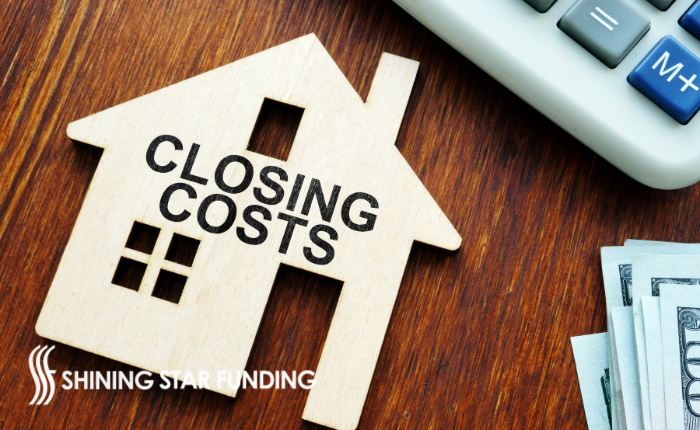
The short answer is yes. Much like your original mortgage, a home equity loan is a legal agreement secured by your property, which requires a series of administrative and legal steps to finalize. These steps involve third-party professionals—appraisers, title companies, and notaries—all of whom charge for their services. Typically, closing costs on home equity loan range from 2% to 5% of the total loan amount. If you are borrowing $100,000, you should expect to set aside between $2,000 and $5,000 to cover these expenses.
For retirees or asset-rich individuals seeking for real estate investments, these costs are a critical part of the “break-even” calculation. If the goal is to save money through debt consolidation, the monthly savings must be significant enough to offset these initial fees within a reasonable timeframe. Within the category of equity and home, evaluating these costs is the difference between a savvy financial maneuver and an expensive mistake.
Quick Guide to Home Equity Loan Closing Costs
Before diving into the details, it helps to have a high-level view of what you might encounter. Every lender has a different fee structure, but most will fall into these general buckets:
- Lender Fees: Origination, application, and credit report fees.
- Third-Party Fees: Appraisal, title search, and notary services.
- Government Fees: Recording fees and potential mortgage taxes.
Deep Dive into Home Equity Loan Closing Costs
To truly understand the cost of home equity loan, you need to look at the individual line items that appear on your Loan Estimate. Here is a breakdown of the most common charges you will see in 2026.
Appraisal Fees
The lender needs to know exactly what your home is worth today to determine your Loan-to-Value (LTV) ratio. An appraisal fee typically costs between $350 and $600. In recent years, many lenders have started using Automated Valuation Models (AVMs) or “drive-by” appraisals for smaller equity loans, which can significantly lower this specific cost.
Credit Report Fees
Lenders will pull your credit history from the major bureaus to assess your risk. While this is a small fee—usually between $25 and $75—it is a standard part of the application process. Self-employed home buyers should ensure their credit is in peak condition before this pull to secure the best possible terms.
Origination Fees
This is often the largest lender-controlled fee. It covers the administrative costs of processing and under-writing the loan. It can be a flat fee or a percentage of the loan amount (usually 0.5% to 1%). Some lenders may waive this fee to attract high-net-worth clients or those with exceptional credit.
Notary and Document Preparation Fees
Since a home equity loan is a recorded legal document, it must be notarized. Notary fees are usually modest ($50 – $150), while document preparation fees cover the legal staff’s time in drafting your specific loan agreement. For retirees living in states with digital closing options, these fees may be slightly lower due to increased efficiency.
Title Search and Title Insurance Costs
The lender must confirm that you are the sole owner of the property and that there are no outstanding liens or legal “clouds” on the title. A title search typically costs $75 to $200. While you likely bought title insurance when you purchased the home, the lender will require a new “lender’s policy” to protect their specific interest in the new equity loan.
Closing or Settlement Fee
This fee is paid to the title company or attorney who handles the actual signing of the heloc closing documents. They coordinate the flow of paperwork and the distribution of funds, ensuring that all legal requirements are met. Expect this to range from $250 to $500 depending on your location.
What are the closing costs and fees for a HELOC?
While we have focused on lump-sum loans, many borrowers opt for a Home Equity Line of Credit (HELOC). Interestingly, heloc closing costs are often lower upfront than those for a standard home equity loan. Some lenders may even waive the initial closing costs entirely to encourage you to open the line of credit.
However, HELOCs often come with “ongoing” costs that you won’t find with a fixed loan, such as annual participation fees (around $50–$100) or transaction fees every time you draw funds. When you are reviewing your heloc closing documents, pay close attention to the “early disclosure” section, which outlines any inactivity fees or penalties for closing the line of credit within the first few years.
How can you lower your home equity loan costs?
You don’t have to accept every fee at face value. Strategic borrowers use several tactics to minimize the impact of closing costs on home equity loan transactions.
| Strategy | Benefit | Who it's for |
|---|---|---|
| Negotiate Fees | Waives origination or app fees | Borrowers with 780+ credit |
| No-Cost Loans | Zero upfront cash needed | Short-term borrowers |
| Lender Comparison | Lowest total APR | Investors and self-employed |
| Improve Credit | Access to lower fee tiers | Anyone planning 6+ months out |
Find Lenders with No-Closing-Cost Home Equity Loans
A no closing cost home equity loan can be a great tool, but it is rarely “free.” Usually, the lender covers the upfront costs in exchange for a slightly higher interest rate. This is an excellent choice for individuals who need the full lump sum immediately for a project and don’t want to pay thousands out of pocket at the start. However, over a 15-year term, the higher interest rate might actually cost you more than the original fees would have.
Improve Your Credit Score and Reduce Debt
Lenders view equity and home loans through the lens of risk. By improving your credit score and lowering your existing debt-to-income ratio, you become a “low-risk” borrower. This often unlocks “Tier 1” pricing, where lenders are more willing to waive application or origination fees to win your business.
Shop Around and Negotiate
Never take the first offer. Get at least three quotes and compare the “Section A” lender fees on each. If one lender has a lower origination fee but a higher interest rate, ask your preferred lender to match the lower fee. Because these loans are highly competitive, lenders often have “wiggle room” on the fees they control directly.

The Final Word on Equity and Home Planning
Tapping into your home’s value is a major milestone in your journey of homeownership. By understanding the intricate details of closing costs on home equity loan, you empower yourself to make a decision that supports your broader financial goals. Whether you are signing heloc closing documents for a revolving line of credit or opting for the stability of a fixed-rate loan, the key is to look at the total cost of borrowing over time.
In the dynamic market of 2026, being an informed borrower is your greatest asset. By focusing on the category of equity and home as a long-term wealth-building strategy, you can minimize unnecessary fees and maximize the impact of every dollar you borrow. Take the time to shop, negotiate, and plan—your future self will thank you for the savings.
FAQ's
Lowering your DTI is a strategic move to secure better loan terms. By paying down credit card balances or car loans, you show the lender you have more “residual income” to handle the new equity loan. For a self-employed home buyer, reducing personal debt can often offset the complex income documentation required for the business side of the application.
This is the most effective way to lower your costs. Because home equity products are competitive, different banks, credit unions, and online lenders will offer vastly different fee structures. Collect at least three different quotes and compare the “Total Closing Costs” line on each document.
Absolutely. While third-party fees (like government recording taxes) are non-negotiable, lender-specific fees such as the origination fee or application fee can often be reduced or waived, especially if you have a long-standing relationship with the institution. Always ask for a “Loan Estimate” and check for any “junk fees” that seem unnecessary.
While it doesn’t change the price of a notary or an appraisal, your credit score significantly impacts the Origination Fees and interest rates. Lenders view borrowers with higher scores as lower risk, often leading to discounted processing fees. Improving your credit score before applying is a primary strategy for lowering your total equity and home financing expenses.
Yes, some lenders offer no-closing-cost options. However, it is important to be analytical: “no-closing-cost” usually means the lender is either rolling the costs into your principal balance (increasing the amount you owe) or charging a slightly higher interest rate to recoup the expenses over time. This can be a great option for first-time homebuyers with limited liquid cash but higher monthly income.
Home Equity Lines of Credit (HELOCs) often have lower upfront closing costs than fixed-rate home equity loans. In fact, many lenders waive the closing costs for a HELOC entirely as an incentive. However, HELOCs may carry ongoing costs that home equity loans do not, such as annual membership fees or “inactivity fees” if you don’t use the line of credit.
Depending on your state’s laws, you may encounter several service-based fees:
Attorney or Document Preparation Fees: Charged for drafting the promissory note and mortgage deed.
Notary Fees: To verify the identity of the signers and witness the execution of the documents.
Closing or Settlement Fee: Paid to the title company or escrow agent who facilitates the final meeting and the distribution of funds.
Appraisal fees typically range from $300 to $600. Lenders require this to ensure the Combined Loan-to-Value (CLTV) ratio remains within their risk limits. For asset-rich individuals seeking for real estate investments, a high-quality appraisal is vital, as it directly dictates the maximum amount of cash you can extract from the property.
The costs are typically divided into lender fees and third-party fees. A “deep dive” into these expenses usually includes:
Origination Fees: Charged by the lender for processing and evaluating your loan application.
Appraisal Fees: Paid to a professional appraiser to determine the current market value of your home.
Credit Report Fees: The cost for the lender to pull your credit history from the major bureaus.
Title Search and Insurance: To ensure no other liens exist on the property that could jeopardize the lender’s position.
Yes. Just like a primary mortgage, home equity loans incur administrative, legal, and third-party fees. Because the lender is performing a full underwriting process to secure a new lien against your property, they must cover the costs of verifying your home’s value and your financial standing. Generally, you can expect to pay between 2% and 5% of the total loan amount in closing costs.

527 Sycamore Valley Rd W, Danville, CA 94526
Toll Free Call : (866) 280-0020
For informational purposes only. No guarantee of accuracy is expressed or implied. Programs shown may not include all options or pricing structures. Rates, terms, programs and underwriting policies subject to change without notice. This is not an offer to extend credit or a commitment to lend. All loans subject to underwriting approval. Some products may not be available in all states and restrictions may apply. Equal Housing Opportunity.
Interactive calculators are self-help tools. Results received from this calculator are designed for comparative and illustrative purposes only, and accuracy is not guaranteed. Shining Star Funding is not responsible for any errors, omissions, or misrepresentations. This calculator does not have the ability to pre-qualify you for any loan program or promotion. Qualification for loan programs may require additional information such as credit scores and cash reserves which is not gathered in this calculator. Information such as interest rates and pricing are subject to change at any time and without notice. Additional fees such as HOA dues are not included in calculations. All information such as interest rates, taxes, insurance, PMI payments, etc. are estimates and should be used for comparison only. Shining Star Funding does not guarantee any of the information obtained by this calculator.
Privacy Policy | Accessibility Statement | Term of Use | NMLS Consumer Access
CMG Mortgage, Inc. dba Shining Star Funding, NMLS ID# 1820 (www.nmlsconsumeraccess.org, www.cmghomeloans.com), Equal Housing Opportunity. Licensed by the Department of Financial Protection and Innovation (DFPI) under the California Residential Mortgage Lending Act No. 4150025. To verify our complete list of state licenses, please visit www.cmgfi.com/corporate/licensing