
Filing A Homeowners Insurance Claim After A Natural Disaster

Filing a Homeowners Insurance Claim After a Natural Disaster: A Step-by-Step Recovery Guide
Nature is unpredictable, and when a disaster strikes, the emotional and physical toll can be overwhelming. Whether it is a hurricane, a wildfire, or a massive storm, the aftermath leaves property owners facing a daunting list of chores and financial decisions. For those immersed in the responsibilities of homeownership, the path to recovery begins with understanding how to navigate the complex world of insurance. This is not just about fixing a roof; it is about protecting your largest investment and ensuring your financial future remains intact during a period of crisis.
Managing a property requires a proactive mindset, especially when external forces disrupt the peace. Whether you are a first-time homebuyer still learning the ropes or a real estate investor protecting a portfolio, knowing the mechanics of the claims process is a vital part of responsible homeownership. When the dust settles, your primary goal is to restore your property to its former glory while maximizing the benefits provided by your policy. This involves a strategic approach to documentation, communication, and financial management.
Evaluating the Damage: The First Critical Step
Once it is safe to return to your property, the very first thing you must do is perform a comprehensive evaluation of the damage. This is more than just a quick walk-through. You need to document every single issue, from structural cracks and broken windows to water stains on the ceiling. Take high-resolution photos and videos from multiple angles. For retirees or asset-rich individuals seeking for real estate investments, this documentation serves as the bedrock of your financial recovery. It provides the proof necessary to ensure your carrier treats the claim with the seriousness it deserves.
Do not throw anything away just yet. Even if a piece of furniture is ruined by water, keep it until an adjuster has had a chance to see it, or at least take detailed photos of the serial numbers and brand tags. The importance of this step cannot be overstated; an insurance claim check is only as accurate as the data you provide to the company. Missing a single detail in the initial evaluation could mean thousands of dollars left on the table during the settlement process.
Why Temporary Repairs are Non-Negotiable
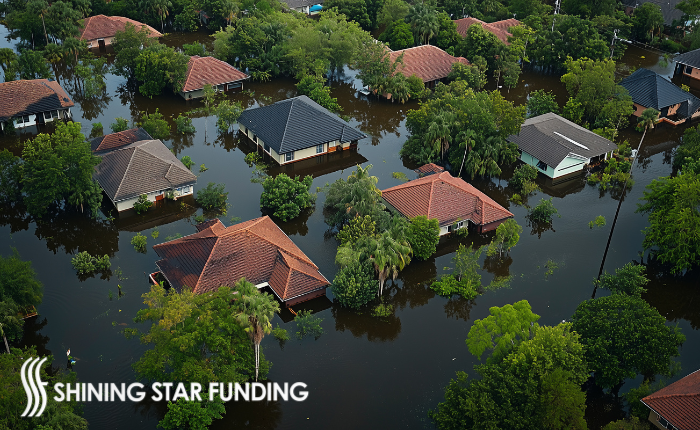
One common misconception in homeownership is that you should wait for the insurance company to arrive before touching anything. In reality, most policies require you to take reasonable steps to prevent further damage. This means making temporary repairs, such as boarding up broken windows, placing a tarp over a leaking roof, or drying out a flooded basement. If you allow rain to pour into an open hole in your roof for three days while waiting for an adjuster, the insurance company may deny coverage for the subsequent mold or interior damage, citing a failure to mitigate loss.
Keep every receipt for the materials you buy for these repairs. Whether you are buying plywood, nails, or heavy-duty plastic sheeting, these costs are typically reimbursable. If you are dealing with a flood insurance check, documentation of these immediate mitigation efforts is even more critical, as flood policies have very specific rules about what is covered in terms of “loss avoidance” measures.
So, Should You File a Claim?
Deciding whether to file a claim is a strategic business decision. While insurance exists to protect you, filing too many small claims can lead to increased premiums or even non-renewal of your policy. As a general rule, if the cost of the damage is only slightly higher than your deductible, it might be better to pay out of pocket. For example, if you have a $1,000 deductible and the repairs cost $1,200, receiving a $200 insurance claim check may not be worth the potential long-term premium hike.
However, after a natural disaster, damages are rarely that minor. In cases of significant structural issues or widespread interior damage, filing a claim is the only way to effectively manage the financial burden. Self employed home buyers and investors must weigh the immediate need for cash flow against the long-term cost of insurance. If the damage compromises the integrity or safety of the home, the answer is almost always a resounding yes.
Understanding Coverages and Exclusions
A standard homeowners policy is a robust document, but it does not cover everything. Most policies cover “perils” like wind, hail, fire, and lightning. However, natural disasters often bring nuances that fall into exclusions. The most significant exclusion in nearly every standard policy is flood damage. To be covered for rising water, you must have a separate policy, usually through the National Flood Insurance Program. Without it, you will not be eligible for a flood insurance check regardless of how much damage occurs.
Other common homeowners insurance exclusions include:
- Earthquakes (requires a separate rider or policy)
- Sewer backups (unless a specific endorsement is added)
- Maintenance-related issues (damage caused by wear and tear over time)
- Intentional acts or neglect
The Claims Process: Moving from Damage to Recovery
The process begins the moment you contact your insurance carrier. In a disaster scenario, companies are often flooded with calls, so the sooner you report an insurance claim flagstar or with your respective provider, the sooner you will be placed in the queue for an adjuster visit. During this initial call, ask for your claim number and the name of the person you spoke with.
The next phase involves the adjuster’s visit. They will inspect the property and provide an estimate for the repairs. Once the claim is approved, the payment process begins. This is where many homeowners get surprised: the check is often not made out directly to you. If you have a mortgage, your lender has a financial interest in the property and will likely be listed as a co-payee on the insurance claim check. This ensures that the money is actually used to repair the home, protecting the lender’s collateral.
Communicating with Your Lender
Because your lender is a stakeholder in your home, you must contact your lender as soon as you file a claim. They have specific departments to handle these situations. Depending on who services your loan, you might need to navigate specific portals to get the funds released. For instance, if you are looking for instructions on how to handle an insurance claim check pennymac or perhaps a roundpoint mortgage insurance claim check, you should visit their specific insurance claim websites. These platforms allow you to upload repair contracts and inspection reports so the lender can release the funds in draws as the work is completed.

Communicating with Your Lender
Because your lender is a stakeholder in your home, you must contact your lender as soon as you file a claim. They have specific departments to handle these situations. Depending on who services your loan, you might need to navigate specific portals to get the funds released. For instance, if you are looking for instructions on how to handle an insurance claim check pennymac or perhaps a roundpoint mortgage insurance claim check, you should visit their specific insurance claim websites. These platforms allow you to upload repair contracts and inspection reports so the lender can release the funds in draws as the work is completed.
Relocation Options: When Home is No Longer Safe
Natural disasters can make a home uninhabitable. Part of your “Loss of Use” coverage handles the additional living expenses (ALE) incurred when you are displaced. It is important to distinguish between your options:
Temporary Relocation
This is the most common scenario. Your insurance pays for hotel stays or a short-term rental while your home is being repaired. It also covers the “extra” cost of meals and laundry that you wouldn’t have spent if you were at home. For retirees or families, this provides a vital safety net during the reconstruction phase.
Permanent Relocation
In extreme cases where a home is a total loss or the land is no longer buildable, you might face permanent relocation. This is a life-altering event that requires a total payout of your policy limits. For real estate investors, this might trigger a decision to sell the land and reinvest elsewhere, whereas for a first-time homebuyer, it might mean navigating the purchase of a new property using the settlement funds.
Summary of the Claims Financial Flow
| Entity | Role in the Process | Financial Impact |
|---|---|---|
| Insurance Carrier | Approves and issues the claim payment | Provides the insurance claim check |
| Mortgage Lender | Oversees the use of funds for repairs | Endorses the check to release funds |
| Policyholder | Manages repairs and documentation | Responsible for the deductible amount |
| Contractor | Performs the actual restoration work | Paid via the released insurance funds |

Protecting Your Future in Homeownership
Filing a claim after a disaster is a marathon, not a sprint. It requires patience, meticulous record-keeping, and a clear understanding of your rights. Whether you are following up on a roundpoint mortgage insurance claim check or coordinating with local contractors, stay organized. Use a dedicated folder or digital drive for all correspondence and receipts. This level of diligence is the hallmark of successful homeownership, ensuring that even in the face of nature’s fury, your home remains a source of security and pride.
By understanding how to report an insurance claim flagstar or work with any other major servicer, you take control of the narrative. You transition from a victim of a disaster to a proactive manager of your property. In the end, the goal of the insurance claim check pennymac or any other provider issues is to make you “whole” again. With the right knowledge and a calm approach, you can navigate the aftermath of any storm and rebuild a future that is even stronger than before.
FAQ's
If your home is a total loss and local laws prevent you from rebuilding on that specific site (often seen in flood zones), your policy will pay out the “Replacement Cost” or “Actual Cash Value” up to your policy limits. This provides the capital needed to purchase a new home elsewhere, allowing you to continue your journey of homeownership in a safer location.
If your home is uninhabitable, your policy’s “Loss of Use” or “Additional Living Expenses” (ALE) coverage kicks in. This covers the cost of hotels, restaurant meals, and even temporary rentals. This is a vital benefit of homeownership that ensures you aren’t financially ruined by the cost of living elsewhere during repairs.
If you have a mortgage, the lender is a co-owner of the property in the eyes of the insurance company. Insurance checks are often made out to both you and the lender. You will need to work with their “loss draft” department to get the funds released to pay your contractors as work progresses.
The first step is to contact your insurance carrier. Most companies have 24/7 claims hotlines or mobile apps. Be prepared to provide your policy number, the date of the disaster, and a general description of the damage. Do not guess on structural integrity; wait for a professional inspection.
Consider your “claim history.” If you have filed multiple claims in the last few years, filing another small one could lead your carrier to non-renew your policy, making homeownership much more expensive in the future. Evaluate if paying out of pocket for minor repairs protects your long-term insurability.
Insurance generally does not cover damage caused by “neglect” or a lack of maintenance. If a tree falls on your house but was already dead and rotting, the carrier may deny the claim. Other common exclusions include sewer backups and pest infestations, unless you have specifically added endorsements for them.
Standard policies typically cover fire, wind, and hail. However, “earth movement” (earthquakes and landslides) and “flooding” (rising groundwater) are almost universally excluded. If you live in a high-risk area, you likely need a separate flood or earthquake policy to be fully protected.
Filing a claim isn’t always the right move. You must weigh the repair cost against your deductible. If a storm causes $1,500 in damage and your deductible is $1,000, the $500 payout might not be worth the risk of a future premium increase. As a rule of thumb in homeownership, only file a claim if the damage significantly exceeds your deductible.
No, you should make temporary repairs to prevent further damage. This is often a requirement in your policy called the “duty to mitigate.” For example, if you don’t tarp a damaged roof and rain ruins your flooring, the insurance company might deny coverage for the floor. Keep all receipts for plywood, tarps, and cleaning supplies, as these are usually reimbursable.
Before you call your agent, you need a clear “story” of the loss. Documenting the damage with photos and videos before anything is moved provides the evidence needed to support your claim. In the context of homeownership, thorough documentation prevents adjusters from overlooking high-value repairs or structural issues that might not be immediately obvious.

527 Sycamore Valley Rd W, Danville, CA 94526
Toll Free Call : (866) 280-0020
For informational purposes only. No guarantee of accuracy is expressed or implied. Programs shown may not include all options or pricing structures. Rates, terms, programs and underwriting policies subject to change without notice. This is not an offer to extend credit or a commitment to lend. All loans subject to underwriting approval. Some products may not be available in all states and restrictions may apply. Equal Housing Opportunity.
Interactive calculators are self-help tools. Results received from this calculator are designed for comparative and illustrative purposes only, and accuracy is not guaranteed. Shining Star Funding is not responsible for any errors, omissions, or misrepresentations. This calculator does not have the ability to pre-qualify you for any loan program or promotion. Qualification for loan programs may require additional information such as credit scores and cash reserves which is not gathered in this calculator. Information such as interest rates and pricing are subject to change at any time and without notice. Additional fees such as HOA dues are not included in calculations. All information such as interest rates, taxes, insurance, PMI payments, etc. are estimates and should be used for comparison only. Shining Star Funding does not guarantee any of the information obtained by this calculator.
Privacy Policy | Accessibility Statement | Term of Use | NMLS Consumer Access
CMG Mortgage, Inc. dba Shining Star Funding, NMLS ID# 1820 (www.nmlsconsumeraccess.org, www.cmghomeloans.com), Equal Housing Opportunity. Licensed by the Department of Financial Protection and Innovation (DFPI) under the California Residential Mortgage Lending Act No. 4150025. To verify our complete list of state licenses, please visit www.cmgfi.com/corporate/licensing