
Federal Style House

The Federal Style House: Elegance, Symmetry, and Architectural Heritage
Architecture in America is more than just a collection of building materials; it is a visual timeline of the nation’s identity. Among the most prestigious and recognizable designs is the Federal style house. Known for its refined grace and understated luxury, this style dominated the American landscape during the formative years of the Republic. For those navigating the modern world of homeownership, choosing a Federal home is often a statement of appreciation for history, balance, and classical proportions. Whether you are a first-time buyer captivated by brick townhomes or an asset-rich investor looking for a timeless estate, the Federal style offers a unique blend of prestige and livability.
Walking down the cobblestone streets of an old Eastern Seaboard city, you can almost feel the influence of the Enlightenment in the air. The Federal style house emerged as an evolution of the earlier Georgian style, shedding some of its predecessor’s heavier, more rigid elements in favor of something lighter and more delicate. Today, these homes are highly sought after by retirees and real estate investors alike, not just for their aesthetic beauty, but for the inherent value they hold as pieces of American heritage. Understanding the nuances of this architecture is the first step in deciding if you are ready to become the steward of one of these historic treasures.
What is a Federal-style house?
A Federal-style house is an architectural design that flourished in the United States between approximately 1780 and 1830. It is often described as the first truly “American” architectural style, though it heavily drew inspiration from the work of Scottish architect Robert Adam. The style coincided with the “Federalist” era of American politics, hence the name. It represents a period when the new nation was eager to distinguish itself from British tradition while still leaning on the classical ideals of ancient Rome and Greece.
In the context of homeownership, a Federal home is characterized by its rectangular or square shape, its multi-story height, and its obsession with symmetry. Unlike the more ornate Victorian homes that would follow decades later, the Federal style is disciplined. It relies on geometric precision and subtle decorative flourishes rather than grand, sweeping gestures. For many, it represents the pinnacle of early American sophistication—a home that doesn’t need to shout to be noticed.

What does the Federalist architecture style look like?
If you were to stand in front of a quintessential Federal-style house, your eyes would immediately be drawn to the symmetry. The front door is almost always located exactly in the center of the facade. However, the true “giveaway” of the Federal style is the fanlight—a semi-circular or elliptical window located directly above the front door. This window often features delicate leaded glass in intricate, spider-web-like patterns.
Beyond the door, look for these specific visual markers:
- Symmetrical Windows: Windows are usually arranged in neat rows, with an equal number on either side of the center. They are typically double-hung with thin wood muntins.
- Simple Rooflines: Most Federal homes feature a side-gabled or hipped roof, often hidden behind a low decorative balustrade or parapet wall.
- Delicate Details: You might see small, refined ornaments like swags, urns, or garlands carved into the wood or stone around the entryway.
- The Portico: Many Federal homes have a small, covered porch supported by thin, classical columns, adding a touch of Roman flair to the entrance.
What materials are used in building Federal-style houses?
The materials used in a Federal-style house vary significantly depending on the region, reflecting the local resources available during the early 19th century. In the bustling urban centers of the North, such as Boston, Philadelphia, and New York, brick was the primary choice. These bricks were often laid in a Flemish bond pattern, creating a durable and textured exterior that has survived for centuries. In the South and more rural areas, clapboard siding made of local timber was common, allowing the same symmetrical forms to be executed in wood.
Stone was also used, particularly for the foundation and for decorative accents like lintels (the beams above windows) and sills. High-end Federal homes often featured marble or limestone for these details to create a contrast against the red brick. On the interior, you will find plaster walls, intricate wood moldings, and often high-quality hardwood floors made of heart pine or oak. For a self-employed home buyer or a real estate investor, these high-quality, natural materials are a major draw, as they offer a level of durability and “soul” that is hard to find in modern synthetic construction.
The history of Federal-style architecture in the U.S.
The history of the Federal style is deeply intertwined with the birth of the United States. Following the Revolutionary War, the nation wanted an architecture that reflected its new democratic ideals. The style became a favorite of the founding fathers; in fact, Thomas Jefferson’s Monticello and the original designs for the White House were influenced by these classical Federalist principles. It was an era of optimism and intellectual growth, and the houses of the time reflected that sense of order and rationality.

As the merchant class grew in the early 1800s, the Federal style spread from grand public buildings to private residences. Successful ship captains in Salem, Massachusetts, and wealthy planters in Virginia all adopted the look. By the 1830s, the style began to fade as the Greek Revival movement took hold, but it left an indelible mark on the American landscape. Today, these homes are more than just residences; they are artifacts of a specific moment in time when America was defining itself on the world stage.
Pros and cons of buying a Federal-style house
Stepping into Federal-style homeownership is a decision that balances heart and head. These homes are undeniably beautiful, but they come with the realities of 200-year-old construction.
| The Pros (The Appeal) | The Cons (The Challenges) |
|---|---|
| Exceptional craftsmanship and rare, high-quality materials. | Higher maintenance costs due to aging systems and historic materials. |
| Strong resale value and prestige in the real estate market. | Strict historic preservation rules may limit your ability to renovate. |
| Spacious, logical floor plans with large windows and high ceilings. | Energy efficiency can be a struggle without modern upgrades. |
| A sense of pride in preserving American history. | Potentially higher insurance premiums for historic structures. |
Where can you find Federal-style homes?
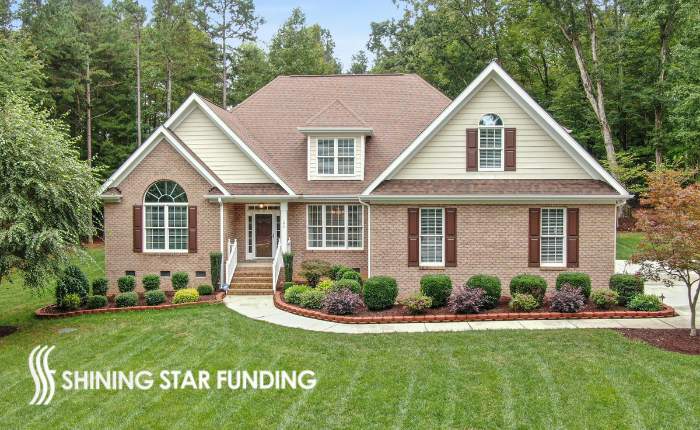
If you are looking to purchase a Federal-style house, your search will likely be focused on the Eastern Seaboard. Because these homes were built during the earliest days of the nation, they are concentrated in the original 13 colonies. Boston’s Beacon Hill is perhaps the most famous repository of Federal townhomes, where the red brick facades and black shutters create a perfectly preserved 19th-century atmosphere.
Other hotspots include the historic districts of Alexandria, Virginia; Georgetown in Washington, D.C.; and the Society Hill neighborhood in Philadelphia. You can also find grand, freestanding Federal estates in the Hudson Valley of New York and throughout the historic towns of coastal Connecticut and Rhode Island. For a real estate investor, these locations are prime targets, as they are often protected historic districts where property values remain exceptionally stable due to the limited supply of such iconic homes.
What is a modern Federal-style house?
The influence of Federalist architecture didn’t stop in 1830. Today, many new constructions are built in the “Neo-Federal” or “Federal Revival” style. A modern Federal-style house takes the core principles—symmetry, a centered door, and the fanlight—and applies them using 21st-century building techniques. You might see a new suburban home with a classic brick facade and a decorative portico, but inside, it features an open-concept kitchen and energy-efficient double-pane windows.
For first-time homebuyers who love the look of history but fear the maintenance of an old home, these modern interpretations are a perfect compromise. You get the stately curb appeal and balanced proportions of the 1800s with the insulation, modern plumbing, and smart-home technology of today. It is a way to honor the past while living comfortably in the present.
Is a Federal-style home also a historic home?
In almost every case, a true Federal-style house built during its primary era (1780-1830) is considered a historic home. However, “historic” is not just a descriptive term; it is often a legal one. Many of these homes are listed on the National Register of Historic Places or fall within local historic districts. This is a crucial distinction for anyone entering the world of homeownership. Being “historic” means you may qualify for specific tax credits for restoration, but it also means you might need approval from a local board before you can change your windows or paint your front door a non-traditional color.
Final Thoughts for the Prospective Owner
Owning a Federal style house is a unique privilege. It is an opportunity to live inside a piece of the American story. For the retiree looking for a dignified townhome or the investor looking for a legacy property, the Federal style offers a level of architectural integrity that is difficult to replicate. While it requires a certain level of commitment to maintenance and preservation, the rewards—both aesthetic and financial—are significant.
As you move forward with your real estate goals, take the time to appreciate the symmetry and the subtle details that make the Federal style so enduring. In a world of fast-paced changes, these homes stand as a reminder that some things—like balance, grace, and quality—never go out of style. If you have a passion for the past and a vision for the future, a Federal-style home might just be the perfect place for your next chapter.
FAQ's
Yes, but the homebuying process can be more complex. Appraisers may struggle to find comparable properties to determine the home’s value. Lenders may also have stricter requirements for the home’s structural condition. It is often helpful to work with a lender and insurance agent who have experience with historic properties.
If the home was built during the original era (1780–1830), it is almost certainly considered a historic home. However, “historic” is often a legal status. A home is officially historic if it is listed on the National Register of Historic Places or sits within a local historic district. This status can provide tax credits for restoration but also comes with preservation rules.
In the world of homeownership today, a “modern” Federal house is usually a Federal Revival home. These are newer constructions that borrow the symmetry and fanlight windows of the 1800s but use modern framing, insulation, and open-concept floor plans inside. They offer the classic “heritage” look without the 200-year-old maintenance.
They are most concentrated along the Eastern Seaboard. You’ll find them in historic neighborhoods like:
Beacon Hill in Boston, MA.
Georgetown in Washington, D.C.
Old Town in Alexandria, VA.
Society Hill in Philadelphia, PA.
Salem, MA, which is famous for its Federal-era mansions.
It emerged after the Revolutionary War as the new nation sought to establish its own identity separate from British Georgian traditions. Founders like Thomas Jefferson were major proponents, seeing classical Roman architecture as a symbol of the new American Republic. Famous examples include the White House and many historic buildings in cities like Boston and Philadelphia.
Maintenance: Older homes require dedicated upkeep of original brickwork, wood siding, and delicate plaster moldings.
Energy Efficiency: Original single-pane windows and high ceilings can make these homes more expensive to heat and cool.
Renovation Restrictions: If the home is in a historic district, you may face strict rules about what changes you can make to the exterior.
Timeless Appeal: Their simple, balanced proportions never go out of style, making them a safe long-term investment.
Natural Light: These homes are known for having many large, vertical windows that flood the interior with light.
Logical Layout: The interior typically features a center-hall floor plan that provides a clear, organized flow between rooms.
Prestige: Owning an original Federal home is often seen as being a steward of American history.
Materials typically depend on the region. In Northern seaport towns, wood clapboard or shingles were common. In the Mid-Atlantic and South, red brick was the dominant material, often laid in a “Flemish bond” pattern. High-quality natural materials like stone, marble, and iron were used for decorative lintels, sills, and railings.
The defining characteristic is symmetry. Most Federal homes are simple rectangular boxes, two or three stories tall, with a centered front door. Key visual markers include:
Elliptical Fanlights: A semi-circular or oval window above the front door with radiating spokes.
Symmetrical Windows: Neatly aligned rows of double-hung windows, often in a 6-over-6 pane configuration.
Palladian Windows: A three-part window on the second floor with a large arched center flanked by two smaller square windows.
Low-Pitched Roofs: Often a side-gabled or hipped roof, sometimes hidden by a decorative railing or balustrade.
A Federal-style house is an architectural design that flourished in the United States between 1780 and 1830. It is often considered a refinement of the earlier Georgian style. Named for the Federalist era, it represents the first truly “American” architectural movement, though it was heavily inspired by Scottish architect Robert Adam and the classical ideals of ancient Rome and Greece.

527 Sycamore Valley Rd W, Danville, CA 94526
Toll Free Call : (866) 280-0020
For informational purposes only. No guarantee of accuracy is expressed or implied. Programs shown may not include all options or pricing structures. Rates, terms, programs and underwriting policies subject to change without notice. This is not an offer to extend credit or a commitment to lend. All loans subject to underwriting approval. Some products may not be available in all states and restrictions may apply. Equal Housing Opportunity.
Interactive calculators are self-help tools. Results received from this calculator are designed for comparative and illustrative purposes only, and accuracy is not guaranteed. Shining Star Funding is not responsible for any errors, omissions, or misrepresentations. This calculator does not have the ability to pre-qualify you for any loan program or promotion. Qualification for loan programs may require additional information such as credit scores and cash reserves which is not gathered in this calculator. Information such as interest rates and pricing are subject to change at any time and without notice. Additional fees such as HOA dues are not included in calculations. All information such as interest rates, taxes, insurance, PMI payments, etc. are estimates and should be used for comparison only. Shining Star Funding does not guarantee any of the information obtained by this calculator.
Privacy Policy | Accessibility Statement | Term of Use | NMLS Consumer Access
CMG Mortgage, Inc. dba Shining Star Funding, NMLS ID# 1820 (www.nmlsconsumeraccess.org, www.cmghomeloans.com), Equal Housing Opportunity. Licensed by the Department of Financial Protection and Innovation (DFPI) under the California Residential Mortgage Lending Act No. 4150025. To verify our complete list of state licenses, please visit www.cmgfi.com/corporate/licensing