
Contemporary House
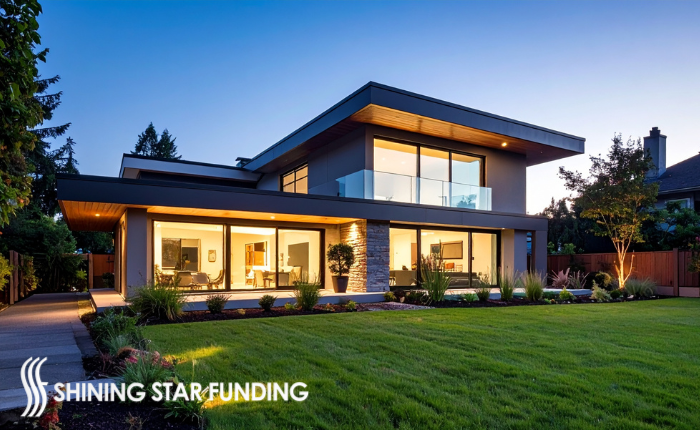
Defining the Contemporary House: A Strategic Analysis for the Modern Property Owner
In the dynamic world of real estate, architectural styles often act as a reflection of our societal values, technological progress, and aesthetic sensibilities. For those currently immersed in the journey of homeownership, the appeal of a contemporary house is more than just a passing trend; it represents a commitment to functional art, environmental sustainability, and a lifestyle that prioritizes fluid living spaces. Whether you are an asset-rich individual looking to diversify your portfolio with high-end real estate investments or a first-time homebuyer searching for a space that feels uniquely relevant to the 21st century, understanding the nuances of contemporary design is a powerful asset. This architectural movement is not bound by a single era but is a living, breathing style that evolves with the present moment, making it one of the most exciting choices in today’s housing market.
Navigating the nuances of this style requires a keen eye for detail and an understanding of how these structures interact with their surroundings. As we explore the intricacies of the contemporary house, we will uncover how it differs from its predecessors, what it costs to bring these visions to life, and why it holds such a significant place in the contemporary homeownership landscape.
What is a contemporary-style home?
To define a contemporary house is to describe a moving target. Unlike colonial, Victorian, or craftsman styles, which are rooted in specific historical periods, contemporary architecture is characterized by what is happening right now. It is the architecture of the “present.” The core philosophy behind a contemporary-style home is a rejection of the rigid rules of the past in favor of innovation. It borrows elements from various styles—including modernism, postmodernism, and even traditionalism—and blends them into something that feels fresh and current.
In 2026, the contemporary house is increasingly defined by its relationship with nature and its use of advanced building technologies. It focuses on sustainability, smart home integration, and a “less is more” approach that emphasizes quality over quantity. For retirees looking to downsize into a sleek, low-maintenance environment or self-employed home buyers who need a space that serves as both a sanctuary and a high-tech office, the contemporary home offers an unmatched level of versatility.

What are the differences between modern and contemporary houses?
One of the most frequent points of confusion in real estate is the distinction between “modern” and “contemporary.” While the terms are used interchangeably in casual conversation, they represent very different concepts in architectural history.
- Modern Houses: This refers to a specific historical movement known as Modernism, which flourished from the early 1900s through the 1950s (think Mid-Century Modern). It is characterized by strict geometric lines, a total lack of ornamentation, and the philosophy of “form follows function.”
- Contemporary Houses: This style is not anchored to a decade. It is a fluid category that encompasses what is popular today. While a contemporary house might use modern geometric lines, it might also incorporate curved shapes, traditional materials like stone and wood, and eclectic decorative touches that a strict modernist would avoid.
Essentially, modern is a fixed style, whereas contemporary is an evolving lifestyle. For those pursuing homeownership in high-growth urban areas, you will likely encounter contemporary designs that pay homage to modernism while integrating the latest eco-friendly materials and open-concept layouts.
What does a contemporary house look like? Key features
While the style is eclectic, several “DNA markers” define the visual language of a contemporary house. These homes are designed to be noticed, often standing as sculptural statements within their neighborhoods. Key features often include an emphasis on the horizontal and vertical, a mix of contrasting textures, and a deliberate connection between the indoors and outdoors.
Exterior contemporary house design elements
The exterior of a contemporary home is often its most striking feature. Designers prioritize asymmetrical shapes and irregular facades that challenge the viewer’s expectations. Common elements include:
- Flat or Low-Sloped Roofs: Often utilized to create “green roofs” or to hold large solar arrays.
- Contrasting Materials: It is common to see cedar siding paired with industrial steel, or smooth white stucco set against rugged natural stone.
- Expansive Windows: Floor-to-ceiling glass is a hallmark, designed to flood the home with natural light and erase the boundary between the living room and the landscape.
- Landscaping Integration: The garden is not an afterthought; it is often part of the architecture itself, with built-in planters and water features that mirror the lines of the house.
Interior contemporary house design elements
Inside, a contemporary house is all about the “feeling” of space. The design elements are chosen to foster a sense of calm and efficiency.
- Open Floor Plans: The kitchen, dining, and living areas usually flow into one another, creating a communal hub for families and entertaining.
- Natural Light: Skylights and clerestory windows are used to illuminate deep interior spaces without sacrificing privacy.
- Minimalist Finishes: Clean lines dominate, with hidden storage solutions, handle-less cabinetry, and a neutral color palette accented by bold architectural details.
- Sustainable Technology: High-efficiency HVAC systems, smart lighting, and recycled materials like bamboo flooring or reclaimed wood beams are standard in 2026 contemporary builds.
How much does it cost to build a contemporary house?
For many real estate investors and asset-rich individuals, building a custom contemporary house is a preferred way to ensure every modern convenience is included. However, this architectural freedom comes at a premium. Because these homes often involve non-standard shapes, large spans of glass, and high-end sustainable materials, they are typically more expensive than traditional “tract” homes.

| Cost Category | Standard Build (Per Sq. Ft.) | Luxury Contemporary (Per Sq. Ft.) |
|---|---|---|
| Design & Architecture | $15 – $30 | $50 – $100+ |
| Materials (Glass, Steel, Eco-tech) | $150 – $250 | $350 – $600 |
| Specialized Labor | $80 – $120 | $150 – $250 |
| Smart Home/Energy Systems | $20,000 (Total) | $75,000+ (Total) |
While the upfront cost is higher, contemporary homes often offer superior energy efficiency, which can lead to significant long-term savings—a key consideration for anyone calculating the total cost of homeownership over several decades.

Contemporary house design for buyers and sellers
If you are in the market to buy a contemporary house, you are often buying into a lifestyle of sophistication. These homes appeal to buyers who value uniqueness and “move-in ready” technological integration. For sellers, a contemporary home is a powerful asset because it photographs exceptionally well for digital listings, capturing the attention of the high-earning demographic that seeks “curated” living experiences.
Pros and cons of contemporary houses
Before committing to this style, it is important to weigh the practicalities against the aesthetic rewards.
- Pros:
- Unmatched Natural Light: Improves mood and reduces electricity needs.
- Sustainable Living: Often built with the latest green technology.
- Flexible Layouts: Easily adapts to home offices or multi-generational living.
- High Resale Value: In many markets, contemporary homes command a price premium.
- Cons:
- Maintenance: Large glass panes and flat roofs require specialized upkeep.
- Lack of Privacy: Extensive windows can make you feel exposed if the landscaping isn’t perfect.
- Higher Initial Cost: Custom materials and engineering are expensive.
- Stylistic Subjectivity: What is “contemporary” now may look dated in 30 years if not executed with a timeless touch.
How easy is it to sell a contemporary house?
In the current real estate climate, contemporary houses are among the fastest-moving properties in suburban and urban-fringe markets. They tap into the “Instagrammable” aesthetic that drives modern buyer behavior. Because they are often perceived as being of higher quality and more “future-proofed” than traditional homes, they attract a wide range of buyers—from tech-savvy young professionals to retirees looking for a stylish final residence. While they may appeal to a slightly more specific audience than a generic colonial home, the buyers they do attract are often willing to pay a premium for the design-forward lifestyle they represent.
Ultimately, a contemporary house is a testament to the owner’s forward-thinking nature. It is a home that lives in the now but is built with an eye toward the future. For those dedicated to the path of homeownership, embracing contemporary design is a way to ensure your living space remains as dynamic and adaptive as the world around it.
FAQ's
There are some practical challenges to consider:
Higher Initial Cost: Both purchase price and construction costs are at a premium.
Exterior Maintenance: Flat roofs and large glass facades require specialized maintenance to prevent leaks and keep the home looking sharp.
Privacy Concerns: The expansive windows that let in light can also make you feel exposed if the property isn’t expertly landscaped.
Niche Appeal: While popular, the style can be polarizing for buyers who prefer traditional “cozy” aesthetics.
If your budget allows, a contemporary home is an excellent entry into homeownership because it typically requires fewer immediate updates than an older traditional home. Self-employed home buyers often find these properties ideal because the open layouts easily accommodate dedicated, high-tech office spaces. While the entry price is higher, the lower monthly operating costs and high resale value often make it a sound long-term financial decision.
In most metropolitan markets, contemporary houses sell quite quickly. They appeal to the “luxury” and “professional” tiers of buyers who are looking for unique properties. In 2026, the demand for sustainable and high-tech homes is at an all-time high, which keeps the liquidity for contemporary real estate very strong. However, in deeply traditional or rural neighborhoods, they may stay on the market longer as they wait for a specific type of buyer.
The benefits go beyond aesthetics:
Energy Efficiency: Modern insulation and smart systems significantly lower utility bills.
Natural Light: Large windows improve mood and reduce the need for artificial lighting.
Flexibility: Open spaces are easily adapted into home offices or multi-generational living areas.
Low Maintenance (Inside): Minimalist interiors with high-quality finishes are often easier to clean and declutter.
For buyers, these homes represent a “future-proof” investment that is move-in ready and energy-efficient. For sellers, contemporary homes have massive “curb appeal” in digital listings. They photograph exceptionally well and appeal to a demographic that values minimalism and modern conveniences. Asset-rich individuals and real estate investors often seek these out because they command higher rental rates and premium resale prices in urban markets.
Building a contemporary home is generally more expensive than building a traditional “cookie-cutter” house. Because these designs often involve unique shapes, large spans of expensive glass, and high-end sustainable materials, costs in 2026 typically range from $250 to $500 per square foot for custom builds. Labor costs are also higher, as these projects require specialized contractors familiar with modern engineering and finishing techniques.
Inside, these homes prioritize a sense of “airiness” and flow. Common features include:
Open Floor Plans: Walls are minimized to connect the kitchen, dining, and living areas.
Neutral Color Palettes: Using whites, grays, and earth tones to let the architectural details shine.
Natural Materials: Polished concrete floors, exposed wood beams, and stone accents.
Smart Technology: Integration of home automation for lighting, climate, and security is standard for 2026 homeownership.
Exterior contemporary house design elements are often sculptural and asymmetrical. You can expect to see:
Flat or Shed Roofs: Often used to create space for solar panels or roof gardens.
Large Windows: Floor-to-ceiling glass is a hallmark, designed to flood the home with light.
Mixed Materials: A combination of wood, stone, metal, and smooth stucco to create visual contrast.
Minimalist Landscaping: The yard is treated as an extension of the architecture, often featuring clean lines and native plants.
While often used interchangeably, these terms refer to different things. “Modern” refers to a specific design movement from the early-to-mid 20th century (think Mid-Century Modern) characterized by strict geometric lines and a lack of ornament. “Contemporary” is a broader term that describes what is popular in the current moment. A contemporary house might use modern elements, but it can also incorporate curves, traditional materials, and eclectic influences that wouldn’t fit in a strictly modern home.
A contemporary house is defined by the architecture of “now.” Unlike other styles that are rooted in specific historical periods, contemporary design is fluid and ever-evolving. In the context of homeownership, it represents a move toward sustainability, open-concept living, and a rejection of the rigid symmetry found in traditional homes. It focuses on the use of natural light, recycled materials, and a seamless connection between the indoor and outdoor environments.

527 Sycamore Valley Rd W, Danville, CA 94526
Toll Free Call : (866) 280-0020
For informational purposes only. No guarantee of accuracy is expressed or implied. Programs shown may not include all options or pricing structures. Rates, terms, programs and underwriting policies subject to change without notice. This is not an offer to extend credit or a commitment to lend. All loans subject to underwriting approval. Some products may not be available in all states and restrictions may apply. Equal Housing Opportunity.
Interactive calculators are self-help tools. Results received from this calculator are designed for comparative and illustrative purposes only, and accuracy is not guaranteed. Shining Star Funding is not responsible for any errors, omissions, or misrepresentations. This calculator does not have the ability to pre-qualify you for any loan program or promotion. Qualification for loan programs may require additional information such as credit scores and cash reserves which is not gathered in this calculator. Information such as interest rates and pricing are subject to change at any time and without notice. Additional fees such as HOA dues are not included in calculations. All information such as interest rates, taxes, insurance, PMI payments, etc. are estimates and should be used for comparison only. Shining Star Funding does not guarantee any of the information obtained by this calculator.
Privacy Policy | Accessibility Statement | Term of Use | NMLS Consumer Access
CMG Mortgage, Inc. dba Shining Star Funding, NMLS ID# 1820 (www.nmlsconsumeraccess.org, www.cmghomeloans.com), Equal Housing Opportunity. Licensed by the Department of Financial Protection and Innovation (DFPI) under the California Residential Mortgage Lending Act No. 4150025. To verify our complete list of state licenses, please visit www.cmgfi.com/corporate/licensing