
Buying a House with a Septic Tank
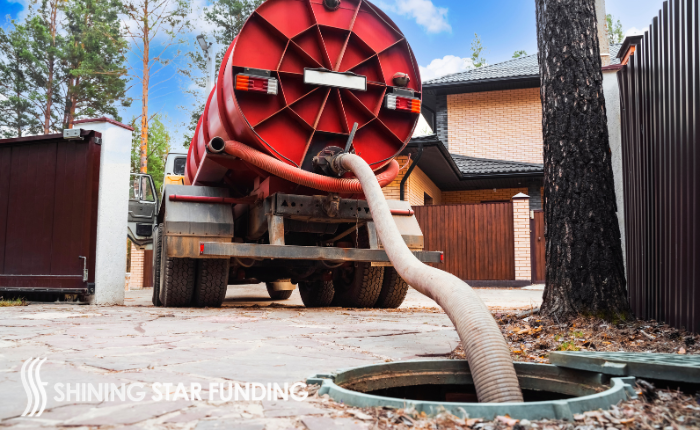
Buying a House with a Septic Tank: What Every Homeowner Needs to Know
Stepping away from the bustle of the city often leads homebuyers toward the charm of rural or semi-rural properties. In these serene locations, the infrastructure changes. Instead of the invisible municipal sewer lines typical of urban centers, you will often find an independent onsite wastewater system. As you are preparing to buy your dream home, encountering a property with its own waste management system can be a new and slightly intimidating prospect. However, with the right knowledge, a septic system can be a reliable and eco-friendly asset rather than a hidden liability.
For first-time homebuyers or retirees looking for a quiet retreat, the mechanics of wastewater might not be the most glamorous part of the preparing to buy phase. Yet, it is arguably one of the most critical. Unlike city sewer systems where the municipality handles repairs and maintenance, a septic system places the responsibility squarely on the homeowner’s shoulders. This shift in accountability requires a change in mindset and a specific set of due diligence steps to ensure your investment remains solid and your yard remains dry.
What is a septic tank?
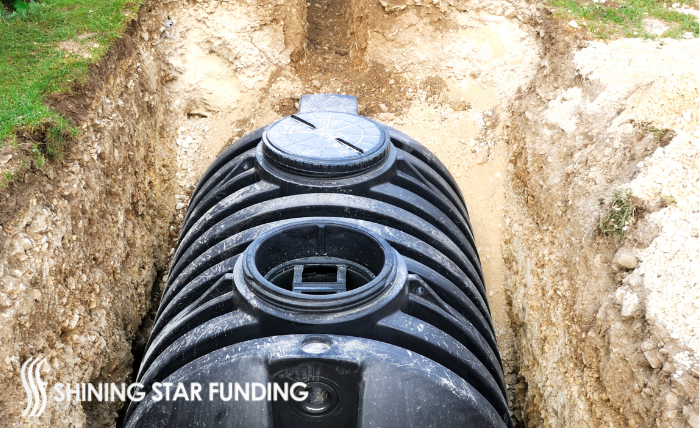
At its most basic level, what is a septic tank? It is a highly efficient, self-contained, underground wastewater treatment system. While city dwellers send their waste to a distant treatment plant, a home with a septic system handles everything right on the property. The system typically consists of two main parts: a large, watertight tank (made of concrete, fiberglass, or plastic) and a drain field (also known as a leach field).
The process is surprisingly elegant. Wastewater leaves your home through a single main pipe and enters the tank. Inside, the solids settle to the bottom as “sludge,” while oils and grease float to the top as “scum.” The middle layer of relatively clear water—called effluent—exits the tank into the drain field. Here, the water is slowly filtered through layers of soil, where natural bacteria treat the water before it eventually recharges the local groundwater. For asset-rich individuals seeking for real estate investments, understanding this natural cycle is key to maintaining the property’s value and environmental integrity.
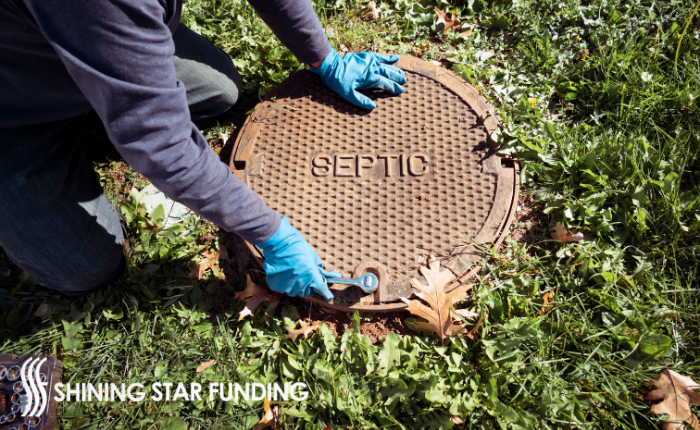
How do you know if you have a septic tank?
If you are touring properties and aren’t sure about the waste system, how do you know if you have a septic tank? There are several telltale signs that can help you identify the system during the early stages of the homebuying process. Often, the property’s location is the biggest clue; if you are in a rural area or a neighborhood with large lots, a septic system is highly likely.
- Utility Bills: Check the water bill or tax records. If there is a $0.00 charge for “sewer services” or no sewer line item at all, the house is almost certainly on a septic system.
- Visual Clues in the Yard: Look for “risers” (round green or black plastic lids) or small mounds in the yard. These are access points for the tank. You might also notice a pipe venting out of the ground.
- Property Records: Ask the seller for the “as-built” drawings or check with the local health department. These records will show exactly where the tank and drain field are located.
- Well Water: Houses with septic systems often also have private wells. If you see a well head in the yard, there is a high probability of a septic system nearby.
The importance of a septic inspection when buying a house
A standard home inspection usually only checks if the toilets flush and the sinks drain. It does not look at the health of the underground tank or the functionality of the drain field. This is why a specialized septic inspection when buying a house is non-negotiable. In 2026, many mortgage lenders and even some state laws require a “transfer of property” inspection to ensure the system meets current environmental standards.
During the inspection, a certified professional will pump the tank to examine its structural integrity for cracks or leaks. They will also perform a “stress test” by running water through the system to see how quickly the drain field absorbs it. For a self employed home buyer who may be managing their own property maintenance, this inspection report is your baseline. It tells you the age of the system, when it was last pumped, and if any major repairs are on the horizon. If the inspection reveals a failing drain field, you can use that information to negotiate a lower purchase price or ask the seller to replace the system before closing.
Understanding the cost of well and septic
Budgeting for the cost of well and septic systems is a vital part of preparing to buy. While you save money every month by not having a sewer bill, you must set aside funds for periodic maintenance and eventual replacement. A well-maintained septic system can last 25 to 30 years, but when it fails, the price tag can be significant.
| Expense Type | Estimated Cost (2026) | Frequency |
|---|---|---|
| Septic Tank Pumping | $350 – $650 | Every 3 to 5 years |
| Professional Inspection | $400 – $900 | During purchase / Every 3 years |
| Standard Replacement | $4,000 – $12,000 | Every 25+ years |
| Alternative System (Mound/Aerobic) | $15,000 – $25,000 | Required for poor soil conditions |

Maintenance Tips for New Septic Owners
Owning a septic system requires a bit more “drain awareness” than a city sewer. To protect your investment and ensure your septic inspection when buying a house is the only stressful one you ever have, follow these best practices:
- Watch What You Flush: Only human waste and toilet paper should go down the drain. “Flushable” wipes, feminine products, and paper towels do not break down in a septic tank and can cause immediate blockages.
- Limit Chemicals: Avoid using heavy amounts of bleach or drain cleaners. These chemicals kill the beneficial bacteria in the tank that break down solids.
- Manage Water Usage: Spreading out laundry loads throughout the week prevents “shocking” the system with too much water at once, which can push solids into the drain field.
- Protect the Drain Field: Never drive vehicles or build structures over the drain field. Compacting the soil prevents it from absorbing water correctly.
Summary: Is a Septic System a Deal-Breaker?
Absolutely not. For many, the independence of having your own utilities is a major benefit of rural homeownership. The key is simply awareness. By performing a thorough septic inspection when buying a house and understanding the long-term cost of well and septic maintenance, you can move forward with confidence. Whether you are a real estate investor or a first-time buyer, a healthy septic system is a silent, hardworking part of a successful property. Treat it with respect during the preparing to buy phase, and it will serve you and your family for decades to come.
FAQ's
This is a trap many buyers fall into. Septic systems are sized based on the number of bedrooms, not bathrooms. If you buy a three-bedroom home with plans to add a fourth, your local health department may require you to enlarge the entire septic system to handle the increased load. Always check local zoning laws when preparing to buy with renovation plans in mind.
Once you move in, you have to be mindful of what goes down the drain.
Don’t flush the “unflushables”: No wipes (even “flushable” ones), feminine products, or paper towels.
Limit the garbage disposal: Food scraps don’t break down easily in a tank and will force you to pump more often.
Watch the chemicals: Avoid heavy bleach or drain cleaners that kill the “good” bacteria your tank needs to function.
Yes. Many government-backed loans, like FHA or VA, have strict “distance requirements.” For example, the septic tank must typically be at least 50 feet away from any well, and the drain field must be 100 feet away. If the property doesn’t meet these setbacks, you may need to look for a “portfolio loan” or an alternative lending product to close the deal.
Don’t be shy—ask for receipts! Specific questions include:
“When was the tank last pumped?” (It should be every 3 to 5 years).
“Where exactly is the drain field located?” (You can’t build a pool or park cars over it).
“Has the system ever backed up or required major repairs?”
“Is there an ‘as-built’ map of the system?”
Minor repairs like replacing a lid or a filter can cost between $200 and $600. However, a full system replacement is a major capital expense. In 2026, a conventional system replacement typically ranges from $5,000 to $12,000, while advanced aerobic or mound systems can climb as high as $20,000 to $25,000. This is why the inspection is the most important part of preparing to buy.
When preparing to buy, you’ll likely see one of two types:
Conventional (Anaerobic): The most common. It uses gravity and natural bacteria. It’s simple and cheaper to maintain.
Aerobic Treatment Units (ATU): These use oxygen to speed up bacterial breakdown. They are more expensive and require electricity, but they are great for small lots or poor soil.
Typically, the buyer pays for the inspection to ensure they have an unbiased report from a pro they trust. However, it is common practice to ask the seller to pay for a “pumping” of the tank just prior to the inspection. An empty tank allows the inspector to see cracks or baffles that would otherwise be hidden under wastewater.
You cannot rely on a standard home inspection for this. You must hire a certified septic professional. They will perform a “stress test” (running a high volume of water) and use cameras to inspect the tank’s structural integrity. Look for “red flags” in the yard like spongy, bright green grass over the drain field or a faint sewage odor—these are signs the system is struggling to process waste.
Not at all. In fact, many real estate investors and asset-rich individuals prefer them because they eliminate monthly sewer bills and, in some jurisdictions, can lead to lower property taxes. The key is condition. A modern, well-maintained system is a non-issue; it’s the neglected, 40-year-old systems that you need to watch out for when preparing to buy.
It means your home is its own mini-utility company. Instead of sending waste to a city plant, it flows into a buried, watertight container on your property. There, bacteria break down solids, and the liquid (effluent) is dispersed into a “drain field” in your yard. As a homeowner, you are responsible for the maintenance, pumping, and eventual replacement of this system—tasks the city normally handles for a monthly fee.

527 Sycamore Valley Rd W, Danville, CA 94526
Toll Free Call : (866) 280-0020
For informational purposes only. No guarantee of accuracy is expressed or implied. Programs shown may not include all options or pricing structures. Rates, terms, programs and underwriting policies subject to change without notice. This is not an offer to extend credit or a commitment to lend. All loans subject to underwriting approval. Some products may not be available in all states and restrictions may apply. Equal Housing Opportunity.
Interactive calculators are self-help tools. Results received from this calculator are designed for comparative and illustrative purposes only, and accuracy is not guaranteed. Shining Star Funding is not responsible for any errors, omissions, or misrepresentations. This calculator does not have the ability to pre-qualify you for any loan program or promotion. Qualification for loan programs may require additional information such as credit scores and cash reserves which is not gathered in this calculator. Information such as interest rates and pricing are subject to change at any time and without notice. Additional fees such as HOA dues are not included in calculations. All information such as interest rates, taxes, insurance, PMI payments, etc. are estimates and should be used for comparison only. Shining Star Funding does not guarantee any of the information obtained by this calculator.
Privacy Policy | Accessibility Statement | Term of Use | NMLS Consumer Access
CMG Mortgage, Inc. dba Shining Star Funding, NMLS ID# 1820 (www.nmlsconsumeraccess.org, www.cmghomeloans.com), Equal Housing Opportunity. Licensed by the Department of Financial Protection and Innovation (DFPI) under the California Residential Mortgage Lending Act No. 4150025. To verify our complete list of state licenses, please visit www.cmgfi.com/corporate/licensing