
Buy A Car Or House
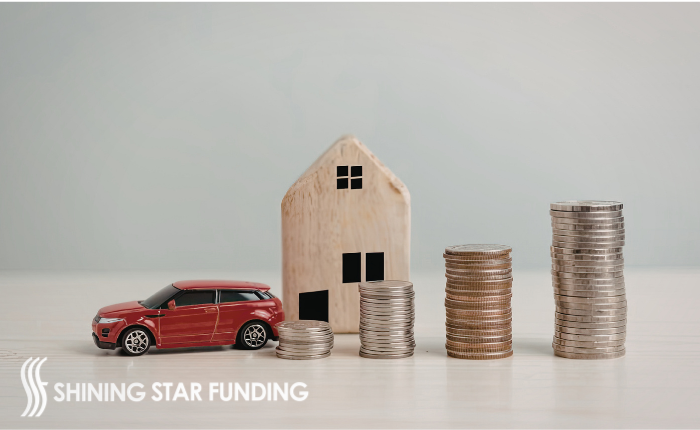
The Great Debate: Should You Buy a Car or House First?
Life has a funny way of demanding everything all at once. You might finally be at the stage where you are ready to settle into a permanent home, but your trusty old vehicle just decided to retire permanently. This creates a classic financial dilemma: do you prioritize the roof over your head or the wheels that get you to work? For anyone currently preparing to buy, the order in which you sign these contracts can have a massive ripple effect on your long-term wealth. Navigating the choice between a car or house requires more than just looking at your bank balance; it requires a deep understanding of how lenders view your total financial profile.
Whether you are a first-time homebuyer, a retiree looking for a new adventure, or a self employed home buyer with fluctuating income, the timing of a large purchase is everything. Lenders are like detectives; they look for any recent changes in your debt habits. Taking on a new auto loan right before applying for a mortgage can change your financial “story” in an instant. This guide explores the strategic nuances of managing these twin milestones so you can secure both the keys to your front door and the keys to your ignition without compromising your credit health.
How to Decide if You Should Consider Buying a Car Before Buying a House
The decision often comes down to necessity versus timing. If your car is beyond repair and is your only means of getting to a job that pays for your future mortgage, then buying a car before a house might be unavoidable. However, if you are simply looking for an upgrade, you must weigh the luxury of a new ride against the potential of being denied your dream home. In the realm of preparing to buy, the goal is to maintain the most “boring” financial profile possible. Lenders love stability, and a new $600 monthly car payment is the opposite of stability in their eyes.
One of the most common questions from eager shoppers is: how long after buying a car can i buy a house? Technically, there is no legal waiting period. You could buy a car on Monday and a house on Tuesday. However, the reality of credit scoring and Debt-to-Income (DTI) ratios means that you usually need several months—or even a year—for your credit score to recover from the “hard inquiry” and for your budget to prove it can handle both debts. If you must buy the car first, try to do it at least six to twelve months before you start the mortgage process.
When It Could Be a Good Idea
Buying a car first might make sense if you have an extremely low DTI ratio and plenty of liquid cash. If the car payment is small and your income is high—common for asset-rich individuals seeking for real estate investments—the impact on your mortgage eligibility might be negligible. Additionally, if you can pay for the car in cash, you avoid the debt entirely, though you must ensure you still have enough left for a down payment and closing costs.
When It Could Be a Bad Idea
It is almost always a bad idea to buy a car if you are right on the edge of qualifying for a mortgage. If your credit score is hovering around the 620-640 mark, the slight dip from a new credit application could push you into a higher interest rate bracket or lead to an outright rejection. Furthermore, if you are a self employed home buyer, your income is already scrutinized heavily; adding a new fixed debt can make you look like a higher risk to underwriters.
How Does a Car Loan Affect Your Ability to Get a Mortgage?
Lenders use a formula called the Debt-to-Income ratio to determine how much they are willing to lend you. They take your total monthly debt payments and divide them by your gross monthly income. Most conventional loans require this ratio to be below 43%. If you add a car loan, you are effectively reducing the amount of “room” you have for a mortgage payment. For every $100 you spend on a car loan, you might be reducing your potential mortgage loan amount by $15,000 to $20,000.
Furthermore, people often ask: does leasing a car affect buying a house? The answer is a firm yes. Even though you don’t own the car, a lease is a contractual monthly obligation. Lenders treat a lease payment exactly like a car loan payment in your DTI calculation. In fact, leases can sometimes be more “dangerous” because they often have higher monthly payments than a long-term loan, even if the total debt is smaller.
Car Loan vs. Mortgage: Impact on Credit
Both purchases involve a credit check, but they impact your score differently. When you apply for a car loan, the lender performs a “hard inquiry,” which can temporarily drop your score by a few points. However, the bigger impact is the “age of accounts.” Taking on a new loan reduces the average age of your credit history, which counts for 15% of your FICO score. If you are preparing to buy a home, you want your credit age to be as long as possible. Buying a house and car at the same time is particularly risky because the simultaneous inquiries and new debts can send a “red flag” to automated underwriting systems, signaling that you are potentially overextending yourself.
Importance of Budgeting: Realistic Expectations
When you are caught between the choice of a car or house, a white-paper style breakdown of costs is essential. You cannot look at these payments in a vacuum; they must coexist in your monthly budget.
| Expense Category | Car Loan Considerations | Mortgage Considerations |
|---|---|---|
| Down Payment | Typically 0%–20%. Small impact on cash reserves. | 3%–20%. Massive impact on liquidity. |
| Interest Rates | Can be high for used; low for new. | Sensitive to credit score; lasts 15-30 years. |
| Ongoing Costs | Insurance, fuel, maintenance. | Taxes, insurance, HOA, repairs. |
| Asset Value | Depreciates (loses value over time). | Appreciates (grows value over time). |
Down Payments and Monthly Expenses
One of the biggest mistakes buyers make is depleting their “house fund” for a car down payment. For real estate investors or retirees, liquidity is king. If you spend $10,000 on a car down payment to get a better rate, that is $10,000 less you have for a home that could have earned you equity. Always prioritize the house down payment first, as the “return on investment” for a home is historically positive, whereas a car is almost always a depreciating asset.
If you find yourself asking, “when to buy a car?” the most strategic answer is: after you have closed on your house and the deed is recorded. Once the mortgage is finalized, you can buy a car the next day without it affecting your home loan. If you must buy before, consider a used vehicle with a very low monthly payment to keep your DTI ratio as healthy as possible.
Impact on Loan Terms and Rates
Even if you still qualify for a mortgage after buying a car, the car loan could cost you more than you think. By raising your DTI or slightly lowering your credit score, you might be moved from a “Prime” interest rate to a “Sub-prime” or mid-tier rate. A 0.5% difference in a mortgage interest rate over 30 years can cost you tens of thousands of dollars. In comparison, the interest you save by having a “perfect” car loan is negligible. This is why the question “should i buy a car” should always be answered with a look at your mortgage calculator first.
Strategic Tips for Major Purchases
- The 2/2/2 Rule: Try not to have more than two major credit inquiries in two years if you want the absolute best mortgage rates.
- Cash is King: If you absolutely need a vehicle while preparing to buy a home, try to buy a reliable used car in cash. No loan means no DTI impact.
- Wait for the Keys: If your current car can survive just six more months, wait until after the closing. The “new house, new car” feeling is much better when the house is already secured.
- Consult Your Loan Officer: Before you sign anything at a car dealership, call your mortgage professional. They can run a “what if” scenario to see exactly how that car payment will change your home-buying power.
Summary: Navigating Your Financial Future
Ultimately, the choice to buy a car or house first is about prioritizing long-term wealth over short-term convenience. While a new car is exciting, a home is an investment that builds equity and provides stability. For most people, buying a house and car at the same time is a recipe for stress and potential rejection. By staying disciplined, keeping your debt low, and understanding the timing of the market, you can successfully navigate both purchases. Focus on your home first, protect your credit score, and once you are settled into your new living room, you can drive that new car into your new driveway with total peace of mind.
FAQ's
Yes. If the car loan lowers your credit score even by a few points, you might no longer qualify for the “Prime” interest rate on your mortgage. A 0.5% increase in a mortgage rate over 30 years will cost you significantly more than any savings you might have gained from a car deal. This is the most compelling reason to delay a vehicle purchase until your home financing is secure.
Car down payments are typically smaller, but using $5,000 or $10,000 for a car can significantly deplete your “cash to close” for a home. For real estate investors and retirees, maintaining liquidity is vital. It is often better to put a smaller down payment on a car (or buy a cheaper used car) to preserve your capital for the home purchase.
A mortgage should almost always take priority because a home is an appreciating asset that builds equity, while a car is a depreciating asset. When deciding when to buy a car, look at your “all-in” monthly housing budget first—including taxes and insurance—and see if there is any surplus left for transportation costs.
Attempting to buying a house and car at the same time is highly risky. Mortgage lenders perform a final credit refresh just days before closing. If they see a new auto loan or a large credit inquiry that wasn’t there during pre-approval, they may freeze your loan. It is always safest to wait until you have the keys to your new home in hand before visiting the car dealership.
Many buyers mistakenly think a lease isn’t “debt,” but does leasing a car affect buying a house? Yes, it does. Lenders treat a lease payment exactly like a car loan payment when calculating your DTI. In some cases, a lease can be even more restrictive because the monthly payments are often higher than a long-term loan, leaving less room in your budget for a mortgage.
Lenders look at your monthly debt obligations. For every $100 in monthly car payments, your buying power for a home could decrease by approximately $15,000 to $20,000. This is why many people wonder should i buy a car while house hunting; the added debt directly competes with your ability to afford a higher mortgage payment.
Technically, there is no set waiting period, but most financial experts suggest waiting at least six to twelve months. This gives your credit score time to bounce back from the inquiry and allows you to demonstrate to a lender that you can comfortably handle the new monthly payment alongside your other expenses. If you ask how long after buying a car can i buy a house, the real answer depends on how quickly your DTI ratio stabilizes.
It is generally a bad idea if you are planning to apply for a mortgage within the next six months. The “hard inquiry” on your credit report and the new debt can lower your credit score and increase your DTI. For self-employed home buyers or first-time buyers with tight budgets, a new car payment could be the difference between an approval and a rejection.
It could be a good idea if you can pay for the vehicle in cash. By avoiding a loan, you prevent any negative impact on your DTI ratio. Additionally, if you are years away from your home search, buying a car early allows you to build a positive payment history, which can actually strengthen your credit profile before you begin the mortgage process.
The decision depends on your Debt-to-Income (DTI) ratio and your credit score. If your current vehicle is unreliable and essential for your income, buying a car before a house might be a necessity. However, from a lender’s perspective, a new auto loan is a major monthly obligation that reduces the amount you can borrow for a home. If you have a high income and very little debt, the impact may be minimal.

527 Sycamore Valley Rd W, Danville, CA 94526
Toll Free Call : (866) 280-0020
For informational purposes only. No guarantee of accuracy is expressed or implied. Programs shown may not include all options or pricing structures. Rates, terms, programs and underwriting policies subject to change without notice. This is not an offer to extend credit or a commitment to lend. All loans subject to underwriting approval. Some products may not be available in all states and restrictions may apply. Equal Housing Opportunity.
Interactive calculators are self-help tools. Results received from this calculator are designed for comparative and illustrative purposes only, and accuracy is not guaranteed. Shining Star Funding is not responsible for any errors, omissions, or misrepresentations. This calculator does not have the ability to pre-qualify you for any loan program or promotion. Qualification for loan programs may require additional information such as credit scores and cash reserves which is not gathered in this calculator. Information such as interest rates and pricing are subject to change at any time and without notice. Additional fees such as HOA dues are not included in calculations. All information such as interest rates, taxes, insurance, PMI payments, etc. are estimates and should be used for comparison only. Shining Star Funding does not guarantee any of the information obtained by this calculator.
Privacy Policy | Accessibility Statement | Term of Use | NMLS Consumer Access
CMG Mortgage, Inc. dba Shining Star Funding, NMLS ID# 1820 (www.nmlsconsumeraccess.org, www.cmghomeloans.com), Equal Housing Opportunity. Licensed by the Department of Financial Protection and Innovation (DFPI) under the California Residential Mortgage Lending Act No. 4150025. To verify our complete list of state licenses, please visit www.cmgfi.com/corporate/licensing