
Close Of Escrow
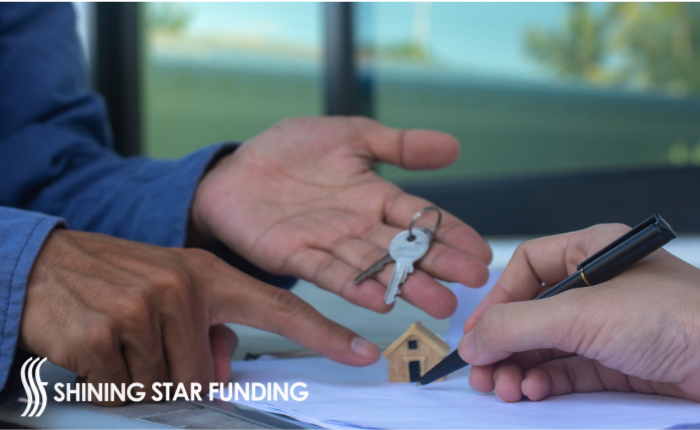
Understanding the Close of Escrow: Your Final Milestone in the Homebuying Process
Reaching the final stage of a real estate transaction is much like approaching the finish line of a marathon. You have scouted properties, negotiated prices, and secured financing. Now, you stand at the threshold of the most technical and rewarding part of the homebuying process. This period is filled with legal paperwork, final inspections, and the transfer of substantial funds. Whether you are one of the many eager first-time homebuyers or one of the seasoned real estate investors looking to flip another property, the mechanics of the final transfer are essential to a smooth transition of ownership.
Navigating the homebuying process requires a blend of patience and precision. For self employed home buyers, this stage is particularly significant as it represents the culmination of proving financial stability through unconventional income streams. Retirees and asset-rich individuals seeking for real estate investments also keep a close eye on these final days to ensure their capital is deployed efficiently and their new assets are legally protected. Understanding the nuances of how a deal officially finishes can prevent unnecessary stress and ensure that you get your keys exactly when you expect them.
What Does Close of Escrow Mean?
At its core, close of escrow refers to the moment when the conditions of the purchase agreement have been fully met and the escrow agent officially transfers the deed to the buyer and the funds to the seller. During a real estate transaction, “escrow” is a neutral third-party account that holds all money and documents related to the sale. This ensures that the seller doesn’t get paid until the buyer gets the property title, and the buyer doesn’t get the title until the seller receives the money.
The term essentially signals the end of the waiting period. Once the close of escrow is recorded with the county, the transaction is legally complete. This transition is the heartbeat of the homebuying process, moving the property from a “pending” status to “sold.”

Close of Escrow vs. Closing Date: What’s the Difference?
While these terms are often used interchangeably in casual conversation, there is a subtle distinction between them. The closing date is usually a specific day agreed upon in the initial purchase contract. It is the target date by which both parties intend to finish the transaction. It is a goalpost that everyone—the buyer, seller, lender, and agents—is working toward.
Close of escrow, however, is the actual event of the transfer. In some regions, the closing date is the day you sign your papers, but the escrow might not officially “close” until the following business day when the deed is recorded at the courthouse. Understanding this distinction is vital for planning your moving truck or scheduling utility transfers. If you ask a professional how long does it take for escrow to close, they will often point to a window of 30 to 45 days, though the specific “close” happens in a flurry of activity in the final 24 to 48 hours.
The Critical Steps in Closing Escrow
The journey from an accepted offer to a finalized sale involves several sequential steps in closing escrow. Missing a beat in this sequence can lead to delays, making it imperative to stay organized and responsive to your escrow officer’s requests.
1. Buyer Provides Earnest Money Deposit
Almost immediately after the contract is signed, the buyer must place a “good faith” deposit into the escrow account. This earnest money shows the seller that you are serious about the purchase. This money stays in the neutral account and is eventually applied to your down payment or closing costs at the end of the deal.
2. Buyer Approves the Seller’s Disclosures
Sellers are legally required to disclose known issues with the property, ranging from past roof leaks to neighborhood noise or environmental hazards. Reviewing these is a key part of closing escrow. Buyers must sign off on these documents to acknowledge they are aware of the home’s condition before moving forward.
3. Buyer Orders a Home Appraisal and Inspection
Even if the house looks perfect, a professional inspection is necessary to uncover hidden defects. Simultaneously, your lender will require an appraisal to ensure the home is worth the amount of money they are lending you. If the appraisal comes in low, it can create a hurdle in the homebuying process that requires further negotiation.
4. Buyer and Seller Review All Escrow Documents
As the finish line nears, the escrow officer will compile a mountain of paperwork. You should ask document to close escrow summaries early so you have time to read them. These documents include the Closing Disclosure, which outlines your exact loan terms, monthly payments, and the total cash you need to bring to the table. Both parties must verify that the numbers align with the original agreement.
5. Buyer Takes a Final Walk-Through of the Property
Usually 24 to 48 hours before the end, the buyer visits the home one last time. The goal is to ensure the seller has moved out, no new damage has occurred, and any agreed-upon repairs have been completed. This is your last chance to catch an issue before the money changes hands.
6. All Parties Meet and Sign the Closing Documents
This is the “signing” event. Buyers will sign the promissory note and mortgage/deed of trust, while sellers sign the deed transferring the property. Once these are signed and the lender sends the funds to escrow, the officer records the deed, and you have officially completed the close of escrow.
How Long Does It Take for Escrow to Close?
A common question among those new to the market is: how long does it take for escrow to close? On average, the timeline spans 30 to 50 days. The duration is largely dictated by the speed of the lender’s underwriting process. Cash buyers, such as some real estate investors or asset-rich individuals seeking for real estate investments, can often compress this timeline to as little as 7 to 14 days because they bypass the mortgage approval phase. For self employed home buyers, the process might lean toward the longer end of the spectrum as underwriters take extra time to verify complex tax returns and business income.
Common Issues That Can Occur During Close of Escrow
Even with the best preparation, hurdles can arise. Being aware of these can help you mitigate risks early in the homebuying process.
- Financing Falling Through: If a buyer loses their job or takes on new debt before the finish, the lender may pull the loan at the last minute.
- Appraisal Gaps: If the home appraises for less than the purchase price, the buyer must bridge the gap in cash or the seller must lower the price.
- Title Issues: Discovering an unknown lien or a “cloud” on the title can halt the process until the legal ownership is cleared.
- Home Inspection Surprises: Significant structural or safety issues found late in the game can lead to a breakdown in negotiations.

Preparing for the Final Handover
To ensure a successful finish, you must be proactive. When you ask document to close escrow packages from your agent, make sure you have a valid ID and a plan for wiring your funds safely. Wire fraud is a real threat in real estate, so always verify wiring instructions over the phone with a known contact at the escrow office.
The following table provides an analytical look at what to expect during the final week:
| Timeline (Days to Close) | Task | Responsible Party |
|---|---|---|
| 7 Days Out | Receive and review Closing Disclosure | Buyer & Lender |
| 3-5 Days Out | Finalize wire transfer for down payment | Buyer |
| 2 Days Out | Final property walk-through | Buyer & Agent |
| 1 Day Out | Sign final documents with Notary | Buyer & Seller |
| Day 0 | Recording of deed and key exchange | Escrow Officer |

Summary of Success
Completing the steps in closing escrow is a massive achievement. It marks the transition from a dreamer to a homeowner. For first-time homebuyers, the moment you hear that the close of escrow has been confirmed is a life-changing event. For investors and retirees, it is the successful execution of a financial strategy. By staying diligent, reviewing every ask document to close escrow request carefully, and maintaining open communication with your team, you can navigate the final complexities of the homebuying process with total confidence. Welcome to your new home.
FAQ's
The best way to protect your place in the homebuying process is to stay organized and avoid “financial noise.” Don’t make large purchases, keep your paperwork in a central location, and maintain daily contact with your agent and escrow officer. Being proactive is the best defense against last-minute delays.
Even a perfect deal can hit a snag. Common issues include:
Financial changes: A buyer taking out a new car loan or losing a job.
Title clouds: A surprise lien found on the seller’s property.
Appraisal gaps: The home value coming in lower than the sale price.
Walk-through discoveries: New damage or the seller not moving out on time.
All parties (or their legal representatives) meet to sign the mountain of paperwork. This usually includes the buyer, the seller (sometimes at a separate time), the escrow officer, and occasionally the real estate agents. Once the ink is dry and the lender wires the funds, the escrow officer sends the deed to be recorded.
Within 24 to 48 hours of closing, the buyer takes a final walk-through of the property. The goal is to confirm the home is in the same condition as when you made the offer and that the seller has completed any agreed-upon repairs. It’s the last “sanity check” before the money moves.
A few days before the finish line, the buyer and seller review all escrow documents, including the Closing Disclosure (CD). This is your chance to verify that the interest rate, loan fees, and credits are exactly what you agreed upon. For self-employed home buyers, this is the time to double-check that all tax-related entries are documented correctly.
Escrow is the time when the buyer orders a home appraisal and a professional inspection. The appraisal ensures the lender isn’t lending more than the home is worth, while the inspection uncovers hidden repairs. If the house appraises low or the inspection reveals a “money pit,” the buyer can often renegotiate or walk away with their deposit intact.
Sellers are legally required to list any known issues with the home, from leaky roofs to past insurance claims. As a buyer, you must review and sign off on these disclosures. This is a protective step in the homebuying process to ensure you aren’t surprised by a major structural flaw after the keys are handed over.
The process begins when the buyer provides an earnest money deposit. This “good faith” payment is usually 1% to 3% of the purchase price. It is held in the escrow account to show the seller you are serious. If the deal goes through, this money is applied to your down payment or closing costs.
While often used interchangeably, there is a subtle distinction. The “closing date” is the target date set in your contract for the transaction to finish. The “close of escrow” is the actual event of the deed being recorded at the county office. In some states, you might sign your papers on the closing date, but the “close of escrow” doesn’t officially happen until the following day when the county processes the paperwork.
Close of escrow is the definitive moment in the homebuying process where all conditions of the purchase agreement have been met, and the neutral third party (the escrow holder) officially transfers the money to the seller and the title to the buyer. It signifies that the deal is legally complete and the property has a new owner.

527 Sycamore Valley Rd W, Danville, CA 94526
Toll Free Call : (866) 280-0020
For informational purposes only. No guarantee of accuracy is expressed or implied. Programs shown may not include all options or pricing structures. Rates, terms, programs and underwriting policies subject to change without notice. This is not an offer to extend credit or a commitment to lend. All loans subject to underwriting approval. Some products may not be available in all states and restrictions may apply. Equal Housing Opportunity.
Interactive calculators are self-help tools. Results received from this calculator are designed for comparative and illustrative purposes only, and accuracy is not guaranteed. Shining Star Funding is not responsible for any errors, omissions, or misrepresentations. This calculator does not have the ability to pre-qualify you for any loan program or promotion. Qualification for loan programs may require additional information such as credit scores and cash reserves which is not gathered in this calculator. Information such as interest rates and pricing are subject to change at any time and without notice. Additional fees such as HOA dues are not included in calculations. All information such as interest rates, taxes, insurance, PMI payments, etc. are estimates and should be used for comparison only. Shining Star Funding does not guarantee any of the information obtained by this calculator.
Privacy Policy | Accessibility Statement | Term of Use | NMLS Consumer Access
CMG Mortgage, Inc. dba Shining Star Funding, NMLS ID# 1820 (www.nmlsconsumeraccess.org, www.cmghomeloans.com), Equal Housing Opportunity. Licensed by the Department of Financial Protection and Innovation (DFPI) under the California Residential Mortgage Lending Act No. 4150025. To verify our complete list of state licenses, please visit www.cmgfi.com/corporate/licensing