
What is a Mortgage Note

Decoding the Mortgage Note: The Legal Heart of the Homebuying Process
Navigating the complex waters of property acquisition often involves a mountain of paperwork that can overwhelm even the most seasoned financial mind. While much of the spotlight during the homebuying process shines on the excitement of the house hunt or the technicalities of the appraisal, there is a single, unassuming document that carries the entire weight of your financial obligation. This document is the legal glue that binds a borrower to a lender, transforming a simple promise into a binding reality. Understanding the intricacies of this instrument is essential for anyone looking to secure their future in real estate.
Whether you are a first-time homebuyer signing your first set of closing papers, a self employed home buyer navigating unique financing structures, or a real estate investor managing a growing portfolio, the technical details of your debt matter. Even for retirees and asset-rich individuals, knowing how these obligations are recorded and traded can protect long-term wealth. In the world of notes real estate professionals often emphasize that while the mortgage secures the property, this specific document secures the debt itself. By peeling back the layers of this critical mortgage document, you can move forward with the confidence that comes from true financial literacy.
What is a mortgage note?
In its most basic form, a mortgage note is a legal document that represents a borrower’s written promise to repay a specific sum of money to a lender under clearly defined terms. It is the “I owe you” of the real estate world. While the mortgage or deed of trust puts a lien on the property as collateral, the note is the evidence of the debt itself. It outlines exactly how much you are borrowing, at what interest rate, and how long you have to pay it back.
In the broader context of the homebuying process, the note is the piece of paper that gives the lender the right to collect payments from you. It is a negotiable instrument, meaning it can be bought and sold among financial institutions, much like a stock or a bond. For the borrower, it serves as the master blueprint for their repayment journey, detailing every penalty, grace period, and payment deadline they must adhere to until the debt is fully satisfied.

What does a mortgage note look like?
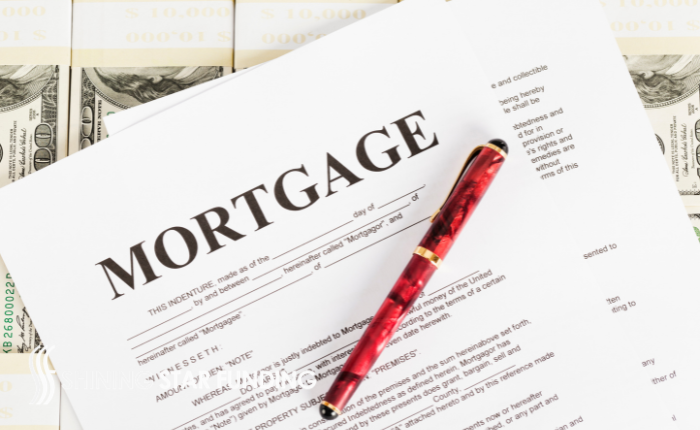
While the exact layout can vary depending on state laws and the specific lender, a mortgage note example usually consists of several pages of dense, legally binding text. At the top, you will typically see the names of the borrowers and the lender, along with the date and the physical address of the property being financed. It is designed to be a comprehensive summary of the financial arrangement, leaving no room for ambiguity.
Key elements you will find within this mortgage document include:
- Principal Amount: The total amount of money borrowed.
- Interest Rate: Whether fixed or adjustable, this is the cost of borrowing the funds.
- Payment Schedule: The due date for each monthly payment and the total number of payments required.
- Late Fees: The specific penalties incurred if a payment is missed or delayed.
- Prepayment Clauses: Whether or not there is a fee for paying off the loan early.
- Right to Accelerate: A clause allowing the lender to demand the full balance immediately if the borrower defaults.
Mortgage note vs. promissory note
In many financial circles, these terms are used interchangeably, but there is a subtle distinction to be aware of. A promissory note is a broad legal term for any written promise to pay back a debt. You might sign a promissory note for a student loan, a car loan, or even a personal loan from a family member. It is the “parent” category of debt instruments.
A mortgage note is a specific type of promissory note used exclusively for real estate transactions. It is unique because it is explicitly linked to a mortgage or a deed of trust. In the sphere of notes real estate specialists point out that the promissory note is the personal obligation to pay, while the mortgage is the security instrument that allows the lender to take the house if that promise is broken. Without the note, there is no debt to secure; without the mortgage, the note is simply an unsecured personal loan.
Who holds the original mortgage note?
When you sit down at the closing table and sign the original mortgage note, you might expect to take a copy home and leave the original with the person you just met. In reality, the original, “wet-ink” signed document is a valuable asset. The lender usually takes the original and stores it in a secure, fireproof vault or with a designated custodian. They do this because the person who “holds” the original note has the legal right to enforce it.

For real estate investors and asset-rich individuals, the location of the original note is a matter of significant legal importance. If a lender loses the original note, it can create significant hurdles during a foreclosure or even a standard payoff. While digital copies are common in 2026, the physical original remains the ultimate proof of the debt’s existence and ownership within the homebuying process.
What happens when a mortgage note is sold?
It is very common for the entity that gave you the loan to sell the mortgage note to another bank or an investment group on the secondary mortgage market. This happens because lenders often want to free up their capital so they can issue new loans to other homebuyers. When this occurs, your actual debt obligations—your interest rate, payment amount, and term—do not change. The only thing that changes is who you send the money to.
When a note is sold, the new owner must send you a “Notice of Transfer of Servicing.” This is a critical moment for a self employed home buyer or a retiree to ensure their records are updated. You will be told exactly when to stop paying the old company and when to start paying the new one. Legally, the note is “endorsed” to the new owner, much like a check is signed over to someone else. This process allows the global financial market to stay liquid, ensuring that there is always money available for the next person entering the housing market.
What happens to a mortgage note with a loan default?
If a borrower fails to make payments as outlined in the mortgage note, they are in default. This triggers the “acceleration clause” mentioned earlier. This clause essentially says that because you broke your promise, the lender no longer has to wait 30 years for their money; they can demand the entire remaining balance right now. This is the first step toward foreclosure.
In the legal proceedings that follow, the lender must prove they are the rightful holder of the note to have the “standing” to sue for foreclosure. For real estate investors, understanding the default provisions in the note is vital for risk management. The note dictates the grace periods and the exact point at which a “missed payment” becomes a “legal default.” It is the primary evidence used in court to show that the borrower did not uphold their end of the financial bargain.
What happens to a mortgage note if the borrower pays off the mortgage?
The best day in the journey of homeownership is the day the final payment is made. Whether you have reached the end of a 30-year term or you are an asset-rich individual making a lump-sum payoff, the mortgage note must be officially “satisfied.” Once the lender receives the final funds, they are legally required to mark the original note as “Paid in Full” or “Cancelled” and return it to you.
Additionally, the lender will file a “Release of Mortgage” or “Satisfaction of Mortgage” with the local county recorder’s office. This document publicly announces that the lien has been lifted and that you now own the property free and clear. As a homeowner, you should always keep the original cancelled note in a safe place. It is your ultimate proof that the debt has been extinguished and that the legal promise you made during the homebuying process has been kept.
Comparison: Note vs. Mortgage
| Feature | The Mortgage Note | The Mortgage (Security Instrument) |
|---|---|---|
| Primary Function | The promise to repay the debt. | Provides collateral for the debt. |
| Key Information | Interest rate, loan term, payment amount. | Legal description of the property, lien rights. |
| Public Record | Usually private; not recorded publicly. | Publicly recorded at the county office. |
| Ownership | Held by the lender or note buyer. | A matter of public record on the title. |
In conclusion, while it may just seem like one more page in a thick stack of closing documents, the mortgage note is the actual soul of your loan. It defines your rights, your responsibilities, and the specific roadmap of your financial commitment. By understanding what a mortgage note example looks like and how it functions throughout the life of your loan, you empower yourself to manage your debt more effectively. Whether you are building an investment empire or simply securing a place for your family to grow, the note is the foundation upon which your property dreams are built. Respect the document, understand its terms, and you will navigate the path to clear ownership with ease.
FAQ's
Once the final payment is made, the lender will:
Return the Note: You receive the cancelled promissory note.
Release the Lien: The lender files a “Satisfaction of Mortgage” or “Release of Deed of Trust” with the county recorder, officially ending their claim to your home.
Establish Free Ownership: You now own the home “free and clear” and will receive your property deed (if held by the lender).
If you pay off your loan through a refinance or by selling the home, the lender must “cancel” the note. They will typically mark the original note as “Paid in Full” or “Cancelled” and return it to you (or provide a digital equivalent). This proves the debt no longer exists.
Yes. Real estate investors often buy “performing” or “non-performing” mortgage notes. By buying a note, the investor becomes the lender and has the right to collect all future principal and interest payments. This is a common strategy for asset-rich individuals seeking passive real estate investments without managing physical property.
If you fail to make payments as promised in the note, you are in default. This triggers the acceleration clause in the note, allowing the lender to demand the entire remaining balance immediately. The note serves as the primary evidence in court during foreclosure proceedings to prove that you owe the debt.
Lenders often sell mortgage notes on the secondary market to investors or entities like Fannie Mae to free up capital.
Your Terms Do Not Change: Your interest rate, payment, and term remain exactly the same.
The Owner Changes: The “note holder” changes. You will receive a “Notice of Transfer” telling you where to send your payments if the servicer also changes.
The original, “wet-ink” signed mortgage note is held by the mortgage lender or their designated document custodian. Most lenders store these in high-security vaults. In 2026, many notes are created as “eNotes” (electronic notes), which are stored in secure digital registries like MERS (Mortgage Electronic Registration Systems).
In the homebuying process, these two documents work together but serve different purposes:
The Note: Is your personal promise to pay. It stays with the lender.
The Mortgage: Is the security instrument recorded in public land records. It gives the lender the right to take the home through foreclosure if you break the promise made in the note.
Technically, a mortgage note is a type of promissory note. However:
Promissory Note: A broad term for any written promise to pay a debt (can be for a car, a personal loan, etc.).
Mortgage Note: Specifically used for real estate and is always paired with a security instrument (the mortgage or deed of trust) that pledges the home as collateral.
Most mortgage notes are standardized to be easily traded in the secondary market. A typical note includes:
The total principal amount borrowed.
The interest rate (fixed or adjustable).
The monthly payment amount and due date.
The loan term (e.g., 30 years) and the maturity date.
Penalties for late payments or “prepayment” (paying off the loan early).
A mortgage note is a legal document signed by a borrower at the end of the homebuying process. It serves as a promissory note specifically for a real estate loan, stating that the borrower promises to repay the lender according to the agreed-upon terms. It is the “IOU” that makes you personally liable for the debt.

527 Sycamore Valley Rd W, Danville, CA 94526
Toll Free Call : (866) 280-0020
For informational purposes only. No guarantee of accuracy is expressed or implied. Programs shown may not include all options or pricing structures. Rates, terms, programs and underwriting policies subject to change without notice. This is not an offer to extend credit or a commitment to lend. All loans subject to underwriting approval. Some products may not be available in all states and restrictions may apply. Equal Housing Opportunity.
Interactive calculators are self-help tools. Results received from this calculator are designed for comparative and illustrative purposes only, and accuracy is not guaranteed. Shining Star Funding is not responsible for any errors, omissions, or misrepresentations. This calculator does not have the ability to pre-qualify you for any loan program or promotion. Qualification for loan programs may require additional information such as credit scores and cash reserves which is not gathered in this calculator. Information such as interest rates and pricing are subject to change at any time and without notice. Additional fees such as HOA dues are not included in calculations. All information such as interest rates, taxes, insurance, PMI payments, etc. are estimates and should be used for comparison only. Shining Star Funding does not guarantee any of the information obtained by this calculator.
Privacy Policy | Accessibility Statement | Term of Use | NMLS Consumer Access
CMG Mortgage, Inc. dba Shining Star Funding, NMLS ID# 1820 (www.nmlsconsumeraccess.org, www.cmghomeloans.com), Equal Housing Opportunity. Licensed by the Department of Financial Protection and Innovation (DFPI) under the California Residential Mortgage Lending Act No. 4150025. To verify our complete list of state licenses, please visit www.cmgfi.com/corporate/licensing