
Is a Mortgage Secured or Unsecured
The Essential Question: Is a Mortgage Secured or Unsecured Debt?
Entering the real estate market is an exhilarating milestone, but it quickly introduces you to a new vocabulary of financial terms. Whether you are a first-time buyer saving for a starter home or a retiree looking to downsize, one of the most fundamental concepts you will encounter involves the nature of your debt. Specifically, you need to know: is a mortgage secured or unsecured? This distinction is not just a piece of trivia; it defines the very foundation of your relationship with your lender and determines the level of risk you carry as a homeowner.
When you navigate the homebuying process, understanding the legal structure of your loan is paramount. Most people realize that a house is a significant asset, but few stop to consider how that asset acts as a safety net for the entity providing the funds. By demystifying the mechanics of secured debt, you can approach your closing day with a clearer picture of your rights, your obligations, and the long-term security of your investment.
Is a home loan secured or unsecured debt?
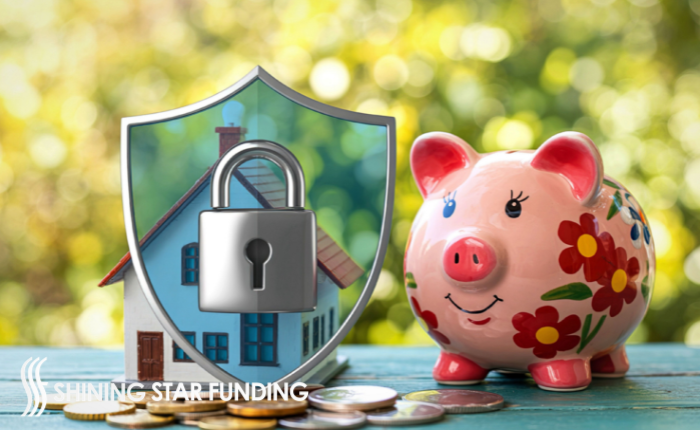
To put it simply, a mortgage is a secured debt. In the financial world, “secured” means that the loan is backed by collateral. When you sign a mortgage agreement, you are essentially telling the lender that the property itself serves as a guarantee. If you fail to meet the terms of the agreement, the lender has a legal claim to the asset—your home—to recover the money they lent you.
This structure is the reason why mortgages usually come with much lower interest rates compared to credit cards or personal loans. Because the lender has the house as a backup, their risk is significantly reduced. For anyone deeply involved in the homebuying process, this is a favorable trade-off. It allows individuals to borrow hundreds of thousands of dollars over thirty years at manageable rates, something that would be nearly impossible with unsecured debt. However, it also means that your home is tied directly to your financial performance. Your house is yours to live in and enjoy, but until the final payment is made, the lender maintains a “lien” on the title.
Secured vs. Unsecured Debt: How They Differ
Understanding the nuances between these two types of debt is crucial for maintaining a healthy financial profile. While both involve borrowing money and promising to pay it back with interest, the consequences and characteristics vary wildly. For retirees or asset-rich individuals, managing the balance between these debts is a key strategy for protecting wealth.
The Nature of the Guarantee
In a secured debt scenario, such as a mortgage or an auto loan, there is a physical object attached to the balance. If you stop paying for your car, the repo man arrives. If you stop paying for your house, the foreclosure process begins. Unsecured debt, on the other hand, is backed only by your “signature” or your promise to pay. Common examples include credit cards, student loans, and medical bills. There is no specific asset for a credit card company to seize if you miss a payment on a dinner bill.Interest Rates and Terms
Because secured loans are less risky for the lender, they typically offer much more favorable terms. The homebuying process relies on this stability. Imagine trying to buy a house with a credit card interest rate of 22 percent; the monthly payments would be astronomical. Unsecured loans carry higher rates because the lender has no recourse other than taking you to court if you default. They are taking a gamble on your future earnings and creditworthiness alone.Impact on Credit and Borrowing Power
Both types of debt affect your credit score, but they do so in different ways. Lenders like to see a “credit mix,” which includes both secured and unsecured accounts. However, a large secured debt like a mortgage is often seen as “good debt” by the financial community, provided the payments are on time. It shows you are capable of managing a significant asset and a long-term commitment. Unsecured debt, particularly high credit card balances, can often signal financial distress if not managed carefully.| Feature | Secured Debt (Mortgage) | Unsecured Debt (Credit Card/Personal) |
|---|---|---|
| Collateral Required | Yes (The Home) | No |
| Typical Interest Rates | Lower | Higher |
| Loan Amounts | High (Hundreds of thousands) | Lower (Varies by credit limit) |
| Repayment Period | Long (15–30 years) | Short to Medium (Varies) |
| Lender Recourse | Foreclosure/Seizure of asset | Lawsuits/Wage garnishment |
What happens when you can’t pay off a loan?
Life is unpredictable. Even the most diligent self-employed home buyers or real estate investors can face unexpected downturns. When a borrower can no longer meet their obligations, the distinction between secured and unsecured debt becomes a matter of survival. The path a lender takes to recover their funds depends entirely on which category the debt falls into.
The Consequences of Defaulting on Unsecured Debt
If you fall behind on an unsecured loan, the lender will first send the account to a collection agency. You will likely face a barrage of phone calls and a significant drop in your credit score. If the debt remains unpaid, the creditor may sue you in civil court. If they win a judgment, they can potentially garnish your wages or place a lien on your bank account. However, they cannot simply walk into your garage and take your car or knock on your door and take your house (unless they specifically seek a judgment lien against your property later).
The Consequences of Defaulting on a Mortgage
Because a mortgage is the quintessential secured debt, the process is much more direct. If you stop making payments, the lender will eventually initiate foreclosure. This is a legal process where the lender takes ownership of the property to sell it and recover the remaining loan balance. For a first-time homebuyer, this is the ultimate “worst-case scenario.”
However, it is important to note that the homebuying process has built-in protections and alternatives. Lenders generally do not want to own your house; they would much rather have your monthly payments. This often leads to options like loan modifications, forbearances, or short sales. In these instances, the “secured” nature of the debt actually provides a platform for negotiation because there is a tangible asset involved that both parties want to protect.
Strategic Considerations for Different Buyers
How you view the “secured” nature of a mortgage depends largely on your personal financial goals. For a real estate investor, a secured loan is a tool for leverage. By using the property as collateral, they can control a high-value asset with a relatively small down payment, using the rental income to pay down the “secured” balance.
For retirees, the goal is often the opposite: removing the “secured” burden entirely. Many retirees aim to enter their golden years with a “clear title,” meaning the debt is fully paid off and the lender no longer has a claim to the home. This provides a sense of absolute security, knowing that their shelter is no longer tied to a monthly financial obligation.

Self-employed individuals often face unique challenges in the homebuying process because their income can fluctuate. For them, understanding that a mortgage is secured means they must be extra diligent about maintaining a “cash cushion.” Since the house is the collateral, there is less room for error than there might be with an unsecured personal line of credit.
Final Thoughts on Debt and Security
In the grand scheme of your financial life, a mortgage will likely be the largest secured debt you ever take on. While the word “debt” often carries a negative connotation, a secured mortgage is the engine that drives the American dream of homeownership. It bridges the gap between your current savings and the total cost of a home, providing a pathway to build equity and generational wealth.
By recognizing that your mortgage is a secured loan, you can better appreciate the importance of consistent financial management. You aren’t just paying a bill; you are defending your claim to your home. Whether you are just beginning the homebuying process or are looking to expand your investment portfolio, keeping the distinction between secured and unsecured debt at the forefront of your strategy will lead to more informed, confident, and successful real estate ventures.
Would you like me to help you calculate how different interest rates on secured vs. unsecured loans might impact your long-term budget?
FAQ's
While it is much harder, it is not impossible. As mentioned in the homebuying process guidelines, if you are sued for an unsecured debt and lose, the creditor can record a judgment against you. If that judgment becomes a lien on your home, they could theoretically force a sale, though this is much rarer than a standard mortgage foreclosure.
A lien is the legal mechanism that makes a mortgage a secured debt. It is a public record attached to your property title that prevents you from selling the home and pocketing all the cash without first paying off the lender. Once your mortgage is paid in full, the lender “releases” the lien, and you own the property “free and clear.”
Both types of debt impact your score, but lenders like to see a “credit mix.” Successfully managing a secured debt like a mortgage shows you are a responsible homeowner. However, high levels of unsecured debt (like maxed-out credit cards) are often seen as a higher risk indicator than a large, well-managed mortgage.
Yes. A second mortgage or a Home Equity Line of Credit (HELOC) is also a secured debt. During the homebuying process or subsequent refinancing, you are using your home’s equity as collateral. If you fail to pay a HELOC, the lender can foreclose just like they would with your primary mortgage.
Typically, no. The status is determined at the time the contract is signed. However, if an unsecured creditor sues you and wins a judgment, they may be able to place a “judgment lien” against your home. In that specific legal scenario, your home effectively becomes security for that previously unsecured debt.
If you can’t pay an unsecured debt (like a credit card), the lender cannot seize your property without a court order. Instead, they will typically send the debt to collections, sue you in civil court, and potentially seek a judgment to garnish your wages or place a lien on your bank account. It damages your credit severely but doesn’t lead to immediate property loss.
If you default on a secured loan like a mortgage, the lender can initiate foreclosure. This is a legal process where the lender takes ownership of the property and sells it to satisfy the debt. Because the house is the security for the loan, you risk losing your home if payments are not made.
Because mortgages are secured debt, they are less risky for lenders. If a borrower stops paying, the lender can sell the home to recover the money. Credit card debt is unsecured, meaning the lender has a higher risk of losing money if you default. To compensate for that risk, they charge significantly higher interest rates.
The primary difference is the presence of collateral.
Secured Debt: Backed by an asset (e.g., a mortgage or auto loan). If you don’t pay, the lender can seize the asset.
Unsecured Debt: Backed only by your promise to pay (e.g., credit cards, personal loans, or medical bills). There is no specific asset tied to the loan for the lender to take immediately upon default.
A home loan, or mortgage, is a secured debt. This means the loan is backed by a physical asset—the home itself—which serves as collateral. When you sign your mortgage agreement, you give the lender a legal claim (a lien) on the property until the debt is fully repaid.

527 Sycamore Valley Rd W, Danville, CA 94526
Toll Free Call : (866) 280-0020
For informational purposes only. No guarantee of accuracy is expressed or implied. Programs shown may not include all options or pricing structures. Rates, terms, programs and underwriting policies subject to change without notice. This is not an offer to extend credit or a commitment to lend. All loans subject to underwriting approval. Some products may not be available in all states and restrictions may apply. Equal Housing Opportunity.
Interactive calculators are self-help tools. Results received from this calculator are designed for comparative and illustrative purposes only, and accuracy is not guaranteed. Shining Star Funding is not responsible for any errors, omissions, or misrepresentations. This calculator does not have the ability to pre-qualify you for any loan program or promotion. Qualification for loan programs may require additional information such as credit scores and cash reserves which is not gathered in this calculator. Information such as interest rates and pricing are subject to change at any time and without notice. Additional fees such as HOA dues are not included in calculations. All information such as interest rates, taxes, insurance, PMI payments, etc. are estimates and should be used for comparison only. Shining Star Funding does not guarantee any of the information obtained by this calculator.
Privacy Policy | Accessibility Statement | Term of Use | NMLS Consumer Access
CMG Mortgage, Inc. dba Shining Star Funding, NMLS ID# 1820 (www.nmlsconsumeraccess.org, www.cmghomeloans.com), Equal Housing Opportunity. Licensed by the Department of Financial Protection and Innovation (DFPI) under the California Residential Mortgage Lending Act No. 4150025. To verify our complete list of state licenses, please visit www.cmgfi.com/corporate/licensing