
Condo vs. Townhouse

Condo vs. Townhouse: Choosing the Right Property Type for Your Lifestyle
Deciding between a condominium and a townhouse is a common crossroads for many people embarking on the homebuying process. Both property types offer unique benefits, but they differ significantly in terms of ownership structure, maintenance responsibilities, and lifestyle implications. Understanding these differences early on will help you align your purchase with your long-term goals, whether you are seeking a low-maintenance investment property or a comfortable home to settle into for the long haul.
At the surface, they might look similar—both often involve living in a community with shared walls and common areas. However, the legal and financial reality of owning each is distinct. By breaking down how these two housing options function, you can feel more confident as you navigate the homebuying process and compare your options in a competitive market.
What Is a Condo?
A condominium, or condo, is a form of individual ownership within a larger community. When you purchase a condo, you own the interior space of your unit—everything from the paint on the walls inward. You do not own the land beneath the building or the exterior structural components, such as the roof, siding, or foundation; these are owned collectively by all the residents through a homeowners association (HOA). This structure makes condos a popular choice for retirees and busy professionals who want to avoid the chores of exterior maintenance.

What Is a Townhouse?
A townhouse is a hybrid form of homeownership. Unlike a condo, when you buy a townhouse, you typically own both the interior and the exterior of the structure, as well as the land it sits on. Townhouses are often multi-story units that share one or two side walls with neighboring homes. While you may still be part of an HOA that manages common spaces like sidewalks or community parks, your personal maintenance responsibilities are generally more extensive than those of a condo owner. This makes townhouses an attractive middle ground for those who want more control over their property without the full-scale yard maintenance of a single-family home.
Key Differences: A Comparison Table
| Feature | Condominium | Townhouse |
|---|---|---|
| Ownership | Interior unit only | Structure and land |
| Maintenance | HOA manages exterior/grounds | Owner manages interior/exterior |
| Privacy | Less (shared floors/ceilings) | More (typically vertical space) |
| HOA Fees | Typically higher | Typically lower |
| Appreciation | Moderate | Often higher |
Pros and Cons: Breaking Down the Lifestyle
Condo Living
The primary draw of a condo is the lifestyle of convenience. Since you are not responsible for exterior repairs, you gain significant time. Additionally, condos often feature high-end shared amenities like pools, fitness centers, and rooftop lounges that would be cost-prohibitive in a private home. However, the trade-offs include higher monthly HOA fees, less control over exterior aesthetics, and potentially tighter living quarters if your neighbors are directly above or below you.
Townhouse Living
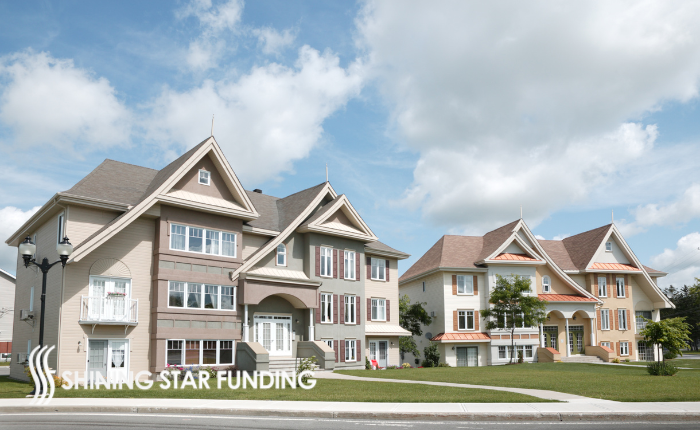
Townhouses provide a feeling closer to that of a single-family home. Because you own the land, you have more autonomy over your backyard or patio area. You also benefit from vertical living, which helps separate living spaces from sleeping quarters, often leading to a more traditional home layout. The downside is that you are responsible for more maintenance, such as cleaning gutters or touching up exterior paint. Additionally, while HOA fees are usually lower, they still exist, and you must adhere to community guidelines.
Frequently Asked Questions
- Do I need different insurance for a condo versus a townhouse? Yes. A condo owner typically needs “walls-in” coverage (HO-6 policy), as the master insurance policy held by the HOA covers the building structure. A townhouse owner usually requires a traditional homeowners insurance policy (HO-3) because they own the structure.
- Which one appreciates faster? Historically, townhouses tend to appreciate faster because the owner holds title to the land. Land is the primary driver of property value over time.
- Are HOA fees permanent? Yes, and they can increase. Always review the financial health of the HOA and the history of fee increases before finalizing your purchase.
- How much privacy can I expect? Townhouses generally offer more privacy because you do not have neighbors above or below you. Condos can be susceptible to noise from adjacent units in any direction.

Making Your Final Decision
There is no objectively right answer—only the right answer for your unique financial situation and lifestyle. If you value low-stress living and want to spend your weekends at the gym or the pool, a condo is an excellent choice. If you want a bit more space, personal ownership of your lot, and a home that feels more traditional in its layout, a townhouse is likely a better fit.
As you move through the homebuying process, attend open houses for both property types. Pay attention not just to the interior finishings, but to the feeling of the community, the density of the buildings, and the explicit rules of the homeowners association. By clearly defining what you are willing to maintain and what you want in terms of ownership, you will be well-equipped to choose the home that will serve you best in the years to come.
FAQ's
Condos are often considered the most accessible “starter” property due to the lower purchase price and lack of exterior maintenance. However, if you are planning to grow a family or want more control over your living space, a townhouse is a better mid-point in the homebuying process between a condo and a detached single-family house.
Both property types are governed by HOA rules (Covenants, Conditions, and Restrictions, or CC&Rs). However, condo rules are often stricter regarding noise, pet size/weight, rental policies, and even what you can place on a balcony. Always review the CC&Rs before finalizing any offer in the homebuying process.
Townhouses often appreciate more closely to the rate of single-family homes because of the land ownership component. Condos are more susceptible to market trends within the specific building and are heavily influenced by the financial health and management of the condo association.
Financing a townhouse is generally more straightforward, as it is often treated similarly to a single-family home. Condo financing can be more complex; lenders must often verify that the entire condo community meets specific standards regarding owner-occupancy rates and financial health before they will approve your loan.
Condos often have more extensive shared amenities, such as elevators, fitness centers, indoor pools, and concierge services, because these are shared across a high-density building. Townhouse communities may offer amenities like playgrounds, pools, or tennis courts, but they tend to be less centralized than those found in large condo complexes.
In a condo, the HOA handles almost all exterior maintenance, including roofing, siding, landscaping, and building repairs. In a townhouse, while the HOA may maintain shared grounds, you are typically responsible for the maintenance of your own roof, exterior walls, and personal yard space.
Townhouses generally offer more privacy. Because they are often multi-story units, you typically do not have neighbors above or below you, only shared walls on the sides. Condos are more like apartments; you may have neighbors above, below, and on both sides, which can lead to increased noise transfer.
Condo HOA fees are generally higher. Because the condo association is responsible for the entire building structure—including the roof, exterior siding, plumbing, and electrical systems that serve the building—the association must collect more in reserves and maintenance dues. Townhouse HOA fees usually cover only shared common areas like parks, pools, or private roads.
Condos are typically more affordable at the point of entry because they include no land ownership and often have smaller square footage. Townhouses are often priced higher as they are more akin to single-family homes, offering more space and private outdoor areas.
The primary difference lies in what you legally own. When you buy a condo, you typically own only the interior space of your unit (“walls-in”), while the homeowners association (HOA) owns and maintains the building exterior and shared land. When you buy a townhouse, you usually own both the interior and the exterior of the structure, as well as the land it sits on.

527 Sycamore Valley Rd W, Danville, CA 94526
Toll Free Call : (866) 280-0020
For informational purposes only. No guarantee of accuracy is expressed or implied. Programs shown may not include all options or pricing structures. Rates, terms, programs and underwriting policies subject to change without notice. This is not an offer to extend credit or a commitment to lend. All loans subject to underwriting approval. Some products may not be available in all states and restrictions may apply. Equal Housing Opportunity.
Interactive calculators are self-help tools. Results received from this calculator are designed for comparative and illustrative purposes only, and accuracy is not guaranteed. Shining Star Funding is not responsible for any errors, omissions, or misrepresentations. This calculator does not have the ability to pre-qualify you for any loan program or promotion. Qualification for loan programs may require additional information such as credit scores and cash reserves which is not gathered in this calculator. Information such as interest rates and pricing are subject to change at any time and without notice. Additional fees such as HOA dues are not included in calculations. All information such as interest rates, taxes, insurance, PMI payments, etc. are estimates and should be used for comparison only. Shining Star Funding does not guarantee any of the information obtained by this calculator.
Privacy Policy | Accessibility Statement | Term of Use | NMLS Consumer Access
CMG Mortgage, Inc. dba Shining Star Funding, NMLS ID# 1820 (www.nmlsconsumeraccess.org, www.cmghomeloans.com), Equal Housing Opportunity. Licensed by the Department of Financial Protection and Innovation (DFPI) under the California Residential Mortgage Lending Act No. 4150025. To verify our complete list of state licenses, please visit www.cmgfi.com/corporate/licensing