
What Is a Mortgage
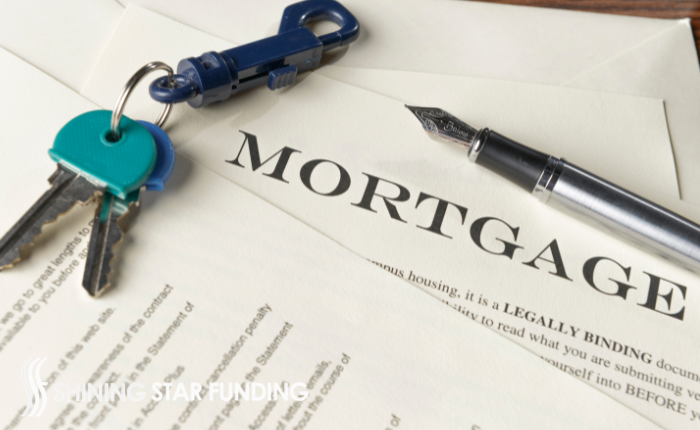
The Fundamentals of Financing: Understanding What Is a Mortgage
Embarking on the journey toward property ownership is a monumental milestone, marking the transition from a tenant to a stakeholder in a community. Central to this transformation is a financial instrument that most people will encounter at least once in their lives: the mortgage. For many, the concept of borrowing hundreds of thousands of dollars can feel daunting, but it is the primary engine that drives the American dream of homeownership. By stripping away the complex legal jargon, we can see a mortgage for what it truly is—a strategic partnership between a borrower and a lender designed to make high-value real estate accessible.
Whether you are a first-time homebuyer searching for your starter home, a self-employed home buyer navigating the nuances of income verification, or an asset-rich individual seeking for real estate investments, understanding the mechanics of a mortgage is critical. In the broader context of the homebuying process, the mortgage is more than just a loan; it is a legal agreement where your property serves as collateral, ensuring that the lender has security while you enjoy the benefits of residency and equity growth.
What is a Mortgage?
In the simplest terms, a mortgage is a type of loan specifically designed for purchasing or maintaining real estate. When you “get a mortgage,” a lender provides you with the funds to buy a home, and in return, you promise to pay that money back over a set period—usually 15 or 30 years—along with interest. The defining characteristic of a mortgage is that the home itself acts as collateral. If the borrower fails to make the agreed-upon payments, the lender has the legal right to take possession of the property through a process known as foreclosure.
For most people involved in the homebuying process, a mortgage is the only way to afford the significant price tag of a house without having the full amount in cash upfront. It allows you to leverage a relatively small down payment into a major asset, allowing your wealth to grow as the property appreciates and as you slowly pay down the loan balance. It is the bedrock of modern personal finance and a vital tool for long-term stability.

Who Are the Parties in a Mortgage?
A mortgage transaction involves several key players, each with a specific role to play in ensuring the legal and financial transfer of the property. Understanding who these parties are helps demystify the paperwork you will encounter at the closing table.
- The Mortgagor (The Borrower): This is you—the person taking out the loan to buy the home. As the mortgagor, you grant the lender a “lien” on your property as security for the debt.
- The Mortgagee (The Lender): This is the financial institution (bank, credit union, or mortgage company) providing the funds. They hold the mortgage until the debt is fully satisfied.
- The Loan Officer: Your primary point of contact during the application. They help you choose a loan product and guide you through the initial steps.
- The Underwriter: The “behind-the-scenes” expert who evaluates your financial risk. They decide whether to approve or deny the loan based on your credit, income, and assets.
- The Title Company: A neutral third party that ensures the seller has the legal right to sell the property and that no other “liens” or claims exist against the home.
The Most Common Types of Mortgages
Not all mortgages are created equal. The market offers a variety of products tailored to different financial situations, from retirees looking for stability to real estate investors seeking maximum leverage. Choosing the right one is a pivotal moment in the homebuying process.
| Mortgage Type | Description | Ideal For… |
|---|---|---|
| Fixed-Rate Mortgage | The interest rate stays the same for the entire life of the loan. | Homeowners who want predictable monthly payments and plan to stay long-term. |
| Adjustable-Rate Mortgage (ARM) | The rate is fixed for an initial period (e.g., 5 years) and then fluctuates based on market conditions. | Buyers who plan to sell or refinance before the rate begins to adjust. |
| FHA Loans | Government-backed loans that allow for lower credit scores and smaller down payments. | First-time homebuyers with limited savings or less-than-perfect credit. |
| VA Loans | Loans for veterans and active-duty military that often require 0% down. | Eligible service members looking for the most favorable terms available. |
| Jumbo Loans | Loans that exceed the standard “conforming” limits set by the government. | Asset-rich individuals seeking for real estate investments in high-cost luxury markets. |
What’s the Best Type of Mortgage for You?
Determining the “best” mortgage is an analytical exercise that depends on your current financial health and your future goals. If you value certainty and hate surprises, a 30-year fixed-rate mortgage is often the gold standard. It protects you from rising interest rates and makes long-term budgeting simple. However, if you are a self-employed home buyer who expects a significant increase in income in the coming years, you might consider a 15-year fixed-rate loan to save a fortune in interest and own your home twice as fast.

For those in the homebuying process who only plan to stay in a house for a few years—perhaps a “starter home”—an Adjustable-Rate Mortgage (ARM) could offer a significantly lower initial interest rate, saving you thousands in the short term. Always consider the “worst-case scenario” with an ARM: could you still afford the payment if the rate jumped to its maximum cap? Assessing your risk tolerance is just as important as checking your bank balance.

How to Get a Mortgage
Securing a mortgage is a multi-step process that requires organization and transparency. While it may seem like a mountain of paperwork, it follows a logical path designed to verify that you are a safe bet for the lender.
- Check Your Credit: Your credit score is the single biggest factor in your interest rate. Check your report for errors and pay down high balances at least six months before you apply.
- Get Preapproved: Before you go house hunting, have a lender review your finances and give you a preapproval letter. This tells sellers you are a serious, qualified buyer.
- Gather Documentation: Be ready with two years of tax returns, recent pay stubs, bank statements, and proof of any other assets or debts.
- Shop and Compare: Don’t settle for the first offer. Compare “Loan Estimates” from multiple lenders to find the lowest combination of interest rates and closing costs.
- Final Approval and Closing: Once you find a home, your loan goes through “underwriting” for final approval. On closing day, you sign the final documents, pay your down payment, and get the keys!
Mortgage Glossary
To navigate the homebuying process successfully, you need to speak the language. Here are a few essential terms every buyer should know:
- Amortization: The schedule of your mortgage payments, showing how much goes to interest vs. principal each month.
- Escrow: A neutral account where the lender holds funds for your property taxes and homeowner’s insurance.
- PITI: An acronym for the four components of your monthly payment: Principal, Interest, Taxes, and Insurance.
- LTV (Loan-to-Value): The ratio of the loan amount to the home’s value. A lower LTV often leads to better rates.
- PMI (Private Mortgage Insurance): Insurance you pay to protect the lender if you put down less than 20% on a conventional loan.
Conclusion: Empowering Your Ownership
A mortgage is the bridge between your current reality and your future as a homeowner. While it is a significant financial commitment, it is also a powerful tool for building wealth and securing your place in the world. By understanding the types of loans available and the parties involved, you can turn a complex transaction into a confident step forward. Whether you are a first-time homebuyer or a seasoned real estate investor, the right mortgage is the one that fits your lifestyle today while supporting your dreams for tomorrow.
FAQ's
Yes, most modern mortgages do not have prepayment penalties. By making “extra principal” payments, you can significantly reduce the amount of interest you pay over time and shorten your loan term. However, always check your specific loan documents to ensure no fees apply.
APR (Annual Percentage Rate): A broader measure of the cost of your loan, including the interest rate plus lender fees.
Amortization: The schedule of payments that gradually reduces your debt over time.
DTI (Debt-to-Income Ratio): The percentage of your gross monthly income that goes toward paying debts.
Equity: The difference between what your home is worth and what you owe on your mortgage.
Most payments are referred to as PITI:
Principal: The amount that goes toward paying down the actual balance.
Interest: The cost you pay the lender for borrowing the money.
Taxes: Property taxes collected by the lender and held in an escrow account.
Insurance: Homeowners insurance (and potentially PMI if your down payment was low).
Check your credit: Ensure your score is as high as possible.
Define your budget: Use a calculator to see what you can actually afford.
Get Pre-approved: A lender reviews your finances and gives you a letter stating how much they will lend you.
Find a home: Shop within your pre-approved range.
Final Application: Once you have a contract on a house, you finish the formal loan application.
Underwriting: The lender verifies all details and the home’s value (appraisal).
The “best” loan depends on your financial health and future plans:
Plan to stay 10+ years? A 30-year fixed offers the most stability.
Low on cash for a down payment? Look at FHA or USDA options.
Moving in 5 years? A 5/1 ARM might save you thousands in interest before it ever adjusts.
A Jumbo loan is a mortgage that exceeds the conforming loan limits set by Fannie Mae and Freddie Mac. In 2026, these are common in high-cost metro areas. Because they aren’t backed by the government-sponsored enterprises, they often require higher down payments (10-20%) and excellent credit.
Fixed-Rate Mortgage: Your interest rate stays the same for the entire life of the loan (usually 15 or 30 years). Your monthly principal and interest payment will never change.
Adjustable-Rate Mortgage (ARM): These usually start with a lower “teaser” rate for a set period (like 5 or 7 years). After that, the rate can adjust up or down periodically based on market indexes.
Conventional Loans: Loans not insured by the government. They often require higher credit scores but offer flexibility.
FHA Loans: Backed by the Federal Housing Administration. These are popular for first-time buyers due to lower down payment (3.5%) and credit requirements.
VA Loans: For veterans and service members. They typically require 0% down and have no monthly mortgage insurance.
USDA Loans: Aimed at buyers in rural and some suburban areas, also offering 0% down options.
There are two primary legal parties in every mortgage contract:
The Mortgagor (Borrower): This is you—the person or entity taking out the loan to buy the property. You “give” the mortgage to the lender as security for the debt.
The Mortgagee (Lender): This is the financial institution (bank, credit union, or mortgage company) providing the funds. They “receive” the mortgage as a claim against the property.
A mortgage is a specific type of loan used to purchase or maintain a home, land, or other types of real estate. The borrower agrees to pay the lender over time, typically in a series of regular payments that are divided into principal and interest. The property then serves as collateral to secure the loan. If a borrower stops making payments, the lender has the legal right to take possession of the property through a process called foreclosure.

527 Sycamore Valley Rd W, Danville, CA 94526
Toll Free Call : (866) 280-0020
For informational purposes only. No guarantee of accuracy is expressed or implied. Programs shown may not include all options or pricing structures. Rates, terms, programs and underwriting policies subject to change without notice. This is not an offer to extend credit or a commitment to lend. All loans subject to underwriting approval. Some products may not be available in all states and restrictions may apply. Equal Housing Opportunity.
Interactive calculators are self-help tools. Results received from this calculator are designed for comparative and illustrative purposes only, and accuracy is not guaranteed. Shining Star Funding is not responsible for any errors, omissions, or misrepresentations. This calculator does not have the ability to pre-qualify you for any loan program or promotion. Qualification for loan programs may require additional information such as credit scores and cash reserves which is not gathered in this calculator. Information such as interest rates and pricing are subject to change at any time and without notice. Additional fees such as HOA dues are not included in calculations. All information such as interest rates, taxes, insurance, PMI payments, etc. are estimates and should be used for comparison only. Shining Star Funding does not guarantee any of the information obtained by this calculator.
Privacy Policy | Accessibility Statement | Term of Use | NMLS Consumer Access
CMG Mortgage, Inc. dba Shining Star Funding, NMLS ID# 1820 (www.nmlsconsumeraccess.org, www.cmghomeloans.com), Equal Housing Opportunity. Licensed by the Department of Financial Protection and Innovation (DFPI) under the California Residential Mortgage Lending Act No. 4150025. To verify our complete list of state licenses, please visit www.cmgfi.com/corporate/licensing