
VA Loan for Farm Residences
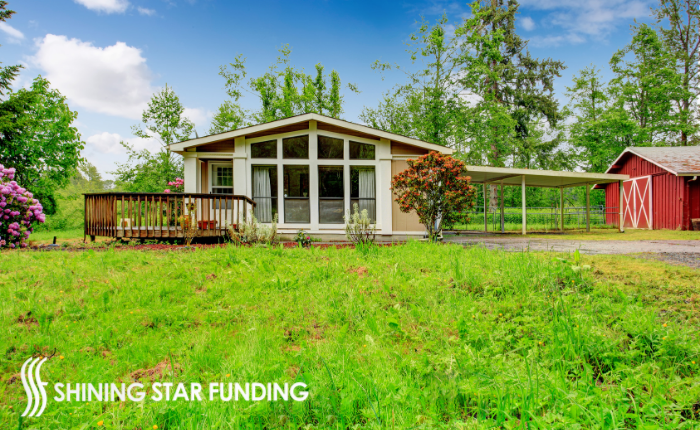
VA Loan for Farm Residences: Understanding Eligibility and Benefits
VA loans are primarily associated with traditional homes, but they can also be used to purchase farm residences, provided the property meets VA standards. A VA loan for farm residences allows eligible veterans, active-duty service members, and certain surviving spouses to finance a home on agricultural land without a down payment. Understanding the rules and benefits of using a VA loan for a farm residence can help borrowers achieve both homeownership and a lifestyle connected to farming or rural living.
While the Department of Veterans Affairs (VA) Home Loan program is frequently associated with suburban single-family homes, the benefit is versatile enough to accommodate Veterans who wish to live in rural environments. Specifically, the VA authorizes the guaranty of loans for the purchase, construction, repair, alteration, or improvement of a farm residence. The defining requirement for this loan type is that the property must be occupied by the Veteran as a home. Although the VA does not make farm business loans, it acknowledges the desire of many Veterans to reside on agricultural land, provided the transaction focuses on the residential aspect of the property rather than the commercial farming operation.
Property Eligibility and Valuation
A unique set of rules governs how farm residences are appraised and valued to ensure the loan remains a housing benefit rather than a business investment.
- Acreage Limits: Unlike some other loan programs, the VA does not set a specific limit on the number of acres a property may have. The appraisal of properties with significant acreage is generally acceptable provided there are similar properties in the area that were recently sold primarily for residential use.
- Residential Value Limitation: A critical restriction is that the loan cannot cover the nonresidential value of farm land in excess of the homesite. This means the VA guaranty covers the value of the residence and the land immediately associated with it as a home, but not necessarily the commercial value of vast tracts of agricultural land.
- Outbuildings and Improvements: The appraiser must evaluate improvements that are not typically considered residential—such as barns, silos, corrals, or stables—strictly based on how they contribute to the market value of the property for residential purposes. The loan cannot cover the value of barns or outbuildings necessary for the operation of the farm if they do not add to the residential utility.
- Exclusions: The VA loan amount strictly excludes the value of farm equipment, livestock, or crops.
Underwriting and Income Verification
When a Veteran intends to use income derived from farming operations to qualify for the loan, the lender must establish the Veteran’s ability and experience as a farm operator.
The underwriting requirements differ depending on the Veteran’s level of experience:
- New Farmers or New Farm Operations: The lender must obtain a proposed plan of operation detailing the number of acres for crops and the amount of livestock. Additionally, the Veteran must provide a statement confirming ownership of necessary farm equipment or detailing the repayment terms for any equipment to be purchased. Crucially, the lender must secure an estimate of farm income and expenses prepared by a local farm appraiser or a qualified lender who has agreed to carry an operating line of credit for the Veteran.
- Experienced Farmers: For a Veteran continuing an existing farm operation, the lender generally applies self-employment income analysis guidelines. If the Veteran finances operations using an operating line of credit, the lender must obtain records of advances, payments, and carryover balances for the last three years to analyze the stability of the operation and the reasons for any debt build-up.
Construction and Refinancing on Farm Land
The VA program offers flexibility for Veterans who already own farm land and wish to build a home. A portion of the proceeds of a VA loan used to construct a farm residence on encumbered land owned by the Veteran may be used to pay off the existing lien or liens on the land. This is permissible only if the reasonable value of the land is at least equal to the amount of the liens being paid off. This feature allows Veterans to consolidate land debt into a residential mortgage with favorable VA terms, provided the end result is a primary residence occupied by the Veteran.
The VA loan for farm residences bridges the gap between residential housing and rural living. By focusing on the residential value of the property and requiring robust underwriting for farming income, the VA protects the integrity of the loan guaranty program while allowing Veterans to pursue agricultural lifestyles. The strict exclusion of commercial value, livestock, and equipment ensures the benefit remains a housing program, yet the lack of acreage limits offers significant freedom for Veterans seeking wide-open spaces.
FAQ's
If you are planning to run a farming operation, the lender will likely verify that you have the resources to cover operating expenses so that the mortgage payment is not jeopardized. For new farmers or those expanding operations, the lender may require a copy of a commitment from a lender for an operating line of credit. Alternatively, you must provide evidence of other financial resources sufficient to cover these expenses. This requirement ensures that the costs of running the farm do not consume the income needed to service the home loan debt.
When appraising a farm residence, the appraiser is instructed to evaluate the land based on its residential value only. The loan cannot cover the nonresidential value of the farmland that exceeds the immediate homesite. This means the appraiser looks at the land’s contributory value to the home as a residence, rather than its commercial value for agricultural production. This distinction prevents the VA benefit from being used as a commercial land acquisition tool while still allowing Veterans to enjoy a rural lifestyle on agricultural property.
Yes, a VA loan can be used to construct a farm residence on land already owned by the Veteran. In this scenario, a portion of the loan proceeds may even be used to pay off an existing lien on the land. However, this is permitted only if the reasonable value of the land is at least equal to the amount of the lien being paid off. The loan effectively combines the construction costs and the land refinancing into a single mortgage, subject to standard construction/permanent home loan amortization and completion requirements.
For a new farm operation, the lender usually requires an estimate of farm income and expenses prepared by a qualified person, such as a local farm appraiser designated by the VA or a lender who has agreed to carry your operating line of credit. This estimate relies on your proposed plan of operation and your experience. It must detail specific expenses, including labor, seed, fertilizer, taxes, insurance, repairs, machinery, and fuel. This detailed analysis ensures that the projected income is realistic and sufficient to support the mortgage payments.
If you are a new farmer or starting a new farm operation, the underwriting requirements are more rigorous. The lender must obtain a proposed plan of operation showing details like the number of acres for each crop and the amount of livestock. This plan is used to estimate income and expenses. Additionally, you must provide a statement confirming that you own or propose to purchase the necessary farm equipment. If you are incurring debt to buy this equipment, full details of the repayment terms must be provided to ensure you can afford the mortgage.
Yes, you can use income derived from farming operations to qualify for the loan, but you must demonstrate your ability and experience as a farm operator. This is treated similarly to self-employment income. The lender will require documentation to establish that the farming operation is viable and that the income is stable and reliable. If you are an experienced farmer continuing the same operation, the lender will typically review your financial records, including advances and payments on operating lines of credit for the last three years, to verify stability.
When a farm residence includes outbuildings such as barns, silos, corrals, or stables, their value is assessed differently than in a commercial farm loan. The appraiser must value these improvements only to the extent that they contribute to the residential market value of the property. If an outbuilding is necessary solely for the commercial operation of the farm and has no residential utility, its value generally cannot be included in the loan analysis. The appraisal focuses on the property’s utility as a home, not as an income-producing agricultural facility.
No, the VA loan guaranty cannot cover the value of items strictly related to the commercial operation of the farm. Specifically, the loan amount cannot include the value of livestock, crops, or farm equipment. These items are considered personal property or business assets rather than real estate suitable for a residential mortgage guaranty. The purpose of the loan is to provide a home for the Veteran, not to capitalize a farming business. Therefore, the Veteran must have other means to finance or acquire the necessary equipment and stock for the farm operation.
The Department of Veterans Affairs does not set a specific limit on the number of acres a property can have to be eligible for a VA loan. A Veteran may purchase a farm residence regardless of the size of the land it sits on, provided the property is primarily for residential use. However, the appraisal of properties with significant acreage can be complex. The appraiser must evaluate the property based on similar properties in the area that were recently sold primarily for residential use to ensure the value is supported by the residential market.
Yes, eligible Veterans can use their VA home loan benefit to purchase, construct, repair, alter, or improve a farm residence. The critical requirement is that the property must be occupied by the Veteran as a home. While the program allows for the purchase of a residence situated on a farm, it is important to distinguish this from a business loan; the VA does not make farm or business loans. Consequently, the loan is designed to secure the residential structure and the immediate homesite rather than to finance a commercial farming operation.

527 Sycamore Valley Rd W, Danville, CA 94526
Toll Free Call : (866) 280-0020
For informational purposes only. No guarantee of accuracy is expressed or implied. Programs shown may not include all options or pricing structures. Rates, terms, programs and underwriting policies subject to change without notice. This is not an offer to extend credit or a commitment to lend. All loans subject to underwriting approval. Some products may not be available in all states and restrictions may apply. Equal Housing Opportunity.
Interactive calculators are self-help tools. Results received from this calculator are designed for comparative and illustrative purposes only, and accuracy is not guaranteed. Shining Star Funding is not responsible for any errors, omissions, or misrepresentations. This calculator does not have the ability to pre-qualify you for any loan program or promotion. Qualification for loan programs may require additional information such as credit scores and cash reserves which is not gathered in this calculator. Information such as interest rates and pricing are subject to change at any time and without notice. Additional fees such as HOA dues are not included in calculations. All information such as interest rates, taxes, insurance, PMI payments, etc. are estimates and should be used for comparison only. Shining Star Funding does not guarantee any of the information obtained by this calculator.
Privacy Policy | Accessibility Statement | Term of Use | NMLS Consumer Access
CMG Mortgage, Inc. dba Shining Star Funding, NMLS ID# 1820 (www.nmlsconsumeraccess.org, www.cmghomeloans.com), Equal Housing Opportunity. Licensed by the Department of Financial Protection and Innovation (DFPI) under the California Residential Mortgage Lending Act No. 4150025. To verify our complete list of state licenses, please visit www.cmgfi.com/corporate/licensing