
Common Repairs Required Under FHA
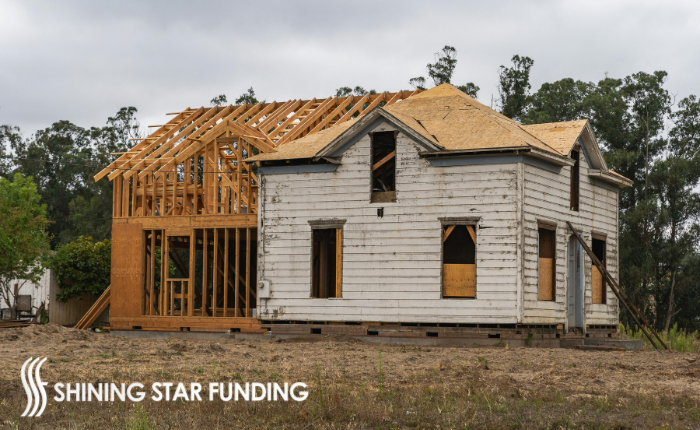
Common Repairs Required Under FHA Guidelines
What are some common repairs required under FHA guidelines? FHA appraisals not only assess a property’s market value but also ensure it meets minimum property standards focused on safety, security, and structural integrity. Common repairs often include addressing electrical hazards, plumbing leaks, roofing issues, damaged floors or stairs, and other conditions that could affect habitability. Understanding these typical repair requirements helps buyers, sellers, and lenders prepare for the FHA loan process and ensure the property qualifies for financing.
The Federal Housing Administration (FHA) insures mortgages to assist homebuyers, particularly those with lower credit scores or smaller down payments. However, because the FHA backs these loans, the agency enforces strict property standards to protect its insurance fund and ensuring the home is a safe investment for the borrower. Unlike conventional appraisals that focus primarily on fair market value, an FHA appraisal includes a detailed inspection component focused on the physical condition of the home. The property must meet the U.S. Department of Housing and Urban Development’s (HUD) criteria of being “safe, sound, and secure”. If a home fails to meet these standards, specific repairs must be completed before the loan can close.
The "Safe, Sound, and Secure" Standard
The core philosophy of FHA appraisal guidelines is the identification of “defective conditions.” These are defined as conditions that affect the health and safety of occupants, the structural soundness of the dwelling, or the security of the property collateral. While minor cosmetic issues like worn carpet or dated cabinetry are generally overlooked, issues that compromise the habitability of the home act as “red flags” that can halt the lending process until resolved.
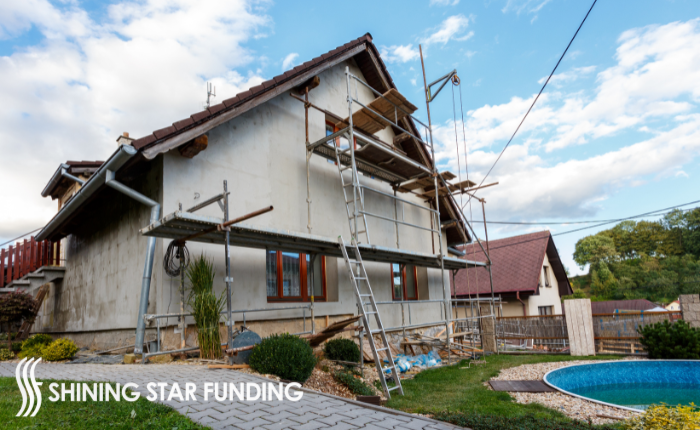
Exterior and Structural Requirements
The structural integrity and the building envelope are critical components of an FHA inspection.
- Roofing: The roof must prevent moisture from entering the home and provide reasonable future utility. FHA guidelines specifically state that the roof should have a remaining physical life of at least two years. If the roof has less than two years of life remaining, the appraiser must report this, and the appraisal may be made subject to inspection by a professional roofer. Leaking, sagging, or damaged roofs are common repair items.
- Lead-Based Paint: For any home built prior to 1978, the FHA has strict rules regarding lead-based paint. If the appraiser observes defective paint surfaces—defined as chipping, peeling, scaling, or flaking paint on the interior or exterior—it must be scraped, primed, and painted to mitigate the hazard.
- Drainage and Grading: The topography of the site must allow for proper drainage away from the foundation. The appraiser will check for standing water near the foundation or in crawl spaces, which can compromise structural integrity.
- Structural Soundness: Any visible termite damage, structural cracks, or rotting window sills and support beams must be repaired to ensure the home’s stability.
Mechanical Systems and Utilities
The home’s mechanical systems must be operational, safe, and sufficient for the property.
- Heating Systems: The property must have a permanently installed heating system capable of automatically heating living areas to a minimum of 50 degrees Fahrenheit. Non-functioning heating or cooling systems are grounds for required repairs.
- Electrical Systems: The electrical system must be adequate to support typical household functions without disruption. Common electrical repairs include fixing exposed or frayed wiring, covering electrical junction boxes, and addressing loose wiring.
- Plumbing: The plumbing system must provide sufficient water pressure and flow for waste removal. Leaks under sinks, inoperable fixtures, or issues with sewage disposal must be remediated.
Windows, Doors, and Safety Features
Accessibility and security are also reviewed during the appraisal.
- Ingress and Egress: Doors must open and latch properly to ensure safe entry and exit.
- Bedrooms: A room cannot be identified as a bedroom if it does not have adequate ingress or egress in the event of an emergency, which is particularly relevant for basement rooms.
- Broken Glass: Broken windows that present a safety hazard must be repaired.

Resolution Strategies
When a property fails to meet these standards, the lender generally cannot fund the loan until the issues are resolved.
- Seller Repairs: In many cases, the seller must complete the repairs prior to closing. This often involves negotiation, as sellers may be reluctant to pay for repairs.
- Escrow Holdbacks: If repairs are minor or weather-dependent (such as exterior painting in winter), lenders may allow an escrow holdback where funds are set aside to complete the work after closing.
- Renovation Loans: If the property requires significant repairs, a borrower may utilize an FHA 203(k) loan, which allows the purchase price and renovation costs to be rolled into a single mortgage.
FHA guidelines ensure that homebuyers purchase properties that are move-in ready and free of critical health or safety defects. While requirements such as scraping peeling paint, fixing plumbing leaks, or repairing roofs may seem stringent, they protect the borrower from unforeseen expenses and ensure the home serves as adequate collateral for the lender.
FAQ's
The FHA requires that the property site be free of hazards that could affect the health and safety of the occupants or the structural soundness of the improvements. A common site repair involves grading; the ground must slope away from the foundation to prevent water from pooling against the home, which can cause basement leaks or foundation damage. Other site hazards that may require remediation include trip hazards on walkways, exposed underground storage tanks, or stationary storage tanks with flammable materials located too close to the dwelling. Correcting drainage issues is essential for preserving the property’s structural integrity over the life of the loan.
Broken windows and doors are considered defective conditions that affect the safety and security of the property. Cracked or broken window glass can be a safety hazard and may need to be replaced. Exterior doors that do not shut or lock properly compromise the security of the home and typically require repair to meet FHA standards. The appraiser will check that windows open and close as intended and that doors function correctly. These repairs ensure the home is secure against intruders and protected from the elements, satisfying the “secure” aspect of the FHA’s “Safe, Sound, and Secure” mandate.
For a room to be classified and valued as a bedroom, it must provide safe ingress and egress in the event of an emergency, such as a fire. This typically means there must be a window large enough for an occupant to escape and for emergency personnel to enter, or a door leading directly to the exterior. If a bedroom has security bars on the windows, they must have a quick-release mechanism that functions from the inside without a key or special tool. If these safety features are missing or non-functional, the appraiser may require their removal or repair.
Safety is a primary pillar of the FHA appraisal process, and slip or fall hazards are frequently flagged for repair. Missing handrails on staircases or missing safety railings on elevated decks and porches are common issues that must be addressed. Generally, if a staircase has three or more risers, a handrail is required to comply with safety standards. This requirement applies to both interior and exterior stairs. Installing or securing loose railings ensures the property meets the FHA’s goal of being “safe” for the occupants, protecting the lender’s interest in the collateral by mitigating liability and injury risks.
The FHA appraiser is required to observe the foundation and perimeter of the buildings for evidence of wood-destroying insects, such as termites. If the appraiser finds evidence of an active infestation, prior damage, or past treatment, the lender will require a specialized inspection by a qualified pest control professional. If that inspection confirms an active infestation, the property must be treated to eliminate the pests. Additionally, any structural damage caused by the insects must be repaired to ensure the home’s soundness. In certain geographic areas prone to termites, a termite inspection may be mandatory regardless of the appraiser’s observations.
Crawl spaces and basements are critical areas for FHA appraisals because they often hide structural or moisture problems. To meet FHA guidelines, these spaces must be free of standing water and excessive dampness, which can damage the foundation or lead to mold growth. The area must be adequately ventilated and allow for access to maintain mechanical systems. If the appraiser observes puddles, inadequate ventilation, or evidence of structural failure in the foundation walls within these spaces, repairs will be required. The appraiser must be able to visually observe these areas; if they are inaccessible, access must be created.
Yes, the plumbing system must be fully operational and provide a continuous supply of safe, potable water under adequate pressure. Common repairs required include fixing leaks under sinks, repairing toilets that do not flush properly, or addressing low water pressure. The water heater must be equipped with a temperature and pressure-relief valve to safely divert escaping steam or hot water if necessary. If the appraiser observes structural damage due to water leaks or non-functional fixtures, these items must be repaired. Furthermore, if the property is on a private well, water quality testing may be required to ensure safety.
Mechanical systems, including heating and electricity, must be safe to operate, protected from destructive elements, and have adequate capacity for the home. The heating system specifically must be capable of automatically heating all living areas to a minimum of 50 degrees Fahrenheit. Space heaters or wood stoves are generally not sufficient as the primary heat source unless they meet specific code and safety criteria. Regarding electricity, the system must not have exposed wires, frayed wiring, or open junction boxes. The amperage must be adequate to run typical appliances and lighting without disruption, ensuring the system is safe for occupancy.
The FHA guidelines mandate that a roof must serve as a barrier against moisture and have a reasonable future utility. Generally, the roof must have at least two years of remaining physical life to pass appraisal. If the appraiser determines the roof has less than two years of life left, or if there is evidence of leakage or significant moisture intrusion, the lender will likely require a professional inspection by a roofer. Based on that inspection, spot repairs or a full roof replacement may be mandatory before the loan can close to ensure the home remains watertight
One of the most common repairs required during the FHA appraisal process involves defective paint surfaces. For any home built prior to 1978, the FHA presumes that chipping, peeling, scaling, or cracking paint constitutes a lead-based paint hazard. To comply with safety standards, these defective surfaces on both the interior and exterior of the property must be thoroughly scraped, primed, and repainted. This requirement extends to outbuildings, fences, and other structures on the property. If the home was built after 1978, the appraiser generally only requires repair if the defective paint exposes the subsurface to the elements, threatening the siding’s longevity.

527 Sycamore Valley Rd W, Danville, CA 94526
Toll Free Call : (866) 280-0020
For informational purposes only. No guarantee of accuracy is expressed or implied. Programs shown may not include all options or pricing structures. Rates, terms, programs and underwriting policies subject to change without notice. This is not an offer to extend credit or a commitment to lend. All loans subject to underwriting approval. Some products may not be available in all states and restrictions may apply. Equal Housing Opportunity.
Interactive calculators are self-help tools. Results received from this calculator are designed for comparative and illustrative purposes only, and accuracy is not guaranteed. Shining Star Funding is not responsible for any errors, omissions, or misrepresentations. This calculator does not have the ability to pre-qualify you for any loan program or promotion. Qualification for loan programs may require additional information such as credit scores and cash reserves which is not gathered in this calculator. Information such as interest rates and pricing are subject to change at any time and without notice. Additional fees such as HOA dues are not included in calculations. All information such as interest rates, taxes, insurance, PMI payments, etc. are estimates and should be used for comparison only. Shining Star Funding does not guarantee any of the information obtained by this calculator.
Privacy Policy | Accessibility Statement | Term of Use | NMLS Consumer Access
CMG Mortgage, Inc. dba Shining Star Funding, NMLS ID# 1820 (www.nmlsconsumeraccess.org, www.cmghomeloans.com), Equal Housing Opportunity. Licensed by the Department of Financial Protection and Innovation (DFPI) under the California Residential Mortgage Lending Act No. 4150025. To verify our complete list of state licenses, please visit www.cmgfi.com/corporate/licensing