
Tri-Merge Credit Report Explained: What Homebuyers Need To Know Before Applying For A Mortgage

When you apply for a home loan, lenders look closely at your financial history to decide whether you qualify and what interest rate you may receive. One of the most important tools used during the approval process is the tri-merge credit report. For first-time buyers, self-employed borrowers, retirees, and real estate investors, understanding how this report works can make the homeownership journey smoother and less stressful by exploring available Homebuyer Resources early in the process.
A tri-merge credit report combines information from the three major credit bureaus into one detailed document. Mortgage lenders rely on it to evaluate your borrowing habits, payment history, debt levels, and overall creditworthiness. Since mortgage loans are long-term financial commitments, lenders want a complete picture of your financial behavior before approving financing.
Whether you are preparing to buy your first property, refinance an existing home, or invest in real estate, learning how to get a mortgage with a clear understanding of your credit history can help you improve your approval chances and secure better loan terms.
What Is A Tri-Merge Credit Report?
A tri-merge credit report is a specialized credit report created specifically for mortgage lending purposes. Instead of pulling information from only one credit bureau, the report combines credit data from all three major credit reporting agencies into a single document. Because lenders rely heavily on accurate financial information during the mortgage approval process, a tri merge credit report helps provide a more complete picture of a borrower’s credit history, debt obligations, and payment behavior.
This type of merged credit report gives lenders a broader and more accurate understanding of a borrower’s financial profile. Since information can vary slightly between bureaus, reviewing all three reports helps minimize transactional risks, serving as a core asset for institutional credit risk mitigation. A tri merge credit report may include variations in credit scores, account balances, late payments, collections, and other financial data that can influence loan approval and mortgage interest rates.
You may also hear the term triple credit report used interchangeably with tri-merge credit report. Both describe a report that merges credit information from multiple sources into one comprehensive file. For homebuyers preparing to apply for financing, understanding how a tri merge credit report works can help them identify errors, improve their credit standing, and increase their chances of securing favorable mortgage terms.
For borrowers pursuing homeownership opportunities, the tri-merge process allows lenders to evaluate:
- Credit scores from all three bureaus
- Payment history
- Open and closed accounts
- Debt balances
- Bankruptcies or collections
- Credit inquiries
- Public financial records
Mortgage lenders often use the middle credit score from the three reports when reviewing a loan application. This helps create a more balanced evaluation instead of relying on only one score.
How Is A Tri-Merge Credit Report Made?
A tri-merge credit report is generated by collecting data from the three major credit bureaus and organizing it into one unified document. Mortgage lenders or authorized mortgage professionals typically request the report through a credit reporting service.
The process generally works like this:
- The lender receives your authorization to check your credit.
- A reporting company pulls your credit data from all three bureaus.
- The information is consolidated into one mortgage credit report.
- The report highlights differences, similarities, and combined financial information.
- The lender reviews the report during underwriting.
Because the report gathers information from several sources, it often contains more detailed information than a standard consumer credit report.
For example, one bureau may show an account balance slightly differently than another bureau. The merged credit report allows lenders to compare all reported information side by side.
This approach is especially important in homeownership financing because mortgage lenders are evaluating large loan amounts with repayment periods that can last decades under products like a traditional conventional loan.

What’s Included In A Tri-Merge Credit Report?
A tri-merge credit report contains extensive financial information that helps lenders assess risk. Understanding what appears on the report can help borrowers prepare before applying for a mortgage.
Personal Information
The report includes identifying details such as:
- Your full name
- Current and previous addresses
- Social Security number
- Date of birth
- Employment history
Lenders use this information to confirm your identity and financial background.
Credit Scores
The report displays credit scores from each bureau. Mortgage lenders often focus on the middle score rather than the highest or lowest score.
For example:
- Bureau 1 score: 680
- Bureau 2 score: 700
- Bureau 3 score: 720
In this scenario, the lender may use the 700 score during loan evaluation. Before this verification takes place, many applicant files face a distinct hurdle: does getting preapproved hurt your credit?
Trade Lines And Accounts
Your active and closed credit accounts appear on the report, including:
- Credit cards
- Auto loans
- Student loans
- Personal loans
- Mortgages
The report also shows payment history, account age, balances, and credit limits.
Public Records
Certain financial events may appear in the report, including:
- Bankruptcies
- Tax liens
- Foreclosures
- Civil judgments
These items can significantly affect loan eligibility and interest rates.
Credit Inquiries
The report lists recent inquiries from companies that reviewed your credit. Too many hard inquiries within a short period may raise concerns for lenders.
What Effect Does Your Tri-Merge Credit Report Have On Your Loan?
Your tri-merge credit report plays a major role in determining whether you qualify for a mortgage and what loan terms you receive.
Mortgage lenders use the report to evaluate your financial reliability and ability to repay debt responsibly. A strong report can improve approval chances and help borrowers qualify for lower interest rates.
On the other hand, negative marks may lead to:
- Higher interest rates
- Larger down payment requirements
- Additional underwriting reviews
- Loan denial
For buyers pursuing homeownership goals, improving credit before applying can have a meaningful financial impact over the life of the loan.
Credit Score Impact
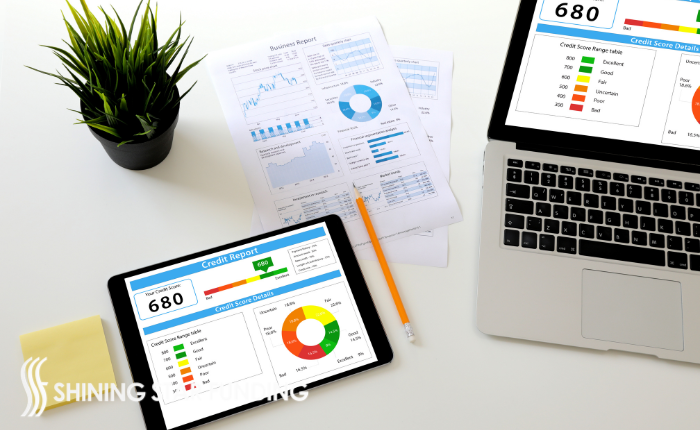
Your credit score heavily influences mortgage pricing. Higher scores often result in:
- Lower monthly payments
- Reduced interest costs
- Better loan programs
- More favorable approval terms
Borrowers with lower scores may still qualify for financing, but they may face stricter requirements.
Debt-To-Income Evaluation
Lenders review the debts shown on your mortgage credit report to calculate your debt-to-income ratio. This ratio compares monthly debt obligations to gross monthly income.
A lower debt-to-income ratio generally improves approval chances for homeownership financing.
Payment History Review
Consistent on-time payments demonstrate financial responsibility. Late payments, collections, or defaults may indicate increased lending risk.
Even a few missed payments can affect loan pricing and eligibility.
Can I Get A Copy Of My Tri-Merge Credit Report?
Yes, borrowers can usually request a copy of their tri-merge credit report during the mortgage process. However, a free tri-merge credit report is not always available directly from lenders.
Federal law allows consumers to access regular credit reports from each major bureau, but mortgage-specific reports are typically generated through specialized reporting companies and may involve a fee.
Still, reviewing your credit information before applying for a mortgage is highly recommended. It gives you the opportunity to discover how to safely shop for a mortgage without hurting your credit score before your final application file is compiled.
- Correct errors
- Dispute inaccurate accounts
- Pay down balances
- Improve your credit score
- Strengthen your loan application
Some mortgage professionals may provide applicants with a copy of their merged credit report after pulling it during the application process. Policies vary depending on the lender and reporting provider.
If you are searching for a free tri-merge credit report, be cautious of websites making unrealistic promises. Many free offers only provide limited credit monitoring or educational scores rather than a full mortgage-ready report.
How To Improve Your Tri-Merge Credit Report Before Applying
Preparing your credit before applying for a mortgage can improve both approval odds and loan affordability.
Pay Bills On Time
Payment history is one of the most important credit scoring factors. Consistent on-time payments help build a stronger profile.
Reduce Credit Card Balances
Lowering revolving debt can improve credit utilization ratios and potentially increase credit scores.
Avoid Opening New Accounts
Opening multiple new accounts before applying for a mortgage may temporarily lower your score and increase lender concerns.
Review Your Credit Reports Carefully
Check for inaccurate balances, duplicate accounts, or incorrect late payments. Disputing errors may improve your credit standing.
Maintain Older Accounts
Longer credit history often benefits borrowers during mortgage evaluations.
To analyze how your current aggregated middle score scales your purchase capability across specific loan metrics, experiment with our online mortgage calculators and evaluate your matching programmatic costs against our real-time mortgage rates portal. When you have checked your parameters and are ready to proceed with your pre-qualification file, you can securely apply now to lock in your credit tracking roadmap.
Why Tri-Merge Credit Reports Matter In Homeownership
The tri-merge credit report has become an important part of the mortgage approval process because it gives lenders a detailed view of a borrower’s financial history. For individuals pursuing homeownership, understanding how the report works can help avoid surprises during underwriting.
Whether you are a first-time buyer, a retiree looking to downsize, a self-employed borrower with variable income, or an investor expanding your real estate portfolio, your triple credit report can directly affect your financing options.
By monitoring your credit regularly, reducing debt, and correcting reporting errors early, you can position yourself for stronger mortgage opportunities and long-term homeownership success.
Frequently Asked Questions
Yes. If you find an error on your tri-merge credit report, you must contact the specific credit bureau that is reporting the incorrect data, as well as the creditor who provided it. Correcting these errors is a critical step in the homeownership process to ensure you aren’t paying a higher interest rate than you deserve.
While federal law entitles you to a free report from each bureau annually, these are usually individual files. It is difficult to find a truly free tri-merge credit report that includes the specific mortgage-calibrated FICO scores lenders use. However, when you apply for a loan, your lender is required to share the scores they pulled with you.
If you are buying a home with a partner, the lender will pull a tri-merge credit report for both individuals. Generally, they will look at the middle score for each person and then use the lower of those two middle scores to determine the interest rate for the loan.
This report is compiled by a specialized third-party provider. When you apply for a mortgage, the lender requests your data, and the provider pulls your files from all three bureaus simultaneously. The software then de-duplicates the information, meaning if a car loan is reported to all three, it shows as one entry. This results in a streamlined triple credit report formatted specifically for mortgage underwriting.
Generally, a mortgage credit report is considered “fresh” for about 60 to 90 days. If your home search takes longer than that, or if your closing is delayed, the lender may need to pull a new merged credit report to ensure your financial situation hasn’t changed before they fund the loan.
The report itself contains the same types of data, but lenders may scrutinize it differently. For investors or asset-rich individuals, the lender will look closely at the “Inquiry” section of the triple credit report to see if the borrower is opening multiple new lines of credit for other properties simultaneously.
The data in this report determines your interest rate and loan eligibility. Lenders typically look at the three scores provided and use the “middle score” as your qualifying score. A higher middle score on your merged credit report can save you tens of thousands of dollars in interest over the life of a 30-year loan.
A mortgage credit report is much more detailed than standard consumer reports. It includes your FICO scores from each bureau, a detailed two-year payment history for every account, public records like tax liens or bankruptcies, and a list of all recent “hard” inquiries. For self-employed home buyers, it also serves as a tool to verify identity and previous residential addresses.
A tri-merge credit report is a comprehensive document that combines credit data from all three major national credit bureaus: Equifax, Experian, and TransUnion. Because not all creditors report to every bureau, this merged credit report ensures that a lender has the most complete picture of your financial history, leaving no stone unturned during the mortgage process.
Lenders use a triple credit report to mitigate risk. Since homeownership involves a significant long-term financial commitment, lenders want to see any potential discrepancies between the bureaus. If one bureau shows a collection account that the others don’t, the lender needs to know about it to accurately assess your creditworthiness.

527 Sycamore Valley Rd W, Danville, CA 94526
Toll Free Call : (866) 280-0020
For informational purposes only. No guarantee of accuracy is expressed or implied. Programs shown may not include all options or pricing structures. Rates, terms, programs and underwriting policies subject to change without notice. This is not an offer to extend credit or a commitment to lend. All loans subject to underwriting approval. Some products may not be available in all states and restrictions may apply. Equal Housing Opportunity.
Interactive calculators are self-help tools. Results received from this calculator are designed for comparative and illustrative purposes only, and accuracy is not guaranteed. Shining Star Funding is not responsible for any errors, omissions, or misrepresentations. This calculator does not have the ability to pre-qualify you for any loan program or promotion. Qualification for loan programs may require additional information such as credit scores and cash reserves which is not gathered in this calculator. Information such as interest rates and pricing are subject to change at any time and without notice. Additional fees such as HOA dues are not included in calculations. All information such as interest rates, taxes, insurance, PMI payments, etc. are estimates and should be used for comparison only. Shining Star Funding does not guarantee any of the information obtained by this calculator.
Privacy Policy | Accessibility Statement | Term of Use | NMLS Consumer Access
CMG Mortgage, Inc. dba Shining Star Funding, NMLS ID# 1820 (www.nmlsconsumeraccess.org, www.cmghomeloans.com), Equal Housing Opportunity. Licensed by the Department of Financial Protection and Innovation (DFPI) under the California Residential Mortgage Lending Act No. 4150025. To verify our complete list of state licenses, please visit www.cmgfi.com/corporate/licensing