
Dispute Credit Report Errors: Step-By-Step Instructions To Protect Your Financial Future
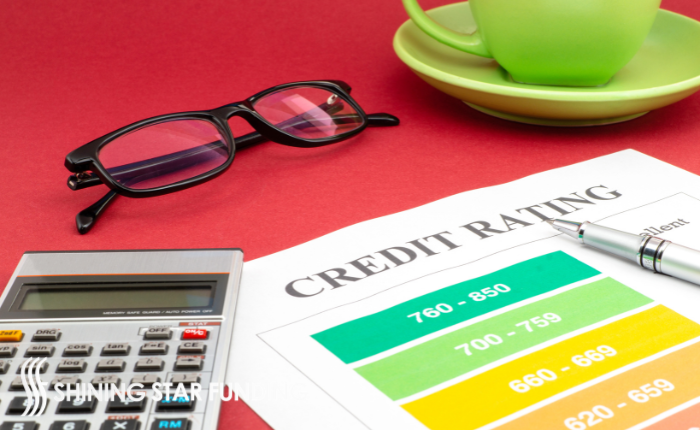
Errors on a credit report can affect far more than a credit score. They may influence mortgage approvals, interest rates, insurance applications, rental opportunities, and even investment financing. For first-time homebuyers, self-employed borrowers, retirees, and real estate investors, inaccurate information can create unnecessary financial obstacles, especially when figuring out how to get a mortgage.
That is why learning how to dispute credit report errors is an important part of protecting your financial health. Incorrect late payments, accounts that do not belong to you, duplicate balances, or fraudulent activity can lower your score and make borrowing more expensive. Reviewing comprehensive Homebuyer Resources early can give you the structural knowledge needed to clean up your profile.
Fortunately, federal law gives consumers the right to challenge inaccurate information and request corrections from credit reporting companies and creators. Whether you need to file an equifax dispute, dispute transaction records, or understand what happens when you dispute a charge, knowing the proper process can help you resolve issues more effectively. For instance, addressing outdated personal details or unusual addresses is vital, as outlined in Investopedia’s credit dispute commentary.
Why Credit Report Errors Matter
Your credit report is one of the primary tools lenders use to evaluate your financial reliability. Mortgage lenders, landlords, insurance providers, and creditors often review your report before approving applications.
Even small mistakes may impact:
- Mortgage approval chances
- Interest rates
- Credit card applications
- Refinancing opportunities
- Rental approvals
- Insurance premiums
For consumers preparing for major real estate purchases or financial investments, correcting inaccurate information early can improve financial flexibility and reduce borrowing costs before applying for a conventional loan.
How Do I Dispute An Error On My Credit Report?
The process to dispute credit report inaccuracies usually involves two important steps:
- Disputing the information with the credit reporting company
- Disputing the information with the company that supplied the information
Both steps are important because the credit bureau and the original creditor each play different roles in the reporting process.
First, Dispute The Information With The Credit Reporting Company
If you discover inaccurate information, contact the credit reporting companies directly. Each bureau allows consumers to file disputes online, by mail, or by phone.
When filing a dispute, provide clear details about the error and include supporting documentation whenever possible.
Examples of supporting documents may include:
- Bank statements
- Payment confirmations
- Identity theft reports
- Account statements
- Court records
- Correspondence with creditors
Once a dispute is submitted, the credit bureau generally investigates the claim and contacts the company that reported the information.
Equifax
An equifax dispute allows consumers to challenge inaccurate information appearing on their Equifax credit report.
Common reasons consumers dispute Equifax entries include:
- Incorrect balances
- Accounts belonging to another person
- Duplicate accounts
- Late payments reported inaccurately
- Fraudulent accounts
To dispute Equifax information effectively:
- Review your report carefully
- Identify each inaccurate item
- Gather documentation
- Submit the dispute clearly and accurately
- Track responses and updates
Many borrowers preparing for mortgage applications choose to dispute Equifax errors early because lenders often review all major credit reports during underwriting. You may also want to verify: does getting preapproved hurt your credit?


Experian
Experian also allows consumers to file disputes regarding incorrect account information, payment history, or identity-related errors.
When disputing with Experian, it helps to:
- Explain the issue in detail
- Include account numbers
- Provide copies of relevant records
- Keep copies of all communications
Consumers should avoid sending original documents and instead submit copies for recordkeeping purposes.
TransUnion
TransUnion provides consumers with options to dispute inaccurate credit report items online or through written requests.
Errors commonly disputed include:
- Identity theft accounts
- Incorrect credit limits
- Wrong payment statuses
- Closed accounts marked as open
- Incorrect personal information
Because lenders may pull reports from multiple bureaus, reviewing and correcting all reports is often recommended before applying for financing. Learning to shop for a mortgage without hurting your credit score can safeguard your hard work.
Then, Dispute The Information With The Company That Provided It
After contacting the credit bureaus, consumers should also contact the company that originally reported the information.
This could include:
- Credit card issuers
- Loan servicers
- Collection agencies
- Auto lenders
- Medical billing companies
Creditors are responsible for reporting accurate information to the credit bureaus. If you believe the reported information is incorrect, you have the right to challenge it directly with the provider.
When disputing with the company:
- Explain the error clearly
- Include copies of evidence
- Request written confirmation of corrections
- Maintain organized records of communication
If the creditor agrees the information is inaccurate, they may notify the credit bureaus and request updates to your report.
What Happens When You Dispute A Charge?
Many consumers ask what happens when you dispute a charge, especially when dealing with fraudulent purchases or billing errors.
When you dispute transaction activity on a credit card or account, the creditor typically launches an investigation to determine whether the charge is valid.
The process may include:
- Reviewing transaction details
- Contacting the merchant
- Verifying receipts or signatures
- Examining fraud indicators
- Determining liability
Depending on the situation, the disputed charge may be temporarily removed while the investigation takes place.
If the investigation confirms fraud or error, the charge may be permanently reversed. If the creditor determines the charge was legitimate, the balance may remain on the account.
Understanding what happens when you dispute a charge can help consumers respond quickly to suspicious account activity and protect their financial standing.
How Long Does A Credit Report Dispute Take?
Most credit reporting companies investigate disputes within approximately 30 days after receiving a request.
During the investigation:
- The bureau reviews submitted evidence
- The creditor verifies account information
- Records are updated if errors are confirmed
Once the investigation is completed, consumers usually receive written results explaining the outcome.
If corrections are made, updated reports should reflect the changes.
Tips To Strengthen Your Credit Dispute
Keep Detailed Records
Maintain copies of all letters, dispute forms, statements, and supporting documentation.
Use Clear Explanations
Provide concise descriptions of the issue and identify specific accounts or transactions.
Submit Supporting Documents
Evidence increases the likelihood of successful corrections.
Review All Three Credit Reports
An error appearing on one report may also appear on another bureau’s report.
Monitor Your Credit Regularly
Frequent monitoring helps detect fraudulent activity or reporting mistakes earlier.
What If The Credit Bureau Rejects My Dispute?
If a dispute is denied, consumers still have several options.
Request Additional Investigation
You may submit new evidence or clarify details that support your claim.
Add A Consumer Statement
Consumers can request that a statement explaining the dispute be added to their report.
Contact Regulatory Agencies
If problems continue, filing complaints with consumer protection agencies may help escalate unresolved issues.
Submit A Complaint
If you believe a credit bureau or creditor failed to investigate properly, you can submit a complaint to consumer protection authorities.
Complaints may help address:
- Incomplete investigations
- Repeated inaccurate reporting
- Identity theft concerns
- Failure to correct confirmed errors
When submitting a complaint, include:
- Copies of dispute letters
- Supporting documents
- Investigation responses
- Timelines of communication
Organized documentation often improves the complaint review process.
How Credit Report Disputes Affect Homebuyers And Investors
Correcting inaccurate credit information can significantly impact mortgage eligibility and borrowing costs.
For homebuyers and real estate investors, cleaner credit reports may help:
- Improve credit scores
- Reduce interest rates
- Increase financing opportunities
- Strengthen refinancing options
- Improve loan approval odds
Self-employed borrowers and retirees may especially benefit from accurate credit reporting because lenders often review financial stability closely when evaluating nontraditional income sources. To model how a higher score impacts your payments, leverage our interactive mortgage calculators and view real-time mortgage rates. When your reports are clean, you can immediately apply now to lock in your optimal mortgage program.
Final Thoughts On How To Dispute Credit Report Errors
Learning how to dispute credit report inaccuracies is an important financial skill for anyone planning major purchases or long-term investments. Errors can happen for many reasons, including clerical mistakes, outdated information, identity theft, or incorrect account reporting.
By reviewing your reports regularly, filing disputes promptly, and maintaining organized records, you can protect your financial reputation and improve future borrowing opportunities.
Whether you need to dispute Equifax information, file an equifax dispute regarding incorrect balances, dispute transaction activity, or understand what happens when you dispute a charge, taking action quickly can help preserve your financial health and support your long-term goals.
Frequently Asked Questions
Absolutely. If the same error appears across all three bureaus, you must file a separate dispute with each one. They do not share dispute information with one another automatically. For first-time homebuyers, checking all three is a vital part of the “preparing to buy” phase to ensure no surprises arise during the mortgage application.
Yes. After you dispute the information with the credit reporting company, you should also dispute the information with the company that provided it. Under the Fair Credit Reporting Act, companies that provide data to bureaus have a legal obligation to investigate your dispute and notify the bureaus if they find the data was indeed inaccurate.
If you see a double-reported debt, you should file a dispute transaction notice with both the credit bureau and the lender (the furnisher). Point out the identical account numbers, balances, and dates to show that one “trade line” is actually a duplicate. This is a common error that can unnecessarily inflate your debt-to-income ratio.
To begin, you must identify the specific error on your report. You should file a formal dispute with the credit reporting company—Equifax, Experian, or TransUnion—that is displaying the inaccurate information. Most experts recommend doing this in writing or via their official online portals, providing clear evidence for why the information is incorrect.
Typically, the credit reporting company must investigate and respond to you within 30 days. If you provide additional information during the investigation, they may get an extra 15 days. Once the investigation is complete, they must give you the results in writing and a free copy of your credit report if the dispute results in a change.
When you dispute equifax records, precision is key. If you are a self-employed home buyer or a real estate investor, documentation is your best friend. Sending a certified letter with a return receipt requested provides a legal paper trail that online submissions sometimes lack, which is helpful if you need to prove you are actively cleaning up your credit while preparing to buy.
If the bureau verifies the information as accurate but you still disagree, you can submit a complaint to the Consumer Financial Protection Bureau (CFPB). You can also ask the credit bureau to include a “statement of dispute” in your file. This brief summary will be visible to anyone who pulls your credit in the future, such as lenders for real estate investments, explaining your side of the situation.
Many people ask what happens when you dispute a charge or account that isn’t theirs. The credit bureau generally has 30 days to investigate. They contact the furnisher of the data, who must then investigate and report back. If the charge cannot be verified as yours, the bureau must delete it from your report.
The first step for an equifax dispute is to pull your latest report to ensure the error is current. You can then submit your claim through the Equifax online dispute portal or via mail. You must clearly identify the item you are questioning, explain why it is wrong, and include copies of any documents that support your claim.
Include your contact information, a clear identification of each error (such as an account number), a concise explanation of the mistake, and copies of supporting documents (like a letter from a creditor or a bank statement). Avoid sending original documents; only send copies.

527 Sycamore Valley Rd W, Danville, CA 94526
Toll Free Call : (866) 280-0020
For informational purposes only. No guarantee of accuracy is expressed or implied. Programs shown may not include all options or pricing structures. Rates, terms, programs and underwriting policies subject to change without notice. This is not an offer to extend credit or a commitment to lend. All loans subject to underwriting approval. Some products may not be available in all states and restrictions may apply. Equal Housing Opportunity.
Interactive calculators are self-help tools. Results received from this calculator are designed for comparative and illustrative purposes only, and accuracy is not guaranteed. Shining Star Funding is not responsible for any errors, omissions, or misrepresentations. This calculator does not have the ability to pre-qualify you for any loan program or promotion. Qualification for loan programs may require additional information such as credit scores and cash reserves which is not gathered in this calculator. Information such as interest rates and pricing are subject to change at any time and without notice. Additional fees such as HOA dues are not included in calculations. All information such as interest rates, taxes, insurance, PMI payments, etc. are estimates and should be used for comparison only. Shining Star Funding does not guarantee any of the information obtained by this calculator.
Privacy Policy | Accessibility Statement | Term of Use | NMLS Consumer Access
CMG Mortgage, Inc. dba Shining Star Funding, NMLS ID# 1820 (www.nmlsconsumeraccess.org, www.cmghomeloans.com), Equal Housing Opportunity. Licensed by the Department of Financial Protection and Innovation (DFPI) under the California Residential Mortgage Lending Act No. 4150025. To verify our complete list of state licenses, please visit www.cmgfi.com/corporate/licensing