
Energy Efficient Mortgage Explained: How Green Home Loans Reduce Costs in Homeownership
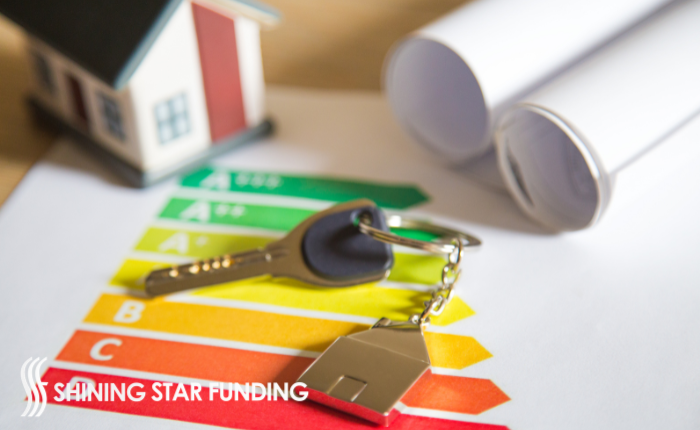
Rising energy costs and growing awareness of sustainability have reshaped how people think about housing. Today, buyers are not only focused on location and affordability but also on long-term efficiency. This is where the energy efficient mortgage comes into play.
For those exploring homeownership, especially first-time buyers and long-term investors, understanding how energy-saving financing works can unlock new opportunities. These programs, often referred to as eem mortgage options or green home loans, allow buyers to finance both a home and energy upgrades in a single loan.
This approach is becoming increasingly popular among energy efficient mortgage lenders who support environmentally conscious housing decisions while helping reduce long-term utility costs. To evaluate your expected monthly budget with these upgrades, you can utilize our interactive portfolio of online mortgage calculators.
What Is an Energy Efficient Mortgage?
An energy efficient mortgage is a type of home loan that allows borrowers to include the cost of energy-efficient upgrades in their mortgage. These improvements can make a home more comfortable, reduce utility bills, and increase overall property value.
Instead of taking out separate financing for upgrades, the energy efficient loan combines both the home purchase and improvements into one structure. Discovering these pathways is a vital step when learning how to get a mortgage that aligns perfectly with your sustainability goals.
This makes it especially attractive in homeownership planning, where long-term affordability is just as important as upfront cost. You can easily view current market pricing metrics directly on our real-time rates page to see how current shifts might influence your buying power.
Pros and Cons of an Energy-Efficient Mortgage
Pros
- Lower long-term utility costs
- Single mortgage payment for home and upgrades
- Increased home value over time
- Access to modern, energy-saving technology
For buyers focused on homeownership, these benefits can make homes more affordable in the long run despite slightly higher loan amounts upfront.
Cons
- Higher initial loan balance
- Additional paperwork and appraisal requirements
- Not all properties qualify
- Limited availability of specialized lenders
Working with energy efficient mortgage lenders is important because not all financial institutions offer these specialized programs.
Types of Energy-Efficient Mortgage Programs
Several government-backed and conventional programs support energy-efficient financing. Each has its own rules and benefits.
FHA Loan Energy-Efficient Mortgage Program
The FHA energy efficient mortgage program allows borrowers to finance energy-saving improvements as part of an FHA loan. It is widely used due to flexible credit requirements.
What Do FHA EEMs Finance?
- Insulation upgrades
- Energy-efficient windows and doors
- Heating and cooling system improvements
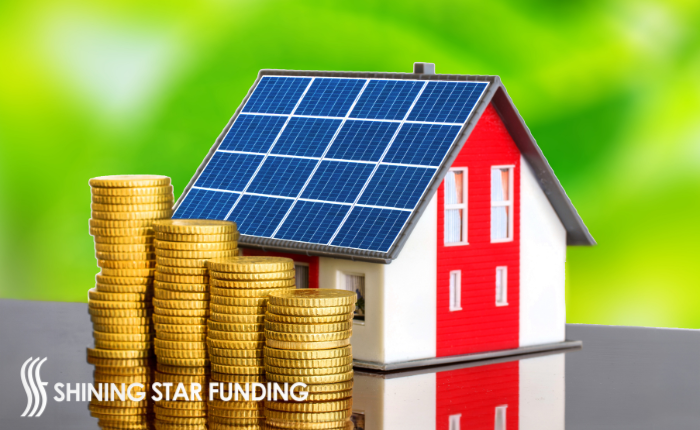
- Solar panels and renewable energy systems
This makes FHA EEMs a strong option for first-time buyers entering homeownership with limited upfront capital. It stands as an excellent alternative to an adjustable-rate mortgage for those who favor absolute interest rate stability.
VA Loan Energy-Efficient Mortgage Program
The VA EEM program is designed for eligible veterans and service members. It allows borrowers to finance energy improvements alongside their VA home loan.
What Do VA EEMs Finance?
- Weatherization improvements
- Energy-efficient HVAC systems
- Insulation and ventilation upgrades
- Renewable energy installations
VA borrowers benefit from competitive terms while improving long-term home efficiency.
USDA Single Family Housing Guaranteed Loan Program
The USDA program supports rural homebuyers and can include energy-efficient upgrades when they meet program guidelines.
It is particularly useful for buyers in rural homeownership markets who want lower utility costs in areas with extreme temperatures.
Conventional Energy-Efficient Mortgage Programs
Conventional lenders also offer eem mortgage options through programs supported by government-sponsored enterprises.
What Do Fannie Mae EEMs Finance?
- Home energy audits
- Insulation and efficiency improvements
- High-efficiency appliances
- Solar and renewable systems
These programs expand access to green home loans for a wide range of buyers, including investors and second-home purchasers.
EEM Eligibility Requirements
Eligibility for an energy efficient mortgage depends on the loan type, but most programs require:
- A qualified home energy assessment
- Verified cost-benefit improvements
- Property appraisal approval
- Compliance with loan program guidelines
For those in homeownership planning, meeting these requirements ensures that upgrades provide measurable savings.
Is an EEM Right for You?
An energy efficient mortgage is not ideal for everyone, but it can be a powerful tool under the right circumstances.
It may be a good fit if:
- You plan to stay in the home long-term
- You want to reduce monthly utility expenses
- You are purchasing an older or inefficient property
- You want to increase home resale value
It may not be suitable if:
- You are focused on a short-term investment
- You prefer minimal loan complexity
- You do not plan to upgrade the property
In homeownership decisions, balancing upfront costs with long-term savings is key.
Alternatives to an EEM
If an eem mortgage is not the right fit, there are other financing options available.
Home Equity Loans and Lines of Credit
These allow homeowners to borrow against existing equity to fund upgrades. They are flexible but require ownership history.
Personal Loans
Unsecured personal loans can be used for smaller energy upgrades but typically come with higher interest rates.
Complementary FHA Options
Some FHA programs allow renovation financing that can be used alongside energy improvements, offering additional flexibility for buyers entering homeownership. For instance, the standard FHA 203b program can serve as a foundational choice for standard acquisitions before layer additions.
Benefits of Green Home Loans in Modern Housing
Green home loans are becoming more popular as energy costs rise and sustainability becomes a priority. These loans support both environmental and financial goals.
- Lower monthly utility bills
- Improved indoor comfort
- Reduced environmental impact
- Higher long-term property value
For buyers working with energy efficient mortgage lenders, these benefits can make homeownership more affordable over time.
Final Thoughts
An energy efficient mortgage offers a unique opportunity to combine home financing with long-term savings. Whether through FHA, VA, USDA, or conventional programs, these loans make it easier to invest in energy upgrades without separate financing.
For those exploring homeownership, especially in today’s evolving housing market, an eem mortgage can help reduce costs, improve comfort, and increase property value.
While not every buyer will need an energy efficient loan, understanding how green home loans work ensures you can make informed decisions that align with both your financial goals and lifestyle priorities. When you are ready to explore your lending options, you can complete our secure digital application via our Apply Now portal.
Frequently Asked Questions
Fannie Mae and Freddie Mac offer conventional options like the Fannie Mae HomeStyle® Energy mortgage. These are ideal for borrowers who want to avoid the insurance premiums associated with FHA loans.
The FHA EEM program is one of the most popular options. It allows you to add the cost of energy-efficient improvements to an FHA-insured mortgage without needing a larger down payment.
Like any financial product, green home loans come with trade-offs: Pros include lower utility bills, increased home comfort, higher resale value, and the ability to qualify for a larger loan because lenders factor in your future energy savings. Cons include a longer application process; you’ll likely need a professional energy audit (HERS report), and there are strict limits on how much you can borrow for upgrades.
There isn’t just one energy efficient loan; there are several tailored to different types of borrowers: FHA EEMs are great for those with lower credit scores or smaller down payments. VA EEMs are exclusive to veterans and active-duty military. Conventional EEMs are best for those with higher credit scores and more equity. USDA Loans are specific to rural homeownership and rehabilitation.
While not a standalone “EEM” in the traditional sense, the USDA Single Family Housing Guaranteed Loan Program allows rural borrowers to include the cost of repairs and “pro-energy” rehabilitation in their purchase loan. This is an excellent way to secure a green home loan with 0% down in qualifying rural areas.
The VA EEM is a fantastic benefit for veterans. It allows you to increase your loan amount to cover energy-related improvements when you buy an existing home or refinance.
FHA EEMs typically cover “cost-effective” upgrades, meaning the money saved on energy must exceed the cost of the improvements over time. Common projects include new insulation and duct sealing, energy-efficient windows and doors, high-efficiency HVAC systems, water heaters and solar panels.
Fannie Mae’s program is versatile. Beyond standard insulation and HVAC, it can finance solar, wind, or geothermal power systems, radon remediation and water efficiency repairs, and the payoff of existing PACE (Property Assessed Clean Energy) loans.
The VA specifically allows for upgrades like thermal windows and storm doors, attic and floor insulation, heat pumps and vapor barriers, solar heating or cooling systems. Borrowers can typically add up to $3,000 to their loan based solely on the cost of the upgrades, or up to $6,000 if the energy savings cover the increase in the mortgage payment.
An energy efficient mortgage, or eem mortgage, is a specialized loan product that allows homeowners to finance the cost of energy-saving improvements directly into their primary mortgage. Instead of taking out a high-interest credit card or a separate loan for upgrades, an EEM rolls those costs into one manageable monthly payment at a mortgage-level interest rate.

527 Sycamore Valley Rd W, Danville, CA 94526
Toll Free Call : (866) 280-0020
For informational purposes only. No guarantee of accuracy is expressed or implied. Programs shown may not include all options or pricing structures. Rates, terms, programs and underwriting policies subject to change without notice. This is not an offer to extend credit or a commitment to lend. All loans subject to underwriting approval. Some products may not be available in all states and restrictions may apply. Equal Housing Opportunity.
Interactive calculators are self-help tools. Results received from this calculator are designed for comparative and illustrative purposes only, and accuracy is not guaranteed. Shining Star Funding is not responsible for any errors, omissions, or misrepresentations. This calculator does not have the ability to pre-qualify you for any loan program or promotion. Qualification for loan programs may require additional information such as credit scores and cash reserves which is not gathered in this calculator. Information such as interest rates and pricing are subject to change at any time and without notice. Additional fees such as HOA dues are not included in calculations. All information such as interest rates, taxes, insurance, PMI payments, etc. are estimates and should be used for comparison only. Shining Star Funding does not guarantee any of the information obtained by this calculator.
Privacy Policy | Accessibility Statement | Term of Use | NMLS Consumer Access
CMG Mortgage, Inc. dba Shining Star Funding, NMLS ID# 1820 (www.nmlsconsumeraccess.org, www.cmghomeloans.com), Equal Housing Opportunity. Licensed by the Department of Financial Protection and Innovation (DFPI) under the California Residential Mortgage Lending Act No. 4150025. To verify our complete list of state licenses, please visit www.cmgfi.com/corporate/licensing