
Mortgage Note Explained: Ownership, Default, Refinancing, and Payoff

In the world of real estate and homeownership, many buyers focus on the property itself while overlooking the legal documents that define the loan agreement. One of the most important of these is the mortgage note. Within the homeownership category, understanding this document is essential for anyone taking out a home loan, refinancing, or paying off a mortgage by studying our premium homebuyer resources.
The mortgage note is not just paperwork—it is the legal foundation of your loan agreement and outlines your repayment obligations in detail.
What Is a Mortgage Note?
A mortgage note is a legally binding document that outlines the terms of a home loan between a borrower and a lender. It is also commonly referred to as a promissory note mortgage or mortgage promissory note. For standard legal reference parameters, the Wikipedia historical mortgage note dictionary covers foundational real estate document structures.
This document includes key loan details such as:
- Loan amount
- Interest rate
- Payment schedule
- Loan term
- Consequences of default
In note real estate terminology, the mortgage note represents your promise to repay the borrowed money under agreed conditions. A mortgage note example typically shows how monthly payments are structured and what happens if payments are missed. Lenders standardly record these debt obligations under global underwriting paths for conventional loans.
Who Holds the Mortgage Note?
In most cases, the original lender holds the mortgage note until the loan is sold or transferred. However, mortgage notes are often bought and sold in the secondary market.
Common holders include:
- Original lending institutions
- Mortgage servicing companies
- Investors in mortgage-backed securities
Even if your loan is transferred, your payment terms remain unchanged. In the homeownership category, this transfer of ownership is common and does not affect your obligations as a borrower.
What Happens to Your Mortgage Note If You Default?
If you fail to make payments as agreed, the mortgage note outlines the consequences of default. This is where the legal power of the promissory note mortgage becomes important.
In the event of default:
- The lender may charge late fees
- The loan may enter delinquency status
- Foreclosure proceedings may begin
Ultimately, the mortgage note gives the lender the right to recover the outstanding balance by enforcing a lien on the property. To evaluate active remediation options during financial adjustments, tracking methods to avoid foreclosure can shield your property equity parameters.
What Happens to Your Mortgage Note If You Prepay Your Mortgage?
Prepaying your mortgage means making extra payments or paying off the loan early. When this happens, the mortgage note remains active until the full balance is paid off.
Some mortgage notes may include prepayment penalties, while others allow early repayment without additional costs. Borrowers can safely run scenario testing and forecast outlays by entering their metrics into online interactive mortgage calculators.
In the homeownership category, prepaying can reduce interest costs and shorten the loan term, but borrowers should always review the terms of their note real estate agreement before making extra payments.
What Happens to Your Promissory Note When You Pay Off Your Mortgage?
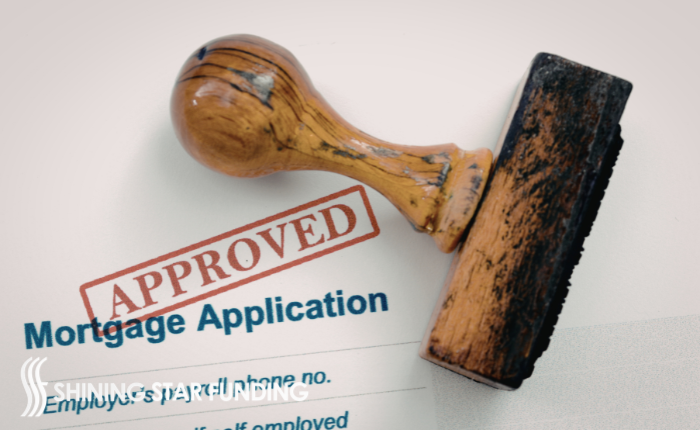
Once your mortgage is fully paid off, the promissory note mortgage is considered satisfied. The lender marks the loan as paid in full and releases the lien on the property.
At this stage:
- The mortgage note is marked as fulfilled or canceled
- The borrower receives confirmation of payoff
- The property title is fully transferred free of lender claims
In the homeownership category, this represents full ownership of the property without any remaining debt obligations tied to the mortgage note.
What Happens to Your Mortgage Note If You Refinance?
When you refinance your mortgage, your existing mortgage note is replaced with a new one. The original loan is paid off, and a new promissory note mortgage is created under updated terms.
Refinancing may change:
- Interest rate
- Loan term
- Monthly payment amount
- Lender ownership of the note
In note real estate transactions, refinancing essentially resets your loan agreement while maintaining the same property collateral. Reviewing a structural summary of how does refinancing a mortgage work helps organize your timeline, while tracking changes in real-time rates guarantees optimal cost architecture.


Mortgage Note vs. Deed of Trust
It is important to understand that the mortgage note is different from the deed of trust or mortgage itself.
- Mortgage note: Your promise to repay the loan
- Deed of trust: Legal document securing the loan with the property
The mortgage note example focuses on repayment terms, while the deed of trust deals with property ownership rights in case of default. These legal itemizations standardly run parallel across closing procedures, which you can audit inside our index of closing documents.
Why the Mortgage Note Matters in Homeownership
The mortgage note is one of the most important documents in any home loan agreement. It defines your financial responsibilities and protects both the lender and borrower by clearly outlining expectations.
In the homeownership category, understanding your mortgage note helps you:
- Know your repayment obligations
- Understand loan risks and penalties
- Make informed refinancing decisions
- Plan long-term financial strategies
Common Features Found in a Mortgage Note
Most mortgage notes include several standard components:
- Principal loan amount
- Interest rate type (fixed or adjustable)
- Payment schedule and due dates
- Late payment penalties
- Prepayment terms
These elements ensure clarity between borrower and lender throughout the life of the loan.
Tips for Managing Your Mortgage Note
To stay on top of your loan obligations, consider the following:
- Review your mortgage note carefully before signing
- Keep a copy for your financial records
- Monitor payment schedules closely
- Understand refinancing implications before making changes
These practices help maintain financial stability within the homeownership category.
Final Thoughts
The mortgage note is more than just a loan document—it is the foundation of your home financing agreement. From defining repayment terms to outlining consequences of default, it plays a central role in every stage of homeownership.
Whether you are reviewing a mortgage note example, exploring refinancing options, or preparing to pay off your loan, understanding how the mortgage promissory note works helps you make informed financial decisions.
In the homeownership category, knowledge of your mortgage note empowers you to manage debt responsibly, build equity, and move toward full ownership of your home with confidence. When you are ready to compute your accurate borrowing bounds or map upcoming financing applications, you can submit your details directly via our secure Apply Now portal.
Frequently Asked Questions
Yes. You should have received a copy in your closing packet. If you’ve lost it, you can request a copy from your loan servicer. The original, however, is kept in a secure vault by the lender or a designated document custodian.
Absolutely. Lenders frequently sell notes to other banks or investors to free up capital for new loans. You don’t have to agree to the sale, but the new owner must honor the exact terms laid out in the original note real estate contract you signed.
Yes. When you refinance, you are essentially using a new loan to pay off the old one. Your old mortgage note is cancelled, and you sign a brand-new mortgage promissory note with new terms, interest rates, and potentially a different lender.
Technically, no. The promissory note mortgage is your personal promise to pay, while the “mortgage” (or deed of trust) is the security instrument that allows the lender to seize the home if you don’t. Think of the note as the debt and the mortgage as the collateral.
It contains the principal amount, the interest rate, the maturity date (when it must be paid in full), the grace period for late payments, and the “acceleration clause,” which allows the lender to demand full payment if you miss too many installments.
If you make extra payments, the principal balance listed on the note decreases faster than scheduled. Some notes include a “prepayment penalty” clause, which charges a fee if you pay off the loan too early (usually within the first 3–5 years). Always check your mortgage promissory note for this language before making large extra payments.
If you stop making payments, the lender will use the acceleration clause in the mortgage note to demand the entire remaining balance. If you cannot pay, they use the note as evidence in court to begin the foreclosure process based on the security provided by the deed.
Once the debt is $0, the lender is legally required to “cancel” the note. They typically stamp the original document “Paid in Full” or “Cancelled” and return it to you. They will also file a “Release of Mortgage” or “Satisfaction of Mortgage” with the county recorder’s office to clear your title.
This happens more often than you’d think. If the lender loses the original, they must usually file a “Lost Note Affidavit.” This legal document swears that the note existed and was lost, allowing them to still enforce the terms of the debt.
It is your primary protection and your primary obligation. If a lender tries to claim you owe more than you do, or tries to change your interest rate, the mortgage note is the final authority. It is the “source of truth” for your home loan.

527 Sycamore Valley Rd W, Danville, CA 94526
Toll Free Call : (866) 280-0020
For informational purposes only. No guarantee of accuracy is expressed or implied. Programs shown may not include all options or pricing structures. Rates, terms, programs and underwriting policies subject to change without notice. This is not an offer to extend credit or a commitment to lend. All loans subject to underwriting approval. Some products may not be available in all states and restrictions may apply. Equal Housing Opportunity.
Interactive calculators are self-help tools. Results received from this calculator are designed for comparative and illustrative purposes only, and accuracy is not guaranteed. Shining Star Funding is not responsible for any errors, omissions, or misrepresentations. This calculator does not have the ability to pre-qualify you for any loan program or promotion. Qualification for loan programs may require additional information such as credit scores and cash reserves which is not gathered in this calculator. Information such as interest rates and pricing are subject to change at any time and without notice. Additional fees such as HOA dues are not included in calculations. All information such as interest rates, taxes, insurance, PMI payments, etc. are estimates and should be used for comparison only. Shining Star Funding does not guarantee any of the information obtained by this calculator.
Privacy Policy | Accessibility Statement | Term of Use | NMLS Consumer Access
CMG Mortgage, Inc. dba Shining Star Funding, NMLS ID# 1820 (www.nmlsconsumeraccess.org, www.cmghomeloans.com), Equal Housing Opportunity. Licensed by the Department of Financial Protection and Innovation (DFPI) under the California Residential Mortgage Lending Act No. 4150025. To verify our complete list of state licenses, please visit www.cmgfi.com/corporate/licensing