
New Construction Phase Inspection: Why Every New Build Needs Multiple Inspections
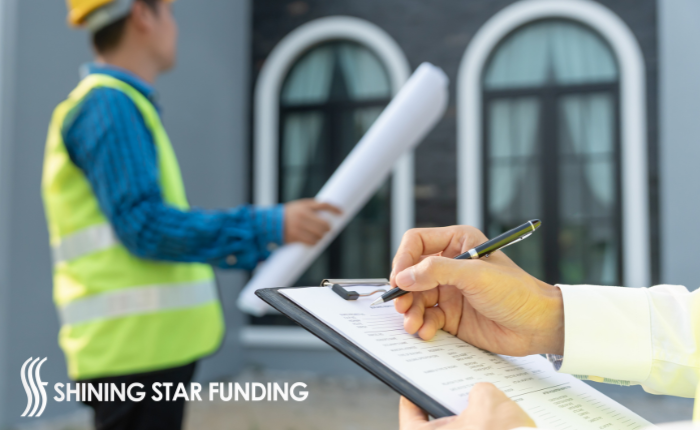
Buying a newly built home can feel exciting and reassuring. Everything is brand-new, modern, and designed with current building standards in mind. Still, even newly constructed homes can contain defects, overlooked safety issues, or installation problems that may become expensive later. That is why a new construction phase inspection plays such an important role in protecting buyers during the homeownership journey. Reviewing foundational databases via our central catalog of homebuyer resources can clarify these structural milestones before your project breaks ground.
Many first-time buyers assume that local building code inspections are enough to guarantee quality workmanship. In reality, municipal inspections mainly focus on minimum code compliance. A private new construction inspection provides another layer of protection by identifying problems before walls are sealed, systems are completed, or final finishes are installed.
For first-time buyers, retirees relocating to a new property, real estate investors, and self-employed buyers seeking long-term stability, understanding the value of home inspection new construction services can help prevent costly surprises after move-in.
What Is a New Construction Phase Inspection?
A new construction phase inspection is a series of inspections performed during different stages of building a newly constructed home. Instead of waiting until construction is complete, inspectors evaluate the property throughout the building process.
The goal of a new construction home inspection is to identify issues early, while repairs are easier and less expensive to correct. Problems discovered during construction can often be fixed before drywall, flooring, insulation, or finishes hide them from view.
A home inspection for new construction may uncover issues such as:
- Improper framing
- Roofing defects
- Electrical wiring concerns
- Plumbing installation problems
- HVAC system issues
- Foundation concerns
- Moisture intrusion risks
- Ventilation deficiencies
These inspections are typically performed by licensed professional home inspectors who specialize in new home building inspections.
Why New Construction Inspections Matter
Even experienced builders and contractors can make mistakes. Construction projects involve multiple teams working under deadlines, weather conditions, and supply challenges. Errors can happen at any stage.
A new construction inspection helps buyers verify that the home is being built correctly before final closing. Since many components become hidden during construction, phase inspections provide valuable visibility into the quality of the build. For residential properties funded via standard conventional loans, verifying structural execution helps preserve long-term asset valuations.
For people focused on long-term homeownership, catching issues early may help avoid future repair costs, insurance claims, or structural problems.
New home building inspections are especially useful because they create documentation of construction quality before the buyer officially takes possession of the property.
Phases of a New Construction Inspection Explained
Most home inspection new construction services include three primary inspection stages. Some inspectors may also offer additional specialty evaluations depending on the property type and local requirements.
1. Pre-Pour or Foundation Inspection
The first phase typically occurs before concrete is poured for the foundation. Inspectors evaluate site preparation and foundational elements before they become permanently covered.
This inspection may include footing placement, soil preparation, foundation reinforcement, drainage planning, moisture barriers, and anchor placement. Foundation problems can affect the long-term stability of a home, making this stage especially important for future homeownership security.
2. Pre-Drywall or Framing Inspection
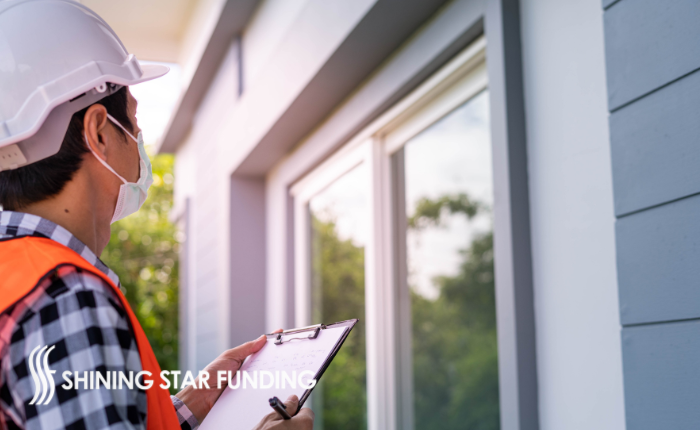
The framing stage is often considered one of the most valuable phases of a new construction home inspection. At this point, the home’s structure, wiring, plumbing, and HVAC systems remain visible before drywall installation.
During this stage, inspectors commonly examine wall framing, roof structure, electrical wiring installation, plumbing rough-ins, ductwork placement, window installation, and fire blocking safety features. Knowing exactly what the home inspector is looking for allows you to monitor these internal systems transparently before they are permanently closed off.
Because systems are still exposed, builders can usually address corrections more efficiently at this stage.
3. Final New Construction Inspection
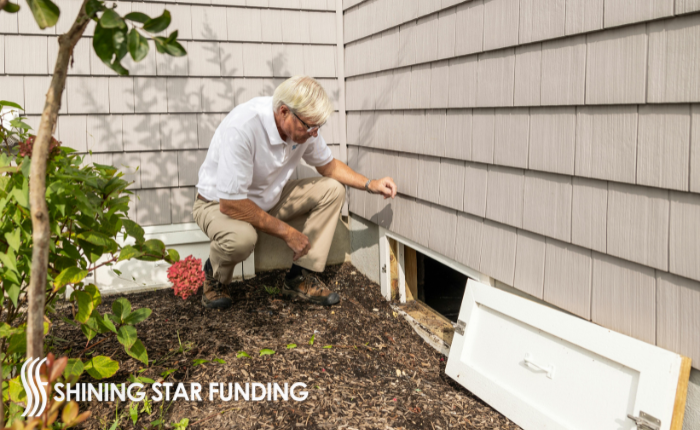
The final new construction inspection takes place when the property is nearly complete. This inspection resembles a traditional home inspection but focuses on verifying that the entire build was completed properly.
Inspectors may review the roof condition, appliance installation, electrical outlets, plumbing fixtures, heating and cooling units, exterior grading, and attic insulation. Inspectors also create a punch list of unfinished items or deficiencies requiring correction before closing. It is highly useful to cross-reference this list with your final closing documents to verify compliance parameters before execution.

Why New Construction Inspections Are Required
Many buyers wonder why a home inspection for new construction is necessary if the property already passed municipal inspections.
Local government inspections primarily focus on code compliance, which represents minimum legal safety standards. Municipal inspectors may spend limited time at each property and may not evaluate every detail of workmanship or installation quality. Industry research provided by the National Association of Realtors details why modern buyers routinely utilize third-party phase inspections to preserve asset viability during residential growth.
Private new home building inspections provide a more comprehensive review focused on the buyer’s interests rather than basic code approval.
In some areas, lenders, insurers, or warranty providers may also require certain inspection documentation before final approval.
From a homeownership perspective, inspections help buyers identify hidden defects early, reduce future repair expenses, improve long-term property value, verify construction quality, create documentation for warranty claims, and gain confidence before closing.
How Much Does a New Construction Phase Inspection Cost?
The cost of a new construction inspection depends on several factors, including property size, location, inspection scope, and regional market pricing.
| Inspection Type | Typical Cost Range |
|---|---|
| Foundation Inspection | $150 – $400 |
| Pre-Drywall Inspection | $300 – $600 |
| Final Inspection | $350 – $700 |
| Complete Multi-Phase Package | $800 – $1,500+ |
Luxury homes, larger properties, and custom builds may cost more due to increased inspection complexity.
Although inspections add upfront expenses, many buyers view them as valuable protection for long-term homeownership and investment preservation.
Who Pays for the Inspection?
In most cases, the buyer pays for the home inspection new construction service. Since the inspection is intended to protect the buyer’s interests, it is typically considered part of the buyer’s due diligence expenses.
Some builders may include certain quality assurance inspections internally, but independent inspections remain important because they provide an unbiased evaluation.
How to Order Phase Inspections on a New Build
Scheduling a new construction home inspection requires coordination with the builder and inspector throughout the construction timeline.
Research Qualified Inspectors
Look for licensed professionals experienced specifically in new construction inspection services. Inspectors familiar with modern building methods can often identify issues more effectively.
Review the Construction Timeline
Buyers should communicate with the builder to understand when each construction phase will occur.
Schedule Inspections Early
Because construction timelines move quickly, inspections should be scheduled several days in advance.
Attend the Inspection If Possible
Attending the inspection allows buyers to better understand the home’s systems, maintenance needs, and any concerns identified during construction.
Request Written Reports
Professional inspectors usually provide detailed reports with photos and recommendations. These reports can help buyers communicate necessary repairs to the builder.
Can Buyers Skip a New Construction Inspection?
Some buyers consider skipping inspections to save money or speed up closing. However, this can create significant risks.
Even newly built homes may contain hidden problems that are difficult to detect after move-in. Repairing structural, plumbing, roofing, or electrical issues later can become far more expensive than the cost of inspections.
Before finalizing your primary architectural milestones, you can test various financing layouts on our interactive mortgage calculators or track weekly index adjustments via our real-time mortgage rates grid. When you are fully prepared to lock in your long-term underwriting compliance, you can smoothly apply online now to launch your verification review parameters.
For anyone pursuing secure homeownership, inspections provide an important layer of protection during one of the largest financial decisions they may ever make.
Final Thoughts on New Construction Phase Inspections
A new construction phase inspection helps buyers verify that a newly built home meets quality expectations throughout each stage of construction. From foundation work to final walkthroughs, inspections provide valuable insight into the property before ownership officially transfers.
Whether purchasing a starter home, retirement property, rental investment, or custom-built residence, new home building inspections can help reduce risks and protect long-term value.
For buyers focused on successful homeownership, investing in a professional new construction inspection often provides peace of mind, stronger negotiating leverage, and greater confidence in the final property.
Frequently Asked Questions
Unless you are a licensed structural engineer or contractor, it is not recommended. Professional inspectors know exactly what to look for, such as specific nail patterns or moisture levels in the wood.
You can, but it’s risky. Foundation issues are the most expensive repairs a homeowner can face. Ensuring the steel reinforcement (rebar) is placed correctly is vital.
Yes. A warranty is for fixing things that break later; an inspection prevents things from being built incorrectly in the first place. It is much easier to fix a pipe before the walls are closed than after you’ve moved in.
It is not required, but it is highly recommended—especially for the pre-drywall phase—so the inspector can point out exactly how your home’s internal systems work.
Usually, this is an add-on service. Since many new homes are built airtight, testing for radon during the final phase is highly recommended.
No. Code inspectors work for the city and check for minimum safety standards. Private inspectors work for you and check for quality of workmanship and adherence to best practices.
Most reputable builders will address items found in an inspection. If they refuse, you may need to consult your contract to see what your rights are regarding “dispute resolution” or “workmanship warranties.”
This is the final cosmetic inspection where you use blue painter’s tape to mark scuffs on walls or chipped tiles. While important, it is separate from the technical new construction home inspection.
Ideally, you should hire them as soon as you break ground. This allows them to get on the schedule and review your blueprints early.
Rarely. If you coordinate the timing correctly, an inspector is usually on and off the site in a few hours.

527 Sycamore Valley Rd W, Danville, CA 94526
Toll Free Call : (866) 280-0020
For informational purposes only. No guarantee of accuracy is expressed or implied. Programs shown may not include all options or pricing structures. Rates, terms, programs and underwriting policies subject to change without notice. This is not an offer to extend credit or a commitment to lend. All loans subject to underwriting approval. Some products may not be available in all states and restrictions may apply. Equal Housing Opportunity.
Interactive calculators are self-help tools. Results received from this calculator are designed for comparative and illustrative purposes only, and accuracy is not guaranteed. Shining Star Funding is not responsible for any errors, omissions, or misrepresentations. This calculator does not have the ability to pre-qualify you for any loan program or promotion. Qualification for loan programs may require additional information such as credit scores and cash reserves which is not gathered in this calculator. Information such as interest rates and pricing are subject to change at any time and without notice. Additional fees such as HOA dues are not included in calculations. All information such as interest rates, taxes, insurance, PMI payments, etc. are estimates and should be used for comparison only. Shining Star Funding does not guarantee any of the information obtained by this calculator.
Privacy Policy | Accessibility Statement | Term of Use | NMLS Consumer Access
CMG Mortgage, Inc. dba Shining Star Funding, NMLS ID# 1820 (www.nmlsconsumeraccess.org, www.cmghomeloans.com), Equal Housing Opportunity. Licensed by the Department of Financial Protection and Innovation (DFPI) under the California Residential Mortgage Lending Act No. 4150025. To verify our complete list of state licenses, please visit www.cmgfi.com/corporate/licensing