
Buying A Townhouse

Mastering the Move: The Ultimate Roadmap for Buying a Townhouse
The journey toward homeownership is one of the most significant transitions in a person’s life, and for many, the path leads directly to the front door of a stylish, multi-level row home. Choosing to buy townhouse property offers a unique middle ground between the low-maintenance lifestyle of a condo and the expansive privacy of a detached single-family home. Whether you are a young professional, a growing family, or a retiree looking to downsize without losing the feeling of a “real” house, the process requires careful thought and strategic planning. When you begin preparing to buy, you are not just looking for a roof over your head; you are looking for a community and a financial asset that fits your lifestyle.
Buying a House: A Step-by-Step Guide
Navigating the real estate market can feel like a whirlwind, but breaking the process down into manageable phases ensures that no detail is overlooked. While the structure might be different, the fundamental steps of buying a townhouse mirror the traditional path to homeownership, with a few specific nuances related to homeowners associations (HOAs) and shared walls.
Determine Why You Want to Buy
Before you start browsing listings, it is essential to define your motivations. Are you looking for a townhouse as a first home to escape the “rent trap”? Or perhaps you are a real estate investor seeking a property with high rental demand and lower exterior maintenance costs? Townhouses are popular because they often provide more square footage than a condo but come at a more accessible price point than a standalone house. Ask yourself if you are comfortable with shared walls and if you value having a small private outdoor space without the burden of a massive yard to mow.
Check Your Credit Score
Your financial health is the engine that drives your purchase. In the early stages of preparing to buy, you should pull your credit reports from all three major bureaus. Lenders use your credit score to determine your interest rate and loan eligibility. For self employed home buyers, this step is particularly critical, as you may need to provide additional documentation to prove income stability. A higher score not only makes the process smoother but can save you tens of thousands of dollars over the life of the loan.
Save for a Down Payment
While the 20% down payment is the gold standard for avoiding private mortgage insurance (PMI), many first-time homebuyers successfully purchase with much less. There are various programs that allow for down payments as low as 3% or 3.5%. However, remember that the more you put down, the lower your monthly obligation will be. Asset-rich individuals seeking for real estate investments might choose to put more down to ensure the property “cash flows” immediately if they intend to rent it out.
Create a Housing Budget
Knowing how much you can afford is different from knowing how much a lender will give you. Your housing budget must account for the principal and interest, but when you buy townhouse units, you must also factor in monthly HOA fees. These fees cover common area maintenance, trash removal, and sometimes even water or cable. Ensure your total monthly debt-to-income ratio remains within a comfortable range so you don’t become “house poor.”
Shop for a Mortgage
Don’t settle for the first quote you receive. Different lenders offer varying rates and closing cost structures. Get pre-approved before you start house-hunting so that sellers know you are a serious and qualified buyer. This is a vital part of preparing to buy because it gives you a clear ceiling for your search and strengthens your negotiating position in competitive markets.

Hire a Local Real Estate Agent
A local expert is your greatest ally. Look for an agent who understands the specific townhouse developments in your desired area. They will know which communities have healthy HOA reserves and which ones might be facing pending special assessments. A good agent will guide you through the paperwork and advocate for your interests from the first showing to the final signature.
Go House-Hunting
This is the exciting part! When you go out to buy townhouse properties, look beyond the staging. Check the condition of the shared amenities, the availability of guest parking, and the noise levels from neighboring units. If you are considering a townhouse as a first home, think about your five-year plan. Will the layout accommodate a home office or a growing family?
Make an Offer
Once you find the right fit, your agent will help you draft a competitive offer based on comparable sales in the area. In a seller’s market, you may need to be prepared for a bidding war, while in a buyer’s market, you might have room to ask for concessions.
Get a Home Inspection
Never skip the inspection. Even though the HOA might be responsible for the roof and exterior, you need to know the condition of the HVAC, plumbing, electrical, and interior structure. For those wondering should i buy a townhome, the inspection report provides the clarity needed to move forward with confidence or walk away if major issues are uncovered.
Negotiate Repairs and Credits
If the inspection reveals problems, you can ask the seller to fix them or provide a credit at closing so you can handle the repairs yourself. This is a delicate phase of the negotiation where your real estate agent’s expertise becomes invaluable.
Secure Your Financing
After the offer is accepted, your lender will begin the formal underwriting process. They will order an appraisal to ensure the home’s value matches the purchase price. Avoid making any large purchases or opening new credit cards during this time, as it could jeopardize your final loan approval.
Do a Final Walk-Through
A day or two before closing, you will visit the property one last time. Ensure that all agreed-upon repairs were made, the seller has moved out, and the home is in the same condition it was when you made the offer.
Close on Your House
At the closing table, you will sign a mountain of legal documents, pay your closing costs and down payment, and finally receive the keys to your new home. Congratulations, you have successfully navigated the process of how to buy a townhouse!
Other Things to Consider
Beyond the step-by-step mechanics, there are nuanced factors that define the townhouse experience. Many people ask, can you buy a townhouse and treat it exactly like a single-family home? The answer is: mostly, but with caveats.
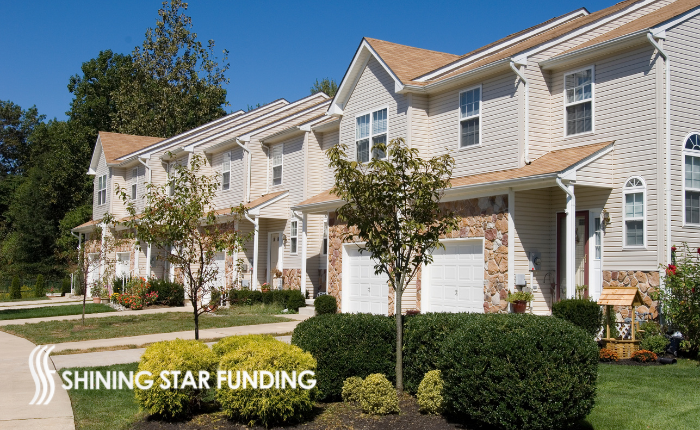
The Role of the HOA
The Homeowners Association is a defining feature of most townhome communities. While the fees might seem like an extra burden, they often cover expensive items like roof replacement and exterior painting. When researching how to buy a townhouse, always ask to review the HOA’s financial statements and meeting minutes. You want to see that they have a healthy reserve fund to avoid “special assessments”—unplanned fees charged to homeowners for major repairs.
Privacy and Noise
Shared walls are the reality of townhouse living. Modern construction often includes firewalls and soundproofing, but you will still be living in closer proximity to neighbors than in a detached home. If you are a retiree seeking peace and quiet, look for end-unit townhouses, which only share one wall and often have extra windows for natural light.
Resale Value and Appreciation
For real estate investors, townhouses are excellent assets because they tend to appreciate steadily. They are often located in “walkable” areas near urban centers or high-quality school districts. As a first-time homebuyer, buying a townhouse can be a strategic move, allowing you to build equity in a desirable area where a single-family home might be financially out of reach.

Conclusion: Is a Townhome Right for You?
Deciding to buy townhouse property is a lifestyle choice as much as a financial one. It offers a sense of community, a lower maintenance burden, and often a better location for the price. By following a disciplined approach and focusing on your financial readiness, you can turn the dream of homeownership into a reality. Whether you are browsing your first listing or signing your final closing papers, the effort you put into the process today will pay dividends in the comfort and security of your new home for years to come.
FAQ's
Before you sign, read the HOA’s “Covenants, Conditions, and Restrictions” (CC&Rs). These rules can be strict—dictating what color you can paint your front door, whether you can have certain pets, or if you are allowed to rent out the unit in the future. If you are an investor, these rental restrictions are a make-or-break factor in your decision.
Closing is the final “finish line.” You will meet to sign a mountain of legal documents, including the deed and the mortgage note. You will also pay your remaining down payment and closing costs. Once the county records the deed, you will officially receive the keys. For those buying a townhouse as a first home, this is the moment your journey into homeownership officially begins.
The final walk-through usually happens 24 to 48 hours before closing. This is your last chance to ensure the seller has moved out, no new damage has occurred, and all agreed-upon repairs have been completed. Check that all appliances included in the sale are functioning correctly and that the home is in “broom-clean” condition.
Yes. Even if the HOA is responsible for the exterior, you are responsible for everything inside the walls. A professional inspector will check the plumbing, electrical systems, and HVAC. If the inspection reveals issues, you can negotiate repairs or ask for closing cost credits from the seller. This is a non-negotiable step in the process of how to buy a townhouse.
During your tours, pay close attention to soundproofing between the shared walls. Ask about the parking situation—is there a private garage, or is it street parking only? You should also observe the condition of the “common areas” like parks or pools, as their maintenance level is a direct reflection of how well the HOA is funded.
A local agent understands the “reputation” of specific townhouse developments. They can tell you which communities have high resale values and which ones have historically struggled with poorly managed HOAs. Your agent will also be your lead negotiator when it is time to make an offer and navigate the complexities of a multi-unit complex.
Your budget must go beyond the mortgage payment. When preparing to buy, you must factor in property taxes, homeowners insurance, and the monthly HOA fees. HOA fees are mandatory and can range from $100 to over $500 per month. These fees cover shared amenities and maintenance, so ensure your debt-to-income ratio can comfortably absorb these recurring costs.
The decision of “should i buy a townhome” depends on your lifestyle. A townhouse typically offers more privacy than a condo because you don’t have neighbors above or below you, and you often have a small private yard. Compared to a detached house, townhouses usually come with lower maintenance responsibilities, as the Homeowners Association (HOA) often handles exterior upkeep, such as roofing and landscaping.
Absolutely. In fact, many people choose a townhouse as a first home because they are often more affordable than detached single-family houses in the same neighborhood. This lower entry point allows first-time buyers to build equity faster. When asking, “can you buy a townhouse,” the answer is almost always yes, provided you have a stable income and a pre-approval letter from a lender in hand.
The initial phase of how to buy a townhouse is identical to any property acquisition: financial preparation. You must determine why you want to move and check your credit score immediately. A higher score translates to a lower interest rate, which can save you tens of thousands of dollars over the life of your loan. Once your credit is in shape, start saving for a down payment—while 20% is the gold standard to avoid private mortgage insurance, many programs allow for as little as 3.5% or 5% down.

527 Sycamore Valley Rd W, Danville, CA 94526
Toll Free Call : (866) 280-0020
For informational purposes only. No guarantee of accuracy is expressed or implied. Programs shown may not include all options or pricing structures. Rates, terms, programs and underwriting policies subject to change without notice. This is not an offer to extend credit or a commitment to lend. All loans subject to underwriting approval. Some products may not be available in all states and restrictions may apply. Equal Housing Opportunity.
Interactive calculators are self-help tools. Results received from this calculator are designed for comparative and illustrative purposes only, and accuracy is not guaranteed. Shining Star Funding is not responsible for any errors, omissions, or misrepresentations. This calculator does not have the ability to pre-qualify you for any loan program or promotion. Qualification for loan programs may require additional information such as credit scores and cash reserves which is not gathered in this calculator. Information such as interest rates and pricing are subject to change at any time and without notice. Additional fees such as HOA dues are not included in calculations. All information such as interest rates, taxes, insurance, PMI payments, etc. are estimates and should be used for comparison only. Shining Star Funding does not guarantee any of the information obtained by this calculator.
Privacy Policy | Accessibility Statement | Term of Use | NMLS Consumer Access
CMG Mortgage, Inc. dba Shining Star Funding, NMLS ID# 1820 (www.nmlsconsumeraccess.org, www.cmghomeloans.com), Equal Housing Opportunity. Licensed by the Department of Financial Protection and Innovation (DFPI) under the California Residential Mortgage Lending Act No. 4150025. To verify our complete list of state licenses, please visit www.cmgfi.com/corporate/licensing