
Single Family vs Multi Family Homes

Single Family vs Multi Family Homes: Which is the Right Move for Your Future?
Navigating the path toward homeownership in 2026 feels a bit like standing at a major intersection. On one side, you have the classic dream of a quiet suburban yard and a white picket fence. On the other, you have the modern strategy of using your primary residence as a wealth-generating engine. The choice between single family vs multi family homes is no longer just about square footage; it is about lifestyle, financial leverage, and long-term goals. As property values and interest rates find their new equilibrium, savvy buyers are looking closer at the structural differences of their potential investments to see which best fits their unique financial DNA.
Whether you are a first-time homebuyer trying to break into a competitive market, a retiree looking to downsize with an added income stream, or an asset-rich individual seeking for real estate investments, the decision carries heavy weight. For a self employed home buyer, the ability to offset a mortgage with rental income can be a total game-changer for loan approval. As we explore the category of homeownership, it becomes clear that there is no “one size fits all” answer. The best choice is the one that aligns with your capacity for management, your need for privacy, and your vision for your family’s future wealth. Understanding the single family dwelling meaning and how it stacks up against multi family real estate is the first step in making a confident, data-driven decision.
What is a Single Family Dwelling?
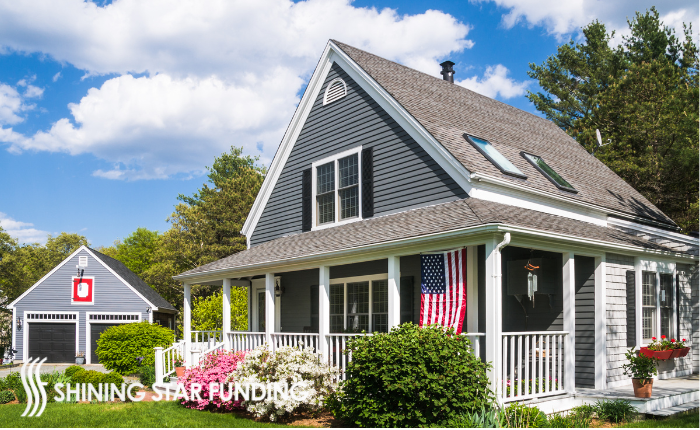
When most people think of a house, they are thinking of a single-family home. But what is the actual single family dwelling meaning in a legal and real estate context? A single-family home is a standalone structure built on its own parcel of land, designed to house one household. It does not share common walls or utilities with any other residence. In the world of single family home vs multi family home debates, the “single” refers to the intent: it is a private sanctuary intended for one group of residents.
The perks of this setup are obvious. You have total autonomy over the property—within the bounds of local zoning and HOA rules. There is no one living above you, below you, or through the wall. For retirees and families, this privacy is often the primary motivator. However, the trade-off is that the responsibility for all maintenance, from the roof to the sewer line, rests entirely on your shoulders. In the context of homeownership, the single-family home remains the most popular choice because it offers the highest level of control and the most traditional form of residential stability.

Understanding Multi-Family Residential Properties
Moving to the other side of the spectrum, we find multi family real estate. This category includes duplexes, triplexes, and fourplexes. Essentially, a multi-family home is a single building that contains multiple, separate housing units. Each unit has its own kitchen, bathroom, and entrance. From a financing perspective, any building with two to four units is still considered “residential,” meaning you can often use standard residential mortgage products to buy them, provided you plan to live in one of the units.
The strategy of “house hacking”—living in one unit while renting out the others—has become a cornerstone for real estate investors and first-time buyers in 2026. A multi-family residential property allows the owner to essentially have their tenants pay for a portion, or sometimes all, of their mortgage. This is a powerful tool for those entering the category of homeownership with a focus on rapid equity growth. However, it transforms you from just a “homeowner” into a “landlord,” a role that requires a different set of skills and a higher tolerance for interaction with others.
Analytical Comparison: The Key Differences
To help you decide between a single family home vs multi family home, it is helpful to look at how they perform across different categories of life and finance.
| Feature | Single Family Home | Multi Family Home |
|---|---|---|
| Privacy | High; no shared walls or shared common areas. | Moderate to Low; shared walls and potentially shared yards. |
| Cost of Entry | Generally lower for the structure itself. | Higher initial purchase price due to multiple units. |
| Income Potential | Zero (unless you rent a room or ADU). | High; consistent rental income from other units. |
| Maintenance | You handle everything; no shared costs. | Efficiencies of scale; one roof for multiple units. |
| Resale Value | Deep pool of buyers; high demand. | Pool of buyers is smaller (mostly investors). |
The Multi Dwelling Unit (MDU) Perspective
In the technical world of infrastructure and utilities, you might hear the term multi dwelling unit or MDU. This term is often used by cable, internet, and utility companies to describe properties where multiple households reside. For asset-rich individuals seeking for real estate investments, understanding the MDU landscape is vital because it affects how you manage the building. Will you provide “bulk” internet to all tenants? How are the water and electric meters split?
Managing a multi dwelling unit requires a bit more technical savvy. You have more appliances to maintain, more HVAC systems to service, and more potential for plumbing issues. However, the “per unit” cost of these repairs is often lower than if you owned three separate single-family houses. For someone well-versed in the category of homeownership, the MDU model represents a professionalized version of residential living that can lead to significant monthly cash flow once the mortgage is stabilized.
Financing: Single Family Home vs Multi Family Home
One of the most interesting aspects of 2026 real estate is how lenders view these properties. If you are a first-time homebuyer, you might find it *easier* to qualify for a more expensive duplex than a cheaper single-family home. Why? Because the lender will often count 75% of the projected rental income from the second unit toward your qualifying income. This is a massive advantage for a self employed home buyer who may have plenty of cash but a lower “on-paper” income due to business deductions.
However, multi family real estate often requires a higher down payment—usually 15% to 25%—if you are not planning to live in the building. If you *do* plan to live there (owner-occupant), you can still access low-down-payment programs, but be prepared for stricter inspections. The lender wants to ensure that all units in the multi-family residential structure are safe, functional, and up to code before they sign off on the loan.

Pros and Cons for Different Buyer Personas
- For Retirees: A single family dwelling offers the quiet and security many crave. However, a duplex allows a retiree to have a “live-in” income or even a space for a dedicated caregiver in the future.
- For Investors: Multi family real estate is the clear winner for scale. It is easier to manage four units under one roof than four houses spread across the city.
- For Families: The single family home vs multi family home debate usually ends with privacy. Most families prefer the yard and the lack of shared walls found in a traditional house.
- For Asset-Rich Individuals: Investing in high-end multi dwelling unit properties in urban cores can provide a hedge against inflation and a steady, tax-advantaged income stream.
Is a Multi-Family Home Right for You?
If you are considering the multi-family route, ask yourself if you are ready for the “three T’s”: Tenants, Toilets, and Trash. Being a landlord is a part-time job. You will be the one they call when a pipe bursts at 2:00 AM. If that sounds like a nightmare, you are better off stuck with the single family dwelling meaning of peace and quiet. But if you see those calls as the small price of admission for someone else paying off your mortgage, then multi-family is your path to financial freedom.
Summary: The Final Verdict
In the final analysis, the choice between single family vs multi family homes depends on your current season of life. There is a deep, emotional satisfaction that comes with a single-family home—the feeling of “this is mine and mine alone.” But there is a different, equally valid satisfaction in multi family real estate—the feeling of building an empire, one unit at a time. Both paths lead to successful homeownership; they just take different routes to get there.
As you move forward in 2026, keep your long-term vision in mind. Do you want a home that is a pure expense for the sake of lifestyle, or a home that is an asset for the sake of your future? By understanding the nuances of the multi dwelling unit and the traditional house, you can walk into your next closing with your eyes wide open. Whichever you choose, the goal of homeownership remains the same: creating a stable, secure foundation for the years to come. Happy hunting, and may your next move be your best one yet.
FAQ's
You should choose a single-family home if your priority is quiet, control over your environment, and long-term stability for a growing family. You should choose a multi-family home if your priority is wealth accumulation, tax benefits, and a desire to have your housing costs subsidized by others.
Historically, single-family homes tend to appreciate faster in terms of “market value” because they are driven by emotional demand and scarcity. Multi-family values are tied more closely to the income they generate; if rents in the area go up, the building’s value goes up.
While both offer mortgage interest deductions, multi-family owners who rent out units can also claim depreciation and deduct a portion of repair costs, utilities, and insurance as business expenses. This can significantly lower your taxable income compared to a single-family owner.
Single-family homes are often found in suburban residential zones with more green space. Multi-family homes are frequently located in or near urban centers, closer to public transit and employment hubs, making them more convenient but often noisier.
Single-family homes are typically easier to sell (more “liquid”) because the buyer pool is huge—everyone from first-time buyers to retirees wants them. Multi-family homes have a smaller buyer pool consisting mostly of investors who focus strictly on the math and “Cap Rate” rather than the emotional appeal of the home.
Multi-family homes generally have higher total maintenance costs because you are responsible for multiple kitchens, multiple HVAC systems, and more plumbing. However, single-family homes can be more expensive “per unit” because you don’t have the economy of scale (e.g., one roof covering four units vs. one roof covering one).
Single-Family: Easier to finance with lower down payment options (as low as 3% for conventional or 0% for VA).
Multi-Family (2–4 units): You can still use “residential” loans (FHA/VA) if you live in one unit. However, if you have more than 4 units, the property is considered commercial, requiring higher down payments (20%–30%) and stricter lending terms.
“House hacking” is a strategy where you buy a multi-family property, live in one unit, and rent out the others. Ideally, the rent from your tenants covers your entire mortgage payment, allowing you to live for free while building equity in a large asset.
Single-family homes are the clear winner for privacy. You don’t share walls, ceilings, or floors with neighbors, and you usually have a private yard. In a multi-family home, even if you live in one unit and rent out the others, you are essentially living with “roommates” in the same building, sharing common areas or driveways.
A single-family home is a standalone structure designed for one household, sitting on its own parcel of land. A multi-family home contains multiple separate housing units within one building (like a duplex, triplex, or fourplex). In a multi-family setup, each unit has its own kitchen, bathroom, and entrance.

527 Sycamore Valley Rd W, Danville, CA 94526
Toll Free Call : (866) 280-0020
For informational purposes only. No guarantee of accuracy is expressed or implied. Programs shown may not include all options or pricing structures. Rates, terms, programs and underwriting policies subject to change without notice. This is not an offer to extend credit or a commitment to lend. All loans subject to underwriting approval. Some products may not be available in all states and restrictions may apply. Equal Housing Opportunity.
Interactive calculators are self-help tools. Results received from this calculator are designed for comparative and illustrative purposes only, and accuracy is not guaranteed. Shining Star Funding is not responsible for any errors, omissions, or misrepresentations. This calculator does not have the ability to pre-qualify you for any loan program or promotion. Qualification for loan programs may require additional information such as credit scores and cash reserves which is not gathered in this calculator. Information such as interest rates and pricing are subject to change at any time and without notice. Additional fees such as HOA dues are not included in calculations. All information such as interest rates, taxes, insurance, PMI payments, etc. are estimates and should be used for comparison only. Shining Star Funding does not guarantee any of the information obtained by this calculator.
Privacy Policy | Accessibility Statement | Term of Use | NMLS Consumer Access
CMG Mortgage, Inc. dba Shining Star Funding, NMLS ID# 1820 (www.nmlsconsumeraccess.org, www.cmghomeloans.com), Equal Housing Opportunity. Licensed by the Department of Financial Protection and Innovation (DFPI) under the California Residential Mortgage Lending Act No. 4150025. To verify our complete list of state licenses, please visit www.cmgfi.com/corporate/licensing