
What is an ADU
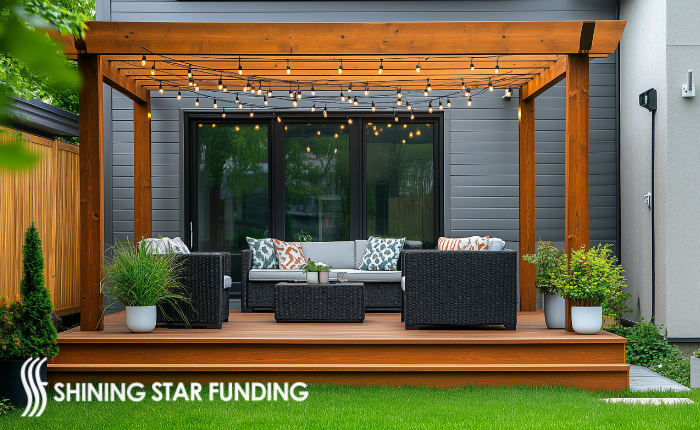
Unlocking Property Potential: What is an ADU and Why Does it Matter in 2026?
The modern landscape of the homebuying process has evolved far beyond the simple search for a three-bedroom ranch. As we navigate the real estate realities of 2026, a new term has moved from architectural niche to mainstream must-have: the ADU. Whether you are a first-time homebuyer looking to offset a mortgage with rental income, a self-employed home buyer needing a dedicated professional studio, or a retiree aiming to “age in place,” understanding the Accessory Dwelling Unit (ADU) is a game-changer. These versatile structures are redefining how we think about density, family dynamics, and property value.
For many, the appeal of an ADU lies in its ability to solve multiple problems at once. In a high-interest-rate environment where housing supply remains tight, the ability to add a secondary unit to an existing lot is a strategic masterstroke. Real estate investors and asset-rich individuals are increasingly viewing these units as “recession-proof” assets that provide immediate cash flow while significantly boosting the underlying value of the primary residence. As you move through your own homebuying process, evaluating a property’s “ADU potential” has become just as important as checking the roof or the foundation.
What is an ADU?
An Accessory Dwelling Unit, or ADU, is a secondary residential structure located on the same lot as a primary, single-family home. To be classified as a true ADU, the unit must be self-contained—meaning it has its own independent entrance, a full kitchen (including a stove or stove hookup), a bathroom, and a sleeping area. You might know them by other names like “granny flats,” “in-law suites,” “backyard cottages,” or “carriage houses,” but in the eyes of the law and lenders, they are all ADUs.
It is important to note that an ADU is distinct from a “guest house” or a “pool house” that lacks a kitchen. Because an ADU is a legal residence, it can be rented out for long-term or short-term stays (subject to local regulations). This makes them a cornerstone of a modern homebuying process, as they transform a standard residential property into a multi-generational or income-producing powerhouse.

Types of ADUs
One of the greatest strengths of the ADU is its flexibility. Depending on your lot size, budget, and local zoning, there are several ways to incorporate one into your property:
- Detached ADU: A stand-alone structure in the backyard or side yard. These provide the most privacy and are often referred to as backyard cottages or DADUs.
- Attached ADU: An addition built onto the side or back of the primary home. These share at least one wall with the main house but have a separate entrance.
- Interior Conversion: This involves turning an existing part of the home—such as a basement or an attic—into a separate living unit.
- Garage Conversion: One of the most popular options, this transforms a detached or attached garage into a livable studio or one-bedroom apartment.
- Junior ADU (JADU): A smaller version of an ADU (typically under 500 square feet) that is contained entirely within the walls of a single-family home. JADUs often have simpler kitchen requirements and may share a bathroom with the main house.
Are ADUs Legal?
The legality of ADUs has undergone a massive transformation in recent years. In states like California, Washington, and Massachusetts, new laws have essentially “unlocked” the backyard, making ADUs legal “by right” in most single-family zones. This means that if your project meets specific building and safety codes, the local government cannot arbitrarily deny your permit based on neighborhood character or parking concerns.
However, zoning is still local. Before you begin the homebuying process for a property you intend to add a unit to, you must verify the local ordinances. Some cities have “owner-occupancy” requirements, meaning you must live in either the main house or the ADU. Others may have strict setback requirements (how far the unit must be from the fence line) or height limits. In 2026, most progressive municipalities are encouraging ADU construction to help solve the housing shortage, but checking with the local planning department remains an essential step.
Should You Add an Accessory Dwelling Unit?
Deciding to add an ADU is a significant financial and lifestyle commitment. For retirees, it offers a way to downsize into a smaller, more manageable space while renting out the “big house” for a substantial retirement income. For first-time homebuyers, an ADU can act as a “mortgage helper,” where the rental income covers a significant portion of the monthly debt, making homeownership attainable in expensive markets.
However, you must also consider your tolerance for being a landlord. Even if you are renting to a family member, having another household on your property changes the dynamic of your backyard. If you value total seclusion, a detached ADU with a separate fenced-off area is usually the best route. If you are an investor, the math almost always checks out: the cost to build is typically lower than the value it adds to the property, creating instant equity.

How Much Does it Cost to Add an ADU?
| ADU Type | Estimated Cost Range | Notes |
|---|---|---|
| Garage Conversion | $80,000 – $150,000 | Cheapest option; foundation and roof already exist. |
| Basement Conversion | $60,000 – $150,000 | Cost depends on ceiling height and plumbing access. |
| Detached New Construction | $180,000 – $350,000 | Most expensive; requires new foundation and utility lines. |
| Prefab / Modular Unit | $120,000 – $250,000 | Faster construction; price often excludes site prep and crane fees. |

How to Finance an ADU House
Building an ADU is a major capital project, but there are more financing tools available now than ever before. For those already in the homebuying process, many lenders offer “renovation loans” (like the FHA 203k) that allow you to borrow based on the future value of the home once the ADU is complete. Other common methods include:
- Home Equity Line of Credit (HELOC): Use the equity in your main home as a revolving credit line to pay for construction.
- Cash-Out Refinance: Replace your existing mortgage with a larger one and take the difference in cash. This is popular if you have significant equity and current rates are favorable.
- Construction Loan: A short-term loan that pays for the build and then converts into a permanent mortgage.
- ADU-Specific Loans: Some specialized lenders now offer loans that allow you to use the “projected rental income” from the future ADU to help you qualify for the financing.
Accessory Dwelling Unit Pros and Cons
Before you commit, it’s vital to weigh the long-term impact on your property and lifestyle.
The Pros
- Income Stream: Generate steady passive income through long-term or short-term rentals.
- Increased Property Value: Homes with legal ADUs typically sell for 20% to 30% more than comparable homes without them.
- Multi-generational Flexibility: Keep aging parents or adult children close while maintaining separate lives.
- Tax Benefits: The cost to build an ADU can often be depreciated over 27.5 years if used as a rental property.
The Cons
- Upfront Capital: Even a “cheap” ADU requires a significant investment that may take 6 to 10 years to pay for itself in rent.
- Higher Property Taxes: Adding a unit will likely trigger a reassessment of your property value, increasing your annual tax bill.
- Management Responsibilities: Being a landlord involves maintenance, tenant screening, and occasional repairs.
- Construction Stress: Building in your own backyard can be disruptive and noisy for several months.
The ADU is more than just a housing trend; it is a fundamental shift in the way we utilize residential land. Whether you are seeking a financial safety net or a way to keep your family together, incorporating an ADU into your homebuying process can provide a level of security and flexibility that traditional homes simply cannot match. By understanding the costs, legalities, and types of units available, you can turn your backyard into a strategic asset for the future.
FAQ's
No. In almost all jurisdictions, an ADU is legally tied to the primary residence. You cannot “subdivide” the lot and sell the ADU as a standalone condo or cottage. If you sell your property, the ADU goes with it. However, some areas are experimenting with “tenancy-in-common” (TIC) arrangements, so check local laws if you are in a highly progressive market like Austin or San Diego.
Landlord Responsibilities: You are responsible for tenant relations, repairs, and legal compliance.
Privacy Reduction: Even with a detached unit, you will have someone else living on your lot.
Construction Stress: Building an ADU is essentially a mini-home build, involving months of noise, dust, and contractors.
Limited Resale Market: While it adds value, some buyers may not want the maintenance or tax burden of a second unit.
Income Stream: High demand for “missing middle” housing makes ADUs easy to rent.
Flexibility: The space can evolve with your life—from an office to a guest house to a rental.
Sustainability: Small footprints are inherently more energy-efficient and eco-friendly.
Support: Keeps family close for caregiving without sacrificing personal privacy.
Since most ADUs don’t qualify for traditional standalone mortgages, homeowners usually use:
HELOC (Home Equity Line of Credit): A flexible “credit card” based on your home’s existing equity.
Home Equity Loan: A lump-sum second mortgage with a fixed interest rate.
Cash-Out Refinance: Replacing your current mortgage with a larger one to pull out cash.
Construction Loans: Specialized loans that fund the build and then convert to a standard mortgage.
RenoFi Loans: A modern 2026 favorite that lets you borrow based on the future value of your home after the ADU is built.
The sticker price of construction isn’t the whole story. You must also budget for:
Permit and Impact Fees: These can range from $1,500 to over $20,000 in certain cities.
Utility Connections: Running new sewer, water, and electrical lines can cost $5,000 to $30,000.
Property Tax Increases: Adding a permitted unit will trigger a reassessment of your property value, raising your annual taxes.
Design Fees: Architects and engineers typically charge 10% to 15% of the total project cost.
Costs vary wildly based on type and location, but national averages for 2026 fall into these ranges:
Garage Conversions: $80,000 – $150,000 (The most affordable option).
Attached/Basement ADUs: $100,000 – $225,000.
Detached New Construction: $150,000 – $360,000+. On average, expect to pay $150 to $300 per square foot, though high-cost regions like Los Angeles or Boston can exceed $600 per square foot.
Deciding to build an ADU is a major financial and lifestyle choice. You should consider it if:
You need multigenerational housing for adult children or aging parents.
You want to generate passive rental income to offset high mortgage rates.
You need a dedicated home office or creative studio separate from your living space.
You want to increase your property value (ADUs can boost home value by 30% or more in high-demand markets).
In 2026, many states—including California, Oregon, Washington, and Massachusetts—have passed “by-right” laws that make it much easier to build ADUs by limiting local government interference. However, zoning still varies. You must check your local Unified Development Ordinance (UDO) for specific rules on setbacks (distance from property lines), maximum height, and whether you are required to provide additional parking.
There are four primary ways to add an ADU to your property, each with different cost and privacy implications:
Detached ADU: A standalone structure (like a backyard cottage or “granny flat”).
Attached ADU: An addition connected to the main house, often sharing a wall.
Garage Conversion: Transforming an existing garage into a livable unit.
Interior Conversion: Carving out space from within the existing home (like a basement or attic apartment).
An Accessory Dwelling Unit (ADU) is a secondary, smaller residential structure or apartment located on the same lot as a primary single-family home. To be legally classified as an ADU, the unit must be fully self-contained, meaning it includes its own kitchen, bathroom, sleeping area, and private entrance. It cannot be sold separately from the main house.

527 Sycamore Valley Rd W, Danville, CA 94526
Toll Free Call : (866) 280-0020
For informational purposes only. No guarantee of accuracy is expressed or implied. Programs shown may not include all options or pricing structures. Rates, terms, programs and underwriting policies subject to change without notice. This is not an offer to extend credit or a commitment to lend. All loans subject to underwriting approval. Some products may not be available in all states and restrictions may apply. Equal Housing Opportunity.
Interactive calculators are self-help tools. Results received from this calculator are designed for comparative and illustrative purposes only, and accuracy is not guaranteed. Shining Star Funding is not responsible for any errors, omissions, or misrepresentations. This calculator does not have the ability to pre-qualify you for any loan program or promotion. Qualification for loan programs may require additional information such as credit scores and cash reserves which is not gathered in this calculator. Information such as interest rates and pricing are subject to change at any time and without notice. Additional fees such as HOA dues are not included in calculations. All information such as interest rates, taxes, insurance, PMI payments, etc. are estimates and should be used for comparison only. Shining Star Funding does not guarantee any of the information obtained by this calculator.
Privacy Policy | Accessibility Statement | Term of Use | NMLS Consumer Access
CMG Mortgage, Inc. dba Shining Star Funding, NMLS ID# 1820 (www.nmlsconsumeraccess.org, www.cmghomeloans.com), Equal Housing Opportunity. Licensed by the Department of Financial Protection and Innovation (DFPI) under the California Residential Mortgage Lending Act No. 4150025. To verify our complete list of state licenses, please visit www.cmgfi.com/corporate/licensing