
How to Buy a Foreclosed Home
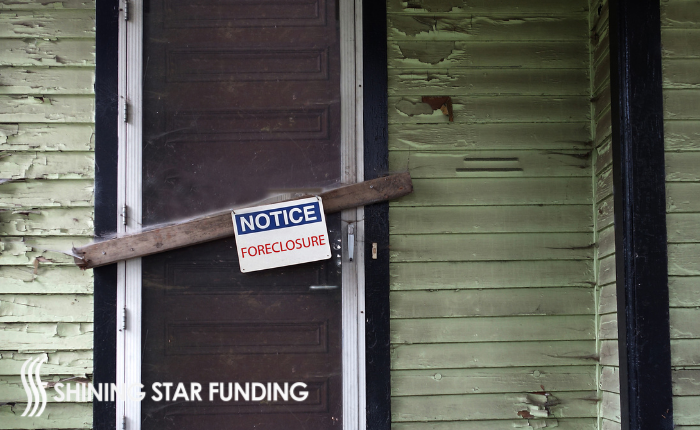
Mastering the Market: How to Buy a Foreclosed Home for Maximum Value
The allure of a bargain is a powerful motivator in real estate. For many, the idea of purchasing a property at a significant discount is the ultimate goal when preparing to buy a primary residence or a secondary investment. In the current economic climate of 2026, where housing inventory remains a frequent topic of conversation, exploring the world of distressed properties has moved from the fringes of the market to the mainstream. Whether you are a first-time homebuyer looking for an affordable entry point, a self-employed home buyer seeking a project, or a real estate investor aiming to flip for a profit, knowing how to navigate this specialized sector is essential.
However, the process of acquiring a property through a bank or government entity is fundamentally different from a traditional sale. It requires a unique blend of patience, financial readiness, and legal due diligence. For retirees or asset-rich individuals, these properties represent a chance to secure real estate in prime locations that might otherwise be out of reach. But before you dive into the listings, you must understand that “cheap” can sometimes become “expensive” if you aren’t properly equipped for the journey. Success begins long before you make an offer; it starts the moment you begin preparing to buy by educating yourself on the risks and rewards of the foreclosure landscape.
What is a Foreclosure?
At its most basic level, a foreclosure is a legal process in which a lender attempts to recover the balance of a loan from a borrower who has stopped making payments. When a homeowner defaults on their mortgage, the lender eventually takes ownership of the property to sell it and recoup the lost capital. This transition of ownership doesn’t happen overnight; it follows a strict legal timeline that varies by state, typically moving through stages like pre-foreclosure, auction, and finally, Real Estate Owned (REO) status.
In the pre-foreclosure phase, the owner is given a notice of default and a chance to settle the debt. If they cannot, the home goes to a public auction. If the home does not sell at auction—which is common because auctions often require cash payments—the lender takes full possession. These bank-owned homes are what most people refer to when they talk about “buying a foreclosure.” For anyone in the phase of preparing to buy, understanding these stages is vital because the stage of the foreclosure determines how much you can inspect the property and how you must pay for it.
How to Buy a Foreclosed Home: The Step-by-Step Process
Purchasing a distressed property isn’t as simple as clicking “buy now.” It requires a methodical approach to ensure you don’t inherit more problems than you can handle. For the target audience of investors and savvy buyers, the process generally follows these five critical steps:
Step 1: Secure Your Financing Early
In the world of foreclosures, cash is king. However, if you aren’t an asset-rich individual with hundreds of thousands in liquid capital, you will need a specialized mortgage. Standard pre-approvals may not be enough because many foreclosed homes do not meet the minimum safety requirements for traditional loans. Self-employed home buyers should have their tax returns and profit-and-loss statements ready to secure a renovation loan, such as an FHA 203(k), which allows you to bundle the purchase price and repair costs into one mortgage.
Step 2: Find a Specialized Real Estate Agent
You need a partner who understands REO (Real Estate Owned) properties. These agents have direct relationships with the asset management departments of major financial institutions. They know how to navigate the specific paperwork required by banks, which is often far more extensive than a standard residential contract. They can also help you find listings before they hit the major public portals.
Step 3: Conduct Intensive Research and Title Searches
This is where many first-time homebuyers get into trouble. When you buy a foreclosure, you might also be buying the previous owner’s problems. This could include unpaid property taxes, construction liens, or even secondary mortgages. Hiring a title company to run a full report is a non-negotiable step in preparing to buy a distressed asset. You must ensure the title is “clear” before any money changes hands.
Step 4: The Inspection and Appraisal
If you are buying an REO property from a bank, you can usually include an inspection contingency. However, the bank is unlikely to pay for any repairs. The inspection is purely for your information—to decide if you want to walk away. Real estate investors often bring a contractor along during the initial viewing to estimate the cost of bringing the home up to code. If the home is being sold at a courthouse auction, you often cannot see the interior at all, which significantly increases the risk.
Step 5: Make Your Offer
Banks are not emotional sellers. They are looking at the bottom line. When you submit an offer on a foreclosure, expect a “counter-offer” that may include an “as-is” clause. This means the bank will not fix a broken window or a leaky roof. Your offer should be competitive but should also factor in the “risk premium”—the amount of money you need to keep in reserve for unexpected repairs.
Pros and Cons of Buying a Foreclosed Home
Evaluating a foreclosure requires an analytical mind. To help you decide if this path is right for your homeownership goals, consider this breakdown of the advantages and pitfalls.
| The Pros | The Cons |
|---|---|
| Lower Purchase Price: Homes are often priced 15% to 30% below market value to ensure a quick sale. | As-Is Condition: Properties are frequently neglected, vandalized, or stripped of appliances and copper piping. |
| Rapid Equity Building: By buying low and renovating, you can gain significant equity almost immediately. | Slow Closing Process: Dealing with bank bureaucracy can lead to months of delays and paperwork hurdles. |
| Investment Potential: Retirees and investors can find high-yield rental properties in established neighborhoods. | Hidden Liens: If the title search isn’t thorough, you could be responsible for thousands in back taxes or liens. |
| Less Competition: Many average buyers are intimidated by the complexity of foreclosures, leaving more room for savvy negotiators. | Limited Information: You may not get a full history of the property’s maintenance or past issues like mold or pest infestations. |
Tips for Success in the Foreclosure Market
or those currently preparing to buy, the difference between a nightmare and a goldmine is often the “safety buffer.” If your budget is $400,000, do not buy a $400,000 foreclosure. Buy a $300,000 foreclosure and keep $100,000 in a liquid account for the inevitable surprises.
Furthermore, pay close attention to the neighborhood. A foreclosed home in a declining area may continue to lose value, while a distressed property in a thriving community—the “worst house on the best block”—is the holy grail of real estate investing. For asset-rich individuals, focusing on government-owned foreclosures can also be a safer bet, as these often have clearer title processes than private bank-owned REOs.
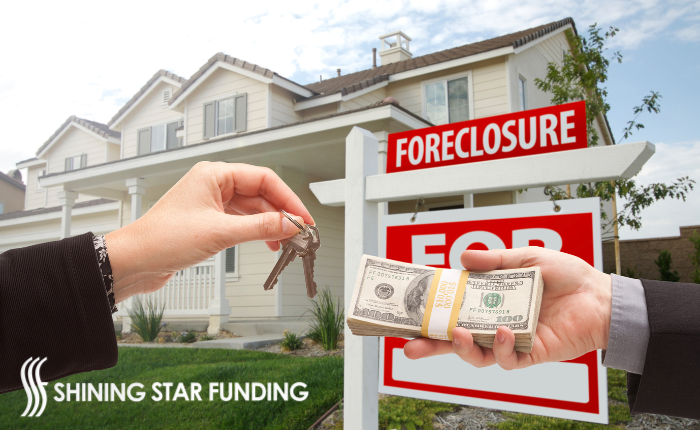
Buying a foreclosed home is a high-stakes strategy that can lead to incredible rewards. By approaching the market with a clear head, a specialized team, and a solid financial foundation, you can turn a distressed property into a cornerstone of your wealth. Remember, the goal of homeownership isn’t just to find a place to live; it’s to make a smart investment that serves you for years to come.
FAQ's
This is a significant risk. If the previous owners or tenants have not moved out, it becomes your legal responsibility to evict them after you close. This involves legal fees and potentially months of court dates. Always verify the occupancy status with your agent before signing a contract.
Investors are your biggest competition in the homebuying process for foreclosures. To beat them:
Use the “Owner-Occupant” Advantage: Some programs (like HomePath) give families a 20-day “First Look” window to bid before investors are allowed in.
Offer More Earnest Money: Showing you have “skin in the game” can make your financed offer look more stable than a low-ball cash offer.
Foreclosed homes are often neglected or even vandalized by previous owners. A professional inspection identifies “invisible” killers like mold, foundation cracks, or stripped copper plumbing. Even if you can’t negotiate repairs, the inspection tells you if the “bargain” price is actually a financial trap.
“As-Is” Condition: The bank will not fix a leaky roof or a broken HVAC. What you see is what you get.
Hidden Costs: You might be responsible for unpaid HOA fees, back taxes, or even evicting current occupants.
Slow Timeline: Despite the bank’s desire to sell, the bureaucracy involved in getting an offer approved can take weeks or months.
Discounted Price: These homes often sell for 10% to 30% below market value.
Instant Equity: If you buy low and renovate cost-effectively, you gain “sweat equity” immediately.
Bargaining Power: Banks are not emotional; they want the asset off their books and may offer concessions on closing costs.
Yes, but only for REO (Bank-Owned) properties. If you buy at an auction, you usually need 100% cash within 24 hours. For REO homes, standard conventional or FHA loans work. However, if the home is in poor condition, you may need a specialized FHA 203(k) loan, which allows you to bundle the purchase price and renovation costs into one mortgage.
Hire an Expert: Work with a real estate agent who has a “Short Sales and Foreclosure Resource” (SFR) certification.
Get a “Verified” Preapproval: Banks won’t even look at your offer without proof that your financing is ready.
Conduct a Title Search: Ensure there are no hidden liens or back taxes you’ll inherit.
Inspect Thoroughly: Since these are “as-is” sales, your inspection is your only shield against disaster.
Submit a Clean Offer: Banks prefer offers with fewer contingencies and quick closing timelines.
There are three distinct stages in the preparing to buy phase where you can strike:
Pre-foreclosure: Buying directly from the owner before the bank seizes it (often a “Short Sale”).
Public Auction: Bidding against others (usually cash-only) at the courthouse or online.
Bank-Owned (REO): Buying a property that didn’t sell at auction and is now owned and listed by the bank.
In 2026, you can locate these properties through three main channels:
Government Sites: Check HUD.gov, Fannie Mae’s HomePath, and Freddie Mac’s HomeSteps.
The MLS: Many bank-owned properties are listed on standard real estate sites like Zillow or Realtor.com, often tagged as “REO” (Real Estate Owned).
Auction Platforms: Sites like Auction.com or Foreclosure.com list properties heading to the courthouse steps.
A foreclosure is a legal process in which a lender (usually a bank) repossesses a home after the owner fails to make mortgage payments or pay property taxes. The lender seizes the property to recoup their losses by reselling it. For you as a buyer, this means the seller is a financial institution, not a person, which changes the dynamic of the entire transaction.

527 Sycamore Valley Rd W, Danville, CA 94526
Toll Free Call : (866) 280-0020
For informational purposes only. No guarantee of accuracy is expressed or implied. Programs shown may not include all options or pricing structures. Rates, terms, programs and underwriting policies subject to change without notice. This is not an offer to extend credit or a commitment to lend. All loans subject to underwriting approval. Some products may not be available in all states and restrictions may apply. Equal Housing Opportunity.
Interactive calculators are self-help tools. Results received from this calculator are designed for comparative and illustrative purposes only, and accuracy is not guaranteed. Shining Star Funding is not responsible for any errors, omissions, or misrepresentations. This calculator does not have the ability to pre-qualify you for any loan program or promotion. Qualification for loan programs may require additional information such as credit scores and cash reserves which is not gathered in this calculator. Information such as interest rates and pricing are subject to change at any time and without notice. Additional fees such as HOA dues are not included in calculations. All information such as interest rates, taxes, insurance, PMI payments, etc. are estimates and should be used for comparison only. Shining Star Funding does not guarantee any of the information obtained by this calculator.
Privacy Policy | Accessibility Statement | Term of Use | NMLS Consumer Access
CMG Mortgage, Inc. dba Shining Star Funding, NMLS ID# 1820 (www.nmlsconsumeraccess.org, www.cmghomeloans.com), Equal Housing Opportunity. Licensed by the Department of Financial Protection and Innovation (DFPI) under the California Residential Mortgage Lending Act No. 4150025. To verify our complete list of state licenses, please visit www.cmgfi.com/corporate/licensing