
Buying House for Sale by Owner
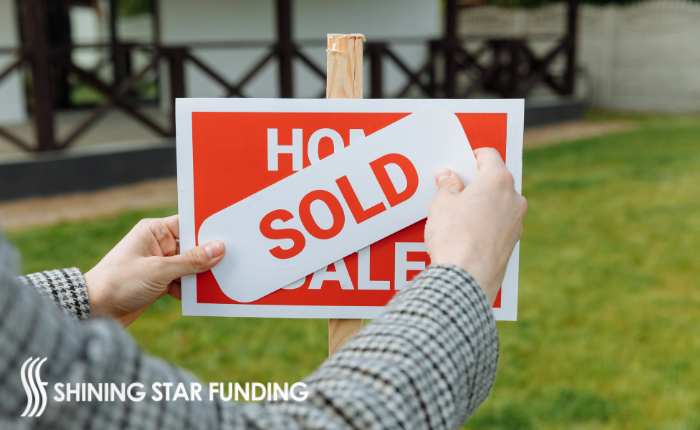
The Strategic Guide to Buying House for Sale by Owner
Finding the perfect home often feels like a full-time job, especially when you are navigating a competitive market. While most properties find their way onto the Multiple Listing Service (MLS) through real estate agents, there is a hidden corner of the market that savvy investors and first-time buyers often overlook. This corner consists of properties sold directly by the people who live in them. If you are currently preparing to buy, understanding the nuances of these off-market opportunities can give you a significant edge over other shoppers.
Buying house for sale by owner transactions, commonly referred to as FSBO, represent a unique segment of the real estate world. Instead of a professional agent handling the marketing, showings, and negotiations, the homeowner takes the reins. For a buyer, this changes the dynamic of the deal entirely. It requires a bit more legwork and a sharper eye for detail, but the rewards can be substantial. Whether you are a retiree looking for a quiet bungalow or a self-employed entrepreneur seeking a new primary residence, the FSBO path is one worth exploring during your journey of preparing to buy.
What does for sale by owner (FSBO) mean?
At its simplest level, For Sale By Owner means that the seller has chosen not to hire a listing agent to represent them. In a traditional real estate transaction, a seller pays a commission—usually around 5% to 6% of the sale price—which is split between their agent and the buyer’s agent. By selling the home themselves, the owner hopes to pocket the thousands of dollars that would otherwise go toward those commissions.
In a FSBO scenario, the owner is responsible for everything. They set the price, they take the photos (sometimes professionally, sometimes not), they list the property on various websites, and they host the open houses. When you walk through the front door, you aren’t greeting a suit-and-tie professional; you are meeting the person who has potentially spent the last twenty years making memories in those rooms. This adds a layer of emotion and directness to the process that is rarely found in the traditional market.

What does for sale by owner mean for buyers?
For you, the buyer, a FSBO property means direct access. There is no middleman filtering your questions or delaying your offers. If you want to know how old the water heater is or why the fence in the backyard is slightly crooked, you can ask the person who installed them. This transparency can be refreshing, but it also means you must be your own strongest advocate.
Because there is no listing agent, the seller might be more flexible on the price. If they are saving 3% on the listing commission, they might be willing to pass some of those savings on to you. However, it also means the seller might not have a realistic grasp of their home’s actual market value. Without an agent to provide a Comparative Market Analysis, some FSBO sellers overprice their homes based on emotional attachment. Conversely, some underprice them because they haven’t tracked recent local sales, providing a golden opportunity for a buyer who is actively preparing to buy and has done their homework.
How does for sale by owner work?
The mechanics of a FSBO sale follow the same legal requirements as a traditional sale, but the “who does what” part shifts. Usually, the process begins when the seller lists the home on platforms like Zillow, Facebook Marketplace, or dedicated FSBO websites. Once a buyer expresses interest, the seller manages the showing personally.
When it comes time to make an offer, the buyer typically presents a contract directly to the seller. If the buyer has an agent, that agent will handle the paperwork. If the buyer is unrepresented, they may hire a real estate attorney to draft the purchase agreement. Once an agreement is reached, the process moves into the due diligence phase, including home inspections, appraisals, and title searches. Instead of two agents coordinating these steps, the buyer and seller communicate directly to ensure deadlines are met and documents are signed. The final closing still takes place at a title company or an attorney’s office to ensure the legal transfer of the deed is handled correctly.
The pros and cons of buying a house for sale by owner
Like any investment strategy, buying house for sale by owner comes with a unique set of advantages and challenges. Understanding these can help you decide if this path aligns with your financial goals.
The Pros
- Direct Communication: You can get immediate answers to specific questions about the home’s history, neighborhood, and maintenance.
- Potential for Better Pricing: Without the burden of high commissions, sellers are often more open to lower offers or covering your closing costs.
- Less Competition: Many buyers and their agents skip FSBO listings because they can be more “difficult” to navigate, meaning you might find a hidden gem without a bidding war.
- Flexible Negotiations: You are dealing with a human being, not a corporate entity or a rigid agent. You might negotiate for furniture, a quicker closing date, or specific repairs more easily.
The Cons
- Unrealistic Expectations: Sellers may have an inflated sense of their home’s value or be unwilling to negotiate on repairs.
- Paperwork Burden: Without a listing agent to keep things moving, the buyer often has to take the lead on ensuring all legal disclosures are provided.
- Emotional Sensitivity: Sellers can get defensive during the inspection phase if the buyer points out flaws in a home they love.
- Limited Exposure: FSBO homes are harder to find and may not be listed on the major apps you usually browse.
How to buy a house for sale by owner
If you have decided that the FSBO route is right for you, following a structured approach is essential for a successful closing. Here are the steps you should take:
| Step | Action Item | Why it Matters |
|---|---|---|
| 1. Get Pre-Approved | Secure a mortgage pre-approval from your preferred lender. | FSBO sellers want to know you are a serious buyer before letting you into their home. |
| 2. Hire an Attorney or Agent | Decide if you will use a buyer’s agent or a real estate attorney. | You need professional guidance to handle the legal contracts and escrow. |
| 3. Conduct Extensive Research | Look at “comps” (comparable sales) in the immediate area. | This prevents you from overpaying for a home that hasn’t been professionally appraised yet. |
| 4. View the Property Thoroughly | Ask about the age of the roof, HVAC, and plumbing. | Sellers must disclose known issues, but your own observation is the first line of defense. |
| 5. Make a Formal Offer | Submit a written purchase agreement with a clear expiration. | Verbal agreements are not legally binding in real estate. |
| 6. Schedule Inspections | Never skip the home inspection, even if the house looks perfect. | This is your chance to uncover hidden structural or mechanical problems. |
| 7. Finalize Financing and Title | Work with your lender and a title company to clear the deed. | This ensures there are no liens on the property and that the sale is legal. |

Critical Tips for Success
When you are buying house for sale by owner, your mindset should be one of a professional investigator. Since the seller is likely not a real estate expert, you must ensure that all the boxes are checked. First, always ask for a Property Disclosure Statement. Most states require sellers to reveal known defects, but FSBO sellers may not be aware of this requirement. Prompting them to fill one out protects you legally.
Secondly, keep the conversation professional. It is easy to get caught up in the seller’s stories about their family or their garden, but remember that this is a major financial transaction. For self-employed buyers or asset-rich individuals, the focus should remain on the long-term value and the structural integrity of the asset. Maintaining a polite but business-like distance helps when it comes time to negotiate repairs after an inspection report comes back with bad news.
Finally, remember that the “owner” in for sale by owner is often doing this for the first time. They might be stressed or overwhelmed. Patience goes a long way. If you show that you are organized and have a clear path to closing, the seller will be much more likely to work with you than with a buyer who seems disorganized. By taking these steps, you turn the “for sale by owner” challenge into a strategic advantage, securing a home that others might have missed entirely.
FAQ's
The “how-to” is a series of strategic steps:
Get Pre-approved: Prove you are a serious buyer before contacting the owner.
Hire a Pro: Even if you don’t use an agent, hire a real estate attorney to review the contract.
Review Disclosures: Ask the seller for a formal property disclosure statement.
Schedule the Inspection: This is non-negotiable in a FSBO deal to uncover hidden “red flags.”
Finalize Financing: Once the contract is signed, your lender moves the file through underwriting to the closing table.
Protection comes through contingencies. When you draft your offer, ensure it includes:
Inspection Contingency: Allows you to walk away if major issues are found.
Financing Contingency: Protects you if your loan isn’t approved.
Appraisal Contingency: Ensures the home is worth the loan amount.
Title Search: Essential to ensure the seller actually has the legal right to sell the home without hidden liens.
The mortgage itself is identical to a traditional sale. However, your lender will be extra cautious. They will require a professional appraisal to ensure the home is actually worth the price you agreed upon. If the appraisal comes back lower than the FSBO price, you may need to renegotiate or cover the “appraisal gap” with extra cash.
Be respectful but data-driven. FSBO sellers are often proud of their homes. Instead of pointing out “flaws,” present “comparable sales” (comps) to justify your offer. For asset-rich individuals seeking for real estate investments, this direct line to the seller can be a powerful tool to negotiate creative terms, such as a faster closing or specific repairs.
You are not required to have one, but it is highly recommended. A buyer’s agent provides a market analysis to ensure you aren’t overpaying and handles the “tough” negotiations. Keep in mind that in 2026, you must sign a representation agreement with your agent upfront, which outlines how they will be paid if the FSBO seller refuses to cover their commission.
Inaccurate Pricing: Sellers often have an emotional attachment to their home, which can lead to overpricing.
Lack of Disclosures: Professional agents ensure all legal disclosures are met. An independent seller might accidentally (or intentionally) skip over a known issue like a basement leak.
Paperwork Burden: Without agents to manage the timeline, you must be extremely diligent about meeting deadlines for inspections and financing.
Direct Information: No one knows the house better than the owner. You can get instant answers about the neighbors, the roof’s age, or local traffic patterns.
Potential Savings: Sellers may be more willing to lower their price since they aren’t paying a listing commission.
Less Competition: Because many FSBO homes aren’t listed on the major Multiple Listing Services (MLS), they often have fewer “eyes” on them, leading to fewer bidding wars.
The process follows the standard arc of homeownership but with a more personal touch:
Initial Contact: You call or email the owner directly to schedule a tour.
The Walkthrough: You meet the owner, who likely knows every creak and upgrade in the house.
Offer and Negotiation: You submit an offer directly to them.
Contracting: Since there’s no listing agent to provide standard forms, a real estate attorney often drafts the purchase agreement.
Closing: A title company or attorney handles the final transfer of funds and deed.
For you, the buyer, FSBO means you will be communicating directly with the person who has lived in the home. This provides a transparent look at the property’s history, but it also means you won’t have a professional “buffer” to manage emotions or paperwork. While the seller doesn’t have an agent, you can—and often should—still have a buyer’s agent to protect your interests during the homebuying process.
FSBO, pronounced “fizz-bow,” refers to a property being sold directly by the homeowner without the representation of a listing agent or broker. The seller takes on all traditional agent duties: pricing the home, marketing, hosting showings, and negotiating the contract. Their primary motivation is usually to save on the 2.5% to 3% commission fee they would typically pay to a listing agent.

527 Sycamore Valley Rd W, Danville, CA 94526
Toll Free Call : (866) 280-0020
For informational purposes only. No guarantee of accuracy is expressed or implied. Programs shown may not include all options or pricing structures. Rates, terms, programs and underwriting policies subject to change without notice. This is not an offer to extend credit or a commitment to lend. All loans subject to underwriting approval. Some products may not be available in all states and restrictions may apply. Equal Housing Opportunity.
Interactive calculators are self-help tools. Results received from this calculator are designed for comparative and illustrative purposes only, and accuracy is not guaranteed. Shining Star Funding is not responsible for any errors, omissions, or misrepresentations. This calculator does not have the ability to pre-qualify you for any loan program or promotion. Qualification for loan programs may require additional information such as credit scores and cash reserves which is not gathered in this calculator. Information such as interest rates and pricing are subject to change at any time and without notice. Additional fees such as HOA dues are not included in calculations. All information such as interest rates, taxes, insurance, PMI payments, etc. are estimates and should be used for comparison only. Shining Star Funding does not guarantee any of the information obtained by this calculator.
Privacy Policy | Accessibility Statement | Term of Use | NMLS Consumer Access
CMG Mortgage, Inc. dba Shining Star Funding, NMLS ID# 1820 (www.nmlsconsumeraccess.org, www.cmghomeloans.com), Equal Housing Opportunity. Licensed by the Department of Financial Protection and Innovation (DFPI) under the California Residential Mortgage Lending Act No. 4150025. To verify our complete list of state licenses, please visit www.cmgfi.com/corporate/licensing