
VA Financing for Nonresidential Farm Portions
VA Financing for Nonresidential Farm Portions: What Borrowers Should Know
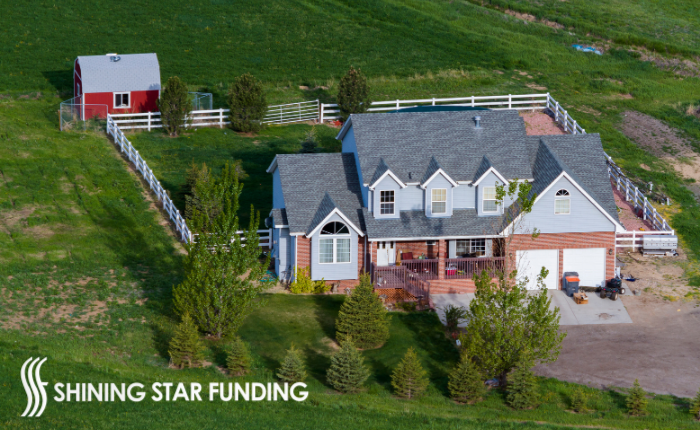
While VA loans primarily support residential properties, they may also cover certain nonresidential portions of a farm when associated with a veteran’s primary residence. VA financing for nonresidential farm portions allows eligible borrowers to include structures like barns or storage facilities in their loan, as long as the property remains primarily for residential use. Understanding these rules helps veterans, active-duty service members, and surviving spouses make informed decisions when purchasing or improving farm properties with VA-backed financing.
The Department of Veterans Affairs (VA) Home Loan program is fundamentally designed to assist eligible Veterans in purchasing, constructing, or improving a home for their own personal occupancy. While the program is flexible enough to accommodate Veterans who wish to live on agricultural land, there are strict regulatory boundaries regarding the financing of nonresidential or commercial aspects of a property. A Veteran may use the benefit to purchase a farm residence, but the VA guaranty is specifically tethered to the residential value of the property, excluding the commercial business value associated with farming operations.
The Residential Value Limitation
The core principle governing VA loans for farms is that the loan cannot cover the nonresidential value of the land or improvements. According to VA guidelines, a loan for the purchase of a farm residence generally cannot cover the nonresidential value of farm land that is in excess of the immediate homesite. This distinction ensures that the VA guaranty supports housing rather than commercial business investments. Consequently, while a Veteran can buy a property with significant acreage, the value attributed to that property for loan purposes must be derived from its utility as a residence, not its potential for generating commercial agricultural income.
Valuation of Outbuildings and Improvements
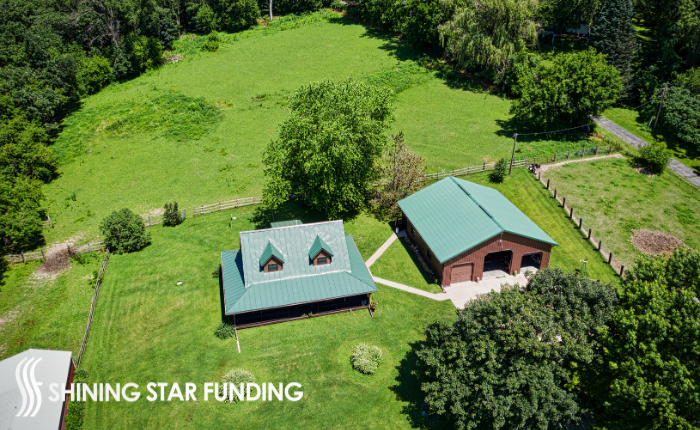
A significant aspect of farm properties is the presence of structures other than the main dwelling, such as barns, silos, corrals, stables, and sheds. The treatment of these “nonresidential” portions during the appraisal process is critical to determining the maximum loan amount.
- Contributory Value: Appraisers are instructed to value improvements that are not typically considered residential only to the extent that they contribute to the market value of the property for residential purposes. For example, a stable might add value to a home for a buyer interested in keeping horses for personal enjoyment, but a massive commercial feedlot structure might not add residential value.
- Exclusions from Value: The VA explicitly states that the loan cannot cover the value of barns, silos, or other outbuildings that are necessary specifically for the operation of the farm as a business. If an improvement serves a strictly commercial function and does not enhance the residential utility of the property, its value is generally excluded from the VA-guaranteed loan amount.
Prohibition on Chattel and Equipment
The restriction on financing nonresidential portions extends beyond real estate fixtures to movable property. The VA Home Loan program strictly prohibits the inclusion of farm equipment or livestock in the loan amount. A Veteran purchasing a working farm cannot use the VA loan to finance tractors, harvesters, animals, or crops. These items are considered business assets rather than residential real estate security.
Business and Commercial Use Considerations
When a property has both residential and business uses, such as a farm, the nonresidential use must not impair the residential character of the property. The VA generally stipulates that a property with mixed use is eligible only if it is primarily for residential use and contains no more than one business unit. Furthermore, the appraiser is strictly prohibited from giving any value to business operations or commercial fixtures in the appraisal. This reinforces the rule that the VA loan is a housing benefit, not a small business loan.
Appraisal and Underwriting Implications
Because of these limitations, the appraisal of a farm residence requires a specific approach. The appraiser must analyze the property to separate its residential utility from its commercial farming potential. If the purchase price of a farm includes significant value attributed to commercial outbuildings, livestock, or excess land value based on crop production, the appraisal may come in lower than the purchase price because those nonresidential elements are excluded from the VA value estimate. In such cases, the Veteran would need to pay the difference between the sales price and the VA reasonable value in cash, as the loan amount cannot exceed the reasonable value of the property for residential purposes.
The VA loan program offers a unique opportunity for Veterans to purchase homes in rural, agricultural settings. However, the program maintains a rigid firewall between residential housing assistance and commercial farm financing. By excluding the value of commercial land, specialized farm outbuildings, livestock, and equipment, the VA ensures that the government guaranty remains focused on its statutory mission: helping Veterans buy homes, not funding agricultural businesses.
FAQ's
Farm residences sometimes include non-standard construction styles unique to the area, such as earth-sheltered homes or log houses. These are eligible for VA financing provided they meet local building codes and the appraiser considers their marketability. However, even if the structure is unique to a farming lifestyle, the appraisal must still exclude values attributed to commercial farming operations, livestock, or specialized non-residential outbuildings. The focus remains on the property’s utility as a residence, ensuring the unique construction provides sufficient space for living, sleeping, cooking, and sanitary facilities.
No, the VA explicitly states that it does not make farm or other business loans under this program. The benefit is strictly a home loan guaranty designed to help Veterans purchase, construct, or repair a home for their own personal occupancy. While a Veteran may purchase a home situated on a farm, the financial support from the VA is limited to the residential aspect of the transaction. Veterans seeking capital for farming operations, livestock, or commercial development must seek agricultural or business financing separate from their VA home loan.
VA loans generally prohibit the purchase of a property with more than one business unit. If a farm property is considered a combined residential and business property, it may be eligible only if the property is primarily for residential purposes and the nonresidential area does not exceed 25 percent of the total floor area. However, in the specific context of farm residences, the loan explicitly cannot cover the nonresidential value of the farm land or outbuildings necessary for the operation of the farm, distinguishing the residential home from the commercial farming operation.
Yes, a portion of the proceeds of a VA loan to construct a farm residence on land owned by the Veteran may be used to pay off existing liens on that land. This allows the Veteran to refinance the land and build the home in one transaction. However, this is permitted only if the reasonable value of the land is at least equal to the amount of the liens being paid off. The loan remains subject to the rule that it cannot cover the nonresidential value of the farmland or commercial farm outbuildings.
The Department of Veterans Affairs does not set a specific limit on the number of acres a property may have to be eligible for a loan. However, the financing is limited to the residential value of the property. The appraiser looks at the land’s value as a home site rather than its commercial value per acre for farming. While you can buy a property with large acreage, the VA guaranty will only cover the value attributable to the residence and its site, excluding the value of land that exceeds the home site if it is strictly nonresidential.
When appraising a farm residence, the appraiser must determine the highest and best use of the property but must still complete the appraisal according to VA guidelines which exclude non-residential value. Specifically, no value may be given to commercial uses, crops, livestock, land for future development, or any other non-residential use in the appraisal. The appraiser evaluates the property based on sales of similar properties in the area that were sold primarily for residential use. This ensures the loan remains a residential mortgage rather than a commercial agricultural loan.
No, the purchase of farm equipment cannot be financed through a VA home loan. The program regulations explicitly state that the loan cannot cover farm equipment. This prohibition applies even if the equipment is essential for maintaining the property or running the farm operation. Because the VA home loan is not a business loan, it focuses solely on the dwelling and the residential real estate. Veterans intending to operate a farm must demonstrate they have other resources or financing to acquire the necessary machinery, as stated in their plan of operation during underwriting.
No, the VA loan appraisal strictly excludes agricultural assets from the property’s value. The appraiser must not include in the value estimate any livestock, crops, or farm equipment. These items are considered personal property or business assets rather than real estate eligible for a residential mortgage guaranty. Since the maximum loan amount is based on the reasonable value of the real property improvements, the Veteran cannot use the VA loan to purchase the stock or crops required to run the farm; alternative business financing would be required for those assets.
Generally, you cannot finance the commercial value of barns, silos, or other outbuildings necessary for the operation of a farm with a VA home loan. The appraiser is instructed to value these improvements only to the extent that they contribute to the market value of the property for residential purposes. If a barn or stable adds value to the home for a typical residential user—perhaps for personal storage or hobby use—that contributory value may be included. However, any value attributed strictly to the commercial utility of these structures is excluded from the loan amount.
No, the VA home loan guaranty is specifically designed for residential purposes, not business investments. While a Veteran may purchase a farm residence, the loan cannot cover the nonresidential value of the farmland that exceeds the immediate homesite. Consequently, the appraisal must distinguish between the value of the land used for the home and the land used for commercial farming. If the purchase price includes significant value attributed to commercial farmland, the Veteran must pay the difference between the residential reasonable value and the purchase price in cash, as the loan covers only the residential portion.

527 Sycamore Valley Rd W, Danville, CA 94526
Toll Free Call : (866) 280-0020
For informational purposes only. No guarantee of accuracy is expressed or implied. Programs shown may not include all options or pricing structures. Rates, terms, programs and underwriting policies subject to change without notice. This is not an offer to extend credit or a commitment to lend. All loans subject to underwriting approval. Some products may not be available in all states and restrictions may apply. Equal Housing Opportunity.
Interactive calculators are self-help tools. Results received from this calculator are designed for comparative and illustrative purposes only, and accuracy is not guaranteed. Shining Star Funding is not responsible for any errors, omissions, or misrepresentations. This calculator does not have the ability to pre-qualify you for any loan program or promotion. Qualification for loan programs may require additional information such as credit scores and cash reserves which is not gathered in this calculator. Information such as interest rates and pricing are subject to change at any time and without notice. Additional fees such as HOA dues are not included in calculations. All information such as interest rates, taxes, insurance, PMI payments, etc. are estimates and should be used for comparison only. Shining Star Funding does not guarantee any of the information obtained by this calculator.
Privacy Policy | Accessibility Statement | Term of Use | NMLS Consumer Access
CMG Mortgage, Inc. dba Shining Star Funding, NMLS ID# 1820 (www.nmlsconsumeraccess.org, www.cmghomeloans.com), Equal Housing Opportunity. Licensed by the Department of Financial Protection and Innovation (DFPI) under the California Residential Mortgage Lending Act No. 4150025. To verify our complete list of state licenses, please visit www.cmgfi.com/corporate/licensing