
Surviving the Zombie Foreclosure: A Master Guide to Real Estate's Deadliest Property Trap
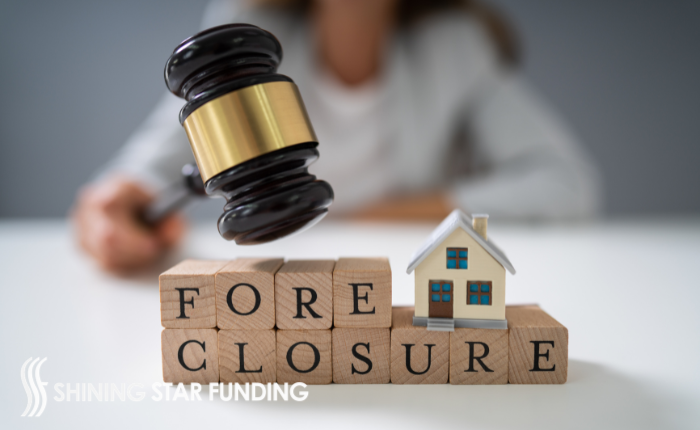
Navigating the complex realities of modern real estate requires a sharp eye for the economic forces that influence property values, neighborhood safety, and long-term investment returns. While most buyers spend their time analyzing active listings or tracking local interest rates, there is a hidden, highly destructive real estate phenomenon that can quietly derail the benefits of homeownership from behind closed doors. For those checking our comprehensive homebuyer resources portal, this troubling situation is known as a zombie foreclosure. It occurs when a homeowner defaults on their mortgage, receives a formal foreclosure notice, and moves out of the property under the assumption that the lender is taking immediate possession—only for the financial institution to halt or abandon the legal process midway through. This leaves the abandoned property stuck in a dangerous legal limbo where the original owner remains completely liable for a home they no longer inhabit.
Dealing with these distressed, abandoned properties requires a distinct operational strategy depending on your personal goals and financial background. First-time homebuyers must learn how to spot these decaying structures to avoid buying into a declining neighborhood, self-employed home buyers need to understand how surrounding blighted homes can artificially suppress their own appraised values during a refinance, and real estate investors, retirees, or asset-rich individuals seeking for real estate investments frequently look to target these abandoned structures to secure deeply discounted deals with massive built-in equity. Financing these unique properties using standard conventional loans or navigating the unlisted properties pool to check for shadow inventory structures gives you a distinct edge. By developing an analytical framework to understand how these properties materialize, how they alter local communities, and how to buy them safely, you can navigate your local market with absolute confidence.
Why Is It Called a Zombie Foreclosure?
The colorful terminology used to describe these properties is a direct reflection of their strange, undead legal status. It is called a zombie foreclosure because the underlying mortgage transaction is technically dead, yet the legal deed of ownership remains very much alive in the public record under the original borrower’s name. The property behaves exactly like a cinematic monster: it is an empty, decaying shell that has been abandoned by its creator, wandering the housing market without any active maintenance, supervision, or parental care.
The true tragedy of the zombie house is that the original homeowner is usually completely unaware that they still own the property. Having packed up their belongings and fled the initial legal notices, the borrower assumes the lender has assumed full financial custody. Meanwhile, the legal title sits completely frozen in time, silently racking up municipal fines, tax debts, and code violations that will eventually trace back to the unsuspecting buyer’s personal credit report.
How Do Foreclosed Properties Become Zombie Homes?
The structural pipeline that creates these real estate anomalies typically begins with an intense period of personal financial distress. When an individual falls several months behind on their mortgage payments, the servicing company issues a formal notice of default, followed by a summons to initiate foreclosure proceedings. Panicked by the intimidating legal language and wanting to avoid an aggressive, embarrassing eviction scenario, the homeowner moves out immediately to find alternative housing.
The problem arises during the secondary phase of the process. After the homeowner vacates, the lender conducts an internal cost-benefit analysis on the property. If the home has fallen into severe disrepair, contains environmental hazards, or sits in a neighborhood where property values have plummeted, the lender may realize that completing the foreclosure and taking title will cost more than the home is actually worth on the open market. To protect their balance sheet, or avoid setting up proactive loss mitigation options, the bank simply walks away from the legal proceedings without notifying the borrower. Because the auction is cancelled and the title is never transferred, the home transforms instantly into an abandoned, unmaintained property stuck in endless legal stagnation.
How Abandoned Structures Hurt Homeowners and Neighborhoods
The physical presence of unmaintained properties introduces a host of structural challenges to the core stability of local homeownership. When a property is left entirely exposed to the elements without climate control, basic roof repairs, or routine lawn care, it degrades at an accelerating rate. This rapid decay quickly spills over the property lines, dragging down the aesthetic appeal and market value of every single home on the street, which you can evaluate using an online mortgage calculator to simulate neighboring equity drops. Beyond the direct economic damage, these properties act as magnets for criminal activity, vagrancy, and illegal dumping, creating real safety hazards for nearby families.
Because municipal tax collectors and neighborhood associations cannot track down the missing owners, standard property taxes and common area fees go completely unpaid. This starves local schools and public infrastructure of vital funding, putting an immense financial and psychological strain on the responsible neighbors who are left behind to deal with the fallout.
Proactive Steps to Prevent an Abandoned Property Crisis
If you are a homeowner facing severe financial hardship and struggling to make your monthly mortgage payments, you must realize that leaving your property prematurely is the absolute worst move you can make. You can actively prevent a catastrophic title abandonment by executing these three strategic actions:
- Stay in the Home Until the Sale is Final: You retain the full legal right to inhabit your property until the final gavel falls at a public foreclosure auction and a new deed is formally recorded. Remaining in the home ensures the structure stays secure, fully insured, and properly maintained, which drastically reduces the likelihood of the bank abandoning the file.
- Maintain Open Lines of Communication: Open every single piece of mail from your mortgage servicer and keep your contact details updated. If you receive legal notices, speak directly with the loss mitigation department to explore loan modifications, forbearance agreements, or structural ways to avoid foreclosure completely.
- Monitor Official Public Property Records: Regularly check your local county recorder’s database to verify the exact status of your property deed. If you discover that your lender has abruptly dismissed the legal action without your knowledge, contact a qualified real estate attorney immediately to protect your credit and capital from outstanding municipal liabilities.
Steps to Buying a Distressed Zombie House
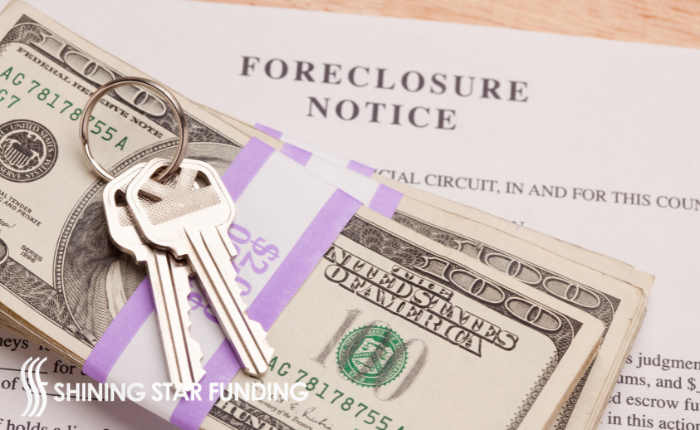
For strategic real estate investors and asset-rich buyers, acquiring these abandoned structures represents an extraordinary pathway to uncovering below-market real estate opportunities. Sourcing deals through this hidden pipeline requires following a highly disciplined, five-step acquisition roadmap:
1. Locate the Target Asset: Start by driving through target neighborhoods to spot visual signs of abandonment, such as overgrown lawns, boarded-up windows, and piles of unclaimed mail. You can cross-reference these physical locations with a contemporary nationwide zombie foreclosure report to pin zombie properties that match your specific investment criteria.
2. Run a Comprehensive Title Search: Once you identify a candidate, pull the public records at the local county clerk’s office. You must determine the exact identity of the deed holder of record, trace the history of the outstanding mortgage default, and compile a list of any secondary liens or structural judgments attached to the property asset.
3. Conduct a Deep Search for Tax Liens and Fines: Because these properties sit neglected for years, they are almost always weighed down by extensive financial liabilities. You must check with municipal offices to calculate the total sum of unpaid property taxes, outstanding utility balances, and accumulated code violation penalties that must be paid off at closing.
4. Track Down the True Legal Owner: To initiate a purchase, you must locate the original borrower who still holds the legal deed. Working with an experienced skip-tracing service allows you to find their current location, establish contact, and present an offer to buy the home, often via a short-sale framework where the bank agrees to accept a lower payoff amount.
5. Secure a Flexible Capital Source: Traditional conventional loans are almost impossible to secure for these properties because they fail basic appraisal safety rules, even while monitoring shifts in current mortgage rates to time the eventual exit or refinance strategy. Investors must utilize alternative financing vehicles, such as hard money loans, personal capital reserves, or construction-backed renovation loans to fund the purchase and completely stabilize the physical structure.
Geography and Terminology: Analyzing the Macro Landscape
The concentration of these abandoned assets varies dramatically across different regions of the country. Historically, metropolitan areas within states that enforce judicial foreclosure systems—such as New York, New Jersey, Ohio, and Illinois—experience the highest volumes of title stagnation. Because the legal process in these jurisdictions must move slowly through a crowded court system, properties remain trapped in the pre-foreclosure pipeline for years, increasing the statistical probability that a lender will eventually abandon the file.
To analyze this market with true professional expertise, you must understand how these properties compare to other common industry terms:
| Real Estate Term | Core Operational Definition | Key Differentiating Factor |
|---|---|---|
| Shadow Inventory | Residential properties that are either in default or bank-owned but are deliberately kept off the active consumer MLS grid. | Managed strategically by banks to control supply; the bank actively holds the legal title. |
| Vampire Foreclosure | A distressed property scenario where the homeowner defaults on the loan but continues to live inside the house for free during the legal process. | The property is fully occupied and maintained, completely avoiding the neighborhood blight of an abandoned home. |
| Zombie Foreclosure | A defaulted property where the borrower has packed up and moved out, but the lender has abandoned the legal pursuit of the title. | The home is completely vacant, legally unowned by the bank, and deteriorating rapidly without any active management. |
Frequently Asked Questions
If you’re at risk of foreclosure, the best way to avoid your home becoming a zombie foreclosure is to take early action. Options include: Communicating with your mortgage lender, Exploring loan modification or forbearance, Selling the home before the foreclosure process reaches a standstill, and Seeking housing counseling. Open communication can prevent abandonment and ensure foreclosure processes are handled properly.
Properties become zombie homes when:
1. A lender initiates foreclosure actions.
2. The homeowner abandons the property.
3. The bank never completes foreclosure due to paperwork errors, legal issues, or strategic delays. In these cases, the home remains vacant while technically still owned by someone who no longer lives there. One way communities track these issues is through a zombie foreclosure report, which highlights vacant and abandoned properties that may pose risks.
Zombie foreclosures often lead to serious problems, including: Property deterioration, Lower surrounding home values, Increased crime or vandalism, and Unmowed yards, broken windows, and neglect. Nearby homeowners may see their properties become less desirable due to zombie foreclosures in the area. That’s why local governments sometimes ask residents to pin zombie properties on community maps — to identify and prioritize cleanup or enforcement.
Buying a property that has been affected by zombie foreclosure is tricky — but not impossible. Steps typically include: Researching title records to confirm ownership, Working with a real estate attorney because of legal complexities, Performing a thorough inspection, Clearing any liens or unpaid taxes, and Negotiating with the recorded owner or government entity. Because ownership can be unclear, it’s critical to verify title and work with professionals experienced in zombie property transactions.
Zombie foreclosures tend to occur more often in markets that experienced high foreclosure rates, economic downturns, sluggish home price recovery, and weak legal enforcement. Urban areas hit hard by the 2008 housing crisis and parts of the Rust Belt saw higher rates of these abandoned foreclosures. However, zombie homes can appear anywhere there are stalled foreclosure actions.
Some terms you may encounter include: Foreclosure auction (property sold to highest bidder), REO (Real Estate Owned bank-owned property), Short sale (sale for less than mortgage balance with lender approval), and Shadow inventory (homes owned by banks or in foreclosure not yet on market). While shadow inventory refers to properties held off the market, a zombie foreclosure is already in foreclosure limbo and often abandoned.
The term comes from the idea of something that seems “dead but not gone.” A zombie foreclosure behaves like a property that should be off the market — yet it lingers without clear ownership or upkeep, much like a zombie in pop culture. Unlike traditional foreclosures where a bank assumes ownership and sells the property, zombie foreclosures remain in limbo causing confusion for former owners and nearby residents.
Both terms involve properties not actively selling — but they are distinct: Zombie foreclosure describes a home stuck mid-foreclosure, often vacant and neglected, while Shadow inventory refers to properties that could enter the market in the future, including bank-owned options. Shadow inventory is more about potential supply, while zombie foreclosures are actual abandoned properties.
A vampire foreclosure is another colloquial term sometimes used to describe properties where foreclosure has been completed, but the homeowner still resides in the home “as if undead.” It’s essentially the opposite of a zombie foreclosure. In a zombie foreclosure, the homeowner leaves, but the property never transitions in ownership.

527 Sycamore Valley Rd W, Danville, CA 94526
Toll Free Call : (866) 280-0020
For informational purposes only. No guarantee of accuracy is expressed or implied. Programs shown may not include all options or pricing structures. Rates, terms, programs and underwriting policies subject to change without notice. This is not an offer to extend credit or a commitment to lend. All loans subject to underwriting approval. Some products may not be available in all states and restrictions may apply. Equal Housing Opportunity.
Interactive calculators are self-help tools. Results received from this calculator are designed for comparative and illustrative purposes only, and accuracy is not guaranteed. Shining Star Funding is not responsible for any errors, omissions, or misrepresentations. This calculator does not have the ability to pre-qualify you for any loan program or promotion. Qualification for loan programs may require additional information such as credit scores and cash reserves which is not gathered in this calculator. Information such as interest rates and pricing are subject to change at any time and without notice. Additional fees such as HOA dues are not included in calculations. All information such as interest rates, taxes, insurance, PMI payments, etc. are estimates and should be used for comparison only. Shining Star Funding does not guarantee any of the information obtained by this calculator.
Privacy Policy | Accessibility Statement | Term of Use | NMLS Consumer Access
CMG Mortgage, Inc. dba Shining Star Funding, NMLS ID# 1820 (www.nmlsconsumeraccess.org, www.cmghomeloans.com), Equal Housing Opportunity. Licensed by the Department of Financial Protection and Innovation (DFPI) under the California Residential Mortgage Lending Act No. 4150025. To verify our complete list of state licenses, please visit www.cmgfi.com/corporate/licensing