
When Will Mortgage Rates Fall? An Analytical Outlook for Homebuyers and Investors
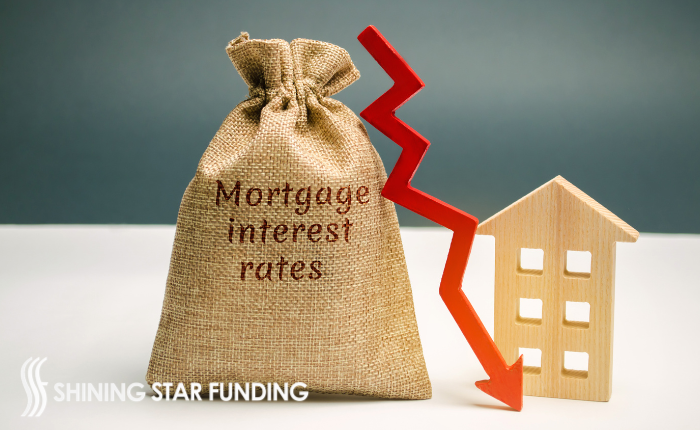
Timing the housing market can feel like trying to predict the weather—uncertain, dynamic, and influenced by many factors. For buyers and investors closely watching the category of rates, understanding when will mortgage rates fall is essential for making informed financial decisions. Reviewing comprehensive Homebuyer Resources can help you stay ahead of changing market expectations. Whether you’re purchasing your first home or expanding a property portfolio, mortgage rate movements directly affect affordability and long-term returns.
Many are asking: will interest rates go up, or are rates going up or down in the coming months? The answer depends on a complex interaction of economic signals, global trends, and policy decisions. If you are seeking alternative financing routes during volatile cycles, exploring the adjustable-rate mortgage pros and cons can clarify your structural options. Understanding these moving parts can help you better prepare and act with confidence.
What Are Current Mortgage Rates?
Mortgage rates fluctuate daily based on market conditions, but they generally reflect broader economic health. Rates tend to rise during periods of strong economic growth and inflation, and fall during economic slowdowns or uncertainty. To look at long-term regional data shifts, check the Freddie Mac Primary Mortgage Market Survey report for current benchmarks.
In the current category of rates, borrowers are experiencing moderate to elevated levels compared to historically low periods seen in past years. While not at peak levels, rates remain sensitive to inflation trends and central bank policies. This has led many potential buyers to pause and ask, is interest rate going up or down in the near future?
Mortgage Rate Predictions
Forecasting mortgage rates is never exact, but experts rely on economic indicators to form a reasonable outlook for mortgage rates. Most projections suggest that rates may gradually decline if inflation continues to stabilize and economic growth slows. This is true whether you are tracking baseline criteria for a traditional conventional loan or examining higher-balance financing paths.
However, volatility remains a factor. Short-term fluctuations are common, and while long-term trends may point downward, temporary increases can still occur. This uncertainty is why many buyers continue to ask, are rates going up or down before making a commitment.

When Will Home Loan Interest Rates Go Down?
The question of when will mortgage rates fall depends largely on inflation and monetary policy. Rates are more likely to decrease when inflation is under control and economic activity cools.
Historically, rate declines follow periods of aggressive increases. If inflation continues trending downward, central banks may ease policies, which can lead to lower borrowing costs. For those tracking the category of rates, this could signal opportunities in the near to medium term.
Still, no exact timeline exists. Buyers should focus less on perfectly timing the market and more on affordability and long-term financial goals.
What Makes Mortgage Rates Go Down?
Several key factors influence whether mortgage rates decrease. Understanding these can help answer the ongoing question: will interest rates go up or fall?
The Economy
A slowing economy often leads to lower mortgage rates. When growth declines, demand for loans decreases, and lenders may reduce rates to stimulate borrowing. Economic indicators such as unemployment rates, consumer spending, and GDP growth all play a role.
The Federal Reserve
The central bank influences interest rates through monetary policy. While it does not directly set mortgage rates, its decisions on benchmark rates affect borrowing costs across the board. When the central bank lowers rates to support the economy, mortgage rates often follow.
The Secondary Market
Mortgage-backed securities are traded in the secondary market. Investor demand for these securities impacts mortgage rates. When demand is high, rates tend to fall; when demand weakens, rates can rise.
Treasury Yield Curves
Mortgage rates are closely tied to long-term government bond yields, especially the 10-year Treasury note. When yields decline, mortgage rates typically follow. Watching yield curve trends provides insight into the outlook for mortgage rates.
World Events
Global uncertainty—such as geopolitical tensions or financial crises—can drive investors toward safer assets like government bonds. This increased demand can lower yields and, in turn, reduce mortgage rates.
These factors collectively shape whether is interest rate going up or down, making it essential for buyers to stay informed.

How to Get the Lowest Possible Mortgage Rate
While predicting when will mortgage rates fall is helpful, focusing on what you can control is equally important. Here are practical strategies to secure the best possible rate:
- Improve your credit score by paying bills on time and reducing debt
- Save for a larger down payment to lower lender risk
- Compare multiple offers to find competitive terms
- Choose a shorter loan term if financially feasible
- Lock in your rate when market conditions are favorable
For buyers in the category of rates, these steps can make a significant difference in long-term savings, regardless of market timing.
Outlook for Mortgage Rates: What Buyers Should Expect
The outlook for mortgage rates suggests a gradual easing over time, but not without fluctuations. Inflation trends, employment data, and global stability will continue to influence direction.
Buyers should remain flexible and informed. Instead of waiting indefinitely for the perfect rate, consider whether current conditions align with your financial goals. For many, acting when affordability meets opportunity is more practical than waiting for uncertain declines.
To evaluate how potential market shifts change your projected monthly overhead, run your metrics through our interactive mortgage calculators and monitor structural cost levels on our real-time mortgage rates index. Once you establish your ideal payment parameters and are ready to execute your home buying plan, you can securely apply now to lock in your custom loan track.
Final Thoughts
Understanding when will mortgage rates fall requires looking beyond headlines and focusing on the underlying factors driving change. While predictions offer guidance, they are not guarantees.
For first-time homebuyers, self-employed individuals, retirees, and investors, the key is preparation. Monitor the category of rates, strengthen your financial profile, and stay ready to act when the right opportunity arises.
Ultimately, the question is not just are rates going up or down, but how you can position yourself to succeed regardless of market conditions. With the right strategy, you can navigate uncertainty and make confident real estate decisions.
Frequently Asked Questions
You can’t control the market, but you can improve your own mortgage pricing by: Boosting your credit score, Reducing debt before applying, Saving for a larger down payment, Comparing multiple lenders, Choosing the right loan type and term, and Locking in your rate at the right time. A strong financial profile often translates to a lower rate offer, regardless of market direction.
Rates move based on market reactions to economic data. When stronger employment, inflation, or growth data is released, markets may price in higher future rates. Conversely, weaker data can spark expectations of lower rates. So the question is interest rate going up or down has a dynamic answer that can shift weekly — or even daily.
This is one of the biggest decisions borrowers make. If you’re constantly asking are rates going up or down, you might be waiting for a “perfect” moment. The challenge is that waiting can be costly if home prices are rising or your financial situation could benefit now. Many experts recommend setting a target rate at which you would feel comfortable locking — and not waiting indefinitely.
Mortgage rates change daily based on financial markets and economic data. The most widely followed mortgages — like the 30-year fixed — are influenced by investor expectations, inflation trends, and Federal Reserve policy. To understand the current snapshot, consult lender sites or financial news. If you’re asking are rates going up or down, the most recent data can help you decide whether to lock in now or watch for changes.
Several key forces can push rates downward: The Economy (a slowing economy reduces inflation pressure), The Federal Reserve (monetary easing or benchmark rate cuts), The Secondary Market (investor demand for long-term bonds), Treasury Yield Curves, and World Events (global flight to safety that drops bond yields and mortgage rates).
The outlook for mortgage rates depends on several factors: Inflation trends, Federal Reserve decisions, Employment figures, and Global economic pressures. Economists typically publish quarterly forecasts, but keep in mind that unexpected events — like geopolitical tensions or economic disruptions — can change the outlook quickly.
This is the key question on many buyers’ minds. The honest answer is: it depends. Mortgage rates don’t follow a predictable schedule — they fluctuate based on economic signals and market expectations. If you’re asking when will mortgage rates fall, you’re essentially asking whether inflation pressures soften, economic growth slows moderately without recession, and Treasury yields decline. Those conditions historically create downward pressure on rates.
Trusted sources include: Federal Reserve releases, Financial media (Bloomberg, Reuters, Wall Street Journal), Mortgage rate aggregators, and Economist forecasts from respected institutions. While no prediction is guaranteed, a broader sampling helps you gauge the outlook for mortgage rates and plan your home financing strategy.
This is an important distinction: mortgage rates are driven by the broader bond market and investor expectations. The Federal Reserve’s short-term rate influences bank lending costs, but long-term mortgage rates are more closely linked to investor demand for bonds. So even if the Fed cuts the benchmark rate, mortgage rates may not fall immediately if long-term yields remain elevated.
When people ask will interest rates go up, they’re usually referring to the Federal Reserve’s benchmark rate. The Fed doesn’t set mortgage rates directly, but its actions affect lending conditions. If inflation remains stubbornly high, the Fed may tighten policy — which could indirectly push mortgage rates higher. So while mortgage rates are somewhat independent from the Federal Reserve’s overnight rate, the two are closely related.

527 Sycamore Valley Rd W, Danville, CA 94526
Toll Free Call : (866) 280-0020
For informational purposes only. No guarantee of accuracy is expressed or implied. Programs shown may not include all options or pricing structures. Rates, terms, programs and underwriting policies subject to change without notice. This is not an offer to extend credit or a commitment to lend. All loans subject to underwriting approval. Some products may not be available in all states and restrictions may apply. Equal Housing Opportunity.
Interactive calculators are self-help tools. Results received from this calculator are designed for comparative and illustrative purposes only, and accuracy is not guaranteed. Shining Star Funding is not responsible for any errors, omissions, or misrepresentations. This calculator does not have the ability to pre-qualify you for any loan program or promotion. Qualification for loan programs may require additional information such as credit scores and cash reserves which is not gathered in this calculator. Information such as interest rates and pricing are subject to change at any time and without notice. Additional fees such as HOA dues are not included in calculations. All information such as interest rates, taxes, insurance, PMI payments, etc. are estimates and should be used for comparison only. Shining Star Funding does not guarantee any of the information obtained by this calculator.
Privacy Policy | Accessibility Statement | Term of Use | NMLS Consumer Access
CMG Mortgage, Inc. dba Shining Star Funding, NMLS ID# 1820 (www.nmlsconsumeraccess.org, www.cmghomeloans.com), Equal Housing Opportunity. Licensed by the Department of Financial Protection and Innovation (DFPI) under the California Residential Mortgage Lending Act No. 4150025. To verify our complete list of state licenses, please visit www.cmgfi.com/corporate/licensing