
What Is a Modular Home? Guide to Financing, Costs, Loans, and Buying Process
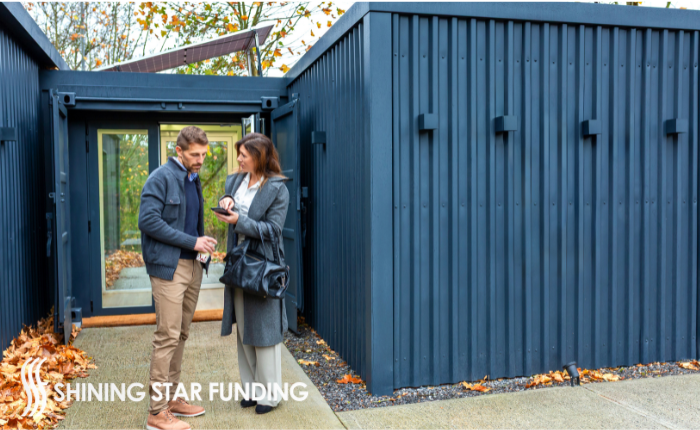
In today’s evolving housing market, more buyers are exploring efficient and cost-effective alternatives to traditional construction. One option gaining attention in the homebuying process is the modular home. Designed with precision, built in sections, and assembled on-site, modular homes offer a modern approach to ownership that balances affordability, speed, and quality.
Whether you are a first-time buyer, self-employed professional, retiree, or real estate investor, understanding what a modular home is and how financing works can help you make a more informed decision within our extensive network of homebuyer resources.
What Is a Modular Home?
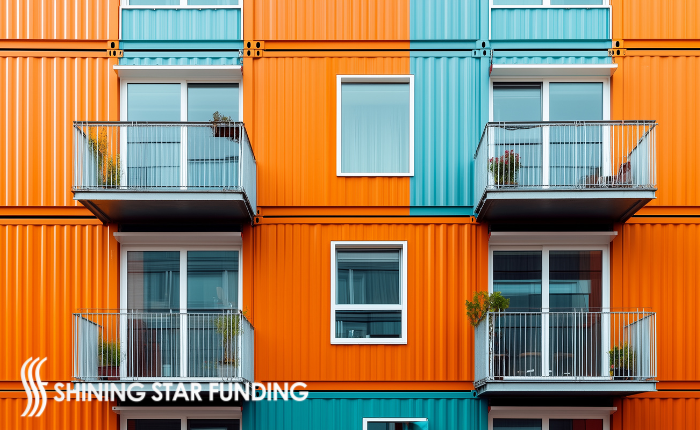
A modular home is a residential structure built in sections (modules) inside a controlled factory environment and then transported to a building site for assembly on a permanent foundation. Unlike temporary structures, modular homes must meet the same local and state building codes as traditional site-built homes, as detailed in the Wikipedia modular home overview.
These homes are designed for long-term living and often include modern layouts, energy-efficient materials, and customizable designs. In the homebuying process category, modular homes are considered real property once permanently installed on land owned by the buyer.
Manufactured Homes vs. Modular Homes
It is common to confuse modular homes with manufactured homes, but they are not the same.
- Modular homes: Built to local building codes, placed on permanent foundations, and treated as real estate
- Manufactured homes: Built to federal HUD codes, often placed on leased land or movable foundations
In the homebuying process category, this distinction is important because financing options and property value appreciation differ significantly between the two. If you are configuring a modular layout for backyard use, consulting our accessory dwelling unit guide can clarify municipal boundary limits.
How Much Is a Modular Home?
The cost of a modular home varies based on size, design, materials, and location. On average, modular homes can range from $100 to $250 per square foot, excluding land costs and site preparation. Within the homebuying process category, modular homes are often considered more cost-efficient than traditional builds due to reduced construction time and controlled factory production, making them a premier variant among the cheapest homes to build.
Additional expenses may include:
- Land purchase
- Foundation construction
- Utility connections
- Permits and site work
How to Finance a Modular Home
Financing a modular home is similar to financing a traditional house, but it often involves specific loan types depending on whether the home is complete or still under construction. Common options for modular home financing include construction-to-permanent loans or standard fixed-rate products like conventional loans, FHA loans for qualified buyers, and VA loans for eligible service members.
When financing a modular home, lenders typically evaluate both the value of the home and the land it will be placed on. In the homebuying process category, securing financing early is essential to ensure smooth project completion.
Construction Loan for Modular Home
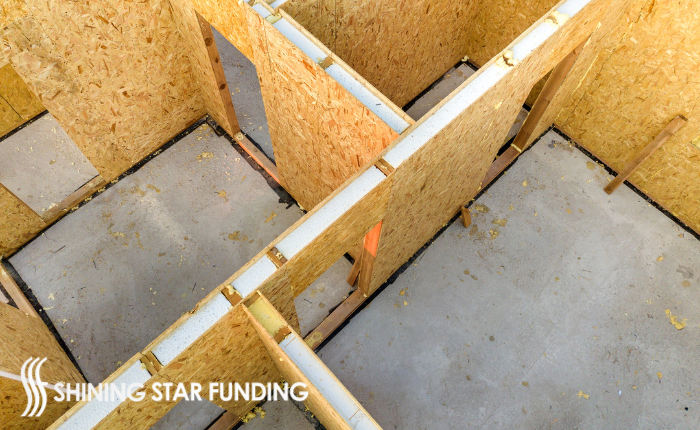
A construction loan for modular home projects is often used during the building phase. This short-term loan covers the cost of manufacturing, transporting, and assembling the home. Once construction is complete, the loan can convert into a long-term mortgage. Reviewing our structural manual on construction loans explained can guide you through these draw milestones.
To Build a Modular Home
Building a modular home involves several key steps:
- Purchasing land or securing a lot
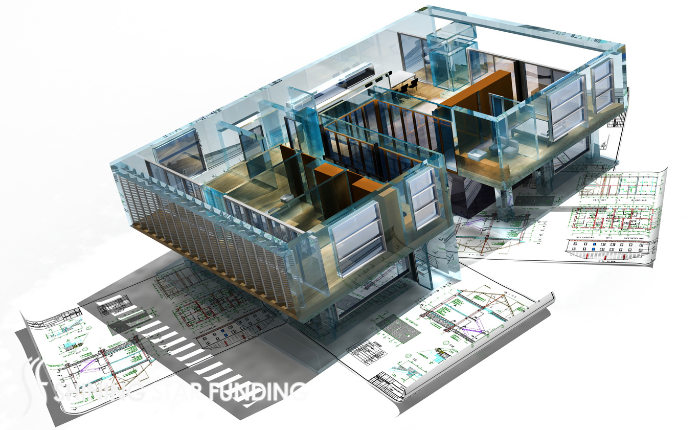
- Choosing a floor plan and design
- Obtaining permits and approvals
- Manufacturing modules in a factory
- Transporting and assembling on-site
- Final inspections and utility connections
In the homebuying process category, this method offers faster completion times compared to traditional construction, often reducing build time by several months.
To Buy a Modular Home
Buying a modular home typically follows a structured process:
- Select a builder or manufacturer
- Choose a design and customization options
- Secure financing for modular home loans
- Prepare the land and foundation
- Complete construction and final walkthrough
Buying modular homes allows flexibility in design while maintaining cost efficiency, making it attractive for budget-conscious buyers and investors. Homeowners can map out their estimates using interactive online mortgage calculators and review current real-time rates prior to signing.
Types of Home Loans for Modular Homes
Several loan options are available for modular housing:
- Conventional loans: Standard mortgage loans for qualified buyers
- FHA loans: Government-backed loans with lower down payment requirements
- VA loans: Available to eligible veterans with favorable terms
- Construction loans: Used during the building phase before permanent financing
These modular home loans are designed to accommodate different financial situations, making ownership more accessible in the homebuying process category.
Modular Home Loan Requirements
Lenders typically require the following for approval:
- Good credit score (varies by loan type)
- Stable income and employment history
- Down payment (often 5% to 20%)
- Appraisal of land and home value
- Approved building plans and contractor details
Meeting these requirements is essential when pursuing financing a modular home, especially for first-time buyers or self-employed applicants.
Pros and Cons of Modular Homes
Pros
- Faster construction timelines
- Cost efficiency compared to traditional homes
- High-quality factory-controlled building standards
- Energy-efficient design options
Cons
- Land and site preparation costs not included
- Financing complexity during construction phase
- Limited availability of certain custom designs
Within the homebuying process category, modular homes offer strong advantages, but buyers should carefully evaluate financing and site requirements before proceeding.
Advantages of Modular Housing
There are several key advantages of modular housing that make it appealing:
- Predictable construction timelines
- Reduced weather-related delays
- Lower labor costs
- Consistent quality control
These advantages of modular housing make it a practical choice for both homeowners and real estate investors looking for efficiency and value in the homebuying process category.
Final Thoughts
Understanding what a modular home is helps buyers explore a modern, efficient alternative to traditional housing. From financing a modular home to selecting the right construction loan for modular home projects, there are multiple pathways to ownership depending on your financial situation and goals.
Within the homebuying process category, modular homes stand out for their speed, affordability, and flexibility. Whether you are buying modular homes for personal use or investment purposes, careful planning and the right financing strategy can make the process smooth and rewarding. When you are ready to evaluate tailored limits or lock in your next financing step, submit your credentials directly through our secure Apply Now online portal.
Frequently Asked Questions
Often, yes. Because modules must be sturdy enough to be transported by truck and lifted by crane, they are frequently built with more structural reinforcement than site-built homes.
Most manufacturers offer a variety of floor plans with customizable options for cabinets, flooring, and fixtures. However, structural changes are more limited than with a custom stick-built architect.
Absolutely. Once the home is finished and appraised as real property, you can secure standard modular home financing with 15- or 30-year terms.
No. You must check local zoning laws and deed restrictions. Some neighborhoods or HOAs may have specific requirements regarding the type of construction allowed.
It helps to work with an agent familiar with new construction and local zoning laws to ensure your land is suitable for a modular build.
Not necessarily. Modern modular designs range from sleek contemporary styles to traditional Cape Cods. Once finished, it is often impossible to tell a modular home apart from a stick-built one.
While the modules themselves might be built in 6–8 weeks, the total process—including permitting, site prep, and final assembly—usually takes 4–6 months.
It requires more paperwork than a standard mortgage because the lender is vetting both you and the home builder, but the requirements for income and credit are generally the same.
Yes. Because they are built to the same standards as stick-built homes and are attached to a permanent foundation, they tend to appreciate in value over time, unlike manufactured homes which may depreciate.
Underestimating site costs. Many buyers focus on the “sticker price” of the home modules and forget to budget for the foundation, septic system, and utility connections.

527 Sycamore Valley Rd W, Danville, CA 94526
Toll Free Call : (866) 280-0020
For informational purposes only. No guarantee of accuracy is expressed or implied. Programs shown may not include all options or pricing structures. Rates, terms, programs and underwriting policies subject to change without notice. This is not an offer to extend credit or a commitment to lend. All loans subject to underwriting approval. Some products may not be available in all states and restrictions may apply. Equal Housing Opportunity.
Interactive calculators are self-help tools. Results received from this calculator are designed for comparative and illustrative purposes only, and accuracy is not guaranteed. Shining Star Funding is not responsible for any errors, omissions, or misrepresentations. This calculator does not have the ability to pre-qualify you for any loan program or promotion. Qualification for loan programs may require additional information such as credit scores and cash reserves which is not gathered in this calculator. Information such as interest rates and pricing are subject to change at any time and without notice. Additional fees such as HOA dues are not included in calculations. All information such as interest rates, taxes, insurance, PMI payments, etc. are estimates and should be used for comparison only. Shining Star Funding does not guarantee any of the information obtained by this calculator.
Privacy Policy | Accessibility Statement | Term of Use | NMLS Consumer Access
CMG Mortgage, Inc. dba Shining Star Funding, NMLS ID# 1820 (www.nmlsconsumeraccess.org, www.cmghomeloans.com), Equal Housing Opportunity. Licensed by the Department of Financial Protection and Innovation (DFPI) under the California Residential Mortgage Lending Act No. 4150025. To verify our complete list of state licenses, please visit www.cmgfi.com/corporate/licensing