
What Is A Mansion? Size, Features, Costs, And What Luxury Buyers Should Know
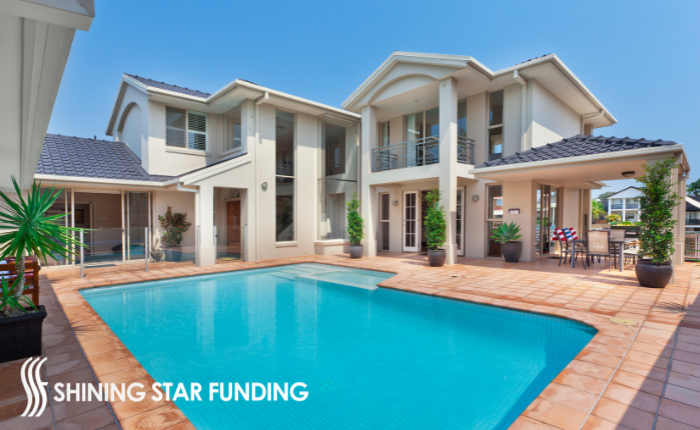
Understanding What Defines A Mansion In Real Estate
The word “mansion” often brings to mind luxury estates, grand entrances, elegant architecture, and massive living spaces. But technically what is a mansion in today’s housing market? The answer is more detailed than simply owning a large house.
In the modern real estate world, a mansion is generally considered a very large, high-end residential property with luxury features, premium construction, and significant square footage. However, size alone does not always determine whether a home qualifies as a mansion. Location, design, amenities, lot size, craftsmanship, and market value also play major roles.
For buyers exploring upscale real estate during the homebuying process, understanding mansion classifications can help set realistic expectations for costs, maintenance, financing, and long-term investment potential. Whether you are a first-time luxury buyer, retiree seeking a dream property, investor purchasing prestige real estate, or self-employed buyer looking for a custom residence, reviewing verified homebuyer resources to separate a mansion from a standard luxury home is an important step.
Technically What Is A Mansion?
Technically what is a mansion depends on several factors, but most real estate professionals agree that mansions combine exceptional size with luxury characteristics. To dig deeper into historical architectural contexts, you can browse the comprehensive Wikipedia mansion encyclopedia node.
In many markets, a mansion typically includes:
- Large interior square footage
- High-end materials and finishes
- Premium amenities
- Architectural distinction
- Expansive outdoor space
- Prestigious location
Historically, mansions were associated with wealthy families, aristocrats, and estate owners. Today, the definition has expanded to include various styles of luxury properties across suburban, urban, and rural markets.
For buyers navigating the homebuying process, it is important to recognize that not every large house automatically qualifies as a mansion. Luxury quality and exclusivity matter just as much as size.
How Many Square Feet Is A Mansion?
One of the most common questions buyers ask is: how many square feet is a mansion?
Although there is no universal legal definition, many real estate experts consider homes with at least 5,000 square feet to qualify as mansions.
In luxury markets, however, the expectations can be much higher. Some buyers may only classify properties above 8,000 or even 10,000 square feet as true mansions.
Typical mansion square feet ranges often include:
| Property Type | Approximate Square Footage |
|---|---|
| Luxury Home | 3,500 – 5,000 Square Feet |
| Traditional Mansion | 5,000 – 8,000 Square Feet |
| Estate Mansion | 8,000+ Square Feet |
| Mega Mansion | 15,000+ Square Feet |
When evaluating luxury properties during the homebuying process, buyers should consider not only square footage but also functionality, layout efficiency, and long-term maintenance requirements by simulating parameters on customized mortgage calculators.
How Big Is A Mansion Compared To A Standard Home?
Compared to the average single-family home, mansions are dramatically larger.
In many housing markets, standard homes may range between 1,500 and 2,500 square feet. Mansions can easily be two to five times larger.
Buyers wondering how big is a mansion should also understand that large homes often include:
- Multiple living areas
- Formal dining rooms
- Guest suites
- Home theaters
- Wine cellars
- Private gyms
- Libraries
- Indoor pools
- Expansive garages
These features contribute to both the property’s overall size and its luxury classification.
How Many Square Feet Is In An Average Mansion?
Another common question is how many square feet is in an average mansion.
While averages vary by region and market conditions, many luxury real estate professionals estimate that the average mansion falls between 5,000 and 8,000 square feet.
In high-end luxury markets, average mansion square feet may exceed 10,000 square feet, especially for waterfront estates, gated properties, and celebrity residences.
For buyers involved in the homebuying process, understanding average property sizes can help narrow down realistic search criteria and budgeting expectations.
Features Commonly Found In Mansions
Luxury amenities are a major part of what defines a mansion.
Custom Architecture
Mansions often feature distinctive architectural styles, including Mediterranean, Modern contemporary, Colonial, French country, Craftsman estates, and European-inspired designs.
Premium Interior Finishes
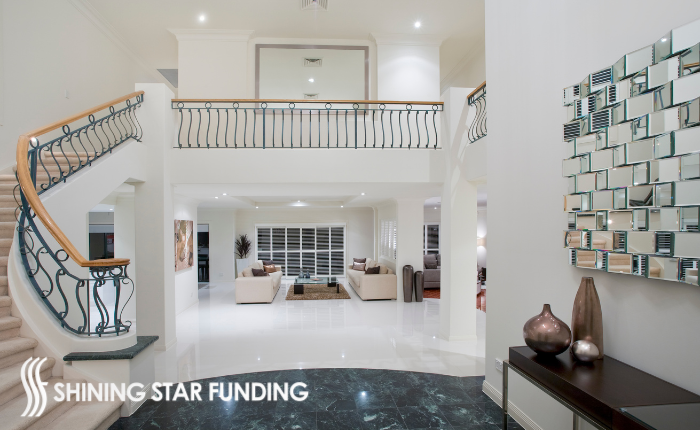
Luxury homes frequently include marble countertops, custom cabinetry, imported materials, designer lighting, vaulted ceilings, and smart home systems.
Outdoor Living Spaces
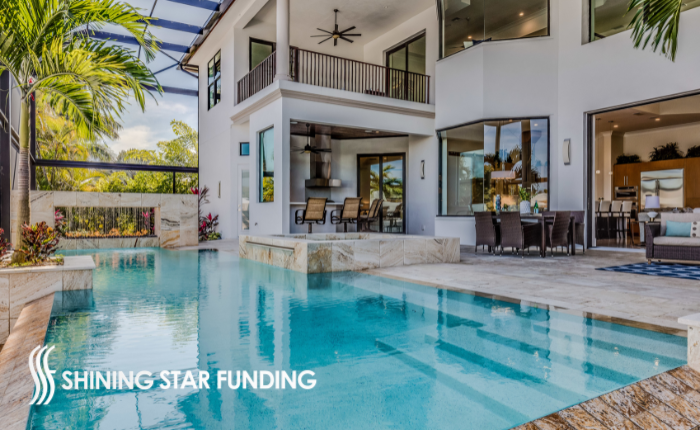
Mansions often prioritize entertainment and outdoor luxury through resort-style pools, outdoor kitchens, tennis courts, private gardens, guest houses, and large patios.
Privacy And Security
Many mansion properties include gated entrances, private driveways, security systems, and large acreage. These features contribute to the exclusivity many buyers seek during the homebuying process.
Location Plays A Major Role
Location significantly influences whether a home is considered a mansion.
A 5,000-square-foot property in one market may be viewed as a luxury estate, while the same size home in another region could be relatively common.
Prestigious mansion locations often include waterfront communities, exclusive suburbs, mountain retreats, urban luxury districts, and private gated neighborhoods.
Neighborhood reputation, land value—often established via a professional home valuation—and surrounding properties all contribute to a home’s luxury classification.
How Much Does A Mansion Cost?
Mansion pricing varies dramatically depending on location, square footage, lot size, amenities, architectural quality, and local luxury market demand.
In some regions, a mansion may cost several million dollars, while in ultra-luxury markets prices can reach tens of millions.
Beyond the purchase price, buyers should also prepare for ongoing ownership expenses such as property taxes, insurance, landscaping, maintenance, utility costs, and security services. Tracking how these carrying costs shift against your financial profile means reviewing them side-by-side with live real-time rates.
For many buyers in the homebuying process, understanding long-term carrying costs is just as important as evaluating the initial purchase price.

Mansion Financing Considerations
Luxury properties often require specialized financing approaches.
Larger Down Payments
Mansion purchases may require substantial down payments depending on loan structure and property value.
Income Verification
Self-employed buyers and investors may need extensive financial documentation during underwriting.
Jumbo Loans
Many mansion purchases exceed conventional limits and require high-performance jumbo loans to accommodate elite property values.
These loans often have stricter qualification standards related to credit scores, cash reserves, debt-to-income ratios, and asset verification.
Preparing financially before entering the homebuying process can help luxury buyers navigate these requirements more effectively.
Are Mansions Good Investments?
Mansions can offer long-term appreciation potential, but luxury properties also carry unique risks.
Potential Advantages
- Prestige ownership
- Strong appreciation in prime markets
- Customization opportunities
- Lifestyle benefits
Potential Challenges
- Higher maintenance costs
- Smaller buyer pools
- Longer selling timelines
- Economic sensitivity
Real estate investors considering luxury homes should carefully evaluate local market conditions and long-term demand trends.
Common Misconceptions About Mansions
Bigger Does Not Always Mean Better
Some oversized homes may lack the quality, design, or location typically associated with mansion status.
Not All Mansions Are Modern
Historic estates, renovated properties, and older architectural homes may still qualify as mansions despite their age.
Luxury Markets Vary By Region
A mansion in one city may look very different from a mansion in another market due to local architecture, land availability, and buyer preferences.
Final Thoughts On What Is A Mansion
Understanding what is a mansion involves more than measuring square footage alone. While many experts agree that homes above 5,000 square feet often qualify, true mansions combine luxury design, premium amenities, architectural quality, and prestigious locations.
Whether you are researching how many square feet is a mansion, comparing mansion square feet averages, or exploring luxury real estate opportunities during the homebuying process, evaluating the complete property experience is essential.
For buyers seeking prestige, privacy, and long-term investment potential, mansions continue to represent some of the most distinctive and aspirational properties in the real estate market. When you are ready to obtain elite pre-approval financing options for your premier acquisition, you can seamlessly apply online now to launch your customized track.
Frequently Asked Questions
While there’s no set rule, most mansions feature at least 5 or 6 bedrooms and a similar (or greater) number of bathrooms to accommodate guests and staff.
Not necessarily. A “historic mansion” carries prestige due to its heritage, but modern “mega-mansions” focus on cutting-edge technology and massive square footage.
The average American home is roughly 2,300 to 2,500 square feet. A mansion is typically at least double that size, offering significantly more volume and specialized rooms.
Significantly. Because property taxes are based on assessed value, the large footprint and high-end finishes of a mansion lead to much higher annual tax bills compared to standard residential properties.
In high-density urban areas, the threshold can be lower. Because space is at a premium, a luxury property with 3,000 to 4,000 square feet that features grand architecture and historic significance might be classified as a mansion.
In suburban luxury markets, the average mansion typically sits between 6,000 and 10,000 square feet, allowing for sprawling layouts and extensive outdoor features.
Historically, a manor was the main house of a landed estate and often included the surrounding land and smaller buildings. Today, “manor” is often used interchangeably with “mansion” for branding, though it implies a more traditional, stately feel.
While there is no legal definition, real estate professionals generally define a mansion as a large, impressive house with at least 5,000 to 8,000 square feet of living space, built with high-quality materials and luxury amenities.
A mega-mansion is a property that takes luxury to the extreme, usually defined as having over 20,000 square feet of space and features like bowling alleys, private spas, or underground parking for a car collection.
A mansion is built with unique architectural designs and high-end, durable materials. A “McMansion” is a slang term for large, mass-produced homes that use lower-quality materials and lack architectural cohesion.

527 Sycamore Valley Rd W, Danville, CA 94526
Toll Free Call : (866) 280-0020
For informational purposes only. No guarantee of accuracy is expressed or implied. Programs shown may not include all options or pricing structures. Rates, terms, programs and underwriting policies subject to change without notice. This is not an offer to extend credit or a commitment to lend. All loans subject to underwriting approval. Some products may not be available in all states and restrictions may apply. Equal Housing Opportunity.
Interactive calculators are self-help tools. Results received from this calculator are designed for comparative and illustrative purposes only, and accuracy is not guaranteed. Shining Star Funding is not responsible for any errors, omissions, or misrepresentations. This calculator does not have the ability to pre-qualify you for any loan program or promotion. Qualification for loan programs may require additional information such as credit scores and cash reserves which is not gathered in this calculator. Information such as interest rates and pricing are subject to change at any time and without notice. Additional fees such as HOA dues are not included in calculations. All information such as interest rates, taxes, insurance, PMI payments, etc. are estimates and should be used for comparison only. Shining Star Funding does not guarantee any of the information obtained by this calculator.
Privacy Policy | Accessibility Statement | Term of Use | NMLS Consumer Access
CMG Mortgage, Inc. dba Shining Star Funding, NMLS ID# 1820 (www.nmlsconsumeraccess.org, www.cmghomeloans.com), Equal Housing Opportunity. Licensed by the Department of Financial Protection and Innovation (DFPI) under the California Residential Mortgage Lending Act No. 4150025. To verify our complete list of state licenses, please visit www.cmgfi.com/corporate/licensing