
Site Built Homes Explained: Costs, Construction, Financing, And Long-Term Homeownership Benefits
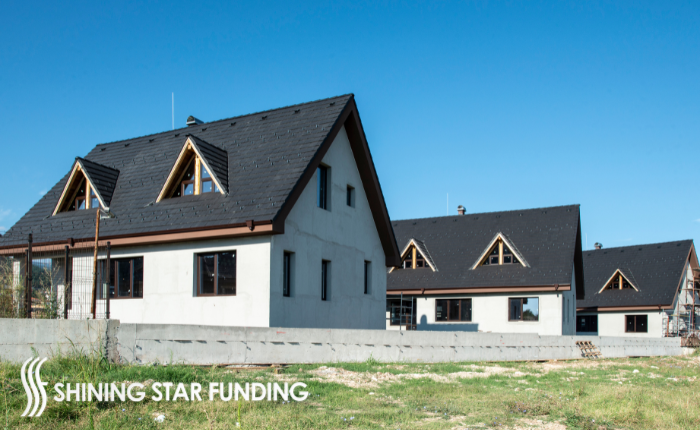
Why Site Built Homes Remain A Popular Choice
For many buyers exploring long-term homeownership, site built homes continue to stand out as one of the most desirable housing options available. These properties are known for their durability, customization opportunities, financing flexibility, and strong resale value. Whether you are a first-time buyer, retiree, investor, or self-employed borrower seeking stability, understanding how build on site homes work can help you make more informed real estate decisions.
Unlike pre constructed homes that are manufactured in factories and transported to a property, site built homes are constructed directly on the land where the home will permanently remain. This traditional building method allows for greater customization, stronger foundations, and architectural flexibility that appeals to a wide range of homeowners. To review various structural differences in prefab processing, exploring an authoritative factory-built homes guide on Forbes can ground your baseline knowledge.
As more buyers prioritize personalized living spaces and long-term property appreciation, designed homes built on-site continue to play a major role in the future of homeownership.
What Is A Site-Built Home?
A site-built home is a residential property constructed entirely on its permanent lot rather than assembled in a factory. Builders complete the structure piece by piece at the actual building site using traditional construction methods.
These built homes are commonly associated with:
- A traditional single-family home layout
- Custom luxury homes
- Townhomes
- Multifamily residences
- Suburban developments
Because the construction happens directly on the property, builders can tailor the home to match local building codes, climate conditions, and homeowner preferences.
For buyers interested in long-term homeownership, site built homes often provide greater flexibility and customization compared to factory-built housing alternatives.
How Site-Built Homes Are Constructed
The construction process for build on site homes typically follows several structured phases. Each stage requires planning, inspections, and coordination between contractors, architects, and local authorities.
Land Preparation
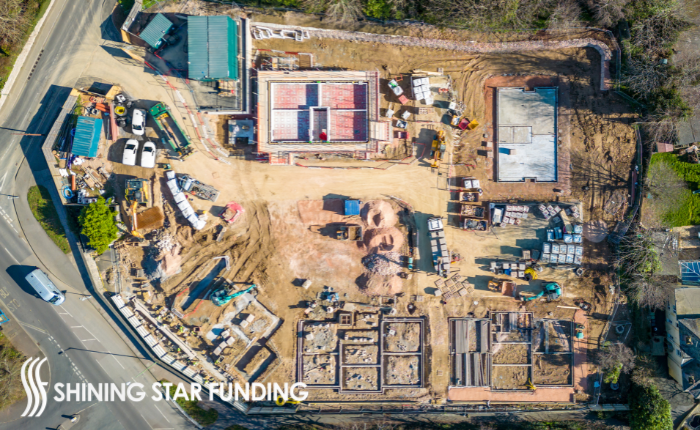
Before construction begins, the land must be cleared and prepared. Builders may grade the property, remove debris, and ensure proper drainage.
Foundation Installation
The foundation is one of the most important components of site built homes. Common foundation types include concrete slab foundations, basements, or crawl spaces. The foundation supports the entire structure and helps improve long-term durability, creating a permanent profile that sets it apart from a mobile or manufactured home setup.
Framing
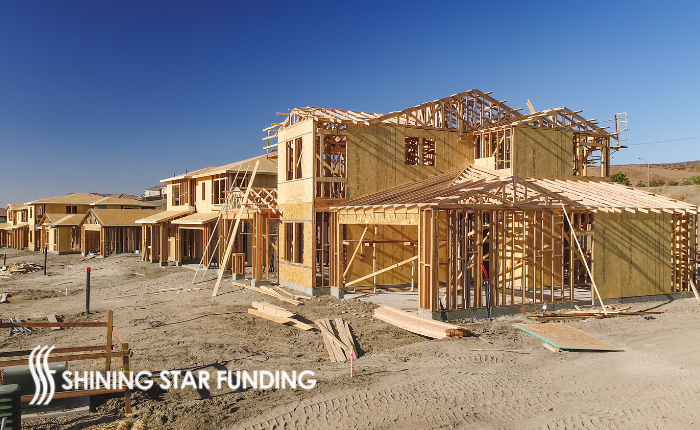
Once the foundation is complete, crews construct the framing system using wood or steel materials. Framing establishes the layout of walls, floors, rooflines, and structural support systems.
Mechanical Systems
Builders then install major systems, including electrical wiring, plumbing, HVAC systems, and insulation.
Interior And Exterior Finishing
The final stages include drywall, flooring, roofing, cabinetry, paint, windows, landscaping, and finishing details. Because designed homes are created directly on-site, homeowners often have opportunities to customize finishes and layouts during construction.
Design Features Of Site-Built Homes
One reason site built homes remain attractive is the level of design flexibility they offer. Buyers can often personalize both the interior and exterior to meet their lifestyle needs.
Custom Floor Plans
Homeowners may choose open-concept layouts, additional bedrooms, home offices, or larger kitchens depending on family needs and future goals.
Architectural Variety
Build on site homes can reflect a wide range of architectural styles, including Modern, Farmhouse, Traditional, Craftsman, Mediterranean, and Contemporary designs.
Energy-Efficient Features
Many newer site built homes include energy-efficient windows, smart home systems, solar readiness, improved insulation, and efficient HVAC systems. These features can reduce utility costs and improve long-term homeownership affordability.
Outdoor Customization
Buyers may also personalize patios, garages, driveways, pools, and landscaping. This level of flexibility is often harder to achieve with pre constructed homes.
Time Frame For Building A Site-Built Home
The timeline for constructing site built homes varies based on size, weather conditions, labor availability, permits, and customization levels.
On average, the process may take several months for smaller properties, longer for custom-designed homes, and additional time if permits or inspections are delayed. Weather can also impact construction schedules, especially in regions with heavy rain, snow, or extreme temperatures. Buyers planning for homeownership through new construction should budget extra time for possible delays and material shortages.
Site-Built Home Costs
The cost of build on site homes depends on numerous factors, including location, land prices, construction materials, labor costs, design complexity, and square footage. Custom designed homes generally cost more than standard builder-grade properties because of upgraded finishes and personalized layouts.
Additional expenses may include permit fees, utility connections, land preparation, architectural plans, and landscaping. Although site built homes may require larger upfront investments compared to some pre constructed homes, many buyers view the long-term value and durability as worthwhile benefits.
Financing Options For Site-Built Homes
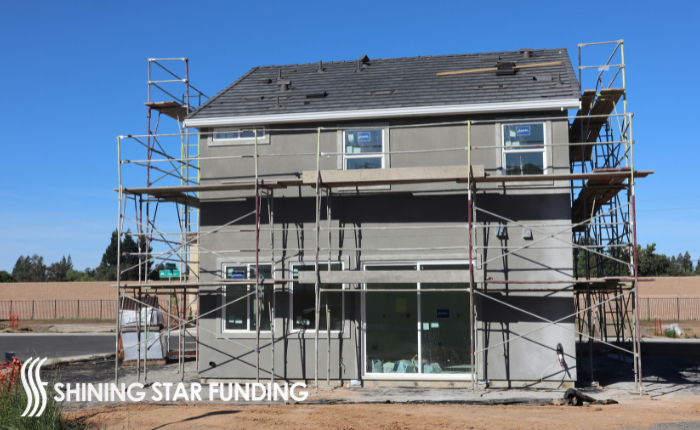
Financing for site built homes can vary depending on whether the property is already completed or still under construction.
Financing A Completed Site-Built Home
Completed built homes typically qualify for traditional mortgage financing options. Common loan types include conventional loans, FHA loans, VA loans, and USDA loans. Buyers pursuing homeownership through completed homes often experience a more straightforward mortgage approval process because the property already exists and can be appraised immediately.
Financing The Construction Of A Site-Built Home
Construction financing is more complex because the home does not yet exist when the loan begins. Construction loans may provide funding in phases as building milestones are completed. For a transparent analysis of step-by-step draws, reviewing how construction loans explained guidelines operate can protect your upfront capital.
These loans often require detailed building plans, construction contracts, builder approval, budget documentation, and higher credit qualifications. Once construction is complete, borrowers may convert the loan into a permanent mortgage. Self-employed buyers and investors should prepare additional financial documentation during this stage, especially when tracking their long-term numbers via interactive mortgage calculators.
Site-Built Home Appreciation And Resale Value
One of the major advantages of site built homes is their strong long-term appreciation potential.
Higher Demand In Many Markets
Traditional built homes often appeal to a wider range of buyers due to their permanent foundations, customizable features, and financing accessibility.
Land Ownership Adds Value
Unlike some pre constructed homes that may sit on leased land, site built homes are typically attached to owned real estate. Land ownership can contribute significantly to property appreciation.
Customization Can Improve Marketability
Well-maintained designed homes with modern upgrades may attract stronger resale demand. Features that commonly improve resale value include updated kitchens, energy-efficient systems, home offices, outdoor living areas, and open floor plans.
Neighborhood Growth Impacts Appreciation
Local market conditions, school districts, infrastructure improvements, and community development all influence long-term appreciation, which must be systematically weighed against live real-time rates to pinpoint perfect entry parameters.
Site-Built Homes Vs. Pre Constructed Homes
| Feature | Site Built Homes | Pre Constructed Homes |
|---|---|---|
| Construction Location | Built On Property Site | Factory Built |
| Customization | High | Moderate |
| Foundation | Permanent | Varies |
| Financing Availability | Widely Available | Sometimes Limited |
| Appreciation Potential | Often Strong | Varies By Property Type |
Final Thoughts On Site Built Homes
Site built homes continue to play a major role in modern homeownership because they offer durability, flexibility, customization, and long-term investment potential. Whether you are a first-time buyer searching for stability, a retiree building a forever home, or a real estate investor pursuing appreciation opportunities, build on site homes can provide lasting value.
Although the construction process may require more planning, financing coordination, and patience than purchasing pre constructed homes, many buyers appreciate the ability to create personalized living spaces tailored to their long-term goals.
As housing preferences continue evolving, designed homes constructed directly on-site remain one of the most trusted and desirable paths toward sustainable homeownership and real estate growth. When you are fully prepared to secure funding for your tailored residential build, you can apply online now to establish your custom underwriting parameters.
Frequently Asked Questions
Generally, yes. Because they are built directly on a permanent foundation and must meet specific local environmental codes (such as snow loads or wind resistance), they are incredibly sturdy.
They can be. Building on-site allows for the latest high-efficiency insulation, specialized window sealing, and HVAC systems tailored specifically to the home’s orientation and local climate.
Absolutely. Since you aren’t restricted by factory molds or shipping widths, you can customize almost every aspect of the floor plan and exterior.
Yes, they must adhere to the International Residential Code (IRC) as well as specific local municipal building and zoning laws.
Most projects take between 6 and 10 months. Factors like weather, permit delays, and the complexity of the designed homes can extend this timeline.
Construction loans require more paperwork (like builder contracts and detailed plans) than a standard mortgage, but they are very common for anyone looking to build on site homes.
Costs vary by region but typically range from $150 to $300+ per square foot. This includes labor, materials, and the “soft costs” like architectural plans and permits.
The main difference is the location of construction. Site-built homes are assembled on your lot from scratch, while modular or pre constructed homes are built in sections in a factory and then shipped to the property.
They require a permanent foundation, such as a full basement, a crawlspace with concrete piers, or a poured concrete slab.
Because they are built to local building codes and are permanent structures, lenders and buyers view them as more stable investments. They generally appreciate at the same rate as the surrounding real estate market.

527 Sycamore Valley Rd W, Danville, CA 94526
Toll Free Call : (866) 280-0020
For informational purposes only. No guarantee of accuracy is expressed or implied. Programs shown may not include all options or pricing structures. Rates, terms, programs and underwriting policies subject to change without notice. This is not an offer to extend credit or a commitment to lend. All loans subject to underwriting approval. Some products may not be available in all states and restrictions may apply. Equal Housing Opportunity.
Interactive calculators are self-help tools. Results received from this calculator are designed for comparative and illustrative purposes only, and accuracy is not guaranteed. Shining Star Funding is not responsible for any errors, omissions, or misrepresentations. This calculator does not have the ability to pre-qualify you for any loan program or promotion. Qualification for loan programs may require additional information such as credit scores and cash reserves which is not gathered in this calculator. Information such as interest rates and pricing are subject to change at any time and without notice. Additional fees such as HOA dues are not included in calculations. All information such as interest rates, taxes, insurance, PMI payments, etc. are estimates and should be used for comparison only. Shining Star Funding does not guarantee any of the information obtained by this calculator.
Privacy Policy | Accessibility Statement | Term of Use | NMLS Consumer Access
CMG Mortgage, Inc. dba Shining Star Funding, NMLS ID# 1820 (www.nmlsconsumeraccess.org, www.cmghomeloans.com), Equal Housing Opportunity. Licensed by the Department of Financial Protection and Innovation (DFPI) under the California Residential Mortgage Lending Act No. 4150025. To verify our complete list of state licenses, please visit www.cmgfi.com/corporate/licensing