
Selling a House With a Mortgage: What Homeowners Need to Know Before Listing
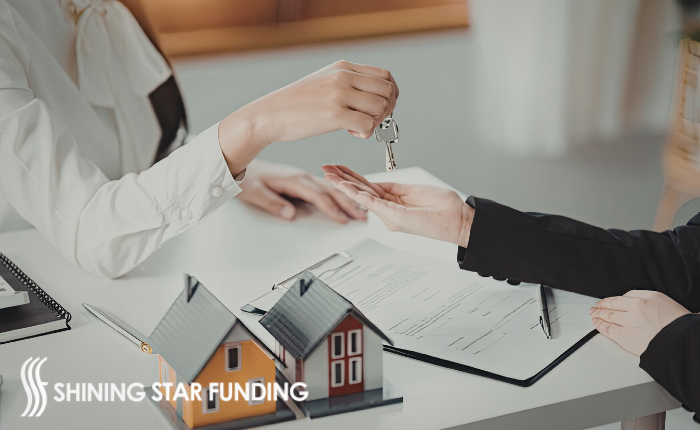
Many homeowners assume they must fully pay off their mortgage before selling a property, but that is not how most real estate transactions work. In reality, selling a house with a mortgage is extremely common. Millions of homeowners sell properties every year while they still owe money on their home loans. To see how your estimated sale proceeds can structure your next home purchase budget, feel free to use our online mortgage calculators.
Whether you are relocating, downsizing for retirement, upgrading to a larger property, investing in new real estate opportunities, or adjusting your financial goals, understanding how the process works can help you avoid confusion and costly mistakes. You can explore additional technical asset walkthroughs within our comprehensive Homebuyer Resources center.
For first-time sellers, self-employed homeowners, retirees, and real estate investors, navigating the homeownership journey often involves selling a property before the mortgage is completely paid off. Fortunately, the process is usually straightforward when homeowners understand their loan balance, equity position, and closing obligations.
Can You Sell a House With a Mortgage?
One of the most common questions homeowners ask is whether they can legally sell a property while still making mortgage payments. The answer is yes.
In fact, most people who sell a house with mortgage debt still attached do so before the loan is fully paid. The remaining mortgage balance is typically paid off using proceeds from the home sale during closing. For a direct operational overview of these exact clearing mechanics, review our dedicated guide on can you sell a house with a mortgage parameters.
When a homeowner sells a property:
- The buyer pays the agreed purchase price
- The mortgage lender receives the remaining loan payoff amount
- Any remaining proceeds go to the seller after fees and expenses
This process happens automatically through the closing agent or title company handling the transaction.
Within the broader world of homeownership, selling properties before the mortgage term ends is considered completely normal.
How Selling a House With a Mortgage Works
The process of selling a house with a mortgage follows several important steps.
Determine Your Mortgage Payoff Amount
The first step is finding out exactly how much remains on the mortgage. This is called the payoff amount.
The payoff balance may differ slightly from the current loan balance because it can include accrued interest, fees, prepayment charges in some cases, and additional closing-related expenses. Homeowners can request an official payoff statement directly from their designated mortgage servicer vs lender platform before listing the property.
Estimate Your Home’s Market Value
Understanding the property’s current market value helps sellers estimate how much equity they may have after paying off the mortgage. Market value depends on factors such as location, property condition, recent comparable sales, housing market demand, and current real-time mortgage rates conditions.
In strong housing markets, many homeowners discover they have built significant equity through appreciation and years of mortgage payments.

Calculate Your Equity
Equity is the difference between the home’s market value and the remaining mortgage balance.
For example:
- Home value: $500,000
- Mortgage payoff: $320,000
- Estimated equity: $180,000
Home equity often plays a major role in future homeownership decisions, including buying another property or investing in real estate. To check how transaction costs alter your net payout, you can calculate how much do you keep from a home sale ahead of listing.
List and Sell the Property
Once the property is listed and a buyer is secured, the transaction moves toward closing.
At closing:
- The buyer’s funds are transferred
- The mortgage lender receives the payoff amount
- Remaining proceeds are distributed to the seller
Most homeowners never personally send the final mortgage payment themselves because the payoff is handled directly through the closing process. For a strategic breakdown of this closing loop, Forbes provides a thorough resource explaining what happens to your mortgage when you sell your house effectively.


Sell a House Before Mortgage Paid Off: Is It a Problem?
Many sellers worry that attempting to sell a house before mortgage paid off could create legal or financial complications. In most situations, it does not. Mortgage loans are designed with the expectation that many borrowers will eventually sell or refinance before the full loan term ends.
As long as the sale proceeds cover the outstanding mortgage balance and associated fees, the transaction can typically move forward without issue. Within the evolving landscape of homeownership, selling homes before mortgage payoff has become a standard part of life transitions and financial planning.
Can You Sell Your House to the Bank?
Some homeowners ask, “Can you sell your house to the bank?” In most traditional real estate situations, the answer is generally no. Banks and mortgage servicers are lenders, not direct homebuyers in ordinary market transactions. Homeowners typically sell their property to individual buyers, investors, or companies.
However, there are certain distressed situations where lenders may become involved, including foreclosure proceedings, short sales, or deeds in lieu of foreclosure. In these cases, homeowners experiencing severe financial hardship may negotiate with the lender to resolve outstanding debt obligations and explore options to avoid foreclosure safely.
Still, under normal market conditions, homeowners usually sell directly to buyers rather than attempting to sell their house to the bank.
What Happens to the Mortgage After the Sale?
One of the most important aspects of selling a house with a mortgage is understanding what happens to the remaining loan balance. Once the mortgage is paid in full, ownership transfers to the buyer free of the seller’s original loan obligation. This is why most homeowners stop paying mortgage after selling house ownership officially transfers at closing.
Paying Mortgage After Selling House: What Sellers Should Know
Many homeowners wonder whether they remain responsible for mortgage payments after closing. In most situations, once the sale closes and the lender receives full payment, the seller’s mortgage obligation ends.
However, sellers should continue making regular mortgage payments until the transaction officially closes. Missing payments before closing could damage credit scores or complicate the sale process. If a closing is delayed unexpectedly, borrowers still remain responsible for scheduled mortgage payments until ownership officially changes hands.
What If You Owe More Than the Home Is Worth?
Not every homeowner has positive equity. Sometimes market conditions decline, or borrowers owe more than the property’s current value. This situation is commonly known as being “underwater” on a mortgage.
If homeowners attempt to sell a house with mortgage debt exceeding the property value, they may need to explore options like bringing cash to closing or structuring a short sale. If you face this specific balance conflict, read our architectural overview on underwater mortgage what to do corrections to review viable exit strategies.
Costs Associated With Selling a House With a Mortgage
Homeowners should also prepare for various expenses tied to selling a property, including real estate commissions, title fees, closing costs, and transfer taxes. Understanding these expenses helps sellers estimate how much money they may ultimately receive after closing.
Tips for Selling a House With a Mortgage Successfully
To ensure a flawless outcome, know your equity position, keep making regular payments up until closing day, and review your final closing disclosures with extreme care. Consider how the sale proceeds may affect future homeownership goals, including buying another home or investing elsewhere.
Final Thoughts
Selling a house with a mortgage is a routine part of the real estate market and an important component of modern homeownership. Most homeowners sell properties long before their loans are fully paid off. By understanding mortgage payoff procedures, equity calculations, closing costs, and timing considerations, sellers can navigate the process more confidently.
Whether you plan to sell a house before mortgage paid off to relocate, downsize, invest, or improve your financial flexibility, preparation is the key to a smoother transaction. If you are preparing to map out your subsequent property purchase or lock in custom terms for your next financing step, you can Apply Online today with a senior advisor.
Frequently Asked Questions
Yes, although financing can become more complex. Some homeowners use bridge loans, qualify for a second mortgage, make contingent offers, or use proceeds from the current sale for the next down payment. Your debt-to-income ratio, credit score, and available equity all influence whether lenders approve another mortgage while your current home is still financed.
Yes. Selling a house before mortgage paid off is completely normal. Most homeowners move before completing their full loan term due to job relocation, downsizing, growing families, retirement, or financial changes. As long as the home sale covers the remaining mortgage balance and associated costs, the transaction usually proceeds smoothly.
Technically, yes — but not in the way many people think. Banks generally do not purchase homes directly from homeowners under normal circumstances. However, if you are unable to keep up with mortgage payments, your lender may agree to alternative arrangements like a short sale or a deed in lieu of foreclosure to avoid traditional foreclosure processes.
Yes, you can absolutely sell a house with mortgage debt still attached to the property. In most home sales, the mortgage balance is simply paid off during the closing process using the proceeds from the sale. This means you do not need to wait until your mortgage is fully paid off before selling your home.
No. Once the mortgage is fully paid through closing, your monthly loan obligation ends. However, timing matters: you must continue making payments until the sale officially closes. Missing payments before closing could damage your credit or delay the transaction.
When you sell a house with mortgage debt, the buyer’s payment first goes toward paying off your remaining loan balance. After your mortgage, commissions, taxes, and closing costs are paid, the remaining funds belong to you. The title company or escrow agent handles the payoff directly with your lender at closing.
Usually not. Selling a house with a mortgage is a routine part of the real estate process. Most title companies, real estate agents, and lenders handle these transactions regularly. Problems are more likely to arise if you owe more than the home is worth, have missed payments, or have alternative liens on the property.
Besides paying off the mortgage itself, sellers should budget for real estate commissions, title fees, escrow costs, transfer taxes, and necessary repairs. Closing costs often total about 5% to 10% of the home’s sale price, reducing the final amount of equity received.
Your mortgage does not transfer to the buyer in traditional home sales. Instead, the loan is paid off in full during closing. The closing agent requests a payoff statement from your lender showing the principal balance, interest owed, and administrative fees. Once paid, the lender releases the lien on the property.
If your mortgage balance exceeds your home’s market value, you have negative equity and are underwater on the loan. Options include bringing cash to closing to cover the shortfall, negotiating a short sale with your lender, waiting for home values to rise, or refinancing before attempting to sell.

527 Sycamore Valley Rd W, Danville, CA 94526
Toll Free Call : (866) 280-0020
For informational purposes only. No guarantee of accuracy is expressed or implied. Programs shown may not include all options or pricing structures. Rates, terms, programs and underwriting policies subject to change without notice. This is not an offer to extend credit or a commitment to lend. All loans subject to underwriting approval. Some products may not be available in all states and restrictions may apply. Equal Housing Opportunity.
Interactive calculators are self-help tools. Results received from this calculator are designed for comparative and illustrative purposes only, and accuracy is not guaranteed. Shining Star Funding is not responsible for any errors, omissions, or misrepresentations. This calculator does not have the ability to pre-qualify you for any loan program or promotion. Qualification for loan programs may require additional information such as credit scores and cash reserves which is not gathered in this calculator. Information such as interest rates and pricing are subject to change at any time and without notice. Additional fees such as HOA dues are not included in calculations. All information such as interest rates, taxes, insurance, PMI payments, etc. are estimates and should be used for comparison only. Shining Star Funding does not guarantee any of the information obtained by this calculator.
Privacy Policy | Accessibility Statement | Term of Use | NMLS Consumer Access
CMG Mortgage, Inc. dba Shining Star Funding, NMLS ID# 1820 (www.nmlsconsumeraccess.org, www.cmghomeloans.com), Equal Housing Opportunity. Licensed by the Department of Financial Protection and Innovation (DFPI) under the California Residential Mortgage Lending Act No. 4150025. To verify our complete list of state licenses, please visit www.cmgfi.com/corporate/licensing