
Rent-Back Agreement

The Strategic Guide to a Rent-Back Agreement: Navigating Post-Closing Possession
In the high-stakes environment of modern real estate, the transition from one front door to the next rarely happens in a perfectly synchronized dance. For many sellers, the anxiety of finding a new residence while simultaneously closing on their current one can lead to significant logistical hurdles. This is where a specialized financial and legal arrangement known as a rent-back agreement comes into play. It serves as a vital bridge for those in the phase of preparing to buy their next property, allowing the seller to remain in their home as a tenant after the sale is finalized. So, what is a rent back agreement, and how does it work in real estate transactions? By understanding the mechanics of this strategy, you can turn a potentially chaotic moving day into a smooth, manageable transition.
Whether you are a retiree looking to downsize at a comfortable pace or a self-employed home buyer needing extra time to finalize a complex purchase, the ability to sell your house and rent it back offers a unique level of flexibility. Real estate investors often encounter these scenarios when negotiating with motivated sellers, and first-time homebuyers might find that offering a rent-back period makes their offer stand out in a competitive bidding war. As you are preparing to buy, being well-versed in these “seller-in-possession” scenarios ensures you are ready for any negotiation curveball the market throws your way.
What is a Rent-Back Agreement?
A rent-back agreement, often referred to in technical circles as a leaseback agreement, is a legally binding contract where the buyer of a property leases the home back to the seller for a predetermined period after the closing date. Essentially, the title of the property changes hands—the buyer becomes the landlord and the seller becomes the tenant—but the physical occupancy remains unchanged for a short duration. This period typically lasts anywhere from a few days to sixty days, depending on the needs of the parties and the requirements of the buyer’s mortgage lender.
In many ways, it functions as a contingency lease, providing a safety net for the seller to ensure they aren’t homeless if their new home’s closing is delayed. For asset-rich individuals seeking for real estate investments, offering a rent-back can be a powerful “sweetener” in a deal, allowing them to secure a desirable property by solving the seller’s biggest problem: timing. While it might sound like looking for a back house for rent, the reality is a formal, short-term commercial arrangement that protects both the new owner and the departing resident.
How Does a Rent-Back Agreement Work?
Executing a successful rentback requires more than just a handshake; it involves specific legal documentation and financial planning. As you are preparing to buy or sell, following these steps will ensure the arrangement is ironclad.
Consult an Attorney and Notify the Lender
Before agreeing to a leaseback agreement, it is critical to consult with a real estate attorney. This ensures the contract complies with local landlord-tenant laws, which can be surprisingly complex. Furthermore, if the buyer is using a mortgage to purchase the home, they must notify their lender. Most conventional loans require the buyer to move into the home within 60 days to maintain its status as a “primary residence.” If the rent-back period exceeds this, the loan might be classified as an investment property loan, which usually carries a higher interest rate.
Both Parties Need to Sign the Agreement
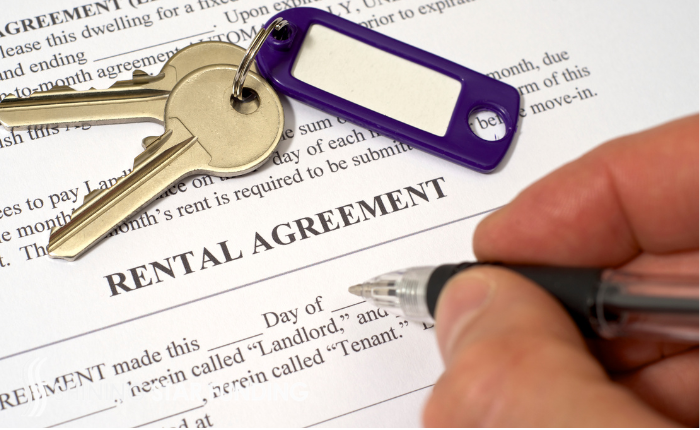
The rent-back agreement should be a separate document from the purchase contract, though it is often referenced within it. This document must clearly state the daily or monthly rent rate, the security deposit amount, and who is responsible for utilities and insurance during the stay. Often, the rent is calculated based on the buyer’s new monthly mortgage payment (principal, interest, taxes, and insurance) to ensure the buyer isn’t losing money while waiting to move in.
Use a Seller in Possession Form (SIP)
In many states, real estate associations provide a standardized “Seller in Possession” (SIP) form for stays of less than 30 days. For longer durations, a more formal residential lease agreement is typically required. Using these standardized forms ensures that all “what-if” scenarios—such as property damage or a failure to vacate—are addressed legally. This formality is what distinguishes a professional rentback from an informal and risky “handshake” deal.

Benefits of Entering a Rent-Back Agreement
The popularity of the leaseback agreement stems from the fact that it can be a “win-win” for both sides of the transaction when handled correctly.
| For Sellers | For Buyers |
|---|---|
| Eliminates the need for a double move or temporary storage. | Makes their offer more competitive in a seller's market. |
| Provides a clear timeline to close on a new home. | Provides immediate rental income to offset early mortgage costs. |
| Reduces the stress of "simultaneous closings." | Allows more time to plan their own move or minor renovations. |
For those who decide to sell your house and rent it back, the primary benefit is the elimination of the “bridge loan” necessity. They can use the proceeds from their sale to fund their next purchase while still living in their original home. For the buyer, particularly first-time homebuyers, it provides a unique way to gain an advantage over other bidders who might insist on immediate possession.
Is a Rent-Back Agreement Risky?
While the benefits are clear, entering into a contingency lease is not without its pitfalls. Both parties must be aware of the risks involved in this temporary landlord-tenant relationship.
Rent-Back Risks for Sellers
The primary risk for the seller is the loss of control. Once the home closes, they no longer own the asset. If a major system fails—like the HVAC or a water heater—they must rely on the new owner to fix it, or they might be held liable for the damage depending on how the contract is written. Additionally, if the seller fails to vacate by the agreed-upon date, they could face a formal eviction process, which can be devastating for their credit score and future homeownership prospects.
Rent-Back Risks for Buyers
For the buyer, the risks are often more significant. They are now landlords, which comes with legal liabilities. If the seller-turned-tenant gets injured on the property, the buyer’s insurance must be properly structured to cover it. There is also the risk of “holdover” tenants who refuse to leave, forcing the buyer into a lengthy and expensive legal battle. Furthermore, the buyer must ensure the home is in the same condition at the end of the rentback as it was on the closing day. If the seller damages the walls while finally moving out, the buyer must have a sufficient security deposit held in escrow to cover the repairs.
The Role of Insurance and Security Deposits
To mitigate these risks, a security deposit is almost always held in escrow from the seller’s proceeds. This money is only released once the buyer does a final walkthrough after the seller has fully vacated. Additionally, insurance is a major factor. The seller should maintain a “renter’s policy” to cover their personal belongings, while the buyer must ensure their “homeowners policy” allows for a short-term rental period. Without these protections, a small accident could turn into a financial catastrophe for both parties.

Conclusion: A Tool for Tactical Homeownership
A rent-back agreement is a sophisticated tool that reflects the complexities of the modern real estate market. Whether you are searching for a back house for rent or looking to sell your house and rent it back to secure your next move, the key to success is a clear contract and open communication. For those who are currently preparing to buy, understanding the leaseback agreement allows you to negotiate with a level of creativity that can win deals and save money.
As you move through your journey of property ownership, remember that flexibility is often just as valuable as the purchase price. By using a contingency lease or a formal rentback, you can bridge the gap between where you are and where you want to be. Real estate is about more than just buildings; it is about the lives lived within them. By managing the transition with a well-structured agreement, you ensure that your next chapter starts on the best possible footing. Happy moving!
FAQ's
To minimize risk, ensure the agreement includes a substantial security deposit held in escrow. You should also include a “daily penalty fee” that is significantly higher than the standard rent to incentivize the seller to leave on time. Finally, ensure your homeowners insurance is notified, as you may need a special “landlord” rider while the seller is still living there.
Sellers risk losing their security deposit if the buyer claims new damage occurred during the rent-back period. Furthermore, because they no longer own the home, they have no control over major repairs. If the HVAC system fails, they must rely on the buyer to fix it according to the terms of the agreement.
Yes, there are inherent risks. The biggest fear for a buyer is a “holdover tenant”—a seller who refuses to move out on the agreed date, forcing a costly eviction. There is also the risk that the seller might damage the property during the move-out process after you already own it.
When you are preparing to buy in a seller’s market, flexibility is your greatest leverage. Offering a rent-back can make your offer more attractive than a higher-priced bid that demands immediate possession. Additionally, the rent paid by the seller can help offset your first month’s mortgage payment and closing costs.
The primary benefit is a “one-time move.” It allows the seller to use the proceeds from the sale to close on their next home without having to move into a hotel or put their belongings in temporary storage. For retirees or families with children, this stability is often more valuable than a slightly higher sale price.
In many real estate markets, agents use a standardized “Seller in Possession” (SIP) form for short-term stays (typically under 30 days). This form is specifically designed to bypass complex landlord-tenant laws that apply to long-term rentals, providing a simpler legal framework for the transition.
Yes. A verbal agreement is never sufficient. Both the buyer and the seller must sign a formal rent-back agreement that outlines the rental rate, the security deposit, the exact move-out date, and who is responsible for maintenance and utility costs during the stay.
When preparing to buy, you must ensure your mortgage remains valid. Most “primary residence” loans require the buyer to move in within 60 days. If the rent-back is longer, the lender might reclassify the loan as an “investment property” loan, which carries higher interest rates. An attorney is essential to ensure the agreement doesn’t accidentally grant the seller permanent tenant rights that are difficult to terminate.
The agreement is typically negotiated during the initial offer or as an addendum to the purchase contract. The buyer officially closes on the home and takes ownership, but the seller remains in possession. The seller usually pays a daily or monthly rate to the buyer to cover the buyer’s new mortgage, taxes, and insurance costs.
A rent-back agreement (also known as a post-settlement occupancy agreement) is a legally binding contract where the seller stays in the home after the closing date. Effectively, the buyer becomes the landlord and the seller becomes the tenant for a short, predetermined period—usually between 30 and 60 days.

527 Sycamore Valley Rd W, Danville, CA 94526
Toll Free Call : (866) 280-0020
For informational purposes only. No guarantee of accuracy is expressed or implied. Programs shown may not include all options or pricing structures. Rates, terms, programs and underwriting policies subject to change without notice. This is not an offer to extend credit or a commitment to lend. All loans subject to underwriting approval. Some products may not be available in all states and restrictions may apply. Equal Housing Opportunity.
Interactive calculators are self-help tools. Results received from this calculator are designed for comparative and illustrative purposes only, and accuracy is not guaranteed. Shining Star Funding is not responsible for any errors, omissions, or misrepresentations. This calculator does not have the ability to pre-qualify you for any loan program or promotion. Qualification for loan programs may require additional information such as credit scores and cash reserves which is not gathered in this calculator. Information such as interest rates and pricing are subject to change at any time and without notice. Additional fees such as HOA dues are not included in calculations. All information such as interest rates, taxes, insurance, PMI payments, etc. are estimates and should be used for comparison only. Shining Star Funding does not guarantee any of the information obtained by this calculator.
Privacy Policy | Accessibility Statement | Term of Use | NMLS Consumer Access
CMG Mortgage, Inc. dba Shining Star Funding, NMLS ID# 1820 (www.nmlsconsumeraccess.org, www.cmghomeloans.com), Equal Housing Opportunity. Licensed by the Department of Financial Protection and Innovation (DFPI) under the California Residential Mortgage Lending Act No. 4150025. To verify our complete list of state licenses, please visit www.cmgfi.com/corporate/licensing