
Nontraditional Mortgage Explained: Types, Risks, and How They Work
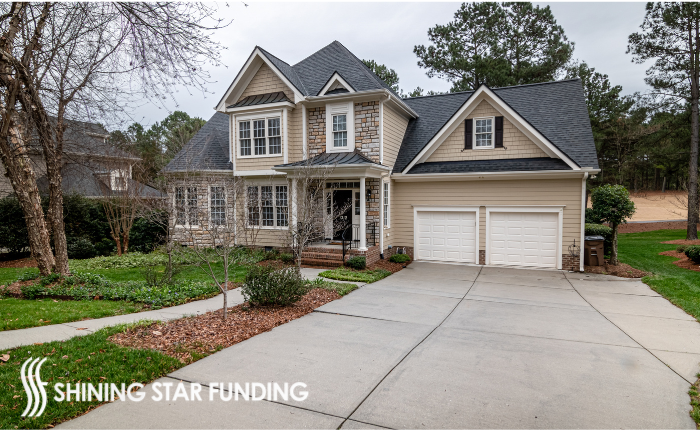
In the evolving world of home financing, not every borrower fits into the standard lending box. This is where nontraditional mortgage products come into play. These loans offer flexible structures for buyers who may not qualify for conventional financing or who need alternative documentation methods.
Within the homeownership category, understanding nontraditional mortgage options is essential for self-employed buyers, real estate investors, and individuals with unique financial profiles. These loans can provide opportunities—but also carry different risks compared to traditional lending.
What Is the SAFE Act?
The SAFE Act, or Secure and Fair Enforcement for Mortgage Licensing Act, is a federal law designed to protect consumers in the mortgage industry. It requires mortgage loan originators to be licensed and registered to ensure they meet professional standards.
The goal of the SAFE Act is to improve transparency and accountability in lending, especially for products like nontraditional home loans and other complex financing structures.
In the homeownership category, this regulation helps ensure borrowers receive accurate information when exploring alternative mortgage options.
What Is a Traditional Mortgage Loan?
A traditional mortgage loan typically refers to a standard 15- or 30-year fixed-rate loan with predictable payments and full income verification. These loans follow strict underwriting guidelines and are widely offered by most lenders.
In contrast, nontraditional mortgage products often include more flexible qualification methods, alternative income documentation, or variable payment structures. Borrowers can track national mortgage rates to see how traditional interest parameters compare to alternative loan programs.
Understanding the difference between traditional and alternative lending is key in the homeownership category.
Types of Nontraditional Mortgages
Nontraditional mortgages include a wide range of loan products designed for borrowers with unique financial needs. These include:
- Interest-only loans
- Balloon mortgages
- Bank statement loans
- Debt service coverage ratio (DSCR) loans
- Payment-option adjustable-rate mortgages
These unconventional mortgage loans are commonly used by investors, self-employed individuals, and borrowers with non-traditional income sources. For example, some buyers choose to review the pros and cons of adjustable-rate mortgages before selecting a flexible payment path.
In the homeownership category, these options provide flexibility but require careful financial planning.
Conventional and Government Nontraditional Mortgages
Some nontraditional mortgage features exist within both conventional and government-backed loan programs. For example, government loans may allow alternative documentation, while conventional loans may offer interest-only payment structures in limited cases. Utilizing a real-time mortgage calculator can help outline your expected monthly payment allocations across different loan variables.
However, most nontraditional home loans fall outside standard lending guidelines and are offered by specialized lenders.
These non traditional mortgage lenders often cater to borrowers who cannot meet strict income verification requirements. As a result, many borrowers explore non traditional home loans when seeking more flexible qualification standards, alternative income verification methods, or unique financing solutions that differ from traditional mortgage products.

What Is a Nonconforming Loan?
A nonconforming loan is a mortgage that does not meet the guidelines set by government-sponsored entities like Fannie Mae and Freddie Mac. This includes loans that exceed conforming loan limits or have non-standard underwriting criteria.
Many nontraditional mortgage products are also considered nonconforming because they do not follow standard qualification rules.
In the homeownership category, nonconforming loans expand access to financing but may come with different pricing and risk structures.
When Is a Nontraditional Loan Also a Nonconforming Loan?
A nontraditional loan becomes nonconforming when it does not meet standard underwriting requirements or loan limits. For example:
- Loans based on bank statement income instead of tax returns
- Interest-only payment structures
- Loans exceeding conforming loan limits
These overlapping categories are common in the world of non traditional home loan financing.


What Is a Nonqualified Mortgage?
A nonqualified mortgage (non-QM) is a loan that does not meet the Consumer Financial Protection Bureau’s definition of a Qualified Mortgage. These loans often include alternative documentation and flexible underwriting standards.
Non-QM loans are a major part of the nontraditional mortgage market and are designed for borrowers who need more flexible approval criteria.
In the homeownership category, non-QM loans provide access to financing for borrowers who might otherwise be excluded.
Types of Qualified Mortgages
Non-QM loans come in several forms, including:
- Bank statement loans
- Interest-only loans
- DSCR loans
- Balloon mortgages
- Asset-based loans
Each type serves a different borrower profile, particularly in the non traditional mortgage lenders market.
Bank Statement Loans
Bank statement loans allow borrowers to qualify based on bank deposits instead of tax returns. These are popular among self-employed individuals whose income may not appear consistent on paper.
This makes them a key part of nontraditional home loans in the homeownership category.
Balloon Mortgages
A balloon mortgage offers lower monthly payments for a set period, followed by a large lump-sum payment at the end of the loan term.
While these loans can reduce initial costs, they require careful planning to avoid payment challenges later.
Interest-Only Loans
Interest-only loans allow borrowers to pay only interest for a specific period before principal payments begin.
This structure lowers initial payments but can lead to higher costs later, especially when rates adjust.
These are common examples of unconventional mortgage loans.
Debt Service Coverage Ratio (DSCR) Loans
DSCR loans are primarily used for investment properties. Instead of personal income, lenders evaluate the property’s rental income to determine eligibility.
This makes them highly attractive for real estate investors in the homeownership category who are purchasing or refinancing an investment property.
Payment-Option ARM
A payment-option adjustable-rate mortgage allows borrowers to choose from multiple payment options, including minimum payments that may not cover full interest.
These loans offer flexibility but can increase loan balances over time if minimum payments are chosen frequently.
Pros and Cons of Nontraditional Mortgages
Pros
- Flexible income qualification
- Access for self-employed borrowers
- Investment-friendly structures
- Alternative approval pathways
Cons
- Higher interest rates in many cases
- Increased financial risk
- Less predictable payment structures
- Stricter lender requirements for assets or reserves
These trade-offs are important to evaluate in the homeownership category.
Are Nontraditional Mortgages a Good Idea?
Nontraditional mortgage products can be a good solution for borrowers with unique financial situations, but they are not suitable for everyone.
They are often best for:
- Self-employed individuals with irregular income
- Real estate investors
- High-net-worth borrowers with complex finances
However, they require careful planning due to potential payment variability and higher long-term costs. If you match these parameters, you can apply online to explore alternative loan programs directly with our specialized lending team.
Final Thoughts
Nontraditional mortgage products offer flexibility and opportunity in situations where standard lending does not fit. From bank statement loans to DSCR financing, these options expand access to homeownership and investment property acquisition.
However, they also come with unique risks that require careful evaluation.
In the homeownership category, understanding nontraditional mortgage structures helps borrowers make informed decisions when exploring non conventional loan options or working with non traditional mortgage lenders. According to standard financial context defining nontraditional mortgages, proper risk evaluation remains critical.
With proper planning, these unconventional mortgage loans can be powerful tools—but they should always be chosen with a clear understanding of their long-term financial impact.
Frequently Asked Questions
In 2026, for FHA-approved condos, the fha renter-owner ratio (also known as the owner-occupancy rate) generally requires that at least 50% of the units in a building be owner-occupied. This ensures the building remains stable and well-maintained.
Yes. While traditional loans have strict cut-offs, unconventional mortgage loans often use “manual underwriting,” allowing a human to look at the why behind a credit score.
Yes. Many people use a non traditional home loan to buy a house quickly or while their credit is recovering, then refinance into a traditional 30-year fixed loan later.
A lender looks at the expected monthly rent of a property. If the rent covers the mortgage payment (a ratio of 1.0 or higher), you can often get the loan without showing your personal tax returns.
According to the SAFE Act, yes. Any loan that isn’t a 30-year fixed is technically nontraditional.
It’s a loan that doesn’t meet the standards for purchase by Fannie Mae or Freddie Mac, usually because the loan amount is too high (Jumbo) or the credit requirements are different.
If you only make the “minimum” payment, you might not cover the interest. The unpaid interest is added to your principal, meaning you could end up owing more than the house is worth.
This happens frequently. For example, a non traditional home loan that uses bank statement verification and also exceeds $800,000 would be both Non-QM (nontraditional) and Nonconforming.
These are often private lending firms, credit unions, or specialized departments within larger banks that “portfolio” their loans rather than selling them to Fannie Mae.
Self-employed individuals often have many tax deductions that lower their “net income” on tax returns. Bank statements show the true “gross” cash flow of their business.

527 Sycamore Valley Rd W, Danville, CA 94526
Toll Free Call : (866) 280-0020
For informational purposes only. No guarantee of accuracy is expressed or implied. Programs shown may not include all options or pricing structures. Rates, terms, programs and underwriting policies subject to change without notice. This is not an offer to extend credit or a commitment to lend. All loans subject to underwriting approval. Some products may not be available in all states and restrictions may apply. Equal Housing Opportunity.
Interactive calculators are self-help tools. Results received from this calculator are designed for comparative and illustrative purposes only, and accuracy is not guaranteed. Shining Star Funding is not responsible for any errors, omissions, or misrepresentations. This calculator does not have the ability to pre-qualify you for any loan program or promotion. Qualification for loan programs may require additional information such as credit scores and cash reserves which is not gathered in this calculator. Information such as interest rates and pricing are subject to change at any time and without notice. Additional fees such as HOA dues are not included in calculations. All information such as interest rates, taxes, insurance, PMI payments, etc. are estimates and should be used for comparison only. Shining Star Funding does not guarantee any of the information obtained by this calculator.
Privacy Policy | Accessibility Statement | Term of Use | NMLS Consumer Access
CMG Mortgage, Inc. dba Shining Star Funding, NMLS ID# 1820 (www.nmlsconsumeraccess.org, www.cmghomeloans.com), Equal Housing Opportunity. Licensed by the Department of Financial Protection and Innovation (DFPI) under the California Residential Mortgage Lending Act No. 4150025. To verify our complete list of state licenses, please visit www.cmgfi.com/corporate/licensing