
New Construction Pros and Cons: What to Know Before Buying a New Build House
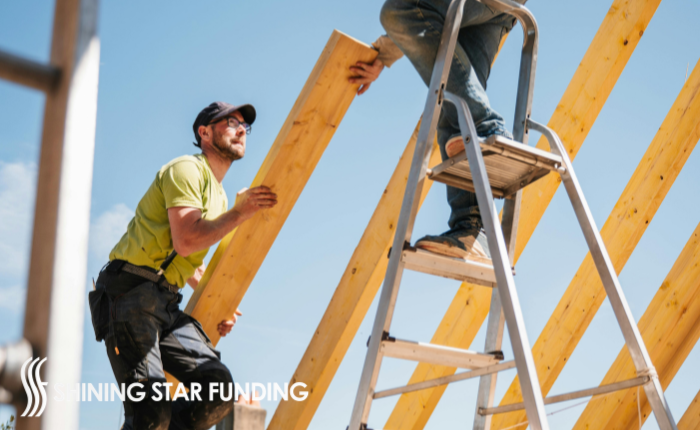
Modern finishes, customizable layouts, and the appeal of being the first occupant make newly built homes increasingly attractive. For many buyers navigating the world of homeownership, the idea of stepping into a brand-new property is exciting. However, like any major financial decision, calculating your total monthly overhead using online mortgage calculators is a smart step when evaluating new construction pros and cons.
Whether you’re a first-time buyer, a retiree seeking low maintenance living, or an investor looking at houses being built in growing areas, understanding the realities of a construction home can help you make a smarter decision. You can read more about these strategies within our primary Homebuyer Resources education center.
What Is a New Construction Home?
A new construction home is a property that is newly built and has never been occupied. These homes can range from fully custom builds to pre-designed properties in planned communities. In many cases, buyers have the opportunity to choose finishes, layouts, and upgrades during the building process.
In the context of homeownership, buying a new build house often means working directly with a builder rather than a traditional seller. This process comes with unique advantages, but also requires careful planning and due diligence.
New Construction Pros and Cons at a Glance
| Pros | Cons |
|---|---|
| Modern design and features | Higher upfront costs |
| Customization options | Longer wait times |
| Lower maintenance needs | Potential construction delays |
| Energy efficiency | Limited negotiation flexibility |
| Builder warranties | Developing neighborhood risks |
The Pros of Buying a New Build House
Modern Design and Layouts
One of the biggest advantages of buying a new build house is access to contemporary designs. Open floor plans, smart home features, and updated kitchens are standard in many new developments.
For buyers focused on homeownership, these modern elements can enhance both comfort and long-term resale value.
Customization Opportunities
Depending on the stage of construction, buyers may be able to choose flooring, cabinetry, fixtures, and even layout modifications. This level of personalization is rarely possible with older homes.
For those who want a home tailored to their preferences, a construction home offers unmatched flexibility.
Lower Maintenance and Repair Costs
Everything in a new home is brand new—from the roof to the appliances. This significantly reduces the likelihood of unexpected repairs in the early years of ownership.
For retirees and busy professionals, this low-maintenance aspect is a major advantage in the homeownership journey.
Energy Efficiency
New homes are typically built with energy-efficient materials and systems, including better insulation, high-performance windows, and modern HVAC systems. This can lead to lower utility bills and a smaller environmental footprint. Investors frequently evaluate the core economics of investing in energy-efficient buildings to maximize net operating yields.
Builder Warranties
Most new homes come with warranties that cover structural components and major systems for a certain period. This added protection provides peace of mind, especially for first-time buyers.
The Cons of Buying a Construction Home
Higher Upfront Costs
New homes often come with a higher price tag compared to older properties. Upgrades and customizations can quickly increase the total cost. To track premium pricing and rate parameters, you can review our index of real-time mortgage rates.
Longer Wait Times
If the home is still under construction, you may need to wait several months—or longer—before moving in. Delays due to weather, supply chain issues, or labor shortages can extend timelines.
Limited Negotiation Flexibility
Builders may be less willing to negotiate on price compared to traditional sellers. Instead, they may offer incentives such as upgrades or closing cost assistance.
Developing Neighborhood Risks
When purchasing in areas with houses being built, the community may still be under development. This can mean ongoing construction, limited amenities, and uncertain future property values.
Potential Hidden Costs
Additional expenses such as landscaping, fencing, and window treatments may not be included in the purchase price. These costs can add up quickly after closing.
Is Buying a New Build House Right for You?
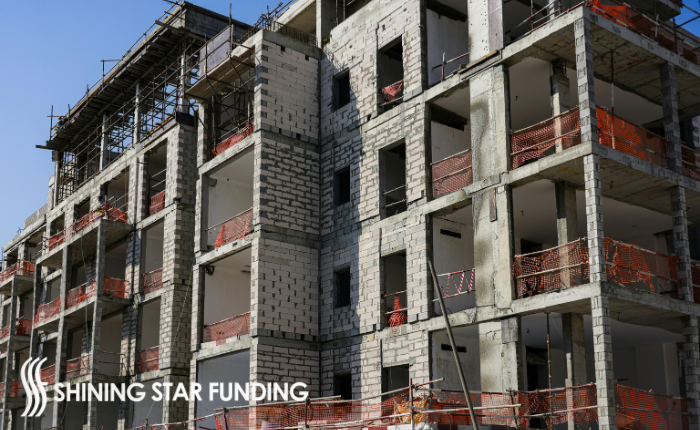
Deciding whether to buy new homes depends on your priorities, timeline, and financial situation. For many buyers, the appeal of a brand-new property outweighs the drawbacks. However, it’s important to consider how the pros and cons align with your goals.
A construction home may be a good fit if:
- You value modern features and energy efficiency
- You want customization options
- You prefer minimal maintenance
- You’re willing to wait for construction to be completed
On the other hand, it may not be ideal if:
- You need to move in quickly
- You’re working with a strict budget
- You prefer established neighborhoods
Evaluating these factors is essential for making a confident homeownership decision.
Tips for Buying New Homes
If you’re considering buying a new build house, keep these tips in mind:
- Research the builder’s reputation and past projects
- Review the contract carefully, including timelines and warranties
- Understand what’s included versus optional upgrades
- Plan for additional costs after closing
- Visit the site regularly if possible to monitor progress
These steps can help ensure a smoother experience when investing in houses being built.
New Construction vs Existing Homes
Choosing between new and existing homes is a common challenge in homeownership. Each option offers distinct advantages:
- New homes provide modern features and lower maintenance
- Existing homes may offer lower prices and established communities
- New construction allows customization, while older homes often have more character
The right choice depends on your personal preferences and long-term goals. If you choose to finance a customized path, checking our breakdown on construction loans explained will clarify structural drawing benchmarks.
Final Thoughts on New Construction Pros and Cons
The decision to buy new homes is both exciting and complex. From sleek designs and energy efficiency to higher costs and longer timelines, the new construction pros and cons must be carefully weighed.
For buyers at any stage of homeownership, understanding the realities of a construction home can help avoid surprises and ensure a successful investment. Whether you’re drawn to the idea of customization or concerned about potential delays, informed decision-making is key.
By evaluating your priorities, budgeting wisely, and doing thorough research, you can determine whether buying a new build house aligns with your lifestyle and financial goals. If you want to check your financing eligibility parameters, you can choose to Fixer-Reno-Loans or safely Apply Online to receive an upfront pre-approval analysis.
Frequently Asked Questions
Houses being built can be a strong investment, especially in growing areas. Early buyers in new developments sometimes benefit from appreciation as the neighborhood develops. However, risks include: uncertain future community development, fluctuating construction costs, and potential resale competition from other new builds. Location and builder reputation matter greatly.
The timeline for a construction home typically ranges from: 6 to 12 months on average, and longer for custom builds or delays. Weather, supply shortages, and labor availability can all impact completion timelines.
When deciding whether to buy new homes, consider your priorities: New Homes enjoy customization, lower maintenance, and modern design. Existing Homes benefit from established neighborhoods, potentially lower price points, and mature landscaping. New homes often cost more but require fewer immediate repairs.
Deciding whether to buy new homes depends on your priorities. Choose new construction if you want modern features, low maintenance, and custom design options. Consider resale homes if you want a lower purchase price, an established community, and a faster move-in timeline. Both options can be smart depending on your financial goals and timeline.
When buying a new build house, buyers often enjoy: energy-efficient systems and appliances, smart home technology, fewer maintenance issues early on, builder incentives like closing cost credits, and warranty protection on major systems. Many buyers are attracted to the “move-in ready and brand new” appeal.
Common cons include: longer wait times before move-in, unexpected upgrade costs, limited inventory in desired areas, and possible construction defects. Even newly built homes can have quality issues depending on the builder.
The new construction pros and cons revolve around customization and modern features versus cost and uncertainty. Pros: modern layouts and energy efficiency, customization options before move-in, lower immediate repair needs, and builder warranties. Cons: higher purchase price, construction delays, limited negotiation on upgrades, and developing neighborhoods. New builds offer convenience, but often at a premium.
A construction home is a property that is newly built or still under development and has never been lived in. These homes may be fully custom builds, production homes in subdivisions, or spec homes already completed by builders. Unlike resale homes, construction homes give buyers a chance to choose finishes and layouts before move-in.
When buying a new build house, pay attention to: builder reputation and past projects, warranty coverage details, upgrade pricing (which can add up quickly), inspection opportunities during construction, and HOA fees in new developments. A professional inspection—even for new homes—is still highly recommended.
New homes often cost more because of: rising labor and material costs, modern building standards, land development expenses, and customization options. However, some buyers save money long-term due to lower repair and utility costs.

527 Sycamore Valley Rd W, Danville, CA 94526
Toll Free Call : (866) 280-0020
For informational purposes only. No guarantee of accuracy is expressed or implied. Programs shown may not include all options or pricing structures. Rates, terms, programs and underwriting policies subject to change without notice. This is not an offer to extend credit or a commitment to lend. All loans subject to underwriting approval. Some products may not be available in all states and restrictions may apply. Equal Housing Opportunity.
Interactive calculators are self-help tools. Results received from this calculator are designed for comparative and illustrative purposes only, and accuracy is not guaranteed. Shining Star Funding is not responsible for any errors, omissions, or misrepresentations. This calculator does not have the ability to pre-qualify you for any loan program or promotion. Qualification for loan programs may require additional information such as credit scores and cash reserves which is not gathered in this calculator. Information such as interest rates and pricing are subject to change at any time and without notice. Additional fees such as HOA dues are not included in calculations. All information such as interest rates, taxes, insurance, PMI payments, etc. are estimates and should be used for comparison only. Shining Star Funding does not guarantee any of the information obtained by this calculator.
Privacy Policy | Accessibility Statement | Term of Use | NMLS Consumer Access
CMG Mortgage, Inc. dba Shining Star Funding, NMLS ID# 1820 (www.nmlsconsumeraccess.org, www.cmghomeloans.com), Equal Housing Opportunity. Licensed by the Department of Financial Protection and Innovation (DFPI) under the California Residential Mortgage Lending Act No. 4150025. To verify our complete list of state licenses, please visit www.cmgfi.com/corporate/licensing